

Can Dogs Eat Couscous? Vet Insights Here
Couscous has become a staple in many human diets, prized for its quick cooking time and versatility. But if you’re a dog owner who enjoys this tiny pasta, you’ve probably wondered: can my dog eat couscous too? The short answer is yes—dogs can safely eat plain couscous in moderation. However, there are important nuances to understand about portion sizes, preparation methods, and nutritional value that every pet owner should know before sharing this grain with their furry companion.
Unlike some human foods that pose genuine health risks to dogs, couscous isn’t toxic and won’t cause immediate harm. That said, it’s not exactly a nutritional powerhouse for canines either. Understanding how to safely incorporate couscous into your dog’s diet—or whether you should at all—requires looking at the bigger picture of canine nutrition and digestive health. This guide will walk you through everything veterinarians recommend about feeding couscous to dogs.
Is Couscous Safe for Dogs?
Yes, couscous is safe for dogs when prepared properly and given in appropriate amounts. The Association of American Feed Control Officials (AAFCO) recognizes whole grains as acceptable dog food ingredients, and couscous falls into this category. Unlike chocolate, grapes, or xylitol—which are genuinely dangerous for dogs—couscous doesn’t contain any inherently toxic compounds.
The key word here is plain. Couscous prepared with salt, spices, garlic, onions, or oils can pose problems for your dog’s health. Many seasonings commonly added to human couscous dishes are harmful to canines. For instance, garlic and onions contain thiosulfates that can damage red blood cells, while excessive salt can lead to sodium ion poisoning in severe cases.
When you offer your dog couscous, it should be cooked, cooled, and completely unseasoned. Think of it as a neutral carbohydrate source rather than a flavorful meal component. This preparation method ensures your dog gets the grain without any harmful additives.
Nutritional Profile of Couscous
Understanding what couscous actually provides nutritionally helps explain why vets suggest it as only an occasional treat rather than a dietary staple. Couscous is primarily composed of carbohydrates, with minimal protein content compared to meat-based proteins dogs require.
A one-cup serving of cooked couscous contains approximately:
- 176 calories
- 6 grams of protein
- 36 grams of carbohydrates
- 0.3 grams of fat
- 2.2 grams of fiber
For dogs, this nutritional breakdown means couscous is essentially a filler food. Dogs are facultative carnivores, meaning while they can digest plant-based foods, they thrive on animal proteins and fats. The protein in couscous is incomplete—it lacks several essential amino acids that dogs require. Additionally, couscous is relatively low in fiber and micronutrients compared to vegetables like broccoli or carrots.
That said, couscous does provide some B vitamins and minerals like selenium and phosphorus. For a dog eating a complete and balanced commercial diet, these additional micronutrients are unnecessary. However, they won’t cause harm in small quantities.
How to Safely Prepare Couscous for Dogs
Preparation is absolutely critical when feeding couscous to your dog. The cooking method you use directly impacts whether this grain remains safe or becomes problematic.
The Right Way to Prepare Couscous for Dogs:
- Use plain, dry couscous with no added seasonings or flavor packets
- Cook with water only—no broth, stock, or oil
- Follow standard cooking instructions (typically 1 part couscous to 2 parts water)
- Let it cool completely before serving to your dog
- Serve plain without butter, salt, or any toppings
- Store leftovers in an airtight container for up to three days
Some dog owners like to mix cooled couscous with their dog’s regular kibble to add volume without significantly increasing calories. This can work if you adjust the overall portion size accordingly. For example, if you normally feed two cups of kibble, you might reduce it to 1.5 cups and add 0.5 cups of couscous.
Never feed your dog couscous that’s been prepared with ingredients like:
- Garlic or onion powder
- Salt or seasoning blends
- Butter or oils
- Chicken or vegetable broth (often high in sodium)
- Raisins or dried fruits
- Nuts
- Cheese or cream

Portion Guidelines by Dog Size
Portion control is essential when incorporating any new food into your dog’s diet, including couscous. The appropriate amount depends on your dog’s size, age, activity level, and overall caloric needs.
Small Dogs (under 20 pounds): A small dog should receive no more than 2-3 tablespoons of plain cooked couscous per serving, offered only 2-3 times per week. For a 10-pound Chihuahua, this represents roughly 15-20 calories, which is reasonable as an occasional snack.
Medium Dogs (20-60 pounds): A medium-sized dog like a Beagle or Cocker Spaniel can safely consume 1/4 to 1/3 cup of couscous per serving, offered 2-3 times weekly. This provides approximately 40-60 calories without disrupting their daily nutritional balance.
Large Dogs (over 60 pounds): Larger breeds can tolerate up to 1/2 cup of couscous per serving, though this should still be limited to occasional offerings rather than regular meals.
The 10% rule is important to remember: treats and table foods (including couscous) should comprise no more than 10% of your dog’s daily caloric intake. The remaining 90% should come from a complete and balanced dog food formulated to meet AAFCO standards.
If your dog has specific health conditions—such as diabetes, obesity, or digestive sensitivities—consult your veterinarian before introducing couscous. These dogs may need stricter dietary control, and couscous’s carbohydrate content might not align with their medical needs.
Potential Health Concerns
While plain couscous is generally safe, certain situations warrant extra caution or avoidance entirely.
Grain Sensitivities and Allergies: Some dogs have genuine grain allergies or sensitivities, though these are less common than many pet food marketing campaigns suggest. If your dog has been diagnosed with a grain allergy or sensitivity, couscous should be avoided. Signs of grain sensitivity include chronic ear infections, skin itching, vomiting, or diarrhea. If you suspect your dog has a grain sensitivity, consult the ASPCA or your veterinarian for proper testing.
Digestive Upset: Introducing any new food too quickly can cause digestive upset. If you want to offer couscous, introduce it gradually—start with just one tablespoon mixed into their regular food, and observe for 24-48 hours before increasing the amount. Watch for signs like loose stool, vomiting, or decreased appetite.
Weight Management: For dogs prone to obesity or those on calorie-restricted diets, couscous’s carbohydrate density makes it a less-than-ideal choice. Dogs with weight concerns would benefit more from low-calorie vegetables like green beans or carrots.
Diabetes: Dogs with diabetes need carefully controlled carbohydrate intake. The high carbohydrate content in couscous can cause blood sugar spikes, making it unsuitable for diabetic dogs. Work with your veterinarian on appropriate treat options if your dog has diabetes.
Pancreatitis: Dogs with a history of pancreatitis should avoid couscous. This condition requires a low-fat diet, and while couscous itself is low in fat, it’s often best to stick with veterinarian-approved foods during recovery and management.
Better Grain Alternatives for Dogs
If you’re looking to add variety to your dog’s diet or provide occasional treats, several alternatives offer superior nutritional value compared to couscous.
Vegetables: Most dogs thrive on vegetable-based treats. Carrots are excellent for dogs—they’re low in calories, high in fiber, and naturally support dental health through chewing. Corn is another safe option when prepared properly. Mushrooms can also be offered, though certain varieties are toxic, so stick to common culinary mushrooms. Sweet potatoes provide more nutritional density than couscous, offering beta-carotene, fiber, and antioxidants.
Other Grains: If you prefer grain-based treats, brown rice or oats offer similar or slightly better nutritional profiles. Brown rice provides more fiber, while oats contain beta-glucan, a type of soluble fiber beneficial for digestive health.
Protein-Based Options: Since dogs thrive on protein, offering plain cooked chicken, turkey, or beef provides far superior nutrition compared to couscous. These options align better with a dog’s natural dietary preferences and nutritional needs.
Commercial Dog Treats: Many commercial treats are specifically formulated to meet canine nutritional needs while providing flavor variety. Look for treats with recognizable ingredients and minimal additives.
FAQ
Can puppies eat couscous?
Puppies can technically eat plain couscous, but it’s not recommended as a regular food. Puppies require carefully balanced nutrition for proper growth and development, and couscous doesn’t provide the protein, fat, and micronutrients puppies need. Stick to high-quality puppy food formulated for your breed size, and consult your veterinarian about appropriate treats.
Is couscous better than rice for dogs?
Brown rice and couscous are nutritionally similar, though brown rice contains slightly more fiber. Neither is particularly beneficial for dogs compared to their regular food. If you’re choosing between the two, brown rice edges out couscous slightly, but both should be occasional treats only.
Can dogs eat couscous with vegetables?
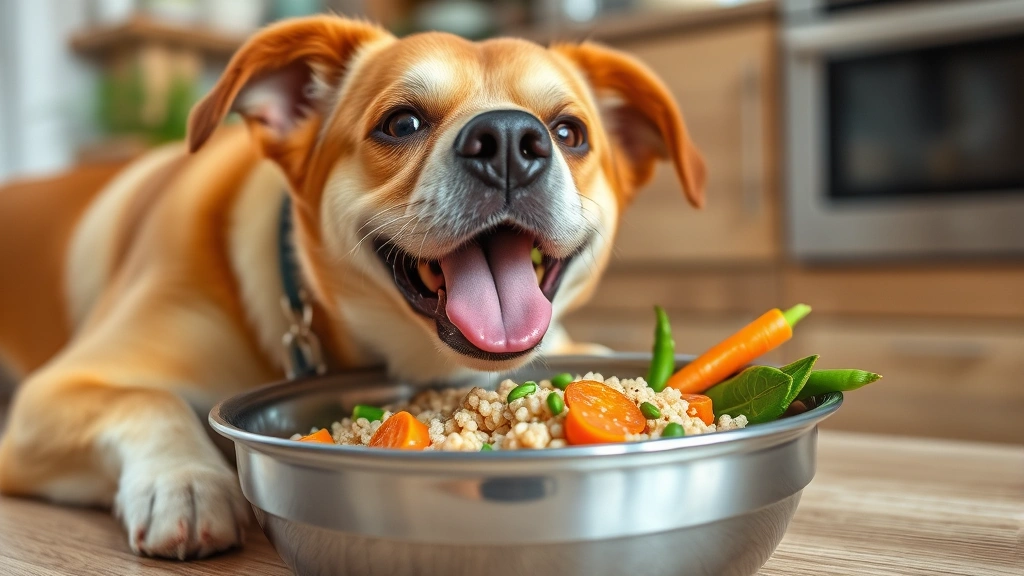
Dogs can eat couscous mixed with safe vegetables like carrots, green beans, or peas—as long as nothing toxic is included and the mixture is unseasoned. However, the vegetables would provide more nutritional value than the couscous itself. You’re better off offering the vegetables alone or with protein.
What should I do if my dog eats seasoned couscous?
If your dog accidentally consumed a small amount of seasoned couscous, don’t panic. Observe your dog for signs of distress like vomiting, diarrhea, or unusual behavior over the next 24 hours. If the seasoning included garlic or onions, contact your veterinarian or ASPCA Animal Poison Control immediately, as these can be toxic even in small amounts.
How often can I feed my dog couscous?
Plain couscous can be offered 2-3 times per week in appropriate portion sizes without causing health issues. However, since it provides minimal nutritional benefit, there’s no compelling reason to make it a regular part of your dog’s diet. Reserve it for occasional variety rather than frequent treats.
Is instant couscous safe for dogs?
Instant couscous is safe as long as it’s plain and prepared with water only. However, many instant couscous packets contain added seasonings, salt, or flavor compounds. Always check the ingredient list and opt for plain varieties if you choose to offer couscous to your dog.





