

As pet owners, we often find ourselves wondering whether our furry companions can safely enjoy the same foods we do. When it comes to fresh, crunchy vegetables like cucumbers, many dog parents are curious about sharing this healthy snack with their four-legged friends. The good news is that cucumbers can indeed be a safe and nutritious treat for dogs when prepared and served properly.
Understanding what foods are safe for dogs is crucial for their health and wellbeing. While some human foods can be toxic to dogs, cucumbers fall into the category of dog-friendly vegetables that can provide nutritional benefits. However, like any treat or supplement to your dog’s regular diet, there are important considerations to keep in mind regarding preparation, portion sizes, and individual dietary needs.
Nutritional Benefits of Cucumbers for Dogs
Cucumbers are packed with nutrients that can benefit your dog’s health in various ways. These crisp vegetables are composed of approximately 95% water, making them an excellent source of hydration, especially during hot summer months. The high water content helps support kidney function and can aid in maintaining proper hydration levels in active dogs.
From a nutritional standpoint, cucumbers contain essential vitamins and minerals that contribute to overall canine health. They’re rich in vitamin K, which plays a crucial role in blood clotting and bone health. Cucumbers also provide vitamin C, an antioxidant that supports immune system function and helps protect cells from oxidative damage.
The mineral content in cucumbers includes potassium, which is vital for heart health and proper muscle function. Additionally, cucumbers contain small amounts of magnesium and manganese, both important for bone development and metabolic processes. The fiber content, while modest, can contribute to digestive health when given in appropriate amounts.
Perhaps one of the most appealing aspects of cucumbers as a dog treat is their low calorie content. With only about 8 calories per half cup, cucumbers make an excellent low-calorie treat option for dogs who need to maintain or lose weight. This makes them particularly valuable for overweight dogs or those with dietary restrictions.
Safety Considerations and Preparation
While cucumbers are generally safe for dogs, proper preparation is essential to ensure your pet’s safety and enjoyment. Always wash cucumbers thoroughly before serving them to your dog to remove any pesticide residues, bacteria, or dirt that may be present on the skin. Organic cucumbers are preferable when available, as they reduce exposure to potentially harmful chemicals.
The cucumber skin is safe for dogs to eat and contains many of the vegetable’s nutrients, but some dogs may have difficulty digesting it. If your dog has a sensitive stomach or if you’re introducing cucumbers for the first time, consider peeling the cucumber to make it easier to digest. Monitor your dog’s reaction and adjust accordingly.
Seeds present another consideration when serving cucumbers to dogs. While cucumber seeds are not toxic, they can pose a choking hazard for smaller dogs or those who tend to gulp their food quickly. For safety, consider removing the seeds, especially when serving cucumbers to small breeds or puppies.
It’s important to note that pickled cucumbers or any cucumber products with added seasonings, salt, or vinegar should never be given to dogs. These additives can be harmful and may cause digestive upset or more serious health issues. Always stick to fresh, plain cucumbers when treating your dog.
How to Serve Cucumbers to Your Dog
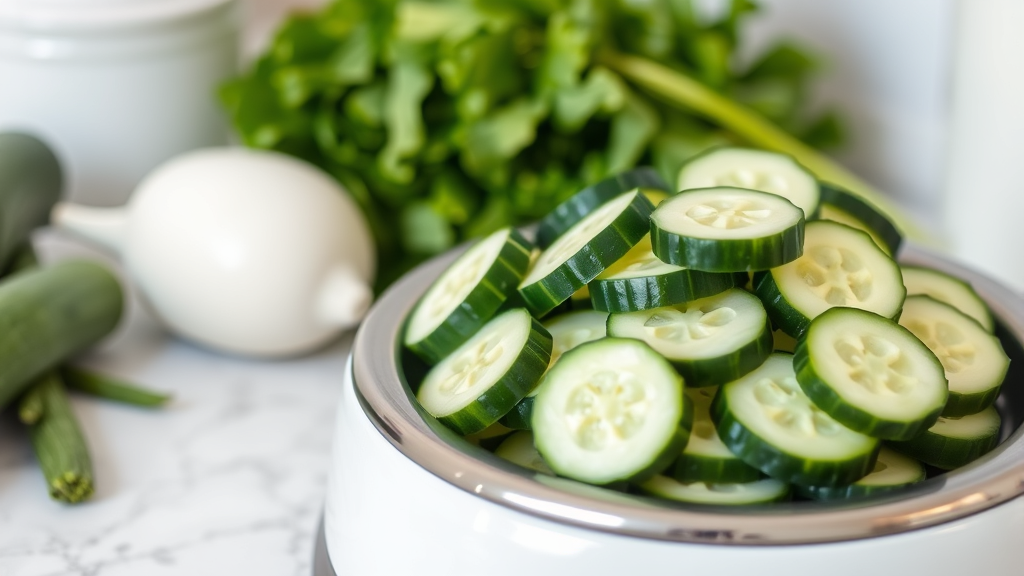
There are several creative and safe ways to serve cucumbers to your canine companion. The simplest method is to cut fresh cucumbers into appropriate-sized pieces based on your dog’s size. For small dogs, dice the cucumber into tiny pieces to prevent choking, while larger dogs can handle bigger chunks or even cucumber spears.
Frozen cucumber slices make an excellent summer treat that can help cool down overheated dogs while providing hydration. Simply slice cucumbers and freeze them for a few hours before serving. This creates a refreshing, crunchy treat that many dogs find irresistible during warm weather.
You can also incorporate cucumbers into homemade dog treats or mix small pieces with your dog’s regular food for added texture and nutrition. Some pet owners enjoy making cucumber ice cubes by blending cucumber with water and freezing the mixture in ice cube trays for a hydrating summer snack.
Another popular serving method is to stuff cucumber pieces into puzzle toys or treat-dispensing toys, providing mental stimulation along with the nutritional benefits. This approach is particularly beneficial for dogs who need mental enrichment or those who eat too quickly.
Portion Control and Feeding Guidelines
Like all treats and supplements to your dog’s diet, cucumbers should be given in moderation. The general rule of thumb is that treats should make up no more than 10% of your dog’s daily caloric intake. For most dogs, this translates to a few cucumber slices or small pieces per day, depending on their size and activity level.
Small dogs (under 20 pounds) should receive no more than a few small cucumber pieces per day, while medium-sized dogs (20-50 pounds) can safely enjoy up to a quarter cup of cucumber pieces. Large dogs (over 50 pounds) may be able to handle up to half a cup of cucumber pieces daily, but individual tolerance may vary.
When introducing cucumbers to your dog’s diet for the first time, start with very small amounts to assess their tolerance and prevent digestive upset. Some dogs may experience loose stools or gas if given too much cucumber too quickly, particularly due to the high water and fiber content.
It’s crucial to remember that cucumbers should complement, not replace, your dog’s balanced commercial diet. While nutritious, cucumbers don’t provide all the essential nutrients dogs need for optimal health. Always consult with your veterinarian before making significant changes to your dog’s diet or if you have concerns about appropriate portion sizes for your specific pet.

Potential Risks and Precautions
While cucumbers are generally safe for dogs, there are some potential risks and precautions to be aware of. The most common issue is digestive upset, particularly in dogs with sensitive stomachs or those who consume too much cucumber at once. Symptoms may include diarrhea, gas, or stomach discomfort.
Dogs with diabetes should consume cucumbers with caution, as any change in diet can affect blood sugar levels. While cucumbers are low in sugar, it’s important to monitor diabetic dogs closely and consult with a veterinarian before introducing new foods.
Some dogs may be allergic to cucumbers, though this is relatively rare. Signs of an allergic reaction can include itching, swelling, difficulty breathing, or gastrointestinal distress. If you notice any unusual symptoms after giving your dog cucumber, discontinue use immediately and contact your veterinarian.
The choking hazard posed by cucumber pieces is another consideration, particularly for small dogs or those who eat quickly. Always supervise your dog when giving them cucumber treats and ensure pieces are appropriately sized for safe consumption.
According to the ASPCA’s guidelines on people foods for pets, while cucumbers are safe, pet owners should always introduce new foods gradually and in moderation.
Other Safe Vegetables for Dogs
If your dog enjoys cucumbers, they may also appreciate other safe vegetables that can provide variety and additional nutritional benefits. Carrots are excellent for dogs and offer beta-carotene, fiber, and a satisfying crunch that many dogs love. They can be served raw or lightly cooked.
Broccoli can be safely given to dogs in small amounts and provides vitamins C and K, along with fiber and antioxidants. However, it should be given sparingly as large amounts can cause gastric irritation.
Green beans are another excellent option, providing vitamins A, C, and K, plus fiber and folate. They can be served fresh, frozen, or lightly steamed without any seasonings. Zucchini is also safe for dogs and offers similar benefits to cucumbers with slightly different nutritional content.
Cauliflower can be enjoyed by dogs when served in moderation, providing vitamin C, fiber, and antioxidants. Brussels sprouts are another option, though they should be given sparingly due to their potential to cause gas.
Sweet potatoes, pumpkin, and spinach (in moderation) are also safe vegetables that can provide variety in your dog’s treat repertoire. The American Kennel Club provides comprehensive guidelines on fruits and vegetables that are safe for dogs.
Frequently Asked Questions
Can puppies eat cucumbers?
Yes, puppies can eat cucumbers, but extra caution should be taken regarding portion size and preparation. Puppies have more sensitive digestive systems than adult dogs, so introduce cucumbers very gradually and in tiny amounts. Always remove seeds and cut cucumbers into very small pieces to prevent choking. Consult with your veterinarian before introducing any new foods to a puppy’s diet.
How often can I give my dog cucumber?
Cucumbers can be given as an occasional treat, ideally no more than a few times per week. Daily cucumber treats are generally acceptable in small amounts, but variety in treats is recommended for optimal nutrition. Remember that treats should never exceed 10% of your dog’s daily caloric intake, and cucumbers should complement, not replace, a balanced commercial dog food.
Are cucumber peels safe for dogs?
Cucumber peels are safe for dogs to eat and contain many beneficial nutrients. However, some dogs may have difficulty digesting the peel, particularly those with sensitive stomachs. If your dog experiences digestive upset after eating cucumber with the peel, try offering peeled cucumbers instead. Always wash cucumbers thoroughly before serving to remove any pesticide residues.
Can diabetic dogs eat cucumbers?
Diabetic dogs can generally eat cucumbers in moderation, as they are low in sugar and carbohydrates. However, any dietary changes for diabetic dogs should be discussed with a veterinarian first, as even small changes can affect blood sugar levels. Monitor your diabetic dog closely when introducing new foods and maintain consistent feeding schedules.
What should I do if my dog ate too many cucumbers?
If your dog consumed excessive amounts of cucumber, monitor them for signs of digestive upset such as diarrhea, vomiting, or excessive gas. Provide plenty of fresh water and consider withholding food for a few hours to allow their stomach to settle. Most dogs will recover without intervention, but contact your veterinarian if symptoms persist or worsen, or if you notice signs of dehydration.
Can I give my dog pickled cucumbers?
No, pickled cucumbers should never be given to dogs. Pickles contain high amounts of salt, vinegar, and often garlic or other seasonings that can be harmful to dogs. The high sodium content can lead to dehydration, kidney problems, or salt poisoning. Always stick to fresh, plain cucumbers when treating your dog.
Are there any dogs that should avoid cucumbers?
While most dogs can safely enjoy cucumbers, those with known allergies to cucumbers or members of the cucumber family should avoid them. Dogs with severe kidney disease may need to limit their intake due to the potassium content, and dogs with sensitive digestive systems may need to consume them in very small amounts or avoid them entirely. Always consult with your veterinarian if your dog has specific health conditions or dietary restrictions.





