
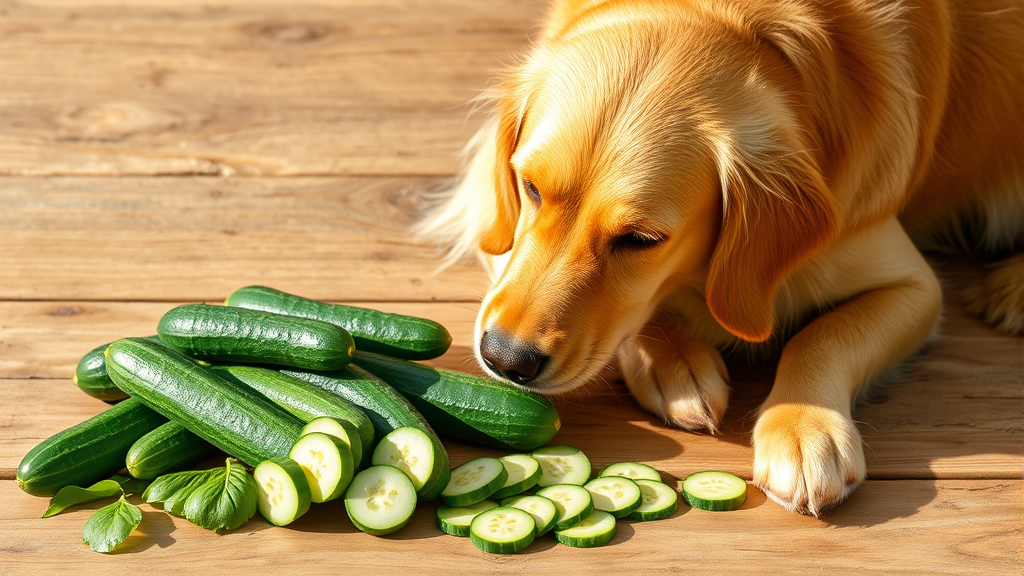
As a responsible dog owner, you’ve likely found yourself wondering about the safety of various human foods for your furry companion. One question that frequently comes up is whether cucumbers are safe for dogs to eat. The good news is that cucumbers are generally safe and can even be a healthy, refreshing treat for most dogs when given in moderation.
Cucumbers are low in calories, high in water content, and packed with beneficial nutrients that can complement your dog’s regular diet. However, like any treat or human food, there are important considerations to keep in mind before offering this crunchy vegetable to your canine friend. Understanding the proper preparation, portion sizes, and potential risks will help ensure your dog can safely enjoy this nutritious snack.
Nutritional Benefits of Cucumbers for Dogs
Cucumbers offer several nutritional advantages that make them an excellent occasional treat for dogs. With approximately 95% water content, cucumbers are incredibly hydrating, making them particularly beneficial during hot summer months or for dogs who don’t drink enough water throughout the day. This high water content also means they’re extremely low in calories, with only about 16 calories per cup of sliced cucumber.
The vegetable contains essential vitamins and minerals that can support your dog’s overall health. Vitamin K plays a crucial role in blood clotting and bone health, while vitamin C acts as an antioxidant that supports immune function. Cucumbers also provide potassium, which is important for heart and muscle function, and magnesium, which supports bone health and energy metabolism.
Additionally, cucumbers contain beta-carotene, which the body converts to vitamin A, supporting eye health and immune function. The fiber content in cucumbers, while modest, can aid in digestion and help maintain healthy bowel movements. According to the USDA Food Composition Database, cucumbers also contain small amounts of folate and manganese, which contribute to cellular function and bone development.

Safety Considerations and Preparation
While cucumbers are generally safe for dogs, proper preparation is essential to minimize any potential risks. Always wash cucumbers thoroughly under running water to remove any pesticide residues, dirt, or bacteria that might be present on the skin. Even if you plan to peel the cucumber, washing is still important to prevent contamination during the cutting process.
The cucumber peel is safe for most dogs and contains additional nutrients, but some dogs may have difficulty digesting it, especially if they have sensitive stomachs. If your dog is trying cucumber for the first time, consider peeling it to reduce the risk of digestive upset. Remove all seeds before offering cucumber to your dog, as large quantities of seeds can potentially cause intestinal blockage, particularly in smaller dogs.
Organic cucumbers are preferable when possible, as they’re less likely to contain harmful pesticide residues. However, conventional cucumbers that are properly washed are also safe for dogs. Never give your dog pickled cucumbers or any cucumber preparations that contain onions, garlic, excessive salt, or other seasonings, as these can be toxic to dogs.
Proper Serving Sizes and Methods
The key to safely incorporating cucumbers into your dog’s diet lies in appropriate portion control and serving methods. Treats, including healthy options like cucumbers, should never make up more than 10% of your dog’s daily caloric intake. For most dogs, this translates to just a few small pieces of cucumber per day.
For small dogs (under 25 pounds), limit cucumber treats to 1-2 small slices per day. Medium-sized dogs (25-60 pounds) can safely enjoy 3-4 small pieces, while large dogs (over 60 pounds) may have up to 5-6 small pieces. Always cut cucumbers into appropriate sizes for your dog to prevent choking hazards. For small dogs, dice the cucumber into tiny pieces, while larger dogs can handle slightly bigger chunks.
There are several creative ways to serve cucumbers to your dog. Simple slices make for easy training treats, while frozen cucumber pieces can provide relief during hot weather. Some dogs enjoy cucumber mixed into their regular food, or you can stuff small pieces into puzzle toys for mental stimulation. Always introduce new foods gradually, starting with just a small piece to ensure your dog tolerates cucumbers well.

Potential Risks and Precautions
Despite their general safety, cucumbers can pose some risks if not given properly or if your dog has specific health conditions. The most immediate concern is choking, particularly with larger pieces or if your dog tends to gulp food quickly. Always supervise your dog when introducing any new treat and ensure pieces are appropriately sized for your pet.
Some dogs may experience digestive upset, including diarrhea or gas, especially when first trying cucumbers or if given too large a quantity. Dogs with sensitive stomachs or existing gastrointestinal issues should be introduced to cucumbers very gradually, and you should consult with your veterinarian before adding any new foods to their diet.
Cucumber seeds, while not toxic, can potentially cause intestinal blockage if consumed in large quantities, particularly in smaller dogs. The American Veterinary Medical Association recommends removing seeds from fruits and vegetables before offering them to pets as a precautionary measure.
Dogs with diabetes should have their cucumber intake monitored carefully, as even low-sugar treats can affect blood glucose levels. Similarly, dogs with kidney issues may need to limit their intake due to the potassium content, though the levels in cucumbers are generally not concerning for most dogs.
Healthy Alternatives to Cucumbers
If your dog doesn’t enjoy cucumbers or you’re looking for variety in their treat rotation, there are several other safe, healthy options to consider. Carrots offer similar crunch and nutritional benefits, plus they can help clean your dog’s teeth naturally. Bell peppers (with seeds and stems removed) provide vitamin C and have a sweet flavor many dogs enjoy.
Zucchini is another excellent alternative that’s closely related to cucumbers and offers similar hydration benefits. Green beans, whether fresh or frozen, make excellent low-calorie treats and can be particularly helpful for dogs on weight management programs. Celery, when cut into appropriate sizes, provides crunch and contains vitamins A, C, and K.
For dogs who prefer softer textures, small pieces of apple (without seeds or core), blueberries, or watermelon (seedless) can provide natural sweetness and beneficial nutrients. The American Kennel Club provides comprehensive lists of safe fruits and vegetables for dogs, which can help you expand your pet’s treat options safely.
When to Consult Your Veterinarian
While cucumbers are generally safe for most dogs, certain situations warrant professional veterinary advice. If your dog has any existing health conditions, particularly diabetes, kidney disease, or gastrointestinal issues, consult your veterinarian before introducing cucumbers or any new treats to their diet.
Contact your veterinarian immediately if your dog shows any signs of adverse reactions after eating cucumber, such as vomiting, diarrhea, excessive drooling, difficulty breathing, or unusual lethargy. These symptoms, while rare with cucumbers, could indicate an allergic reaction or other serious issue requiring professional attention.
Dogs who have had previous episodes of intestinal blockage or who are known to gulp food without chewing should be evaluated by a veterinarian before being offered any new treats, including cucumbers. Your vet can provide personalized advice based on your dog’s specific health history and dietary needs.
Regular wellness checkups with your veterinarian are also important for monitoring your dog’s overall health and ensuring their diet, including treats, is supporting their wellbeing. The Humane Society emphasizes the importance of maintaining open communication with your veterinary team about your pet’s diet and any changes you’re considering.
Frequently Asked Questions
Can puppies eat cucumbers?
Puppies can eat cucumbers, but they should be introduced very gradually and in very small amounts. Puppies have more sensitive digestive systems than adult dogs, so start with just a tiny piece and monitor for any signs of digestive upset. Always remove seeds and cut into appropriately small pieces to prevent choking. Consult your veterinarian about the best age to introduce new treats to your puppy.
How often can I give my dog cucumbers?
Cucumbers should be given as an occasional treat, not daily. A few times per week is generally appropriate for most dogs, following the 10% rule where treats make up no more than 10% of your dog’s daily caloric intake. The frequency may vary based on your dog’s size, health status, and individual tolerance to new foods.
Are cucumber peels safe for dogs?
Cucumber peels are generally safe for dogs and contain additional nutrients. However, they can be harder to digest than the flesh, so some dogs with sensitive stomachs may experience digestive upset. If your dog is trying cucumber for the first time, consider peeling it initially. Always wash cucumbers thoroughly to remove any pesticide residues before serving.
What should I do if my dog ate too many cucumbers?
If your dog consumed a large amount of cucumber, monitor them closely for signs of digestive upset such as diarrhea, vomiting, or excessive gas. Provide fresh water and withhold food for a few hours if they show mild symptoms. Contact your veterinarian if symptoms are severe or persist, or if your dog shows signs of intestinal blockage such as straining, inability to defecate, or extreme lethargy.
Can dogs eat pickled cucumbers or cucumber salad?
No, dogs should never eat pickled cucumbers or cucumber salads. These preparations often contain high levels of salt, vinegar, onions, garlic, or other seasonings that can be harmful or toxic to dogs. Only offer fresh, plain cucumbers that have been properly washed and prepared specifically for your dog.
Do cucumbers help with dog breath?
While cucumbers won’t cure bad breath in dogs, their high water content and crunchy texture may help rinse the mouth slightly and provide temporary freshening. However, persistent bad breath in dogs often indicates dental disease or other health issues that require veterinary attention. Regular dental care and professional cleanings are more effective for maintaining oral health.
Can dogs be allergic to cucumbers?
While cucumber allergies in dogs are rare, they can occur. Signs of an allergic reaction may include itching, swelling, hives, vomiting, diarrhea, or difficulty breathing. If you notice any of these symptoms after your dog eats cucumber, stop giving it immediately and contact your veterinarian. Most dogs tolerate cucumbers well when introduced gradually and given in appropriate amounts.





