
Can Dogs Eat Cumin? Vet Advice Inside
Cumin is a warm, earthy spice commonly found in kitchens around the world, used to flavor everything from curry dishes to chili and tacos. As a pet owner, you might wonder whether it’s safe to share your seasoned meals with your furry companion, or if cumin poses any risks to their health. The short answer is: yes, dogs can eat cumin in small amounts, and it’s generally safe—but there are important guidelines you should follow.
While cumin itself isn’t toxic to dogs, the way it’s typically used in human food often involves other ingredients that might be harmful. Understanding the nuances of feeding cumin to your dog, along with knowing which spices to avoid entirely, will help you keep your pup safe while occasionally sharing your meals. This comprehensive guide breaks down everything you need to know about cumin for dogs, including potential benefits, risks, and practical feeding tips.
Is Cumin Safe for Dogs?
Cumin is non-toxic to dogs, which means you don’t need to panic if your dog accidentally ingests a small amount. The spice comes from the seeds of the Cuminum cyminum plant and contains no compounds that are inherently poisonous to canines. Many veterinarians agree that plain cumin, without additional seasonings or ingredients, can be offered to dogs as an occasional treat or food additive.
However, safety depends heavily on context. A pinch of pure cumin sprinkled on your dog’s regular food is vastly different from your dog eating an entire bowl of heavily spiced chili or curry. The dose, preparation method, and accompanying ingredients all matter significantly. Additionally, individual dogs may have different sensitivities, and some may experience digestive upset even from small amounts of spices.
Before introducing cumin to your dog’s diet, consult with your veterinarian, especially if your dog has a sensitive stomach, existing digestive issues, or is taking medications. Your vet can provide personalized advice based on your dog’s age, size, breed, and overall health status.
Nutritional Benefits of Cumin
Cumin isn’t just flavorful—it actually contains several compounds that may offer health benefits. Understanding these potential advantages can help you make informed decisions about including it in your dog’s diet.
- Iron content: Cumin is a good source of iron, which supports oxygen transport and energy metabolism in your dog’s body.
- Antioxidants: The spice contains powerful antioxidants like terpenes and flavonoids, which may help reduce inflammation and oxidative stress.
- Digestive support: Traditionally, cumin has been used to aid digestion in humans, and some studies suggest similar benefits for animals. It may help stimulate digestive enzymes and improve gut health.
- Antimicrobial properties: Research indicates that cumin has antimicrobial compounds that could support immune function, though more studies are needed specifically for dogs.
That said, the amounts of cumin you’d feed a dog are too small to provide significant nutritional impact. The real benefit lies in using it as a flavor enhancer for otherwise healthy foods, making meals more appealing without adding calories. If you’re looking for substantial nutritional support, focus on whole foods like carrots and other dog-safe vegetables.
Potential Risks and Concerns
While cumin itself is safe, several risks warrant careful consideration before adding it to your dog’s meals.
Digestive upset: Spices, including cumin, can irritate a dog’s sensitive digestive system. Dogs have different digestive enzymes than humans and may struggle to process certain compounds. Symptoms of digestive upset include diarrhea, vomiting, stomach cramps, and loss of appetite. If your dog already experiences digestive issues, check our guide on what to feed a dog with diarrhea for safer alternatives.
Hidden ingredients: Most cumin that dogs consume comes as part of a prepared dish, not as plain spice. Curries, chili, and seasoning blends often contain garlic, onions, salt, and other harmful ingredients. Onions and garlic are toxic to dogs and can damage red blood cells, causing hemolytic anemia. Always check ingredient lists carefully.
Sodium content: Seasoned dishes containing cumin typically have high salt levels, which can lead to excessive thirst, urination, and in severe cases, sodium ion poisoning.
Individual sensitivities: Some dogs may be allergic or sensitive to cumin specifically. Signs include itching, hives, swelling, or gastrointestinal symptoms. Monitor your dog closely after the first introduction.
Caloric considerations: While a tiny pinch of cumin adds negligible calories, seasoned foods containing cumin often don’t. Excess calories contribute to obesity, which is a serious health concern affecting over 50% of dogs in developed countries.

How Much Cumin Can Dogs Have?
The key to safely feeding cumin to dogs is moderation. Here’s a practical guideline:
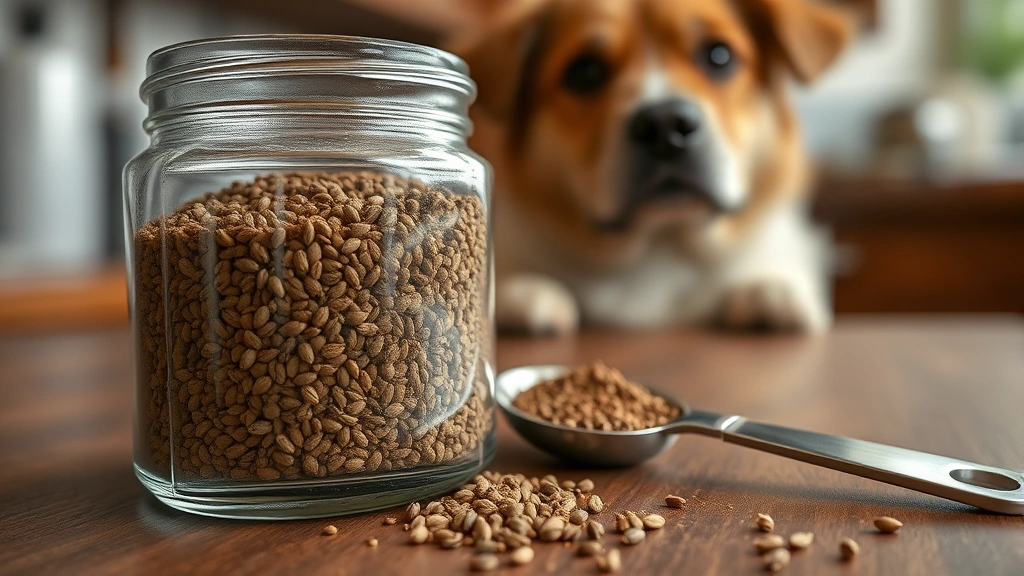
Safe amounts: A light sprinkle (roughly 1/8 to 1/4 teaspoon) of plain, unsalted cumin per day is safe for most adult dogs. For smaller breeds or puppies, use even less—about a pinch. Large breed dogs might tolerate slightly more, but there’s no nutritional benefit to increasing the amount.
Frequency: Cumin should be an occasional addition, not a daily staple. Offer it no more than 2-3 times per week to minimize the risk of digestive upset.
Age considerations: Puppies have developing digestive systems and should avoid spices entirely. Senior dogs with digestive sensitivities should also skip cumin. Adult dogs in good health are the best candidates for occasional cumin exposure.
Size matters: A Great Dane can handle more cumin than a Chihuahua simply due to body mass differences. Always adjust portions based on your dog’s size and individual tolerance.
Start with the smallest possible amount and observe your dog for 24-48 hours. If there are no negative reactions, you can safely offer that amount occasionally. If any digestive upset occurs, discontinue use immediately.
Safe Preparation Tips
If you decide to include cumin in your dog’s diet, follow these guidelines to ensure maximum safety:
- Use pure cumin only: Buy whole cumin seeds or pure ground cumin from the spice aisle. Avoid pre-made seasoning blends, curry powders, or taco seasoning, which contain multiple spices and additives that may be harmful.
- No salt or additives: Never use salted or processed cumin products. The added sodium is unnecessary and potentially dangerous for your dog.
- Mix with appropriate foods: Sprinkle a tiny amount on plain cooked chicken, rice, or pumpkin puree. These bland bases won’t upset your dog’s stomach and complement cumin’s flavor well. You might also add it to homemade dog treats made with dog-safe ingredients like broccoli or corn.
- Cook properly: If using whole cumin seeds, grind them fresh for maximum freshness and to ensure your dog doesn’t choke on whole seeds.
- Avoid human dishes: Don’t share your seasoned meals directly. Most human foods containing cumin have too much salt, fat, and other problematic ingredients for dogs.
- Store safely: Keep cumin and all spices in sealed containers, stored out of your dog’s reach. Accidental ingestion of large amounts could cause problems.
- Watch for allergic reactions: After first introduction, monitor for itching, swelling, difficulty breathing, or gastrointestinal symptoms. These warrant immediate veterinary attention.
Spices Dogs Should Never Eat
While cumin is safe, many common spices are dangerous for dogs. Understanding which spices to avoid is crucial for your dog’s safety.
Toxic spices include:
- Garlic and onion powder: These contain compounds that damage dogs’ red blood cells and can cause hemolytic anemia. Even small amounts are dangerous.
- Nutmeg: This spice can cause neurological symptoms including tremors, seizures, and central nervous system damage.
- Cinnamon: While small amounts aren’t toxic, cinnamon can cause mouth irritation, low blood sugar, and liver disease in large quantities.
- Chili powder and cayenne: These hot spices irritate the digestive tract and can cause vomiting, diarrhea, and stomach pain.
- Mustard seeds: These can cause gastroenteritis and digestive upset.
- Black pepper: While not toxic, excessive black pepper irritates the stomach and respiratory system.
When in doubt, consult the ASPCA’s list of foods to avoid or contact your veterinarian before introducing any new spice to your dog’s diet.
FAQ
Is ground cumin safe for dogs?
Yes, plain ground cumin is safe for dogs in very small amounts. However, pre-ground cumin may have additives or higher sodium content than whole seeds. Always check the label to ensure it’s pure cumin with no added salt or ingredients.
What if my dog ate cumin-seasoned food?
If your dog consumed a small amount of food lightly seasoned with cumin, monitor them for 24-48 hours for signs of digestive upset like vomiting, diarrhea, or letharness. Most dogs are fine with minor exposure. However, if the food also contained garlic, onions, excessive salt, or other toxic ingredients, contact your veterinarian immediately or call the ASPCA Animal Poison Control Center at (888) 426-4435.
Can cumin help with my dog’s digestion?
While cumin has traditionally been used to support digestion in humans, scientific evidence for this benefit in dogs is limited. If your dog has digestive issues, consult your veterinarian for evidence-based treatments rather than relying on spices. Conditions like chronic diarrhea may require dietary changes or medical intervention.
Are there any dog breeds that shouldn’t eat cumin?
Dogs with sensitive digestive systems, regardless of breed, should avoid cumin. Breeds prone to pancreatitis, gastric sensitivity, or allergies should especially avoid spiced foods. Senior dogs and puppies should also skip cumin due to their more delicate digestive systems.
Can I give my dog cumin as a flea or parasite treatment?
No. While cumin has antimicrobial properties, it is not an effective or safe substitute for veterinary-approved flea and parasite treatments. Always use medications prescribed by your veterinarian for pest prevention and treatment.
What should I do if my dog has an allergic reaction to cumin?
If your dog shows signs of an allergic reaction—such as facial swelling, hives, difficulty breathing, or severe gastrointestinal symptoms—discontinue cumin immediately and contact your veterinarian or emergency animal hospital. Have the ingredient list available to share with your vet.
Is cumin better than other seasonings for dogs?
Cumin is relatively safer than many common seasonings like garlic, onion, and hot peppers. However, the safest option for dogs is unseasoned food. If you want to enhance your dog’s meal, plain herbs like dog-safe parsley or a small amount of low-sodium broth are better choices than any spice.
Can puppies eat cumin?
Puppies have developing digestive systems and should avoid all spices, including cumin. Stick to age-appropriate puppy food formulated for their nutritional needs. Once your dog reaches adulthood (timing depends on breed), you can cautiously introduce tiny amounts of plain cumin if desired.