
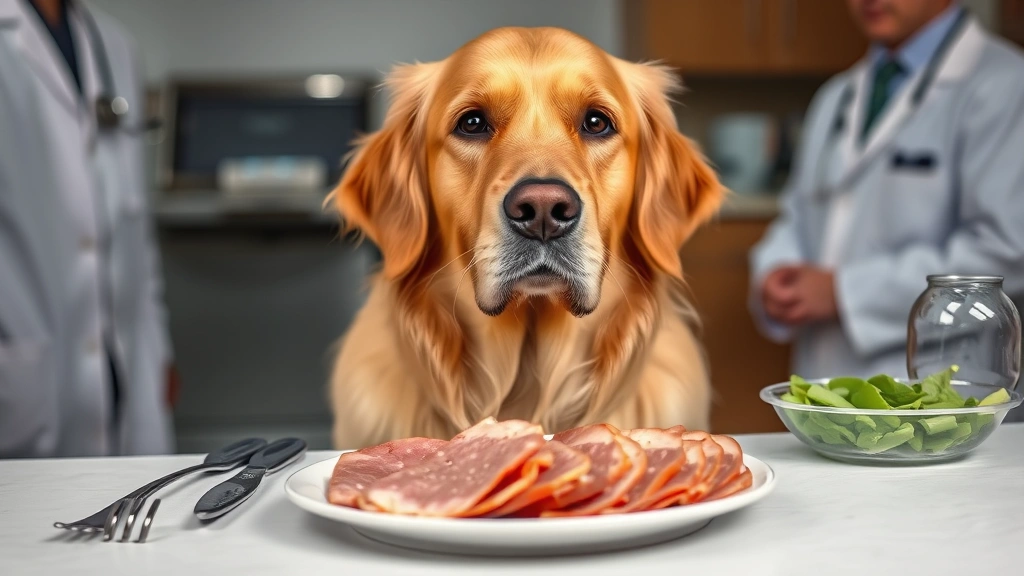
Deli meat is a tempting treat that many dog owners consider sharing with their furry companions. However, the question “can dogs eat deli meat?” requires a nuanced answer. While small amounts of plain deli meat occasionally won’t necessarily harm your dog, most deli meats are far from ideal for canine nutrition due to their high sodium content, preservatives, and potential health risks. Understanding what makes deli meat problematic and what safer alternatives exist will help you make informed decisions about your dog’s diet.
As a responsible pet owner, you want to provide your dog with foods that support their health and longevity. Deli meats—including turkey, ham, roast beef, and salami—pose several concerns that veterinarians consistently warn about. This guide will walk you through the risks, safe serving practices if you choose to offer deli meat, and healthier alternatives that satisfy your dog’s cravings without compromising their wellbeing.
Why Deli Meat Is Problematic for Dogs
Deli meat presents multiple nutritional and health concerns for dogs that go beyond simple digestibility. Unlike fresh, home-cooked proteins, commercial deli meats are highly processed products designed for human palates and preservation standards. The processing methods used to create deli meats introduce substances and nutrient profiles that don’t align with canine dietary needs.
The primary concern veterinarians raise about deli meat is its composition. Deli meats are typically loaded with added sodium, which far exceeds what dogs require in their daily diet. Additionally, many deli meats contain nitrates, nitrites, and other chemical preservatives that help extend shelf life but provide no nutritional benefit to dogs. Some deli meats also contain garlic and onion powder as flavoring agents, which are toxic to dogs and can damage their red blood cells.
Dogs have different metabolic processes than humans, meaning they cannot efficiently process or eliminate certain compounds found in processed meats. Their kidneys, in particular, are sensitive to excessive sodium intake, and their digestive systems are optimized for whole proteins rather than the fragmented, processed proteins found in deli meats.
Sodium Content and Health Risks
One of the most significant dangers of deli meat for dogs is its sodium content. A single slice of deli meat can contain 300-400 milligrams of sodium, which represents a substantial portion of a small dog’s daily sodium requirement. The Association of American Feed Control Officials (AAFCO) recommends that adult dogs consume no more than 0.3% sodium on a dry matter basis, which translates to roughly 100-150 milligrams per pound of body weight daily.
Excessive sodium intake in dogs can lead to several health complications:
- Hypertension: High sodium consumption raises blood pressure, which can strain the cardiovascular system and lead to heart disease over time
- Kidney stress: Dogs’ kidneys must work harder to filter excess sodium, potentially leading to chronic kidney disease
- Dehydration: Sodium causes water retention and can contribute to dehydration if adequate fresh water isn’t available
- Electrolyte imbalances: Disrupted sodium levels affect other essential minerals and can cause serious metabolic issues
Senior dogs, puppies, and dogs with pre-existing health conditions like heart disease or kidney problems are particularly vulnerable to sodium-related complications. Even a seemingly small treat of deli meat can disrupt the delicate electrolyte balance these dogs require.
Preservatives and Additives
Beyond sodium, deli meats contain numerous chemical preservatives and additives that pose health risks to dogs. Nitrates and nitrites, commonly used to preserve deli meats and give them their characteristic color, have been linked to cancer in both humans and animals when consumed regularly over time. Research published in veterinary journals suggests that dogs consuming processed meats with high nitrate content may have increased cancer risk.
Many deli meats also contain phosphates, another additive used for preservation and moisture retention. Excessive phosphate consumption can interfere with calcium absorption and contribute to bone health issues in dogs, particularly in growing puppies and senior dogs.
Spices and flavoring agents present another concern. While plain turkey or chicken deli meat might seem harmless, many varieties contain garlic powder or onion powder as flavoring. Both garlic and onions contain compounds called thiosulfates that damage dogs’ red blood cells and can cause hemolytic anemia. Even small amounts of garlic or onion powder can be toxic to dogs, making flavored deli meats particularly dangerous.
Some deli meats also contain sugar and corn syrup, which contribute unnecessary calories and can lead to obesity and dental problems in dogs. Obesity itself is a major health concern for canines, increasing the risk of joint problems, diabetes, and other serious conditions.

Safe Deli Meat Guidelines
If you absolutely must offer your dog deli meat, following strict guidelines can minimize potential harm. The key is treating deli meat as an extremely occasional treat, not a regular part of your dog’s diet. Here’s how to do it safely:
- Choose the plainest option available: Select deli meats with the fewest ingredients and no added garlic, onion, or excessive spices
- Limit portion size: Offer no more than a small piece (roughly the size of your pinky finger) once every few weeks or less
- Rinse the meat: Briefly rinse the deli meat under water to remove some surface sodium before serving
- Avoid giving it regularly: Never make deli meat a routine treat—reserve it for occasional special occasions
- Monitor your dog: Watch for any signs of digestive upset, excessive thirst, or behavioral changes after offering deli meat
- Consider your dog’s health status: Avoid deli meat entirely if your dog has heart disease, kidney problems, or other conditions requiring sodium restriction
Remember that even following these guidelines, deli meat provides minimal nutritional value to your dog. The risks, however small they may be with proper precautions, generally outweigh any benefits. Your dog won’t miss out nutritionally if you never offer deli meat.
Healthier Protein Alternatives
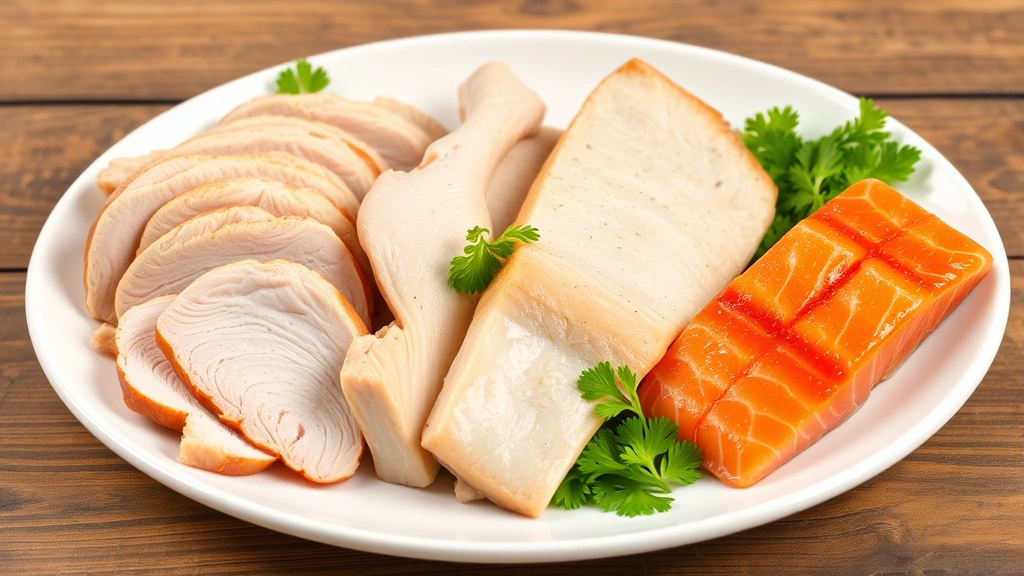
Instead of deli meat, numerous healthier protein options satisfy your dog’s cravings while providing genuine nutritional benefits. Fresh, cooked proteins are far superior to processed deli meats in every nutritional aspect.
Excellent protein alternatives include:
- Plain cooked chicken: Boil or bake chicken breast without seasoning for a lean, safe protein source
- Plain cooked turkey: Similar to chicken, fresh turkey provides excellent protein without the additives found in deli turkey
- Lean beef: Cook ground beef or beef chunks without seasonings for a protein-rich treat
- Fish: Salmon and other fatty fish provide protein plus omega-3 fatty acids beneficial for coat and joint health
- Eggs: Cooked eggs offer complete proteins and are safe for most dogs in moderation
- Plain Greek yogurt: This provides protein and probiotics, though it should be unsweetened and given in small amounts
You can also incorporate vegetables like carrots, broccoli, and corn alongside these proteins for added nutrition and fiber. Cheese can be offered sparingly as a high-value treat, and rice serves as a healthy carbohydrate base for homemade dog meals.
These alternatives provide complete, whole proteins without the sodium overload, chemical preservatives, or toxic additives found in deli meats. Your dog will be healthier and happier with these nutritious options.
Signs of Deli Meat Toxicity
If your dog has consumed deli meat, particularly if it contained garlic or onion, watch for these warning signs that indicate a problem:
- Vomiting or diarrhea: Digestive upset is often the first sign of trouble
- Lethargy and weakness: If your dog seems unusually tired or weak, this could indicate anemia from garlic/onion toxicity or electrolyte imbalance
- Pale gums: This suggests reduced red blood cells and requires immediate veterinary attention
- Excessive thirst and urination: These signs indicate electrolyte imbalance or kidney stress
- Loss of appetite: Sudden disinterest in food warrants investigation
- Rapid or labored breathing: This is a serious sign requiring emergency care
- Abdominal pain: Whining, restlessness, or a hunched posture indicates discomfort
If you observe any of these signs after your dog consumes deli meat, contact your veterinarian immediately. Be prepared to tell them exactly what your dog ate, how much, and when. This information helps your vet determine the appropriate treatment.
FAQ
Is it okay to give my dog deli meat as an occasional treat?
While a tiny piece of plain deli meat occasionally won’t necessarily cause immediate harm, it’s not recommended even as an occasional treat. The sodium content and preservatives pose health risks that accumulate over time. Healthier alternatives like plain cooked chicken provide better nutrition without any risk.
Which deli meats are safest for dogs?
If you must offer deli meat, plain turkey or chicken breast with minimal additives are the safest options. However, even these should be offered extremely rarely and in very small amounts. Always check the ingredient list for garlic, onion, nitrates, and excessive sodium.
Can deli meat cause pancreatitis in dogs?
While deli meat’s high fat content could potentially contribute to pancreatitis in susceptible dogs, acute pancreatitis is more commonly triggered by high-fat foods like fatty meats or fried foods. However, the overall unhealthy composition of deli meat makes it a poor choice for any dog.
What should I do if my dog ate deli meat?
If your dog ate a small amount of plain deli meat without garlic or onion, monitor them closely for any signs of digestive upset. If they ate deli meat containing garlic, onion, or if they consumed a large quantity, contact your veterinarian. Provide them with fresh water and watch for the warning signs mentioned above.
Are all processed meats bad for dogs?
Most processed meats are problematic for dogs due to their high sodium content and chemical preservatives. However, some commercial dog treats made from processed meat are formulated specifically for canine nutrition and contain lower sodium levels. Always check the label and consult your vet about specific products.
Can puppies have deli meat?
Puppies should absolutely avoid deli meat. Their developing bodies are even more sensitive to sodium and chemical additives. Growing puppies need carefully balanced nutrition, and deli meat interferes with proper nutrient absorption and electrolyte balance during critical growth phases.
Is fresh deli counter meat better than packaged deli meat?
Fresh deli counter meat is sometimes slightly lower in sodium than pre-packaged varieties, but it still contains significant amounts of salt and often includes preservatives. The difference is minimal enough that fresh deli meat should be treated the same way as packaged varieties—as something to avoid for your dog’s health.





