
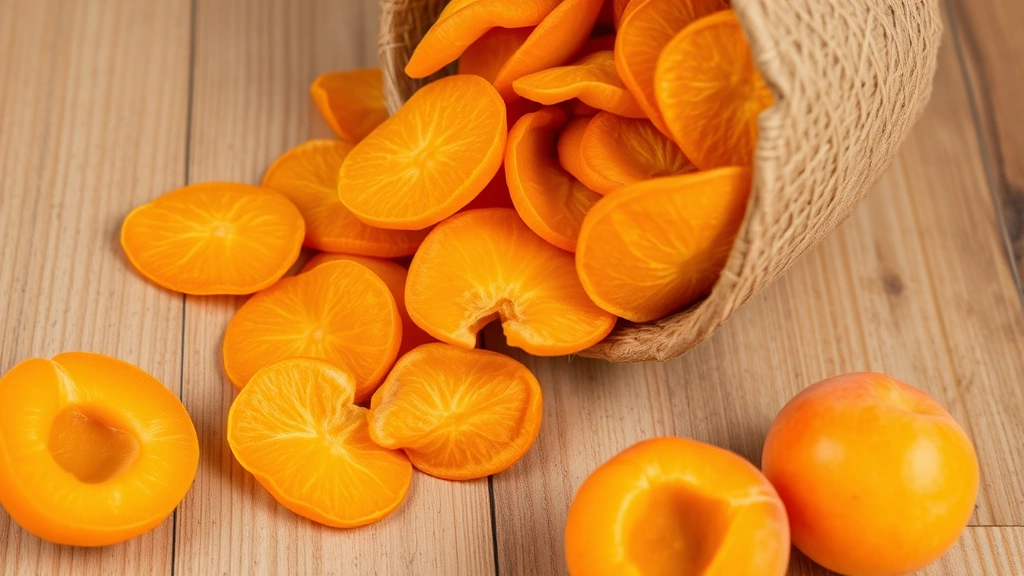
Can Dogs Eat Dried Apricots?
As a dog owner, you want the best for your furry companion, and that includes making informed decisions about their diet. One question that frequently comes up is whether dried apricots are safe for dogs to consume. While fresh apricots can be enjoyed by dogs in moderation, dried apricots present a different set of considerations that every responsible pet owner should understand. This comprehensive guide will explore the safety, nutritional aspects, and proper guidelines for offering dried apricots to your canine friend.
Dried apricots are a popular human snack, but the drying process concentrates both the sugars and other compounds in the fruit. This concentration means that what might be acceptable in small amounts as fresh fruit becomes potentially problematic in dried form. Understanding the risks and benefits is essential before sharing any portion of your snack with your dog.
Your dog’s health and safety depend on your knowledge of which foods are appropriate for them. Let’s dive into the details of dried apricots and their effects on canine health, including what veterinarians and pet nutrition experts recommend.
Table of Contents
- Safety Overview of Dried Apricots
- Why Dried Apricots Are Problematic for Dogs
- High Sugar Content Concerns
- Potential Toxicity Risks
- Digestive Issues and Choking Hazards
- Safe Fruit Alternatives for Dogs
- Proper Feeding Guidelines
- Frequently Asked Questions
Safety Overview of Dried Apricots
The short answer to whether dogs can eat dried apricots is: not recommended. While dried apricots are not inherently toxic to dogs like grapes or chocolate, they present multiple concerns that make them unsuitable as a regular treat. According to the American Kennel Club’s expert advice on apricots, the primary concern centers on the concentrated sugars and potential additives found in commercially processed dried apricots.
Many dried apricots on store shelves contain added sugars, sulfites, and other preservatives that can upset a dog’s digestive system or contribute to obesity and dental problems. Additionally, the dried form presents physical hazards that fresh fruit does not pose. If you’re curious about fresh apricots, you may want to learn more about can dogs have apricots in their natural state, which is a safer option if given appropriately.
Why Dried Apricots Are Problematic for Dogs
Dried apricots concentrate the natural sugars present in fresh apricots, making them significantly sweeter and more calorie-dense. A single dried apricot contains roughly the same amount of sugar as several fresh apricots. For dogs, especially those prone to obesity or with pre-existing health conditions like diabetes, this concentrated sugar source can be particularly problematic.
The drying process removes water content but leaves all the beneficial fiber and nutrients intact—along with the sugars. This means your dog is consuming more sugar per bite than they would from fresh fruit. When considering treats for your dog, understanding the broader category of can dogs eat dried fruit becomes important, as most dried fruits share this concern.
Beyond sugar content, many commercial dried apricots are treated with preservatives such as sulfur dioxide, which helps maintain color and prevent spoilage. While these preservatives are generally recognized as safe for human consumption in regulated amounts, dogs have different digestive systems and tolerance levels. Some dogs may experience gastrointestinal upset from these additives.
High Sugar Content Concerns
The concentration of natural sugars in dried apricots is one of the most significant concerns for canine health. Dogs don’t require sugar in their diet, and excessive sugar consumption can lead to several health problems:
- Obesity: Extra calories from sugar contribute to weight gain, which increases the risk of joint problems, heart disease, and diabetes.
- Dental Issues: Sugar feeds harmful bacteria in the mouth, leading to tooth decay and gum disease.
- Diabetes: Dogs consuming high-sugar diets are at increased risk of developing diabetes, particularly as they age.
- Pancreatitis: High-fat or high-sugar treats can trigger inflammation of the pancreas in susceptible dogs.
- Nutrient Imbalance: Treating your dog with sugary foods can prevent them from getting balanced nutrition from their regular diet.
Even small amounts of dried apricots should be avoided for puppies, senior dogs, or those with weight management issues. According to American Humane’s fact sheet on fruits for dogs, treats should make up no more than 10% of a dog’s daily caloric intake, making dried fruits particularly poor choices due to their caloric density.
Potential Toxicity Risks
While dried apricots themselves are not toxic like some other fruits, there are specific risks associated with their consumption. The kernels inside apricots contain amygdalin, a compound that can convert to cyanide when digested. Though fresh apricots are safer because dogs typically spit out the pits, dried apricots don’t have pits, but the concern about potential cyanogenic compounds remains a consideration.
Additionally, if dried apricots are processed with sulfites or other chemical preservatives, there’s a potential for adverse reactions. Some dogs are sensitive to sulfites and may experience symptoms including vomiting, diarrhea, or allergic reactions. If you’ve given your dog dried apricots and notice any unusual symptoms, consult your veterinarian immediately.
For a better understanding of which dried fruits carry similar or greater risks, you might explore can dogs eat figs and can dogs have dates, as these share comparable concerns with dried apricots.
Digestive Issues and Choking Hazards
The physical characteristics of dried apricots create unique hazards for dogs. Their chewy texture can pose a choking risk, particularly for dogs who don’t chew thoroughly before swallowing. Smaller breed dogs and those with a tendency to gulp their food are especially vulnerable.
Additionally, dried apricots can cause gastrointestinal issues beyond sugar concerns. The high fiber content, while beneficial in moderation, can lead to constipation or diarrhea if consumed in larger quantities. Some dogs may also experience bloating or gas from the difficulty their digestive system has in processing the dense, chewy texture.
The concentrated nature of dried fruit means that even a small amount can cause digestive upset in sensitive dogs. If your dog accidentally consumes dried apricots, monitor them for signs of digestive distress including vomiting, diarrhea, loss of appetite, or abdominal pain. Contact your veterinarian if symptoms persist.

Safe Fruit Alternatives for Dogs
Rather than offering dried apricots, there are many safer fruit options that your dog can enjoy. Fresh fruits provide hydration and fiber without the concentrated sugars found in dried versions. According to WebMD’s guide to safe foods for dogs, several fruits are excellent choices for canine treats.
Safe fruit options for dogs include:
- Apples: Remove the seeds and core, and offer in small slices. Fresh apples are low in calories and provide natural fiber.
- Bananas: High in potassium and B vitamins, bananas can be given in small amounts due to their sugar content.
- Watermelon: Mostly water with minimal calories, watermelon is refreshing and safe (remove seeds and rind).
- Blueberries: Small, easy to portion, and packed with antioxidants, blueberries are an excellent choice.
- Strawberries: Low in calories and safe for dogs, strawberries make a tasty occasional treat.
- Pumpkin: Plain pumpkin (not pie filling) is beneficial for digestive health.
For guidance on related stone fruits, you may want to explore can dogs have plums and can dogs have peaches, as understanding similar fruits helps you make informed decisions about your dog’s diet.
Proper Feeding Guidelines
If you’re unsure about any food for your dog, the safest approach is to consult your veterinarian before introducing it. Different dogs have different dietary needs based on their age, size, health status, and breed. What’s safe for one dog might not be appropriate for another.
When introducing any new food to your dog’s diet, follow these guidelines:
- Start Small: Offer a tiny amount first to observe for any adverse reactions.
- Monitor for 24-48 Hours: Watch for signs of digestive upset, allergic reactions, or behavioral changes.
- Space Out Introduction: Don’t introduce multiple new foods simultaneously, making it difficult to identify which might cause issues.
- Maintain Balance: Treats should comprise no more than 10% of daily caloric intake.
- Consult Your Vet: For dogs with health conditions, always ask your veterinarian before offering new treats.
According to the Humane Society’s resource on what dogs can eat, maintaining a balanced diet is crucial for long-term health and prevents many preventable health issues.
You might also be interested in learning about can dogs eat mandarin oranges as another example of how to evaluate citrus fruits for your pet.
Frequently Asked Questions
What should I do if my dog ate dried apricots?
If your dog consumed a small amount of dried apricots, monitor them closely for signs of digestive upset including vomiting, diarrhea, or abdominal pain. Most dogs will be fine after consuming one or two dried apricots, but contact your veterinarian if you notice any concerning symptoms. If your dog consumed a large quantity, call your vet immediately.
Are dried apricots toxic to dogs like grapes and raisins?
Dried apricots are not toxic to dogs in the same way that grapes and raisins are, which can cause kidney failure. However, they are still not recommended due to high sugar content, potential preservatives, and choking hazards. Learn more about the broader category by reading about can dogs eat dried fruit from the American Kennel Club.
Can puppies eat dried apricots?
No, puppies should not eat dried apricots. Puppies have developing digestive systems and are particularly sensitive to high-sugar foods and potential additives. Their dietary needs are best met through high-quality puppy food formulated for their nutritional requirements.
How much dried apricot is safe for a dog?
The safest amount of dried apricots for dogs is zero. However, if your dog accidentally consumes dried apricots, small quantities are unlikely to cause serious harm. To be safe, avoid offering dried apricots intentionally and instead provide dog-safe alternatives.
What’s the difference between fresh and dried apricots for dogs?
Fresh apricots are significantly safer than dried apricots because they contain more water, less concentrated sugar, and don’t present the same choking hazard. However, even fresh apricots should only be given occasionally and in very small quantities. Always remove the pit from fresh apricots before offering them to your dog.
Can dried apricots cause pancreatitis in dogs?
While dried apricots themselves don’t typically cause pancreatitis, their high sugar content and potential fat content can trigger inflammation of the pancreas in susceptible dogs. Dogs with a history of pancreatitis should avoid dried apricots entirely and stick to low-fat, low-sugar treats recommended by their veterinarian.
Are there health benefits to dried apricots that might outweigh the risks for dogs?
Dried apricots do contain some beneficial nutrients including fiber, vitamins, and minerals. However, these benefits don’t outweigh the risks for dogs. Dogs can obtain all necessary nutrients from a balanced commercial dog food diet, and the concentrated sugars and additives in dried apricots make them an unnecessary and potentially harmful choice. According to PetMD’s expert advice on apricots, the risks significantly outweigh any potential benefits.





