

As pet parents, we often find ourselves questioning what scraps and leftovers are safe to share with our furry companions. One common kitchen byproduct that raises eyebrows is the humble eggshell. After preparing a delicious scrambled egg breakfast, you might notice your dog eyeing those discarded shells with curiosity, leaving you wondering: can dogs eat egg shells safely?
The short answer is yes, but with important caveats. Eggshells can actually provide nutritional benefits for dogs when prepared and served correctly. However, improper preparation or feeding methods can pose serious health risks. Understanding the proper way to incorporate eggshells into your dog’s diet requires knowledge of preparation techniques, portion control, and potential hazards.
This comprehensive guide will explore everything you need to know about feeding eggshells to your canine companion, from nutritional benefits to safety precautions, ensuring you can make informed decisions about this calcium-rich supplement.
Nutritional Benefits of Eggshells for Dogs
Eggshells are primarily composed of calcium carbonate, making them an excellent natural source of calcium for dogs. This essential mineral plays a crucial role in maintaining strong bones, healthy teeth, and proper muscle function. A single eggshell contains approximately 2 grams of calcium, which can significantly contribute to your dog’s daily calcium requirements.
Beyond calcium, eggshells also contain trace amounts of other beneficial minerals including magnesium, phosphorus, and potassium. These minerals work synergistically to support various bodily functions, from nerve transmission to enzyme activation. The calcium-to-phosphorus ratio in eggshells is particularly favorable for dogs, closely matching their nutritional needs.
For dogs following homemade diets or those with specific calcium deficiencies, properly prepared eggshells can serve as a cost-effective supplement. This is especially valuable for large breed puppies and pregnant or lactating females who have increased calcium requirements. However, it’s important to note that dogs eating commercial dog foods typically receive adequate calcium and may not need additional supplementation.
Safety Concerns and Potential Risks
While eggshells can be beneficial, they also present several safety concerns that pet owners must address. Raw eggshells can harbor dangerous bacteria like Salmonella, which can cause severe gastrointestinal illness in dogs. The rough, sharp edges of improperly prepared eggshells can also cause choking hazards or damage to the digestive tract.
Another significant concern is the risk of calcium oversupplementation. Too much calcium can lead to skeletal abnormalities in growing puppies, kidney stones, and interference with the absorption of other essential minerals like iron and zinc. Large breed puppies are particularly susceptible to calcium excess, which can cause developmental orthopedic diseases.
The source of the eggs also matters considerably. Eggs from unknown sources or those that haven’t been properly stored may carry additional risks. Factory-farmed eggs may contain residues from antibiotics or other chemicals that could potentially harm your dog. Always choose high-quality, preferably organic eggs when planning to use the shells as supplements.
Some dogs may also have individual sensitivities or allergies to eggs or eggshells, manifesting as digestive upset, skin irritation, or other adverse reactions. It’s crucial to introduce any new food item gradually and monitor your dog for any signs of intolerance.
How to Properly Prepare Eggshells for Dogs
Proper preparation is absolutely essential when feeding eggshells to dogs. The first step involves thoroughly washing the eggshells with warm water to remove any egg residue and potential bacteria. After washing, the shells must be completely dried, either by air-drying for several hours or using a low-temperature oven setting.
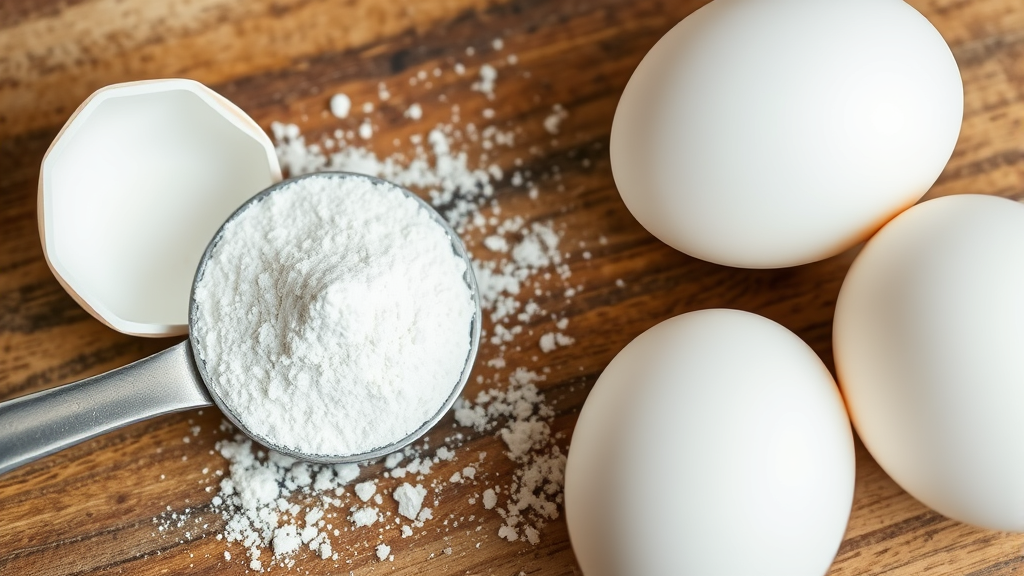
Once dried, the shells need to be ground into a fine powder using a coffee grinder, food processor, or mortar and pestle. The powder should be fine enough that no sharp edges remain, as these could potentially cause internal injuries. Some pet owners prefer to bake the shells at 200°F for 10-15 minutes before grinding to further eliminate any bacterial contamination.
Storage of the prepared eggshell powder is equally important. The powder should be kept in an airtight container in a cool, dry place and used within a few weeks to maintain freshness and prevent bacterial growth. Never store prepared eggshell powder in humid environments or for extended periods.
For those who prefer a more convenient option, commercially available eggshell supplements designed specifically for pets are available. These products have been processed under controlled conditions and may be a safer alternative for pet owners who want to avoid the preparation process entirely.

Serving Size and Frequency Guidelines
Determining the appropriate serving size for eggshells requires careful consideration of your dog’s size, age, and current diet. As a general guideline, most dogs should receive no more than 1/2 teaspoon of finely ground eggshell powder per 10 pounds of body weight per day. This amount should be divided into multiple meals rather than given all at once.
For small dogs weighing less than 20 pounds, a pinch of eggshell powder (approximately 1/8 teaspoon) every few days is typically sufficient. Medium-sized dogs (20-50 pounds) can handle about 1/4 teaspoon daily, while large dogs (50+ pounds) may receive up to 1/2 teaspoon daily. However, these are general guidelines, and individual needs may vary.
It’s crucial to start with much smaller amounts when first introducing eggshells to your dog’s diet. Begin with just a tiny pinch mixed into their regular food and observe for any adverse reactions over several days. Gradually increase the amount only if your dog tolerates the initial introduction well.
The frequency of feeding should also be considered carefully. Rather than daily supplementation, many veterinarians recommend offering eggshell powder 2-3 times per week to prevent over-supplementation. Dogs eating high-quality commercial foods may need even less frequent supplementation, if any at all.
Alternative Calcium Sources for Dogs
While eggshells can be a viable calcium source, several alternatives may be safer or more convenient for many pet owners. Commercial calcium supplements designed specifically for dogs are formulated to provide appropriate amounts without the risks associated with home preparation. These supplements often include additional beneficial nutrients and are easier to dose accurately.
Natural food sources can also provide calcium in safer forms. Small fish with soft bones, such as canned sardines or mackerel, offer calcium along with beneficial omega-3 fatty acids. Plain yogurt and cottage cheese can provide calcium, though pet owners should be aware that some dogs are lactose intolerant. Just like with other dairy products, you should know whether can dogs eat cheese and whether can dogs drink milk before introducing these foods.
Bone meal, when sourced from reputable suppliers, can provide calcium and phosphorus in appropriate ratios. However, this option requires careful sourcing to avoid contamination with heavy metals or other toxins. Some vegetables also contain calcium, though in smaller amounts. Can dogs eat broccoli and can dogs eat cauliflower are questions many pet owners ask, as these vegetables do contain some calcium along with other nutrients.
For dogs following homemade diets, working with a veterinary nutritionist is often the best approach to ensure proper calcium supplementation. These professionals can create balanced meal plans that meet all nutritional requirements without the guesswork involved in home supplementation.
When to Avoid Eggshells Completely
Certain dogs should never receive eggshells as supplements, regardless of preparation method. Puppies under six months of age should not receive additional calcium supplementation unless specifically recommended by a veterinarian, as excess calcium can severely impact proper skeletal development. Large breed puppies are particularly susceptible to calcium-related developmental issues.
Dogs with existing kidney problems or a history of kidney stones should avoid eggshell supplementation entirely. The high calcium content can exacerbate these conditions and potentially lead to serious complications. Similarly, dogs with certain heart conditions or those taking specific medications may need to avoid additional calcium intake.
If your dog has a known egg allergy, eggshells are obviously off-limits. Some dogs may also develop sensitivities to calcium carbonate specifically, manifesting as digestive upset or other symptoms. Dogs with sensitive stomachs or those prone to gastrointestinal issues may be better served with alternative calcium sources.
Pregnant and lactating dogs require careful calcium management, and supplementation should only be done under veterinary supervision. While these dogs have increased calcium needs, improper supplementation can lead to serious complications like eclampsia or developmental issues in puppies.
According to the American Veterinary Medical Association, any dietary supplements should be discussed with your veterinarian before implementation. The American Kennel Club also emphasizes the importance of balanced nutrition and proper veterinary guidance when considering dietary additions for dogs.
Frequently Asked Questions
Can I give my dog raw eggshells?
No, raw eggshells should never be given to dogs due to the risk of bacterial contamination, particularly Salmonella. Raw shells also present choking hazards and can cause internal injuries due to their sharp edges. Always thoroughly clean, dry, and grind eggshells into a fine powder before offering them to your dog.
How much eggshell powder should I give my dog?
The general guideline is no more than 1/2 teaspoon of finely ground eggshell powder per 10 pounds of body weight per day. However, start with much smaller amounts (a tiny pinch) and gradually increase only if your dog tolerates it well. Most dogs eating commercial dog food don’t need additional calcium supplementation.
Are there any dogs that shouldn’t eat eggshells?
Yes, several categories of dogs should avoid eggshells entirely: puppies under six months, dogs with kidney problems or history of kidney stones, dogs with egg allergies, and dogs with certain heart conditions. Large breed puppies are particularly susceptible to problems from excess calcium intake.
What are the signs of calcium overdose in dogs?
Signs of calcium oversupplementation can include constipation, decreased appetite, vomiting, excessive urination and thirst, lethargy, and in severe cases, kidney stones or skeletal abnormalities. Large breed puppies may develop developmental orthopedic diseases from too much calcium.
Can eggshells replace commercial calcium supplements?
While properly prepared eggshells can provide calcium, they shouldn’t automatically replace veterinary-recommended supplements without professional guidance. Commercial supplements are formulated for proper dosing and often include additional beneficial nutrients. Always consult your veterinarian before making changes to your dog’s supplement regimen.
How should I store prepared eggshell powder?
Store eggshell powder in an airtight container in a cool, dry place away from moisture and light. Use the powder within a few weeks of preparation to ensure freshness and prevent bacterial growth. Never store the powder in humid environments or keep it for extended periods.
What’s the best way to introduce eggshells to my dog’s diet?
Start very slowly with just a tiny pinch of finely ground eggshell powder mixed into your dog’s regular food. Monitor for any adverse reactions over several days before gradually increasing the amount. Similar to introducing other foods like can dogs eat rice or are carrots good for dogs, patience and observation are key to successful dietary additions.





