
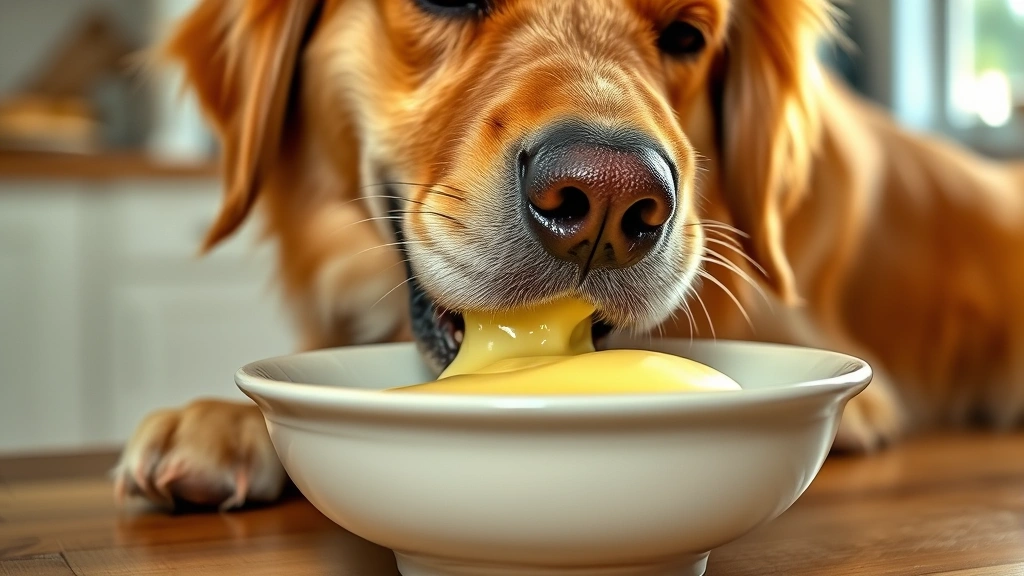
Can Dogs Eat Egg Whites? Safe Feeding Guide
If you’re like most dog parents, you’ve probably wondered what human foods are safe to share with your furry best friend. Eggs are a staple in many households, and it’s natural to ask whether your pup can enjoy them too. The good news? Yes, dogs can eat egg whites! In fact, egg whites are a nutritious, protein-packed treat that many veterinarians recommend as an occasional snack or meal topper.
But before you start cracking eggs into your dog’s bowl, there are some important things you need to know. Not all egg preparations are created equal, and there are specific guidelines you should follow to keep your canine companion healthy and happy. This comprehensive guide will walk you through everything you need to know about feeding egg whites to your dog, including preparation methods, portion sizes, potential risks, and delicious ways to incorporate them into your pup’s diet.
Whether you’re looking for a high-protein training treat or a nutritious meal addition, understanding the ins and outs of egg white feeding will help you make the best choices for your dog’s health and wellness.
Nutritional Benefits of Egg Whites for Dogs
Egg whites are nutritional powerhouses for dogs, containing an impressive array of beneficial compounds. The primary benefit is their high-quality protein content, which is essential for building and maintaining muscle mass, supporting immune function, and promoting overall health. Proteins are made up of amino acids, and eggs contain all nine essential amino acids that dogs need but cannot produce on their own.
Beyond protein, egg whites provide several other valuable nutrients. They contain B vitamins, particularly riboflavin and choline, which support cognitive function and energy metabolism. Selenium, an important antioxidant mineral, is also present in egg whites and helps protect your dog’s cells from oxidative stress. Additionally, egg whites contain lutein, a nutrient beneficial for eye health—something particularly important as your dog ages.
What makes egg whites particularly appealing to many dog owners is their low caloric content compared to whole eggs. A single egg white contains approximately 17 calories and 3.6 grams of protein, making them an excellent choice for weight-conscious pups or dogs on calorie-restricted diets. This is why many trainers recommend egg whites as rewards during training sessions without worrying about excessive calorie intake.
The Association of American Feed Control Officials (AAFCO) recognizes eggs as a complete and balanced protein source for dogs, which speaks volumes about their nutritional value. Many premium dog food brands include eggs in their ingredient lists specifically because of these health benefits.
Safety Considerations
While egg whites are generally safe for dogs, it’s crucial to understand the specific safety guidelines to avoid potential health issues. The most important rule is to always cook egg whites before serving them to your dog. Raw egg whites can pose several risks that every responsible dog owner should be aware of.
Raw eggs may contain harmful bacteria, particularly Salmonella, which can cause serious gastrointestinal infections in both dogs and humans. While dogs have stronger stomach acid than humans and can tolerate some bacterial exposure better, they’re not immune to foodborne illness. Additionally, raw egg whites contain avidin, a protein that can interfere with thiamine (vitamin B1) absorption. Over time, this could lead to thiamine deficiency, which causes neurological problems.
The good news is that cooking egg whites neutralizes both the bacterial risk and the avidin concern. Heat breaks down avidin, making the nutrients more bioavailable and beneficial for your dog. So whether you boil, scramble, or bake egg whites, just make sure they’re fully cooked before your pup gets a taste.
If your dog has specific health conditions, such as pancreatitis or certain types of allergies, consult your veterinarian before introducing egg whites. While rare, some dogs may have egg sensitivities or allergies. Watch for signs like itching, skin irritation, vomiting, or diarrhea after feeding egg whites for the first time.
How to Prepare Egg Whites
Preparing egg whites for your dog is straightforward and requires minimal effort. Here are the most popular and safest preparation methods:
- Boiled Egg Whites: This is arguably the easiest method. Simply boil eggs, allow them to cool completely, separate the whites from the yolks, and serve. Boiled egg whites have a firm texture that some dogs enjoy, and they’re convenient because you can prepare several at once and store them in the refrigerator for up to a week.
- Scrambled Egg Whites: Cook egg whites in a non-stick pan over medium heat with no added butter, oil, or seasoning. Stir occasionally until fully cooked and slightly fluffy. Most dogs love the soft, easy-to-digest texture of scrambled eggs. If you’re curious about the broader topic, our guide on can dogs eat scrambled eggs provides additional insights into this popular preparation.
- Baked Egg Whites: Pour beaten egg whites into a muffin tin and bake at 350°F for about 20-25 minutes. Once cooled, you can break them into bite-sized pieces for convenient portions.
- Steamed Egg Whites: Using a steamer basket, cook egg whites until firm. This method retains maximum nutrients and is excellent for dogs with sensitive digestive systems.

The key principle across all methods is simplicity: no salt, no butter, no oils, and no seasonings. Your dog doesn’t need added flavors, and many common seasonings can be harmful. Garlic and onion, for instance, are toxic to dogs and should never be included in any egg preparation.
When separating yolks from whites, you can save the yolks for yourself or other family members. However, if you’re interested in learning more about whole egg feeding options, check out our article about are hard boiled eggs good for dogs to understand the differences between feeding just whites versus whole eggs.
Portion Guidelines
Determining the right portion size is crucial for maintaining your dog’s overall nutritional balance. Too much of any single food, even healthy foods like egg whites, can disrupt your dog’s diet and lead to nutritional imbalances or weight gain.
As a general rule, treats—including egg whites—should comprise no more than 10% of your dog’s daily caloric intake. The remaining 90% should come from their regular, balanced dog food. This ensures your pup receives all necessary nutrients in proper proportions.
For most dogs, appropriate portion sizes are:
- Small dogs (under 15 lbs): 1/2 to 1 whole egg white, 2-3 times per week
- Medium dogs (15-50 lbs): 1-2 egg whites, 2-3 times per week
- Large dogs (50+ lbs): 2-3 egg whites, 2-3 times per week
You can also use egg whites more frequently in smaller amounts. For instance, crumbling a small amount of cooked egg white as a topper on your dog’s regular meal is an excellent way to add nutritional value without overfeeding. This approach also helps if you’re wondering about how much food should I feed my dog overall, as you’ll want to account for the egg white calories.
Always adjust portions based on your individual dog’s age, activity level, and overall health status. Puppies, senior dogs, and those with specific health conditions may have different requirements. When in doubt, start with smaller portions and observe how your dog responds.
Egg Whites vs. Other Egg Preparations
Understanding how egg whites compare to other egg preparations helps you make informed decisions about which option is best for your dog.
Egg Whites vs. Whole Eggs: While whole eggs are nutritious and safe for dogs, they contain significantly more fat due to the yolk. Egg yolks are calorie-dense, with most of an egg’s fat and cholesterol concentrated in the yolk. For dogs on weight management programs or those prone to pancreatitis, egg whites are the superior choice. However, whole eggs provide additional nutrients like choline and lutein that are less concentrated in whites alone.
Egg Whites vs. Scrambled Eggs: When you can dogs eat scrambled eggs, you’re typically preparing whole eggs. Scrambled eggs include both yolks and whites, making them richer and higher in calories. Egg whites alone offer a lighter alternative with comparable protein content.
Egg Whites vs. Boiled Eggs: Both boiled and scrambled preparations are safe, but boiling preserves slightly more nutrients without any added cooking fats. If you’re preparing are hard boiled eggs good for dogs, you’re getting a complete protein package. For just the whites, boiling is equally effective and slightly lighter.
Egg Whites vs. Egg Shells: Never feed egg shells to your dog, even though some people claim they provide calcium. Learn more about why in our article on can dogs eat egg shells, which explains the digestive risks and potential choking hazards.

Potential Risks and Concerns
While egg whites are generally safe, several risks warrant careful consideration. Understanding these potential issues helps you feed egg whites responsibly.
Allergic Reactions: Though uncommon, some dogs develop egg allergies. Signs include itching, skin rashes, ear infections, vomiting, diarrhea, or difficulty breathing. If you notice any of these symptoms after introducing egg whites, discontinue immediately and consult your veterinarian.
Digestive Upset: Introducing any new food too quickly can cause digestive disturbances. Always introduce egg whites gradually, starting with a small amount and monitoring your dog’s stool consistency and overall comfort over the following days.
Nutritional Imbalances: Feeding excessive amounts of egg whites can cause nutritional imbalances, particularly if they replace portions of your dog’s regular food. Remember that dog food is formulated to provide complete nutrition, while egg whites are supplements.
Raw Egg Risks: Never feed raw egg whites due to the risks of bacterial contamination and avidin interference with B vitamin absorption. Always cook thoroughly.
Pre-existing Health Conditions: Dogs with pancreatitis, certain liver conditions, or specific allergies should only eat egg whites under veterinary supervision. Always consult your vet if your dog has health concerns.
According to the ASPCA’s pet care guidelines, eggs are listed as safe for dogs when prepared properly, reinforcing that the risks are minimal when following proper protocols.
Creative Feeding Tips
Making egg whites an enjoyable part of your dog’s diet is easier than you might think. Here are creative ways to incorporate them:
Training Treats: Cut cooled, cooked egg whites into small cubes for high-value training rewards. Their neutral flavor and soft texture make them perfect for positive reinforcement during obedience sessions.
Meal Toppers: Crumble cooked egg whites over your dog’s regular kibble to add protein and make meals more appealing. This is an excellent way to use egg whites without disrupting your dog’s complete nutrition.
Frozen Treats: Mix egg white pieces with dog-safe peanut butter (check our guide on can dogs have peanut butter for safe options) and freeze in ice cube trays for refreshing summer snacks.
Broth Enhancement: Add chopped egg whites to can dogs eat chicken broth for a protein-rich, flavorful treat that’s particularly appealing to picky eaters.
Homemade Dog Treat Mix: Combine cooked egg whites with dog-safe vegetables like sweet potato and carrots, then bake in small portions for nutritious homemade treats.
Recovery Meals: Offer soft, easily digestible egg whites to recovering dogs after surgery or illness, with veterinary approval. The high protein content supports healing without digestive strain.
The key is ensuring that whatever creative application you choose still maintains the 10% treat rule of your dog’s daily caloric intake.
Frequently Asked Questions
Can puppies eat egg whites?
Yes, puppies can safely eat cooked egg whites in appropriate portions. However, puppies have different nutritional needs than adult dogs, with higher requirements for certain nutrients. Always introduce new foods gradually and consult your veterinarian about appropriate portions for your puppy’s age and breed size. Puppies should receive 90% of their calories from high-quality puppy food formulated for their specific growth stage.
How often can I feed my dog egg whites?
Most healthy adult dogs can safely consume egg whites 2-4 times per week as part of a balanced diet. However, frequency depends on your dog’s individual health status, age, and activity level. Some dogs can tolerate them more frequently, while others may do better with less frequent servings. Monitor your dog’s weight and overall health, adjusting frequency accordingly.
Are raw egg whites safe for dogs?
No, raw egg whites are not safe for dogs. They contain avidin, which interferes with thiamine absorption, and may harbor harmful bacteria like Salmonella. Always cook egg whites thoroughly before serving. Cooking neutralizes these risks and makes the nutrients more bioavailable for your dog’s body.
Can dogs with pancreatitis eat egg whites?
Dogs with pancreatitis have sensitive digestive systems and strict dietary requirements. While egg whites are lower in fat than whole eggs, they should only be introduced with explicit veterinary approval. Your vet may recommend avoiding them entirely or limiting them to minimal amounts. Never make dietary changes for a dog with pancreatitis without professional guidance.
What should I do if my dog has an allergic reaction to egg whites?
If you notice symptoms like itching, vomiting, diarrhea, or difficulty breathing after your dog eats egg whites, stop feeding them immediately and contact your veterinarian. Bring a list of symptoms and when they occurred. Your vet may recommend an elimination diet or allergy testing to confirm the sensitivity. In the future, avoid all egg products and inform your vet about the reaction.
Can I feed my dog egg white every day?
While egg whites are nutritious, feeding them daily could contribute to nutritional imbalances or excessive calories. Following the 10% treat rule is crucial for maintaining your dog’s complete nutrition. Daily feeding is generally not recommended unless you’re using very small amounts as a meal topper under veterinary guidance.
Are there any dogs that shouldn’t eat egg whites?
Dogs with egg allergies, pancreatitis, certain liver conditions, or severe digestive sensitivities should avoid egg whites. Senior dogs with specific health conditions, dogs on restricted diets, and those taking certain medications may also need to avoid them. Always consult your veterinarian before introducing new foods if your dog has any health concerns.
How do I know if my dog is getting too many egg whites?
Signs that your dog is getting excessive egg whites include weight gain, digestive upset, dull coat, or changes in energy levels. Additionally, if egg whites are replacing portions of your dog’s regular food, your pup may develop nutritional deficiencies. Monitor your dog’s body condition score and adjust portions if needed. Your veterinarian can help determine if portion sizes are appropriate during regular check-ups.





