
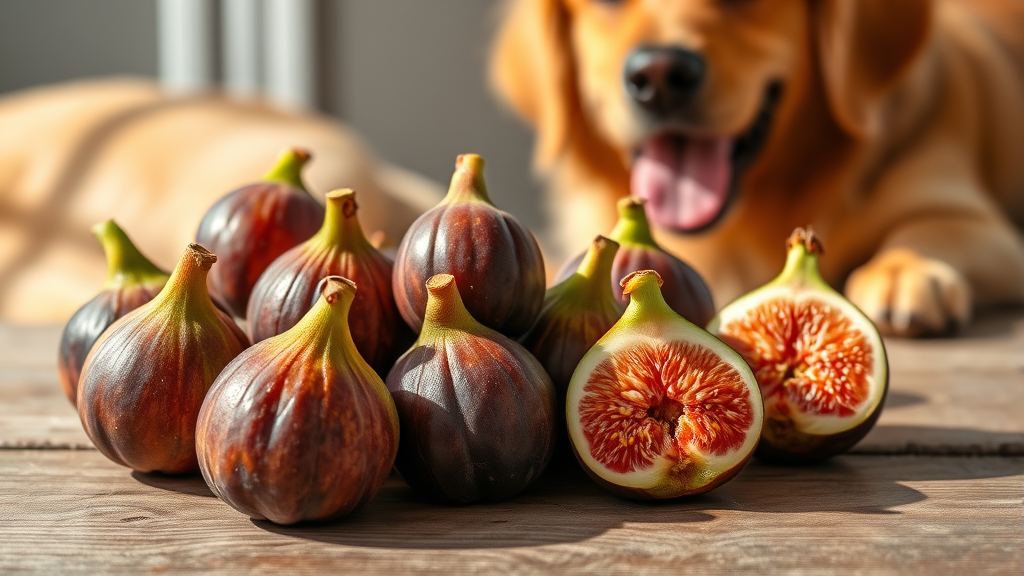
As pet owners, we naturally want to share our favorite foods with our beloved canine companions. When you’re enjoying a fresh fig or incorporating these sweet, nutritious fruits into your diet, you might wonder whether it’s safe to offer a bite to your dog. Understanding what foods are safe for dogs is crucial for maintaining their health and preventing potentially dangerous situations.
Figs present a unique case in the world of dog nutrition. While these Mediterranean fruits offer numerous health benefits for humans, the question of whether dogs can safely consume them requires careful consideration. From potential allergic reactions to digestive concerns, there are several factors every responsible pet owner should understand before sharing figs with their furry friend.
Understanding Figs: The Fruit and the Tree
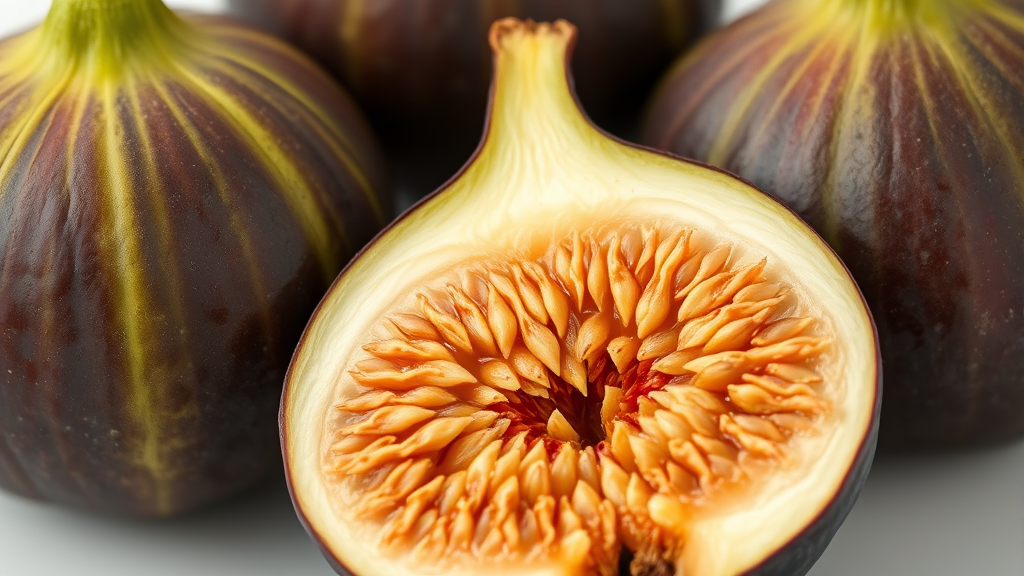
Figs are unique fruits that have been cultivated for thousands of years, originating in the Mediterranean region and Western Asia. These sweet, tear-drop shaped fruits grow on fig trees (Ficus carica) and are technically not true fruits but rather inverted flowers. Fresh figs have a soft, chewy texture with tiny seeds throughout, while dried figs offer a more concentrated sweetness and longer shelf life.
The fig tree itself is part of the mulberry family and produces a milky sap called latex, which can be found in the leaves, stems, and unripe fruits. This latex contains enzymes and compounds that can cause skin irritation in both humans and animals. Understanding this botanical background is essential when considering the safety of figs for dogs, as different parts of the fig tree pose varying levels of risk.
There are several varieties of figs commonly available, including Black Mission, Brown Turkey, Calimyrna, and Adriatic figs. Each variety has slightly different nutritional profiles and sweetness levels, but the general safety considerations for dogs remain consistent across all types.
Are Figs Safe for Dogs? The Complete Assessment
The short answer is that fresh, ripe figs can be safe for dogs when given in very small quantities and with proper precautions. However, this comes with several important caveats that every pet owner must understand. The ASPCA Animal Poison Control Center doesn’t list figs as toxic to dogs, but this doesn’t mean they’re without risk.
The primary concerns with feeding figs to dogs include their high sugar content, potential for digestive upset, and the presence of ficin, an enzyme found in fig latex that can cause skin and mouth irritation. Additionally, some dogs may be more sensitive to new foods than others, making individual tolerance a significant factor in determining safety.
It’s crucial to distinguish between different parts of the fig plant when assessing safety. While the ripe fruit flesh may be tolerable for some dogs in small amounts, the leaves, bark, and sap of fig trees are definitely not safe for canine consumption. These parts contain higher concentrations of potentially harmful compounds and should be avoided entirely.
Nutritional Profile of Figs for Dogs
Fresh figs contain several nutrients that could theoretically benefit dogs, including dietary fiber, potassium, calcium, and vitamins A and K. They also provide natural antioxidants that support overall health. However, the high natural sugar content of figs means that any potential benefits must be weighed against the risks of excessive sugar intake.
A medium-sized fresh fig contains approximately 8 grams of sugar and 37 calories, which is significant for dogs, especially smaller breeds. The fiber content, while beneficial for digestive health in appropriate amounts, can also cause digestive upset if consumed in excess. The calcium and potassium in figs might seem beneficial, but dogs typically receive adequate amounts of these minerals from their regular, balanced diet.
When compared to other fruits that are generally considered safer for dogs, such as blackberries or cantaloupe, figs offer less nutritional benefit with potentially higher risks, making them a less ideal choice for canine treats.
Potential Risks and Side Effects
Several risks are associated with feeding figs to dogs, ranging from mild digestive upset to more serious allergic reactions. The most common immediate risk is gastrointestinal distress, including diarrhea, vomiting, and stomach pain. The high fiber content and natural sugars in figs can overwhelm a dog’s digestive system, particularly if they’re not accustomed to eating fruits.
Ficin, the enzyme found in fig latex, can cause contact dermatitis and mouth irritation in sensitive dogs. This compound is present in higher concentrations in unripe figs and the white, milky sap of the fig plant. Dogs that come into contact with this substance may experience swelling, redness, or itching around their mouth, paws, or other areas that touched the fig or fig plant.
Long-term risks include potential weight gain and dental problems due to the high sugar content of figs. Regular consumption of high-sugar treats can contribute to obesity, diabetes, and tooth decay in dogs. Additionally, the seeds in figs, while generally small enough to pass through a dog’s digestive system, could potentially cause blockages in very small dogs if consumed in large quantities.

How to Safely Feed Figs to Your Dog
If you decide to offer your dog a small taste of fig, there are specific guidelines you should follow to minimize risks. First, only use fresh, fully ripe figs that are free from mold or signs of spoilage. Remove the stem completely and wash the fig thoroughly to remove any residual sap or contaminants.
Start with an extremely small amount – no more than a small bite for large dogs, and even less for smaller breeds. Watch your dog carefully for any signs of adverse reactions over the next 24 hours. Never give dried figs to dogs, as these contain concentrated sugars that are even more likely to cause digestive upset and other health problems.
Always consult with your veterinarian before introducing any new food to your dog’s diet, especially if your pet has existing health conditions, food allergies, or sensitivities. Dogs with diabetes, obesity, or digestive issues should avoid figs entirely due to their high sugar content and potential for causing gastrointestinal upset.
Safer Fruit Alternatives for Dogs
Rather than risking the potential complications associated with figs, consider offering your dog safer fruit alternatives that provide similar or better nutritional benefits with fewer risks. Peaches (without the pit), apples (without seeds), and blueberries are excellent choices that most dogs tolerate well.
Other safe options include papaya, which provides digestive enzymes and vitamin C, or cranberries, which offer antioxidants and may support urinary tract health. These alternatives typically have lower sugar content than figs and are less likely to cause digestive upset.
When exploring fruit options for your dog, avoid grapes, raisins, cherries, and citrus fruits, which can be toxic or cause serious health issues. The American Kennel Club provides comprehensive guidelines on safe and unsafe fruits for dogs.
Warning Signs to Watch For
If your dog has consumed figs, monitor them closely for signs of adverse reactions. Immediate symptoms to watch for include vomiting, diarrhea, excessive drooling, loss of appetite, and signs of abdominal discomfort such as panting, restlessness, or difficulty finding a comfortable position.
Allergic reactions may manifest as facial swelling, hives, difficulty breathing, or excessive scratching. Contact dermatitis from fig sap exposure can cause redness, swelling, or irritation around the mouth, paws, or other affected areas. These symptoms typically appear within a few hours of exposure.
If you notice any concerning symptoms, contact your veterinarian immediately. Keep a record of how much fig your dog consumed and when, as this information will be helpful for your vet in determining the appropriate treatment. The Pet Poison Helpline is also available 24/7 for emergency consultation.
Frequently Asked Questions
Can dogs eat dried figs?
No, dogs should not eat dried figs. Dried figs contain concentrated sugars that are much higher than fresh figs, making them more likely to cause digestive upset, weight gain, and other health problems. The dehydration process also concentrates any potentially harmful compounds, making dried figs riskier than fresh ones.
What should I do if my dog ate fig leaves or bark?
If your dog has consumed fig leaves, bark, or any part of a fig tree other than the ripe fruit, contact your veterinarian immediately. These parts of the plant contain higher concentrations of ficin and other potentially harmful compounds. Monitor your dog for signs of mouth irritation, difficulty swallowing, vomiting, or diarrhea.
How much fig is too much for a dog?
Even a small bite of fresh fig can be too much for some dogs, especially those with sensitive stomachs or existing health conditions. For healthy dogs, no more than a tiny taste (less than a teaspoon for large dogs, much less for small dogs) should ever be offered, and only as an occasional treat, not a regular part of their diet.
Are fig trees dangerous to have around dogs?
Fig trees can pose risks to dogs due to the milky sap (latex) that contains ficin, which can cause skin and mouth irritation. Dogs that chew on fig tree leaves, bark, or unripe fruits may experience contact dermatitis or digestive upset. If you have fig trees in your yard, monitor your dog’s access to prevent them from chewing on any part of the tree.
Can puppies eat figs?
Puppies should not be given figs under any circumstances. Their developing digestive systems are more sensitive than adult dogs, and they’re at higher risk for experiencing severe reactions to new foods. Puppies should stick to their specially formulated puppy food and veterinarian-approved treats until they’re fully mature.
What are the signs of fig poisoning in dogs?
While figs aren’t technically poisonous to dogs, overconsumption or sensitivity can cause symptoms including vomiting, diarrhea, loss of appetite, lethargy, and abdominal pain. Contact with fig sap may cause mouth irritation, drooling, pawing at the face, or skin irritation. Severe reactions require immediate veterinary attention.
Are there any dogs that should never eat figs?
Dogs with diabetes, obesity, pancreatitis, or sensitive digestive systems should never be given figs due to their high sugar content and potential for causing digestive upset. Additionally, dogs with known food allergies or those taking medications that affect blood sugar should avoid figs entirely. Always consult your veterinarian before offering any new food to dogs with health conditions.





