Can Dogs Eat Fried Chicken? Safety Tips for Pet Owners
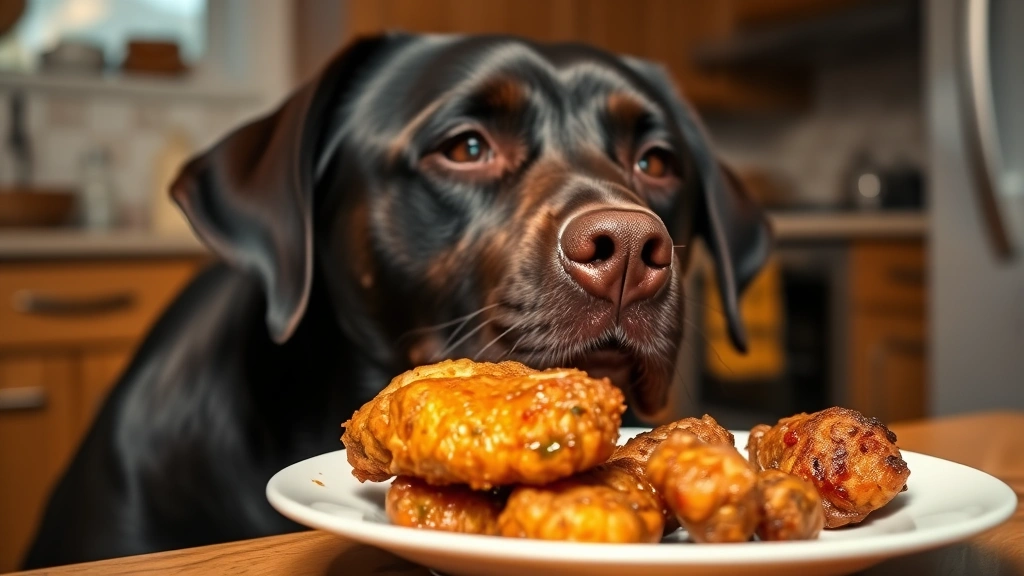
Your pup’s eyes light up the moment that unmistakable aroma of fried chicken fills your kitchen. We get it—those crispy, golden pieces are absolutely irresistible, and your furry friend is practically begging for a taste. But before you toss a drumstick under the table, let’s talk about whether fried chicken is actually safe for dogs to eat.
The short answer? Not really. While plain, cooked chicken can be a healthy protein source for dogs, fried chicken introduces a whole host of concerns that make it a no-go for most pups. From dangerous cooking methods to hidden ingredients and potential health hazards, fried chicken poses risks that responsible pet owners should understand.
In this comprehensive guide, we’ll break down everything you need to know about feeding fried chicken to your dog, explore safer alternatives, and help you make informed decisions about your pet’s diet.
Why Fried Chicken Is Risky for Dogs
Fried chicken might seem like a harmless treat, but it’s actually one of the worst foods you can give your canine companion. The frying process fundamentally changes chicken from a nutritious protein into something potentially dangerous. When chicken is deep-fried in oil, it becomes laden with excessive fat and calories that dogs simply aren’t equipped to handle efficiently.
The cooking oil used in fried chicken preparation often contains additives, preservatives, and trans fats that can wreak havoc on your dog’s digestive system. Commercial fried chicken, particularly from fast-food chains, frequently includes seasonings like garlic, onion powder, and excessive salt—all of which are toxic to dogs or cause serious health problems. These seasonings don’t just add flavor; they can actually damage your dog’s red blood cells and cause organ complications.
Temperature matters too. Fried chicken is typically served at extremely high temperatures, which can burn your dog’s mouth and throat. Even when it’s cooled down, the greasy residue can cause digestive upset and potentially pancreatitis—a serious inflammatory condition of the pancreas.
The bottom line is that fried chicken represents everything you want to avoid in your dog’s diet: excessive fat, dangerous seasonings, and preparation methods that remove any nutritional benefit while maximizing health risks.
Health Concerns Associated with Fried Chicken
Understanding the specific health risks helps explain why veterinarians consistently advise against fried chicken for dogs. Let’s dive into the major concerns:
Pancreatitis Risk
The most significant danger posed by fried chicken is the potential development of pancreatitis. This condition occurs when the pancreas becomes inflamed, and high-fat foods are a primary trigger. Dogs who consume fried chicken may experience vomiting, abdominal pain, diarrhea, and lethargy. In severe cases, pancreatitis can be life-threatening and requires emergency veterinary care. According to the American Animal Hospital Association, fatty foods are among the leading dietary causes of acute pancreatitis in dogs.
Digestive Upset
A dog’s digestive system isn’t designed to process the excessive fat in fried foods. Even a small amount can trigger diarrhea, vomiting, and general gastrointestinal distress. This is particularly true for dogs with sensitive stomachs or those prone to food sensitivities.
Obesity and Weight Gain
Fried chicken is calorie-dense and provides little nutritional value relative to its fat content. Regular consumption can quickly lead to weight gain, which increases the risk of diabetes, joint problems, and heart disease in dogs. A single piece of fried chicken can represent 10-20% of a small dog’s daily caloric needs.
Toxic Seasoning Exposure
Many fried chicken recipes include garlic and onion powder, both of which contain compounds that damage canine red blood cells and can cause hemolytic anemia. Salt content in fried chicken is also problematically high, potentially leading to sodium ion toxicity with symptoms including excessive thirst, urination, and neurological issues.
The ASPCA Animal Poison Control Center regularly receives calls about dogs who’ve consumed foods containing garlic and onion, confirming these are legitimate concerns for pet owners.

The Bone and Skin Question
Even if you’re tempted to give your dog the meat from fried chicken while discarding the dangerous bits, you need to be aware of additional concerns with bones and skin.
Fried Chicken Bones
Here’s where it gets tricky: chicken bones are particularly problematic when fried. The frying process makes bones more brittle and prone to splintering. These sharp fragments can perforate your dog’s digestive tract, cause choking, or create blockages requiring surgical intervention. Raw chicken bones are somewhat safer due to their flexibility, but fried chicken bones are genuinely dangerous.
Crispy Skin Concerns
The crispy exterior of fried chicken skin is essentially concentrated fat and oil. While it might seem like a tasty tidbit to share, it’s one of the worst parts of fried chicken for dogs. The skin contains the highest concentration of fat and often carries the most seasoning. A small piece might not cause immediate problems, but it’s still not recommended.
Cross-Contamination Risks
When fried chicken is prepared commercially, there’s always a risk of cross-contamination with other ingredients. Batters might contain ingredients toxic to dogs, or the oil might have been used to cook foods containing garlic, onions, or other harmful substances.
Safer Chicken Options for Your Pup
The good news? Chicken can absolutely be part of a healthy dog diet—you just need to prepare it correctly. Here are the safest ways to incorporate chicken into your dog’s meals:
Plain Boiled or Baked Chicken
The gold standard for dog-safe chicken is plain, unseasoned, boiled or baked chicken. Simply cook boneless, skinless chicken breasts in water without any added salt, oil, or seasonings. This preparation method retains the nutritional benefits of chicken while eliminating all the risks associated with frying. You can serve small, bite-sized pieces as treats or mix them into your dog’s regular food.
How to Cook Chicken for Dogs
If you want to provide your dog with homemade chicken treats, check out our detailed guide on how to cook chicken for dogs. This resource covers proper preparation methods, portion sizes, and storage recommendations to ensure your homemade chicken treats are as healthy as possible.
Is Chicken Good for Dogs?
Absolutely! When prepared correctly, chicken is good for dogs and provides excellent protein, B vitamins, and essential amino acids. The key is preparation—plain, unseasoned chicken is nutritious; fried chicken is not.
Avoiding Fried Alternatives
Be cautious with seemingly similar products. Chicken nuggets, even frozen ones, typically contain breading and are often fried or deep-fried, making them unsafe for dogs. Rotisserie chicken is generally safer than fried chicken if you remove the skin and any seasoning, but it’s still higher in fat than plain boiled chicken.
Portion Control
Even with safe chicken preparation, moderation is essential. Chicken should comprise no more than 10% of your dog’s daily caloric intake. For most dogs, this means a few small pieces as an occasional treat rather than a dietary staple.
Signs of Emergency and When to Call the Vet
If your dog has consumed fried chicken, monitor them closely for the following signs that warrant immediate veterinary attention:
- Vomiting or retching that persists for more than a few hours
- Severe diarrhea or bloody stools
- Abdominal pain (hunched posture, whining, reluctance to move)
- Loss of appetite lasting more than 24 hours
- Lethargy or unusual behavior
- Difficulty breathing or choking sounds
- Signs of bloating (distended, hard abdomen)
- Excessive drooling or difficulty swallowing
Don’t wait to see if symptoms resolve on their own. The American Kennel Club recommends contacting your veterinarian immediately if your dog shows any of these signs after eating fried chicken. Early intervention can prevent serious complications.
If you know your dog ate fried chicken containing garlic or onion, contact your vet even if your dog seems fine. Damage to red blood cells can develop over several days, and early treatment is crucial.
Frequently Asked Questions
What should I do if my dog accidentally ate fried chicken?
First, try to determine how much your dog ate and whether it contained dangerous seasonings like garlic or onion. A tiny piece of plain fried chicken is unlikely to cause serious problems, but observe your dog closely for the next 24-48 hours. Watch for vomiting, diarrhea, abdominal pain, or lethargy. If any of these symptoms develop, contact your veterinarian. If the fried chicken contained garlic, onion, or excessive salt, call your vet immediately regardless of symptoms.
Is the breading on fried chicken bad for dogs?
Yes, the breading is problematic for several reasons. It’s typically high in carbohydrates and salt, often contains seasonings toxic to dogs, and adds to the overall calorie and fat content. The breading also makes the chicken harder to digest and contributes to gastrointestinal upset.
Can dogs eat KFC or other fast-food fried chicken?
Absolutely not. Commercial fried chicken from fast-food chains is even worse than homemade fried chicken because it contains added preservatives, excessive salt, various seasonings (many of which are toxic to dogs), and is cooked in oil that may have been used for other foods. The risk of serious health consequences is significantly higher with commercial fried chicken.
What about fried chicken gravy?
Fried chicken gravy is a definite no-go for dogs. It’s extremely high in fat, salt, and often contains ingredients like garlic or onion powder. Gravy can also cause pancreatitis and severe digestive upset. Never give your dog gravy of any kind.
How much fried chicken would hurt a dog?
Even a small amount can cause problems in sensitive dogs or those prone to pancreatitis. The amount that causes harm depends on your dog’s size, age, health status, and individual sensitivity. A single piece might cause mild diarrhea in one dog but trigger severe pancreatitis in another. The safest approach is zero fried chicken consumption.
Can I give my dog fried chicken as an occasional treat?
No, fried chicken should never be given to dogs, even occasionally. There are so many safer, healthier treat options available that there’s no reason to take the risk. Plain boiled chicken, carrots, apple slices, or commercial dog treats formulated for canine nutrition are all better choices.
What are the best chicken treats for dogs?
Plain boiled or baked chicken pieces, freeze-dried chicken treats, or commercial dog treats made with real chicken are all excellent options. You can also make homemade chicken treats by baking unseasoned chicken breast and cutting it into small pieces. Freeze-dried options are convenient and have a longer shelf life than fresh cooked chicken.
Are there any health benefits to giving dogs fried chicken?
No. While chicken itself is nutritious, the frying process eliminates any potential benefits and introduces numerous health risks. The excessive fat, dangerous seasonings, and preparation method make fried chicken nutritionally worthless for dogs—and actively harmful.
Your dog’s health and safety should always come first. While it might feel mean to refuse those puppy-dog eyes when you’re enjoying fried chicken, you’re actually protecting your beloved companion from potentially serious health consequences. Stick with safe, plain chicken preparations, and your dog will be just as happy—and much healthier.