Can Dogs Eat Fruits and Vegetables? The Complete Safe List
As a dog parent, you’ve probably wondered whether sharing your fresh produce with your furry best friend is safe. The good news? Many fruits and vegetables are not only safe for dogs but can actually provide wonderful nutritional benefits! However, not all produce makes the cut, and some items can be downright dangerous. Understanding which fruits and vegetables your pup can enjoy is essential for keeping them healthy and happy.
The question of can dogs eat fruits and vegetables isn’t a simple yes or no. Your dog’s digestive system differs significantly from yours, and while they’re omnivores with some herbivorous tendencies, they process plant-based foods differently. Some produce is packed with vitamins, fiber, and antioxidants that support canine health, while other items contain compounds that can cause serious harm. We’re here to break down exactly what’s safe, what to avoid, and how to introduce these foods responsibly.
Whether you’re looking to add variety to your dog’s diet, create healthy training treats, or simply understand what happens when they snag a piece of your salad, this comprehensive guide covers everything you need to know about feeding your dog fruits and vegetables safely.
Safe Vegetables for Dogs
Many vegetables are excellent additions to your dog’s diet and can provide essential nutrients without any risk. The key is understanding which ones are truly beneficial and how to prepare them properly for your canine companion.
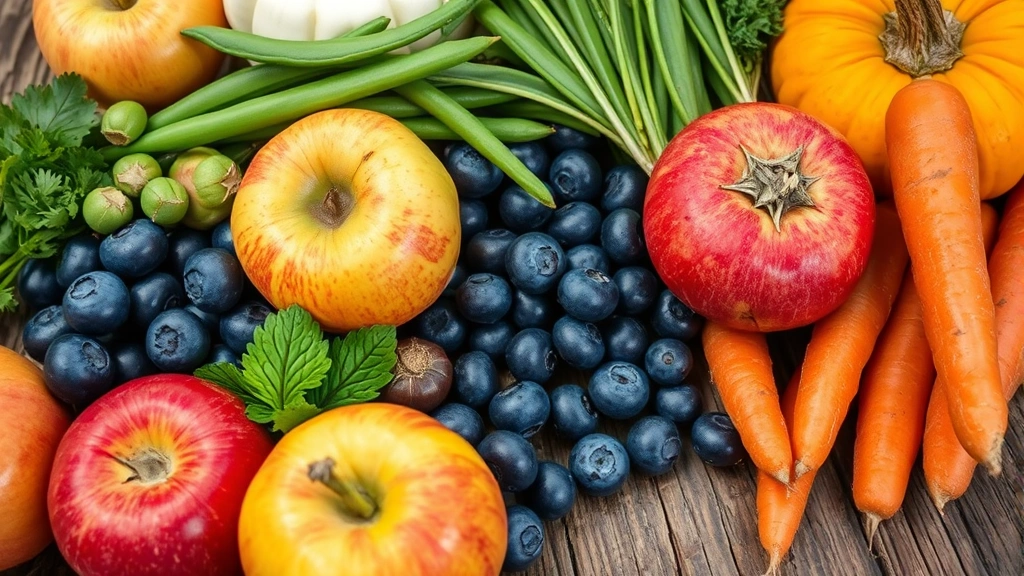
Carrots are one of the most popular vegetable choices for dog owners, and for good reason. These crunchy orange vegetables are low in calories and high in fiber, making them perfect for weight management. You can learn more about dogs eating carrots to discover the specific benefits and best serving methods. Raw carrots also help clean your dog’s teeth naturally, and many dogs enjoy the satisfying crunch as a snack.
Green beans are another fantastic option that most dogs tolerate beautifully. Whether fresh, frozen, or steamed, green beans provide vitamins A, C, and K along with fiber. They’re particularly useful for dogs on a diet since they’re filling yet low in calories. Peas follow a similar nutritional profile and many dogs find them delightful. Both frozen and fresh varieties work well, though you should avoid canned versions with added sodium.
Broccoli can be given to dogs in moderation, though it requires careful handling. Discover the details about broccoli for dogs to understand the proper portions and preparation methods. This cruciferous vegetable contains beneficial compounds but should only comprise a small portion of your dog’s daily intake.
Sweet potatoes are nutritional powerhouses for dogs, loaded with beta-carotene, fiber, and vitamins. They’re particularly helpful for dogs experiencing digestive issues, and many veterinarians recommend them as part of a balanced diet. Cooked sweet potato is easier for dogs to digest than raw.
Pumpkin deserves special mention as both a vegetable and a digestive aid. Explore the benefits of pumpkin for dogs to learn how this seasonal favorite can support your dog’s gut health. Plain, cooked pumpkin is safe and beneficial, though avoid pumpkin pie filling which contains added sugars and spices.
Other safe vegetable options include cucumber (hydrating and low-calorie), bell peppers (vitamin C rich), zucchini (mild and digestible), and asparagus (best cooked and chopped into manageable pieces). Always serve vegetables without added salt, seasonings, garlic, or onions.
Safe Fruits for Dogs
Fruits can be wonderful treats for dogs when offered appropriately, though they’re generally higher in natural sugars than vegetables. Moderation is key, and fruits work best as occasional treats rather than dietary staples.
Apples are a classic choice that most dogs enjoy. Learn about the specifics of feeding apples to dogs and discover why veterinarians often recommend them. Always remove seeds before offering apple slices, as the seeds contain compounds that can be harmful in large quantities. The flesh and skin provide fiber and vitamin C.
Bananas are nutrient-dense fruits that dogs can safely enjoy in small portions. They’re rich in potassium, vitamin B6, and vitamin C, though their higher sugar content means they should be offered sparingly. A small slice makes an excellent training treat for most dogs.
Blueberries are often called a superfood, and this applies to dogs too. These tiny berries are packed with antioxidants and phytonutrients that support cognitive function and immune health. Many dogs find them delightful, and you can even freeze them for a refreshing summer treat.
Watermelon is hydrating and low in calories, making it perfect for hot weather. Remove all seeds and rind before serving, as the seeds can cause digestive upset and the rind is difficult to digest. Plain watermelon flesh is a refreshing, dog-safe option.
Strawberries and raspberries are both safe for dogs and provide vitamin C and fiber. These berries are relatively low in sugar compared to other fruits and make excellent training rewards. Blackberries are similarly safe and nutritious.
Cantaloupe and honeydew melon are both safe options when seeds and rind are removed. They’re hydrating and provide natural sweetness without excessive calories. Oranges and tangerines can be offered in small quantities, though their acidity and sugar content mean they should be occasional treats rather than regular fare.
Pears are safe for dogs and provide fiber and vitamin C. Always remove the seeds, as they contain trace amounts of cyanogenic compounds. Peaches are also safe when pitted properly, though the pit contains harmful compounds and the fuzzy skin can irritate some dogs’ digestive systems.

Fruits and Vegetables to Avoid
While many fruits and vegetables are safe, some pose serious health risks to dogs and should never be offered. Understanding these dangerous items is crucial for preventing accidental poisoning.
Grapes and raisins are toxic to dogs and can cause acute kidney failure. The exact compound responsible remains unknown, but the danger is well-established and severe. Even small quantities can cause serious harm, so avoid these fruits entirely. Avocados contain persin, a compound that can cause vomiting and diarrhea in dogs. While a small amount typically won’t cause serious harm, it’s best avoided.
Onions and garlic are absolutely toxic to dogs and damage their red blood cells. This includes all forms: raw, cooked, powdered, or dried. Many human foods contain these ingredients, so always check before sharing table scraps with your pup.
Mushrooms are extremely dangerous, particularly wild varieties. While common store-bought mushrooms in small quantities may not cause immediate harm, many mushroom species are deadly to dogs. It’s safest to avoid them entirely.
Cherries contain cyanogenic compounds in their pits and stems. While the flesh is technically safe, the risk of your dog swallowing pit fragments makes them too dangerous to offer.
Citrus fruits like lemons and limes are too acidic and can cause digestive upset. Unripe or green tomatoes contain solanine, a toxic compound. Ripe red tomatoes in moderation are generally safe, but the plant itself is dangerous.
Corn cobs can cause intestinal blockages and should never be given to dogs. Avocado pits and stems contain persin in higher concentrations than the fruit itself.
According to the ASPCA Animal Poison Control Center, if your dog ingests any toxic produce, contact your veterinarian or poison control immediately. Time is critical in poisoning cases.
Portion Guidelines and Feeding Tips
Understanding proper portions is essential for safely incorporating fruits and vegetables into your dog’s diet. The general rule is that treats, including fruits and vegetables, should comprise no more than 10% of your dog’s daily caloric intake, with regular food making up the remaining 90%.
For small dogs (under 20 pounds), a few carrot slices or a small apple slice makes an appropriate serving. For medium dogs (20-60 pounds), you can offer slightly larger portions, such as half an apple or a small handful of green beans. For large dogs (over 60 pounds), you have more flexibility, though moderation remains important.
When considering how much food to feed your dog, remember that adding treats means adjusting main meals accordingly to prevent weight gain. Vegetables are excellent for this since they’re filling yet low in calories, allowing you to increase volume without increasing calories.
Preparation matters significantly. Always wash produce thoroughly to remove pesticides and dirt. Cut items into appropriate sizes to prevent choking hazards—dice for small dogs, chunks for large dogs. Remove seeds, pits, and skins when necessary. Cook hard vegetables like carrots and sweet potatoes when serving to senior dogs or those with dental issues.
Introduce new foods gradually. Start with small amounts and monitor your dog for digestive upset over 24-48 hours. Some dogs have sensitive stomachs and may experience loose stools when foods are introduced too quickly.
Store-bought frozen vegetables are perfectly acceptable and often more convenient than fresh. Avoid canned varieties with added sodium or seasonings. Dried fruits should be given sparingly due to their concentrated sugar content.
Health Benefits of Produce
Beyond being safe treats, fruits and vegetables offer legitimate health benefits for your canine companion. The nutritional advantages make them valuable additions to a balanced diet when offered appropriately.
Fiber support: Vegetables like carrots, green beans, and sweet potatoes provide dietary fiber that supports digestive health. Adequate fiber helps maintain regular bowel movements and can prevent constipation or diarrhea. Weight management: Low-calorie vegetables are perfect for dogs needing to lose weight. They provide volume and satiety without excessive calories, helping your dog feel full while maintaining a caloric deficit.
Antioxidant protection: Berries and colorful vegetables contain antioxidants that combat free radicals and may support cognitive function and joint health. Blueberries, in particular, have been studied for their potential to support aging dogs’ mental acuity.
Vitamin and mineral content: Different produce provides different nutrients. Carrots offer beta-carotene for eye health, broccoli provides vitamin K for bone health, and oranges offer vitamin C for immune support.
Dental health: Crunchy raw vegetables naturally clean teeth as dogs chew them, reducing plaque buildup and promoting fresher breath. This mechanical cleaning action is similar to the benefits of dental chews.
Hydration: Water-rich fruits like watermelon and cucumber help keep dogs hydrated, particularly in hot weather. This is especially beneficial for dogs that don’t drink enough water.
Research from the Association of American Feed Control Officials supports the inclusion of fruits and vegetables in balanced canine diets, recognizing their nutritional value when properly incorporated.
How to Introduce New Foods
Introducing fruits and vegetables to your dog requires a thoughtful approach to prevent digestive upset and identify any individual sensitivities.
The gradual introduction method: Start with a tiny portion, such as a single slice of carrot or a few berries. Offer this on day one and observe your dog for 24 hours, watching for vomiting, diarrhea, constipation, or other digestive issues. If all goes well, you can gradually increase the portion over the next few days.
Timing matters: Introduce new foods when your dog’s digestive system is stable, not during periods of existing digestive upset. Avoid introducing multiple new foods simultaneously, as this makes identifying problematic items difficult.
Observation is key: Some dogs have individual sensitivities to specific vegetables or fruits. Keep notes about what your dog eats and any reactions observed. This information becomes valuable if your dog experiences digestive issues.
Temperature consideration: Some dogs prefer room temperature or slightly warm produce, while others enjoy frozen treats. Experiment to see what your dog prefers. Frozen vegetables can be particularly soothing for dogs with sore gums from teething.
Mixed preparation: You can mix small amounts of fruits or vegetables with your dog’s regular food to introduce new items. This often makes acceptance easier and distributes the new food throughout a meal.
Always consult with your veterinarian before making significant dietary changes, particularly if your dog has existing health conditions, takes medications, or follows a prescription diet. Your vet can provide personalized recommendations based on your dog’s specific needs.
Frequently Asked Questions
Can puppies eat fruits and vegetables?
Yes, puppies can eat safe fruits and vegetables, though their primary nutrition should come from high-quality puppy food formulated for their developmental needs. Introduce produce slowly and in small amounts, as puppies’ digestive systems are still developing. Avoid choking hazards by cutting items into appropriately small pieces.
Are frozen fruits and vegetables as nutritious as fresh?
Frozen produce is just as nutritious as fresh, and sometimes more so. Freezing occurs shortly after harvest, locking in nutrients. Fresh produce may lose some nutritional value during transport and storage. Choose frozen varieties without added sugars, sodium, or seasonings.
Can I give my dog vegetable scraps from dinner?
Only if the scraps are from safe vegetables and haven’t been seasoned, salted, or cooked with garlic or onions. Plain steamed carrots or broccoli are fine, but avoid anything with butter, oil, salt, or seasonings. Never give scraps that contained toxic ingredients like garlic or onions.
What if my dog eats something toxic?
Contact your veterinarian or the Pet Poison Helpline immediately. Provide information about what was eaten and when. Some toxins require immediate treatment, while others may need monitoring. Don’t wait to see if symptoms develop—professional guidance is critical.
How do I know if my dog has a food allergy?
Common signs include itching, hives, vomiting, diarrhea, or difficulty breathing. If you suspect an allergy, eliminate the suspected food and consult your veterinarian. They may recommend an elimination diet to identify the problematic ingredient. Keep detailed records of your dog’s symptoms and dietary changes.
Can I give my dog canned vegetables?
Most canned vegetables contain added sodium, which isn’t ideal for dogs. If you use canned vegetables, rinse them thoroughly to remove excess salt. Fresh or frozen varieties are preferable, but occasionally rinsed canned vegetables won’t harm most dogs.
Are there benefits to making homemade dog food with vegetables?
Homemade diets can include vegetables, but they must be carefully balanced to ensure your dog receives all necessary nutrients. Work with a veterinary nutritionist to create balanced recipes. Homemade diets without professional guidance may lack essential nutrients.
How often can I give my dog treats with fruits and vegetables?
Daily is fine, as long as treats comprise no more than 10% of daily calories and are part of your dog’s overall caloric intake. You can offer vegetable treats multiple times daily if portions are small, but adjust main meals accordingly to prevent obesity.
Can senior dogs eat fruits and vegetables?
Yes, senior dogs benefit from fruits and vegetables. Soften hard vegetables by cooking them, as older dogs may have dental issues. The fiber supports digestive health, and the nutrients support overall wellness. Always introduce new foods gradually, as senior digestive systems can be sensitive.
What’s the best way to store fresh produce for my dog?
Store produce as you would for yourself—in the refrigerator’s vegetable drawer for most items, at room temperature for bananas and avocados. Wash thoroughly before serving. Frozen produce keeps longer and is convenient for portion control. Discard any produce showing signs of mold or rot before serving.
Understanding what fruits and vegetables your dog can safely enjoy opens up wonderful possibilities for treating, training, and nourishing your furry friend. Remember that while these foods are safe and beneficial, they should complement a complete and balanced diet formulated for dogs’ specific nutritional needs. When in doubt, consult your veterinarian—they know your dog’s individual health status and can provide personalized recommendations.
The American Kennel Club’s nutrition experts emphasize that proper nutrition is foundational to canine health and longevity. By making informed choices about the produce you share with your dog, you’re taking an active role in their wellbeing and creating opportunities for positive bonding through healthy treat-sharing moments.