Can Dogs Eat Goldfish Crackers? A Complete Safety Guide for Pet Parents
Picture this: you’re sitting on the couch with a bowl of Goldfish crackers, and your furry best friend gives you that irresistible puppy-dog eye look. Before you share a handful, you’re probably wondering, “Are Goldfish crackers safe for dogs?” It’s a question that crosses many pet parents’ minds, and honestly, the answer isn’t as straightforward as a simple yes or no.
Goldfish crackers are a beloved snack for humans worldwide, but our canine companions have different nutritional needs and digestive systems. While a stray cracker here and there won’t send Fido to the emergency vet, understanding the potential risks and benefits is crucial for making informed decisions about your dog’s diet. In this comprehensive guide, we’ll explore everything you need to know about Goldfish crackers and dogs, from ingredient concerns to safer alternatives.
As a responsible dog owner, you deserve accurate, evidence-based information to keep your pup happy and healthy. Let’s dive into the details!
Are Goldfish Crackers Safe for Dogs?
The short answer is: occasional Goldfish crackers in moderation are generally not toxic to dogs, but they’re not a recommended treat either. Most commercial Goldfish crackers contain ingredients that aren’t harmful in tiny amounts, but they offer minimal nutritional value and can contribute to unhealthy eating habits.
When we talk about “safe,” we need to distinguish between “not immediately poisonous” and “good for your dog.” A single cracker accidentally dropped on the kitchen floor won’t cause harm, but making Goldfish crackers a regular snack is asking for trouble. The key concern isn’t toxicity—it’s the overall nutritional profile and potential health consequences of feeding processed human snacks to our beloved pets.
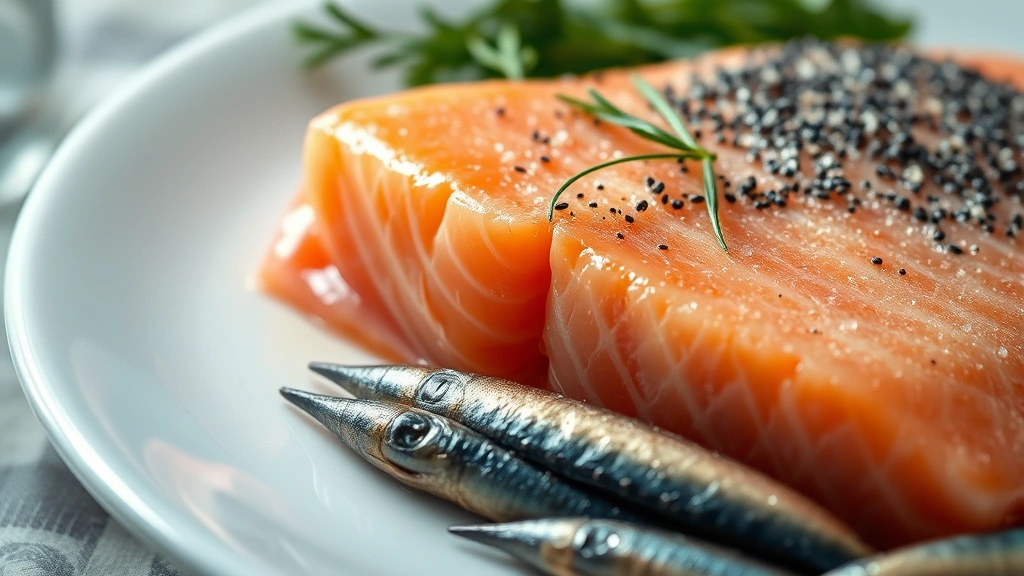
If you’re curious about other fish-based foods, you might wonder about whether dogs can eat fish in general. The answer there is quite different! Real fish can be incredibly beneficial for dogs when prepared properly.
Ingredients to Watch Out For
Let’s break down what’s actually in those cheerful little cheese-flavored crackers. Standard Goldfish crackers contain enriched wheat flour, vegetable oil, salt, cheese seasoning, and various additives. While none of these are inherently toxic, several warrant closer examination:
- Enriched Wheat Flour: Dogs can digest wheat, but it provides empty calories without substantial nutritional benefit. For dogs with grain sensitivities or allergies, this could trigger digestive upset.
- Vegetable Oil: High in omega-6 fatty acids, excessive consumption can promote inflammation in your dog’s body, especially if their diet isn’t balanced with omega-3s.
- Cheese Seasoning (Artificial and Natural Flavors): While the cheese flavoring itself isn’t toxic, some artificial additives may cause sensitivities in certain dogs.
- Salt: This is the primary concern. We’ll discuss this in detail in the next section.
- Onion or Garlic Powder: Some varieties contain these ingredients, which are toxic to dogs and can damage red blood cells.
Always check the ingredient list on your specific brand of Goldfish crackers. Some specialty varieties might contain ingredients that pose additional risks. If your dog has eaten crackers with onion or garlic powder, contact your veterinarian immediately.
Sodium and Salt Content Concerns
Here’s where Goldfish crackers become genuinely problematic: sodium content. A one-ounce serving (about 55 crackers) contains roughly 250 milligrams of sodium. For context, an average 25-pound dog should consume no more than 100 milligrams of sodium daily, according to AAFCO (Association of American Feed Control Officials) guidelines.
Even a small handful of Goldfish crackers can exceed your dog’s daily sodium recommendation. Excessive salt consumption in dogs can lead to:
- Increased thirst and urination
- Sodium ion poisoning in severe cases
- Exacerbation of existing heart conditions
- Kidney stress
- High blood pressure
This is particularly concerning for senior dogs, dogs with heart conditions, or breeds predisposed to hypertension. If your dog regularly sneaks salty snacks, you’re essentially feeding them a diet that increases their risk of serious health complications.

Potential Health Risks
Beyond immediate toxicity, feeding Goldfish crackers to your dog can create several health problems:
Weight Gain and Obesity: Goldfish crackers are calorie-dense and nutritionally empty. A 50-pound dog needs roughly 1,000-1,400 calories daily. Just 10 crackers add about 40 calories—seemingly innocent until you realize that’s 4-5% of their daily caloric needs for zero nutritional benefit. Over time, this contributes to obesity, which is the leading preventable disease in dogs.
Digestive Issues: Dogs with sensitive stomachs may experience vomiting or diarrhea after consuming processed crackers. If your dog struggles with digestion, understanding what to feed a dog with diarrhea becomes especially important.
Pancreatitis: The combination of high fat and salt in processed snacks can trigger pancreatitis in susceptible dogs, a painful and potentially life-threatening condition.
Behavioral Problems: Regularly sharing human snacks creates unhealthy begging behaviors and makes training more difficult. Your dog learns that persistent whining at mealtime pays off.
Nutritional Imbalance: When dogs fill up on empty-calorie snacks, they eat less of their nutritionally complete dog food, creating deficiencies in essential nutrients.
What If Your Dog Ate Goldfish Crackers?
Don’t panic if your dog managed to snag a few crackers from the coffee table. A small amount of regular Goldfish crackers is unlikely to cause serious harm. Here’s what you should do:
- Assess the Situation: How many crackers did your dog eat? Was it one or two, or an entire bag? Check if the crackers contained onion or garlic powder (check the ingredient list immediately).
- Monitor Your Dog: Watch for signs of digestive upset over the next 24-48 hours, including vomiting, diarrhea, or lethargy.
- Adjust Food Intake: If your dog ate a significant amount, reduce their regular meal portion slightly to avoid overfeeding.
- Increase Water: Due to the salt content, ensure your dog has constant access to fresh water.
- Contact Your Vet: If your dog shows any concerning symptoms or if they consumed crackers with toxic ingredients, call your veterinarian.
Most cases of accidental Goldfish cracker consumption resolve without incident. However, if your dog has a history of pancreatitis, heart disease, or kidney issues, inform your vet even about small amounts consumed.
Safer Snack Alternatives for Dogs
The good news? There are plenty of delicious, nutritious alternatives that your dog will love just as much—and that actually benefit their health:
Real Fish-Based Treats: If you want to give your dog something fish-flavored, consider the real deal. Dogs can have fish, and it’s genuinely beneficial! Sardines and salmon skin are packed with omega-3 fatty acids that support coat health, reduce inflammation, and promote cognitive function. These are far superior to any processed cracker.
Vegetable Snacks: Carrots, green beans, and sweet potato pieces are low-calorie, nutrient-dense options that satisfy the craving to chew. Plus, carrots help clean teeth naturally.
Homemade Treats: Making dog treats at home gives you complete control over ingredients. Simple recipes using pumpkin, peanut butter (xylitol-free!), oats, and eggs create healthy, tasty options.
Freeze-Dried Meat: Single-ingredient freeze-dried chicken, beef, or fish treats provide concentrated nutrition without additives or excessive salt.
Pumpkin and Apple: Plain pumpkin puree and sliced apples (seeds removed) are nutritious, filling, and support digestive health.
Dental Chews: Approved dental treats serve a purpose beyond just tasting good—they help maintain oral health while satisfying chewing instincts.
When selecting treats, follow the 10% rule: treats should comprise no more than 10% of your dog’s daily caloric intake. This ensures treats don’t interfere with proper nutrition. Understanding how much food you should feed your dog helps you balance treat portions appropriately.
Nutritional Comparison
Let’s put this in perspective with a simple comparison. Here’s what your dog gets from different snack options:
Goldfish Crackers (1 ounce/55 crackers): 140 calories, 250mg sodium, minimal protein, minimal fiber, minimal vitamins and minerals
Sardines (1 ounce): 60 calories, omega-3 fatty acids, high-quality protein, selenium, vitamin D, calcium
Carrots (1 cup raw, chopped): 52 calories, high in fiber, beta-carotene, vitamin K, virtually no sodium
Plain Pumpkin (1/2 cup): 42 calories, high in fiber, beta-carotene, potassium, supports digestive health
The nutritional difference is stark. While Goldfish crackers are essentially empty calories with excess sodium, real food alternatives provide genuine health benefits. Your dog’s body will thank you for making better choices.
Frequently Asked Questions
Are Pepperidge Farm Goldfish crackers safe for dogs?
Pepperidge Farm Goldfish crackers are the most common brand, and yes, they’re generally non-toxic in small amounts. However, they still contain high sodium and minimal nutritional value. Always check the ingredient list to ensure they don’t contain onion or garlic powder, which are toxic to dogs.
What if my dog ate a whole bag of Goldfish crackers?
If your dog consumed a large quantity, monitor them closely for vomiting, diarrhea, excessive thirst, or lethargy. The main risk is sodium toxicity. Ensure they have access to plenty of fresh water. Contact your veterinarian if any symptoms develop or if your dog is a senior or has pre-existing health conditions.
Can puppies eat Goldfish crackers?
Puppies should absolutely avoid Goldfish crackers. Their developing bodies need precise nutrition, and processed snacks interfere with proper development. Puppies are also more susceptible to pancreatitis and digestive upset from fatty, salty foods.
Are there healthier cracker options for dogs?
Yes! Look for dog-specific treats or make homemade options. If you want a cracker-like treat, some companies make whole-grain dog crackers with no added salt and better nutritional profiles. Always read labels carefully and verify they’re specifically formulated for canine consumption.
Do Goldfish crackers contain xylitol?
Most regular Goldfish crackers don’t contain xylitol, but some specialty varieties might. Xylitol is extremely toxic to dogs, causing rapid insulin release and liver damage. Always check ingredient labels, especially on sugar-free or reduced-calorie varieties.
My dog has a sensitive stomach. Are Goldfish crackers okay?
No. Dogs with sensitive stomachs should stick to bland, easily digestible foods and veterinarian-approved treats. The fat, salt, and processed nature of Goldfish crackers could trigger digestive upset in sensitive pups.
How can I stop my dog from begging for my snacks?
Consistency is key. Never share human food, even small amounts. Offer your dog appropriate alternatives when you’re snacking. Use positive reinforcement when they don’t beg. Train a strong “leave it” command. Your dog’s persistent begging will fade once they learn human snacks never come their way.
What should I do if my dog has a cracker addiction?
If your dog has been regularly consuming Goldfish crackers, consult your veterinarian. They may recommend bloodwork to assess sodium levels and overall health. Gradually transition to healthier treats while maintaining caloric balance. Your vet might also recommend a specific diet plan to address any nutritional imbalances.