
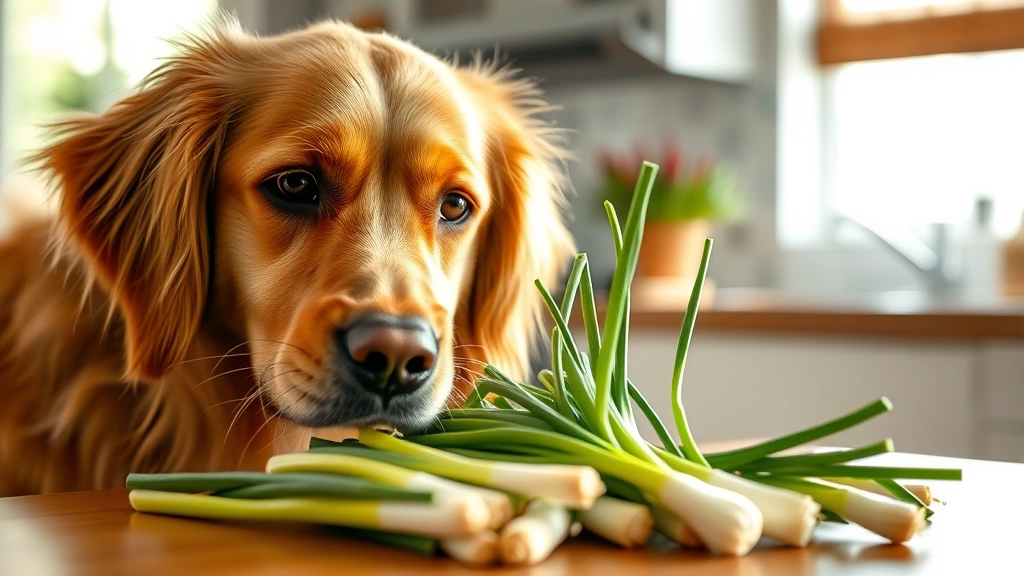
Can Dogs Eat Green Onions? Safety Tips and Risks
If you’re a dog parent who loves cooking with fresh herbs and aromatics, you’ve probably wondered whether your furry best friend can safely nibble on the ingredients in your kitchen. Green onions—those delicate, mild-flavored stalks that add a fresh crunch to everything from tacos to soups—might seem harmless enough. But here’s the thing: what’s perfectly safe for you might be genuinely dangerous for your pup. The question “can dogs eat green onions?” deserves a straightforward answer, and that answer is a firm no.
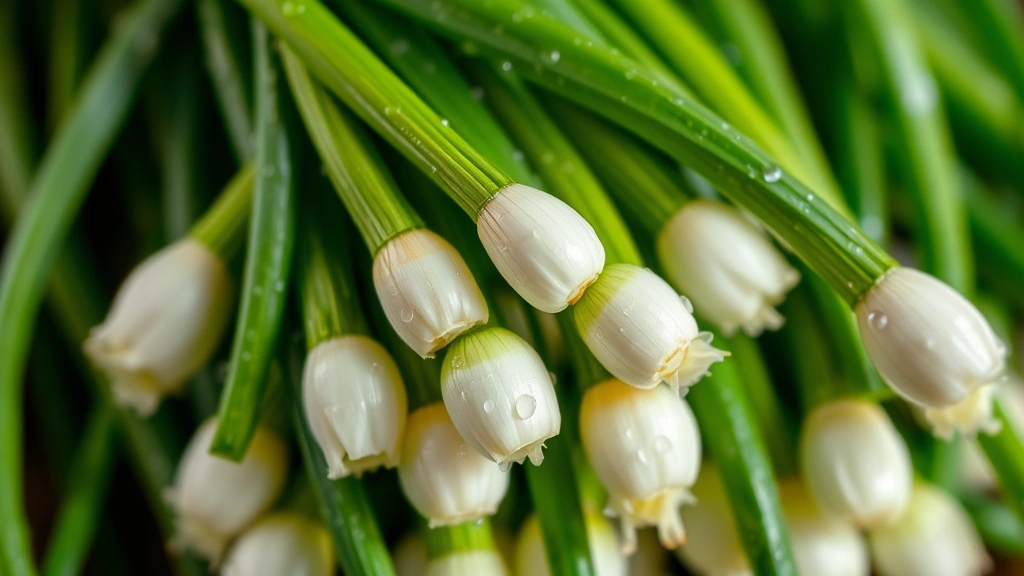
Green onions, also known as scallions or spring onions, belong to the allium family of plants, which includes garlic, chives, and regular onions. This plant family contains compounds that can damage your dog’s red blood cells and cause a serious condition called hemolytic anemia. While green onions are less potent than their mature onion counterparts, they’re still toxic to our canine companions and should never be offered intentionally. Understanding why, what symptoms to watch for, and what safe alternatives exist can help you keep your dog healthy and happy.
Let’s dive into everything you need to know about green onions and dogs, so you can make informed decisions about your pet’s diet and respond quickly if an accidental ingestion occurs.
Why Are Green Onions Toxic to Dogs?
The toxicity of green onions stems from their sulfur-containing compounds, specifically thiosulfates. These naturally occurring substances are part of what gives onions and garlic their distinctive pungent smell and flavor. When dogs consume these compounds, their digestive systems break them down and absorb them into the bloodstream. Once there, thiosulfates attack the dog’s red blood cells, causing oxidative damage that leads to hemolysis—essentially, the red blood cells break apart and die.
It’s important to understand that dogs cannot safely eat onions in any form, and green onions are no exception. While the green tops contain lower concentrations of thiosulfates compared to mature white or yellow bulbs, they still contain enough to cause harm. The white and light green portions of the scallion are actually more concentrated in these toxic compounds than the darker green tops, but the entire plant should be avoided.
The ASPCA lists onions and garlic among the most common toxic foods for pets, emphasizing that all parts of the plant—including the leaves, stems, and bulbs—pose a risk. Your dog’s body cannot process these compounds safely, making even small amounts potentially problematic.
Symptoms of Green Onion Poisoning
If your dog has accidentally consumed green onions, knowing the warning signs of poisoning is crucial for getting prompt veterinary care. Symptoms typically develop over several hours to a few days, depending on the amount consumed and your individual dog’s sensitivity.
Early signs to watch for include:
- Vomiting or retching
- Diarrhea
- Loss of appetite
- Lethargy or unusual tiredness
- Abdominal pain or discomfort (whining, restlessness)
- Bad breath with a sulfur-like odor
More serious symptoms that indicate advanced poisoning:
- Pale gums or mucous membranes (indicating anemia)
- Difficulty breathing or rapid breathing
- Weakness or collapse
- Dark-colored urine
- Jaundice (yellowing of the eyes, gums, or skin)
- Hemoglobinuria (red-tinged urine)
The severity of symptoms depends on several factors, including how much your dog ate, the specific parts consumed, and your dog’s size and overall health. Smaller dogs are at higher risk because the same amount of toxin represents a larger dose relative to their body weight. Additionally, even a small amount of onion can hurt your dog, particularly with repeated exposure over time.
Understanding Toxicity Levels
Not all ingestions of green onions result in the same level of toxicity. Several variables influence how dangerous the situation is for your particular pup.
Amount consumed: The dose makes the poison, as the old saying goes. A dog that accidentally sniffed a green onion from your dinner plate faces minimal risk compared to one that consumed an entire bunch. However, it’s important to note that there’s no universally agreed-upon “safe” amount—toxicity can occur with smaller quantities in sensitive dogs.
Your dog’s size: A 70-pound Labrador Retriever might tolerate a small exposure better than a 5-pound Chihuahua. Generally, toxicity occurs at doses of 15-30 grams per kilogram of body weight for onions, though individual sensitivity varies.
Preparation method: Cooked onions are not safer for dogs than raw ones—in fact, cooking can concentrate the toxic compounds. Dehydrated or powdered onions are even more concentrated and therefore more dangerous.
Individual sensitivity: Some dogs seem more prone to toxicity than others, possibly due to genetic factors or underlying health conditions. Breeds like Shiba Inus, Akitas, and Japanese Chin dogs may have increased susceptibility.
Cumulative exposure: While one small exposure might not cause immediate symptoms, repeated small amounts over time can build up in your dog’s system and eventually trigger poisoning. This is why it’s essential to prevent any regular access to green onions or related foods.
Safe Vegetable Alternatives
The good news is that there are plenty of delicious, nutritious vegetables you can share with your dog that won’t put their health at risk. If you’re looking to add variety to your pup’s diet or provide healthy training treats, consider these dog-friendly options.
Excellent safe vegetables include:
- Carrots: Crunchy, low in calories, and great for dental health. Raw or cooked carrots make excellent treats.
- Green beans: Low in calories and packed with vitamins. Serve them plain without added salt or seasonings.
- Pumpkin: Excellent for digestive health, whether fresh or canned (unsweetened).
- Sweet potatoes: Nutritious and naturally sweet, though best served in moderation due to higher sugar content.
- Broccoli: Rich in vitamins, though serve in small quantities as large amounts can cause digestive upset.
- Cucumbers: Hydrating and refreshing, perfect for hot days or as low-calorie training treats.
- Bell peppers: Colorful and vitamin-rich, though remove seeds and stems first.
- Zucchini: Mild flavor and easy to digest, either raw or cooked.
Remember that safe vegetables for dogs should always be introduced gradually and should comprise no more than 10% of your dog’s daily caloric intake. Always wash produce thoroughly and remove any seeds, stems, or skins that could pose choking hazards.
What to Do If Your Dog Eats Green Onions
Despite your best efforts at prevention, accidents happen. If you discover your dog has eaten green onions, here’s the step-by-step approach to take:
Step 1: Stay calm and assess the situation
How much did your dog eat? Was it just a small piece or a larger amount? What parts of the green onion were consumed? Gathering these details will help your veterinarian determine the appropriate response.
Step 2: Contact your veterinarian immediately
Don’t wait to see if symptoms develop. Call your vet right away and describe exactly what happened. They may want to see your dog immediately or may advise you to monitor closely at home, depending on the amount consumed.
Step 3: Contact poison control if needed
The ASPCA Animal Poison Control Center is available 24/7 and can provide specific guidance. There is a consultation fee, but the expertise is invaluable. You can also contact the Pet Poison Helpline for immediate assistance.
Step 4: Do NOT induce vomiting without professional guidance
While inducing vomiting can help in some poisoning cases, it’s not always appropriate. Your vet will determine if this is the right course of action based on timing and other factors.
Step 5: Monitor your dog closely
Watch for any of the symptoms mentioned earlier. Keep track of eating, drinking, urination, and bowel movements. Note any changes in behavior or appearance.
Step 6: Prepare for possible treatment
Depending on severity, your dog might need supportive care including IV fluids, blood transfusions, or medications to manage symptoms. Early intervention dramatically improves outcomes.
Prevention Tips
The best way to handle green onion toxicity is to prevent it from happening in the first place. Here are practical strategies to keep your dog safe:
Kitchen safety: Store green onions and other allium vegetables in sealed containers on high shelves or in the refrigerator where your dog cannot access them. Never leave fresh produce sitting on counters or tables within reach of curious pups.
Trash management: Dispose of green onion scraps in a secure trash can that your dog cannot access. Many dogs will happily raid the garbage for discarded food items.
Meal prep awareness: When preparing meals containing garlic, onions, and other allium plants, be extra vigilant about cleaning up spills and keeping your dog away from the preparation area.
Restaurant awareness: Many human foods contain green onions as garnish or ingredient. Never assume a food is safe for your dog without checking first. Be particularly cautious with dishes like Asian cuisine, Mexican food, or salads that commonly feature scallions.
Train the “leave it” command: Teaching your dog to leave food alone on command is an invaluable safety skill. Practice regularly with safe treats so the behavior is reliable when it really matters.
Educate family members: Make sure everyone in your household understands that green onions and other toxic foods are never appropriate dog treats, even if your pup gives those irresistible puppy dog eyes.
Keep emergency numbers handy: Program your veterinarian’s phone number, an emergency vet clinic, and poison control into your phone. Having this information readily available can save precious minutes in an emergency.
Frequently Asked Questions
Are the green tops of scallions safer than the white parts?
While the green tops contain slightly lower concentrations of thiosulfates compared to the white bulbs, they are still toxic to dogs. The entire scallion plant should be avoided. Do not assume that green tops are safe just because they’re milder in flavor.
What about onion powder or dried onions?
Onion powder and dried onions are actually more concentrated sources of thiosulfates and are therefore more dangerous than fresh onions. Foods containing these ingredients should definitely be kept away from your dog. This includes many commercial seasonings, soups, and prepared foods.
Can a single green onion kill a dog?
A single small piece of green onion is unlikely to be fatal to most dogs, but toxicity is dose-dependent and individual sensitivity varies. Very small dogs or those with pre-existing health conditions face higher risk. It’s always better to err on the side of caution and contact your vet.
How long does it take for symptoms to appear?
Symptoms of onion poisoning can appear anywhere from a few hours to several days after ingestion. The timeline depends on the amount consumed, the dog’s size, and individual metabolism. Start monitoring immediately if you suspect your dog ate green onions.
Are there any dog breeds more susceptible to onion toxicity?
Some breeds appear to have increased susceptibility, including Japanese Chin, Shiba Inu, and Akita breeds. However, all dogs can be affected. It’s not worth testing your individual dog’s tolerance.
What if my dog ate green onions weeks ago and seems fine?
If your dog appears healthy with no symptoms, they likely consumed a small amount that didn’t cause significant damage. However, if you notice any delayed symptoms like lethargy, pale gums, or dark urine, contact your vet immediately. Cumulative exposure over time can also be problematic.
Can I use green onion-flavored treats from pet stores?
No. Any product labeled as containing onion or scallion flavor should be avoided, even if marketed as a pet product. Always read ingredient lists carefully and choose treats made with dog-safe ingredients only.
What about chives, which are also in the allium family?
Chives are also toxic to dogs and should be avoided entirely. In fact, all members of the allium family pose similar risks to dogs, making it best to simply avoid the entire family of plants.
Is there an antidote for onion poisoning?
There is no specific antidote for thiosulfate toxicity. Treatment is supportive, focusing on managing symptoms, maintaining hydration, and monitoring blood cell counts. In severe cases, blood transfusions may be necessary.
Can my dog develop immunity to onion toxicity?
No. Dogs cannot build up immunity to onion toxicity. Repeated exposure can actually be more dangerous because the toxic compounds accumulate in the system over time, eventually reaching dangerous levels.
Understanding the risks associated with green onions helps you make better decisions about what to feed your beloved companion. While it might seem overly cautious to completely avoid such a common kitchen ingredient, the potential health consequences simply aren’t worth the risk. Your dog’s safety and wellbeing should always come first, and there are so many wonderful, truly safe alternatives to choose from. When in doubt, consult with your veterinarian about specific foods you’re considering adding to your dog’s diet.





