

As a loving dog owner, you’ve probably found yourself wondering about the safety of various human foods when your furry friend gives you those irresistible puppy dog eyes at mealtime. Grits, a beloved Southern staple made from ground corn, might be on your breakfast table, but should they be in your dog’s bowl? This comprehensive guide will help you understand everything you need to know about feeding grits to your canine companion.
The question of whether dogs can safely consume grits is more nuanced than a simple yes or no answer. While grits aren’t inherently toxic to dogs, there are several important factors to consider before sharing this comfort food with your pet. Understanding the nutritional content, potential benefits, and possible risks will help you make an informed decision about incorporating grits into your dog’s diet.
What Are Grits and Their Nutritional Profile
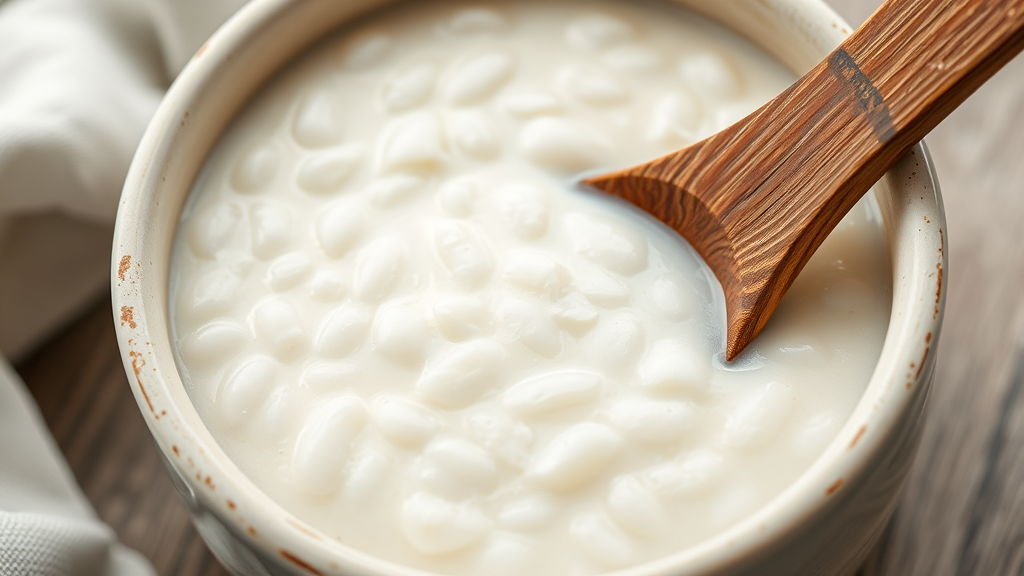
Grits are a traditional Southern dish made from coarsely ground dried corn kernels, specifically hominy corn that has been treated with an alkali solution. This process, known as nixtamalization, removes the hull and germ from the corn, leaving behind the starchy endosperm that becomes the familiar creamy, porridge-like dish we know as grits.
From a nutritional standpoint, grits are primarily composed of carbohydrates, with a one-cup serving of cooked grits containing approximately 182 calories, 38 grams of carbohydrates, 4 grams of protein, and less than 1 gram of fat. They also provide small amounts of essential nutrients including iron, magnesium, and B vitamins, particularly niacin and thiamine.
The corn used to make grits is similar to what you might find in other corn-based products your dog might encounter. Just as you might wonder about corn safety for your pet, understanding the corn foundation of grits is crucial for making informed feeding decisions.
Safety Considerations for Dogs Eating Grits
When considering whether grits are safe for dogs, the primary concern isn’t toxicity – plain, cooked grits without additives are generally safe for most dogs in small quantities. However, the way grits are typically prepared for human consumption can create potential problems for our canine companions.
Most commercially prepared or restaurant-style grits contain significant amounts of butter, salt, cheese, or other seasonings that can be harmful to dogs. Excessive sodium can lead to dehydration, increased thirst, and in severe cases, sodium poisoning. High-fat additions like butter and cheese can trigger digestive upset or contribute to pancreatitis in sensitive dogs.
The texture and consistency of grits can also pose challenges for some dogs. While the soft, creamy texture might seem ideal for dogs with dental issues, it can also stick to teeth and potentially contribute to dental problems if fed regularly without proper dental care.
Potential Benefits of Grits for Dogs
When prepared appropriately, plain grits can offer some nutritional benefits for dogs. The carbohydrate content provides a source of energy, which can be particularly beneficial for active dogs or those recovering from illness. The easily digestible nature of well-cooked grits makes them potentially suitable for dogs with sensitive stomachs or digestive issues.
Grits can serve as a bland diet option similar to how rice is used for dogs experiencing gastrointestinal upset. The mild flavor and soft texture can be appealing to dogs who are reluctant to eat due to illness or medication side effects.
The B vitamins present in grits, particularly niacin and thiamine, support nervous system function and energy metabolism. While dogs typically receive adequate B vitamins from their regular diet, additional sources can be beneficial during times of stress or illness.
Risks and Concerns to Consider
Despite potential benefits, there are several risks associated with feeding grits to dogs that every owner should understand. The high carbohydrate content can contribute to weight gain if fed regularly or in large quantities, particularly problematic for sedentary or overweight dogs.
Some dogs may have difficulty digesting corn-based products, leading to gastrointestinal upset including diarrhea, gas, or stomach discomfort. Dogs with known corn allergies or sensitivities should avoid grits entirely. If your pet experiences digestive issues, you might need to consider appropriate foods for digestive upset.
The processed nature of grits means they lack many of the nutrients found in whole grains. Regular consumption could potentially displace more nutritious foods from your dog’s diet. Additionally, the rapid digestion of processed carbohydrates can cause blood sugar spikes, which may be concerning for diabetic dogs.
Safe Preparation Guidelines
If you decide to offer grits to your dog, proper preparation is essential for safety. Always prepare grits specifically for your dog using plain water without any salt, butter, milk, or seasonings. Cook the grits thoroughly until they reach a smooth, creamy consistency that’s easy for your dog to digest.
Allow the grits to cool to room temperature before serving to prevent burns to your dog’s mouth and tongue. The consistency should be similar to a thick porridge – not too runny, which could be messy, but not so thick that it becomes difficult to swallow.
Never give your dog leftover grits that were prepared for human consumption, as these likely contain ingredients that could be harmful to your pet. Fresh preparation ensures you have complete control over the ingredients and can maintain the safest possible option for your furry friend.
Serving Size and Frequency Recommendations
When it comes to serving grits to your dog, moderation is key. For most dogs, grits should be considered an occasional treat rather than a regular part of their diet. A general guideline is to limit grits to no more than 10% of your dog’s daily caloric intake, which translates to about 1-2 tablespoons for small dogs and up to 1/4 cup for larger breeds.
Frequency should be limited to once or twice per week at most. This allows you to provide variety in your dog’s diet without risking nutritional imbalances or digestive upset. Always introduce grits gradually, starting with very small amounts to gauge your dog’s tolerance and reaction.
Consider your dog’s overall diet when determining appropriate serving sizes. If your dog regularly receives other grain-based treats or foods, you may need to reduce the portion size of grits accordingly to maintain proper nutritional balance.
Healthy Alternatives to Grits
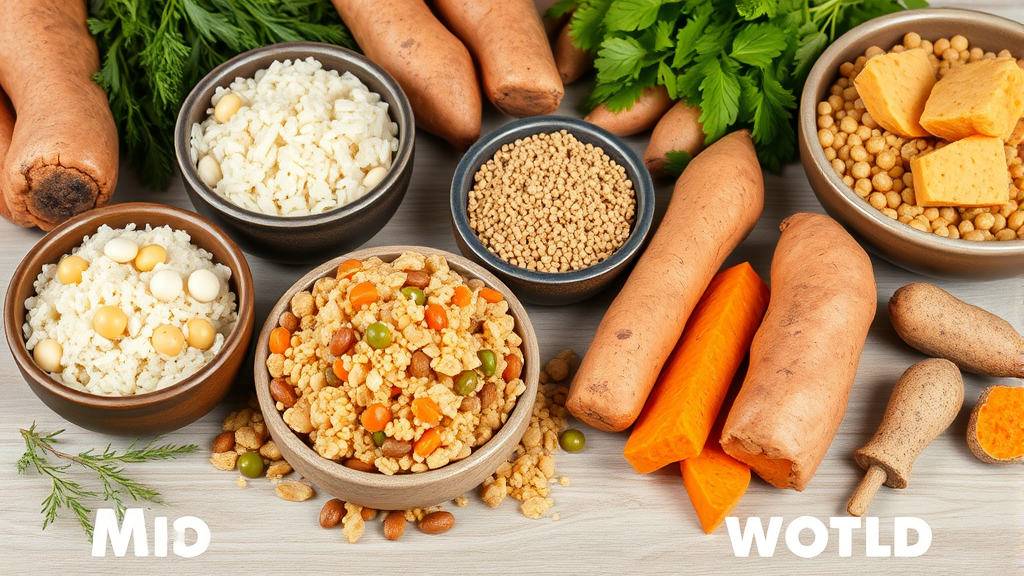
If you’re looking for safe, grain-based options for your dog, there are several alternatives that may provide better nutritional value than grits. Brown rice offers more fiber and nutrients than processed grits, while white rice provides a gentler option for sensitive stomachs.
Quinoa is an excellent alternative that provides complete proteins and essential amino acids. Sweet potatoes offer complex carbohydrates along with vitamins A and C, making them a more nutritious option than grits.
For dogs who enjoy breakfast foods, plain oatmeal can be a healthier choice than grits. You might also consider scrambled eggs as a protein-rich breakfast option, though moderation is important with any human food.
When to Consult Your Veterinarian
Before introducing grits or any new food to your dog’s diet, it’s wise to consult with your veterinarian, especially if your dog has any existing health conditions. Dogs with diabetes, obesity, food allergies, or digestive issues may need special dietary considerations that make grits inappropriate.
If you notice any adverse reactions after feeding grits to your dog, including vomiting, diarrhea, excessive gas, lethargy, or changes in appetite, discontinue feeding grits immediately and contact your veterinarian. These symptoms could indicate food intolerance or an allergic reaction.
Regular veterinary check-ups should include discussions about your dog’s diet and any human foods you’re considering adding. Your vet can provide personalized recommendations based on your dog’s age, breed, size, and health status.
Frequently Asked Questions
Can puppies eat grits safely?
Puppies have more sensitive digestive systems than adult dogs, so it’s generally recommended to avoid giving grits to puppies under six months old. If you want to introduce grits to an older puppy, start with very small amounts and consult your veterinarian first. Puppies need carefully balanced nutrition for proper development, and human foods like grits shouldn’t replace their specially formulated puppy food.
Are instant grits safe for dogs?
Instant grits are generally safe for dogs when prepared plain with water only, but they’re more processed than regular grits and may contain additional preservatives or sodium. Regular stone-ground grits are a better choice if you want to give your dog this treat. Always check the ingredient list on instant grits packages to ensure they don’t contain harmful additives like garlic powder or excessive salt.
Can dogs with corn allergies eat grits?
No, dogs with corn allergies should never eat grits since they’re made from ground corn. Even trace amounts could trigger an allergic reaction. If your dog has a known corn allergy, stick to corn-free alternatives like rice or oatmeal. Signs of corn allergy in dogs include itching, digestive upset, ear infections, and skin problems.
How much grits can I give my dog?
The amount of grits you can safely give your dog depends on their size and overall health. As a general rule, treats and human foods should make up no more than 10% of your dog’s daily calories. For a 20-pound dog, this would be about 1-2 tablespoons of cooked grits. For larger dogs weighing 50+ pounds, up to 1/4 cup might be appropriate. Always start with smaller amounts to test tolerance.
Can grits help with my dog’s upset stomach?
Plain, well-cooked grits can potentially help soothe a mildly upset stomach due to their bland nature and easy digestibility, similar to how rice is often used. However, they shouldn’t be your first choice for digestive issues. Rice is generally preferred for upset stomachs because it’s less processed and easier to digest. Always consult your veterinarian for persistent digestive problems.
Are cheese grits safe for dogs?
Cheese grits are not recommended for dogs due to the high fat and sodium content, plus many dogs are lactose intolerant. The cheese component can cause digestive upset, and the combination of butter, salt, and cheese makes this dish too rich for most dogs. If you want to give your dog grits, prepare them plain with water only.
Can I give my dog grits instead of rice?
While grits can serve a similar purpose to rice as a bland, easily digestible carbohydrate, rice is generally the better choice for dogs. Rice is less processed, contains more nutrients, and is less likely to cause digestive issues. Both should only be given in moderation as treats or temporary dietary aids, not as regular meal replacements. Some dogs may find comfort foods like pancakes appealing, but healthier options are always preferable.





