

As a devoted dog parent, you’ve probably found yourself wondering about the safety of various human foods for your furry companion. One question that frequently comes up is whether ground beef is safe for dogs to consume. The good news is that ground beef can indeed be a nutritious addition to your pup’s diet when prepared and served correctly.
Ground beef offers excellent protein content and essential nutrients that can benefit your dog’s health. However, like many human foods, there are important considerations regarding preparation, portion sizes, and potential risks that every responsible pet owner should understand before sharing this common household ingredient with their canine friend.
Nutritional Benefits of Ground Beef for Dogs
Ground beef serves as an excellent source of high-quality protein for dogs, containing all essential amino acids necessary for maintaining strong muscles, healthy skin, and a shiny coat. This complete protein source supports your dog’s overall growth and development while providing the energy needed for daily activities and play.
Beyond protein, ground beef contains vital nutrients including iron, which supports healthy blood cell production and prevents anemia. The zinc content helps maintain a robust immune system and promotes proper wound healing. B-vitamins, particularly B12, support nervous system function and energy metabolism, while selenium acts as a powerful antioxidant protecting cells from damage.
The fat content in ground beef provides essential fatty acids that contribute to brain function and help maintain healthy skin and coat condition. However, it’s crucial to choose leaner cuts to avoid excessive fat intake, which could lead to digestive upset or weight gain in sensitive dogs.
Safe Preparation Methods
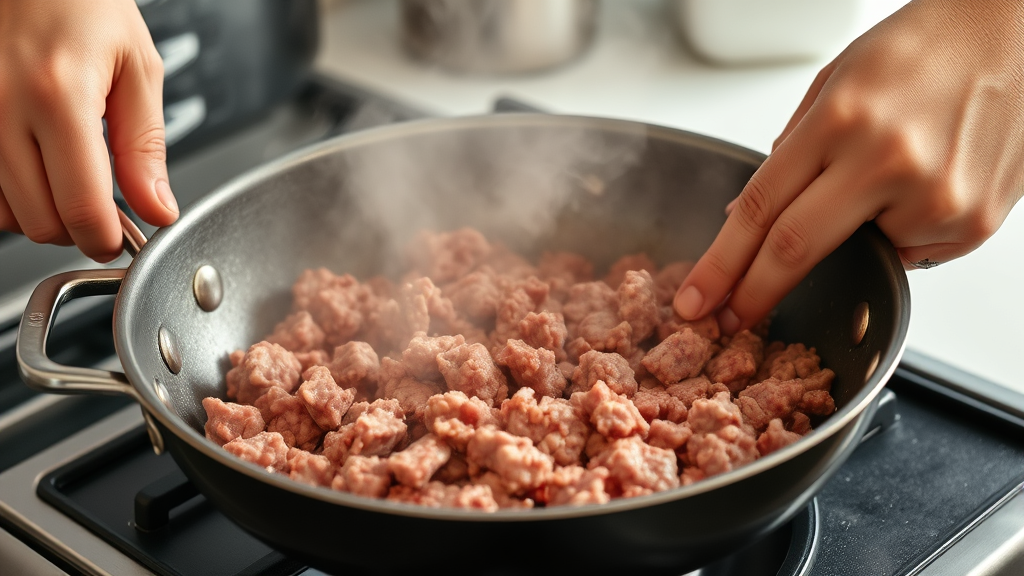
Proper preparation of ground beef for your dog is absolutely critical for preventing foodborne illnesses and ensuring maximum nutritional benefits. Always cook ground beef thoroughly to an internal temperature of at least 160°F (71°C) to eliminate harmful bacteria such as E. coli, Salmonella, and other pathogens that could cause serious illness in your pet.
When preparing ground beef for your dog, avoid adding any seasonings, spices, onions, garlic, or salt, as these ingredients can be toxic or harmful to canines. Plain, cooked ground beef is the safest option. Drain excess fat after cooking to prevent digestive issues and reduce caloric content.
Consider browning the ground beef in a dry pan without oil or butter, then thoroughly draining the fat before serving. This method ensures your dog receives the protein benefits without excessive fat that could upset their stomach. Allow the cooked meat to cool completely before offering it to your pet to prevent burns or mouth injuries.
Some pet owners wonder about raw ground beef, but veterinarians generally recommend against feeding raw meat due to the increased risk of bacterial contamination and parasites. The American Veterinary Medical Association advises against raw diets due to potential health risks.
Proper Portion Control and Feeding Guidelines
Understanding how much food should i feed my dog becomes crucial when incorporating ground beef into their diet. Ground beef should only constitute a small portion of your dog’s overall caloric intake, typically no more than 10% of their daily calories to maintain nutritional balance.
For small dogs weighing under 20 pounds, limit ground beef portions to 1-2 tablespoons per serving. Medium-sized dogs between 20-50 pounds can safely consume 2-4 tablespoons, while larger dogs over 50 pounds may have up to 4-6 tablespoons. These portions should be offered no more than 2-3 times per week as a treat or supplement to their regular dog food.
Always introduce ground beef gradually into your dog’s diet, starting with very small amounts to monitor for any adverse reactions. Some dogs may experience digestive sensitivity when trying new proteins, so a slow introduction helps identify potential issues early.
Remember that treats and supplements, including ground beef, should never replace your dog’s complete and balanced commercial dog food. Quality dog foods are specifically formulated to meet all nutritional requirements, while human food additions should remain supplementary.

Potential Risks and Precautions
While ground beef can be safe for most dogs, several risks require careful consideration. High-fat content in certain ground beef varieties can trigger pancreatitis, a serious and potentially life-threatening condition causing severe abdominal pain, vomiting, and loss of appetite. Dogs with sensitive stomachs or history of digestive issues should receive only very lean ground beef in minimal quantities.
Food allergies, though less common with beef compared to other proteins, can still occur. Symptoms of beef allergies include itching, skin irritation, digestive upset, and in severe cases, anaphylactic reactions. If your dog shows any signs of allergic reaction after consuming ground beef, discontinue feeding immediately and consult your veterinarian.
Raw or undercooked ground beef poses significant risks including bacterial infections, parasites, and foodborne illnesses. The Centers for Disease Control and Prevention emphasizes the importance of proper meat handling and cooking to prevent contamination.
Additionally, some dogs may experience digestive upset when switching proteins or consuming rich foods like ground beef. Similar to concerns about what to feed dog with diarrhea, introducing new foods gradually helps prevent gastrointestinal disturbances.
Alternative Protein Sources
If ground beef doesn’t suit your dog’s dietary needs or preferences, numerous alternative protein sources provide similar nutritional benefits. Lean ground turkey offers lower fat content while maintaining high protein levels, making it ideal for dogs requiring weight management or having sensitive digestion.
Fish proteins like sardines provide omega-3 fatty acids beneficial for skin, coat, and joint health. However, be cautious about bones when considering whether dogs can eat chicken bones, as cooked bones can splinter and cause serious injuries.
Eggs represent another excellent protein alternative, and many pet owners ask can dogs eat scrambled eggs. Plain scrambled eggs without butter or seasoning provide complete protein and are generally well-tolerated by most dogs.
For dogs with protein sensitivities, novel proteins like venison, duck, or fish may be better options. Always consult with your veterinarian before making significant dietary changes, especially if your dog has known food allergies or sensitivities.
Some processed meats like bacon should be avoided due to high sodium content and preservatives that can be harmful to dogs. Stick to fresh, plain proteins for the safest options.
When to Consult Your Veterinarian
Before introducing ground beef or any new food into your dog’s diet, consulting with your veterinarian ensures the best outcomes for your pet’s health. This is particularly important for dogs with pre-existing health conditions, food allergies, or digestive sensitivities that might be exacerbated by dietary changes.
Veterinarians can provide personalized recommendations based on your dog’s age, weight, activity level, and overall health status. Senior dogs or those with kidney disease may require modified protein levels, while puppies have different nutritional needs compared to adult dogs.
The American Kennel Club emphasizes the importance of maintaining nutritional balance when adding human foods to your dog’s diet. Professional guidance helps ensure you’re not inadvertently creating nutritional imbalances.
If your dog experiences any adverse reactions after consuming ground beef, such as vomiting, diarrhea, excessive gas, or signs of allergic reaction, contact your veterinarian immediately. Quick intervention can prevent more serious complications and help identify the underlying cause of the reaction.
For dogs requiring special diets due to medical conditions, your veterinarian may recommend specific preparation methods or portion sizes for ground beef, or may advise against it entirely depending on your pet’s individual needs.
Complementary foods like rice can be safely combined with ground beef for dogs with sensitive stomachs. Both brown rice and white rice can serve as gentle, digestible carbohydrate sources when mixed with lean proteins.
Frequently Asked Questions
Can I feed my dog raw ground beef?
Raw ground beef is not recommended for dogs due to the risk of bacterial contamination, including E. coli, Salmonella, and other harmful pathogens. The FDA advises against raw pet food diets due to potential health risks. Always cook ground beef thoroughly to an internal temperature of 160°F before serving to your dog.
How much ground beef can I give my dog daily?
Ground beef should comprise no more than 10% of your dog’s daily caloric intake. For small dogs under 20 pounds, limit portions to 1-2 tablespoons per serving. Medium dogs (20-50 pounds) can have 2-4 tablespoons, while large dogs over 50 pounds may receive up to 4-6 tablespoons. Offer ground beef no more than 2-3 times per week as a treat or supplement.
What should I do if my dog has an allergic reaction to ground beef?
If your dog shows signs of allergic reaction such as itching, skin irritation, vomiting, diarrhea, or difficulty breathing, stop feeding ground beef immediately and contact your veterinarian. Severe allergic reactions require immediate medical attention. Document the symptoms and timing to help your veterinarian determine the best course of treatment.
Can puppies eat ground beef?
Puppies can eat small amounts of properly cooked, plain ground beef, but their developing digestive systems are more sensitive than adult dogs. Start with very small portions and monitor closely for any digestive upset. Always consult your veterinarian before introducing new foods to puppies, as they have specific nutritional requirements for proper growth and development.
Is ground beef better than commercial dog food?
Ground beef alone cannot replace commercial dog food, which is specifically formulated to meet all of your dog’s nutritional needs. According to the Association of American Feed Control Officials, complete and balanced dog foods provide optimal nutrition. Ground beef should only serve as an occasional treat or supplement to a high-quality commercial diet.
What type of ground beef is safest for dogs?
Choose lean ground beef with the lowest fat content available, typically 90/10 or 95/5 lean-to-fat ratio. Avoid seasoned or pre-flavored ground beef products, as they may contain ingredients harmful to dogs like onions, garlic, or excessive salt. Organic or grass-fed options may provide additional nutritional benefits but aren’t necessary for safety.
Can ground beef cause pancreatitis in dogs?
High-fat ground beef can potentially trigger pancreatitis, especially in dogs prone to this condition or those with sensitive digestive systems. The Merck Veterinary Manual identifies high-fat foods as potential triggers. Choose lean ground beef and feed in moderation to minimize this risk. Contact your veterinarian immediately if your dog shows signs of abdominal pain, vomiting, or loss of appetite after eating ground beef.





