
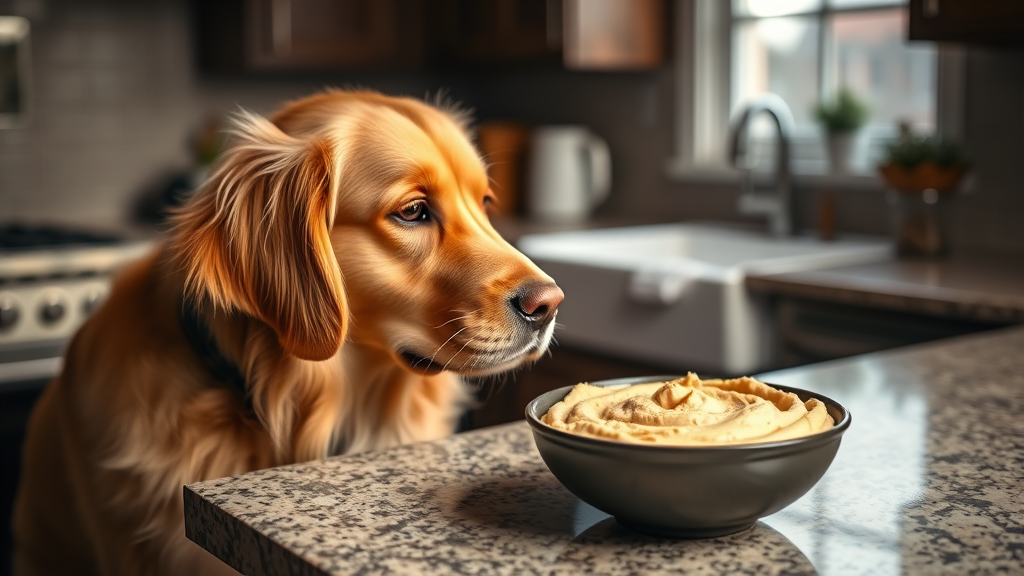
As dog owners, we often find ourselves sharing meals and snacks with our beloved canine companions. While this bonding experience can be wonderful, it’s crucial to understand which foods are safe for our furry friends and which ones should remain strictly off-limits. Hummus, a popular Mediterranean dip made from chickpeas, has become a staple in many households, leading pet parents to wonder: can dogs eat hummus?
The short answer is no – dogs should not eat hummus. While the main ingredient, chickpeas, might seem harmless, traditional hummus contains several ingredients that can be harmful or even toxic to dogs. Understanding why hummus poses risks to your canine companion is essential for keeping them healthy and safe.
In this comprehensive guide, we’ll explore the ingredients in hummus, explain why each component can be problematic for dogs, and provide safe alternatives that will keep your pup happy and healthy during snack time.
Breaking Down Hummus Ingredients
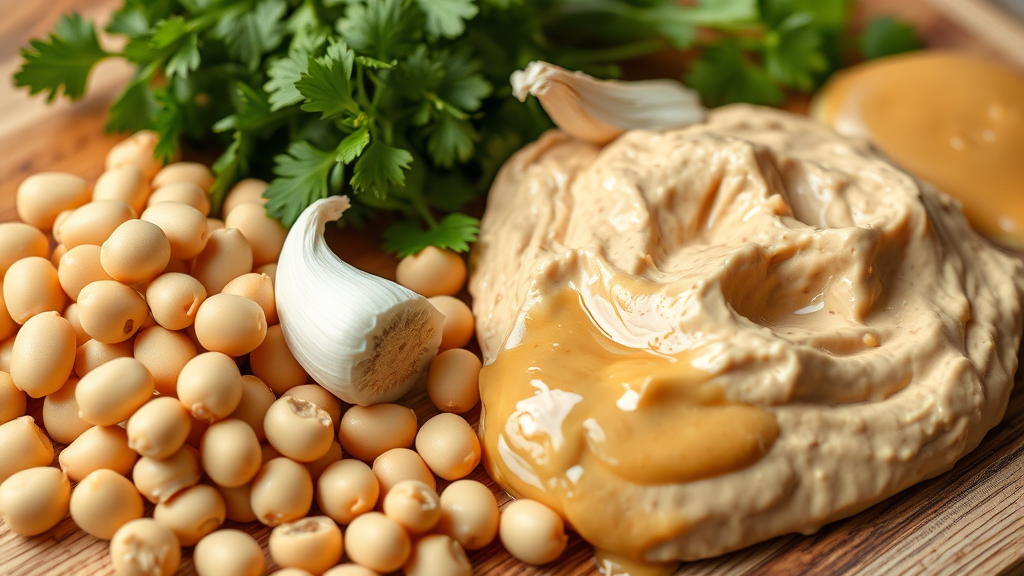
To understand why hummus isn’t suitable for dogs, we need to examine its typical ingredients. Traditional hummus contains chickpeas, tahini (sesame seed paste), lemon juice, garlic, olive oil, and salt. While some of these ingredients might appear harmless individually, their combination creates a mixture that’s inappropriate for canine consumption.
The primary ingredient in hummus is chickpeas, also known as garbanzo beans. Can Dogs Eat Chickpeas explores this topic in detail, revealing that plain, cooked chickpeas can actually be safe for dogs in moderation. However, the problem arises with the other ingredients commonly found in hummus preparations.
Can Dogs Eat Tahini discusses another key component – tahini, which is made from ground sesame seeds. While not toxic, tahini is extremely high in fat and can cause digestive upset in dogs, particularly those with sensitive stomachs or pancreatitis.
Toxic Components in Hummus
The most dangerous ingredients in hummus for dogs are garlic and onions, which are often included for flavoring. Both belong to the Allium family and contain compounds called thiosulfates, which are highly toxic to dogs. Can Dogs Eat Garlic provides detailed information about garlic toxicity, explaining that even small amounts can cause serious health issues in dogs.
According to the ASPCA Animal Poison Control Center, garlic is considered more potent than onions and can cause hemolytic anemia, where the dog’s red blood cells are destroyed faster than they can be produced. This condition can be life-threatening if left untreated.
Can Dogs Eat Onions further elaborates on why onion powder or fresh onions in hummus pose similar risks. The American Kennel Club emphasizes that all forms of onions and garlic – fresh, dried, powdered, or cooked – are toxic to dogs.
Lemon juice, another common hummus ingredient, presents additional concerns. Can Dogs Eat Lemon explains that while not toxic, citrus fruits can cause gastrointestinal upset and may lead to stomach irritation in sensitive dogs. The high acidity can also potentially cause dental issues over time.
Health Risks and Symptoms
When dogs consume hummus, several health risks emerge depending on the quantity consumed and the dog’s size and sensitivity. The most serious concern is Allium toxicity from garlic and onions, which can manifest as weakness, lethargy, pale gums, rapid breathing, and collapse in severe cases.
The high fat content from tahini and Can Dogs Eat Olive Oil components can trigger pancreatitis, a painful inflammation of the pancreas. Symptoms include vomiting, diarrhea, abdominal pain, loss of appetite, and dehydration. The American Veterinary Medical Association notes that pancreatitis can range from mild to severe and may require immediate veterinary intervention.
Additionally, the high sodium content in most commercial hummus preparations can lead to salt poisoning in dogs. Excessive sodium intake can cause increased thirst, urination, vomiting, diarrhea, and in severe cases, neurological symptoms including seizures.
Safe Alternatives for Dogs
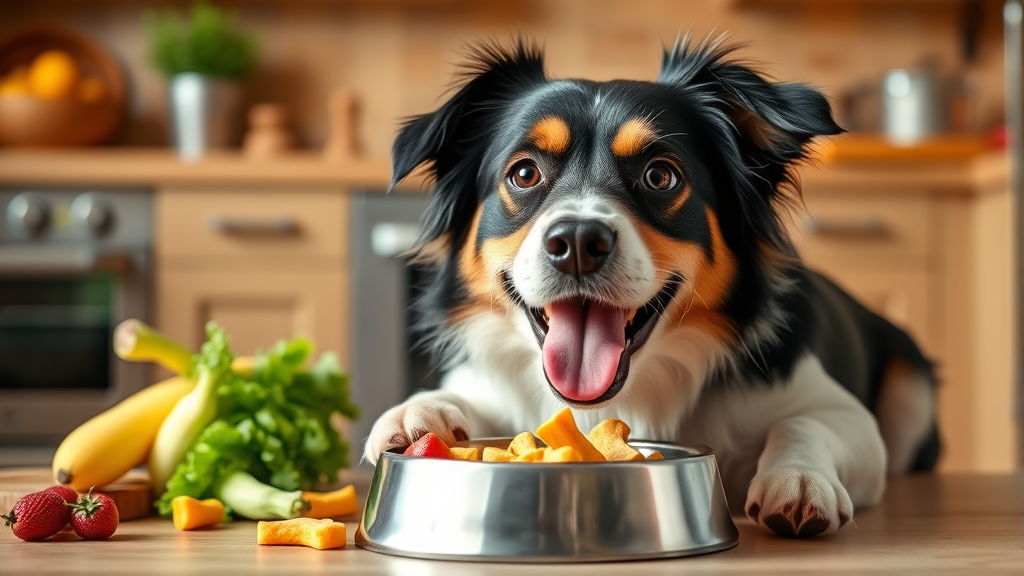
Instead of sharing hummus with your dog, consider these safe and healthy alternatives that can satisfy their craving for something special. Plain, cooked chickpeas without any seasonings can be offered as an occasional treat, providing protein and fiber that many dogs enjoy.
You can create dog-friendly “hummus” alternatives using safe ingredients like plain cooked chickpeas blended with a small amount of plain yogurt or bone broth. Some pet owners successfully make chickpea-based treats by mashing cooked chickpeas with a tiny bit of peanut butter (xylitol-free) or pumpkin puree.
For dogs who enjoy creamy textures, consider offering small amounts of plain Greek yogurt, unsalted peanut butter, or pureed pumpkin as healthier alternatives. The Humane Society provides comprehensive lists of Safe Human Foods for Dogs that can guide your choices for healthy treats.
What to Do If Your Dog Eats Hummus
If your dog accidentally consumes hummus, the first step is to remain calm and assess the situation. Consider the amount consumed, your dog’s size, and the specific ingredients in the hummus. Remove any remaining hummus from your dog’s reach immediately to prevent further consumption.
Contact your veterinarian or the ASPCA Animal Poison Control Center for guidance, especially if the hummus contained significant amounts of garlic or onions. They may recommend monitoring your dog at home for mild cases or bringing them in for immediate treatment in more serious situations.
Monitor your dog closely for symptoms of distress, including vomiting, diarrhea, lethargy, difficulty breathing, or changes in gum color. Keep a record of when the hummus was consumed and any symptoms that develop, as this information will be valuable for veterinary assessment.
Do not attempt to induce vomiting unless specifically instructed by a veterinary professional, as this can sometimes cause more harm than good depending on the timing and circumstances of ingestion.
Prevention and Safety Tips
Prevention is always the best approach when it comes to keeping your dog safe from potentially harmful foods. Store hummus and other What Foods Are Toxic to Dogs in secure containers and locations where curious pets cannot access them.
Educate family members and guests about foods that should never be shared with dogs. Create a designated list of safe treats that everyone can reference when they want to give your dog something special during meal times or gatherings.
Consider using baby gates or crate training during meal preparation and consumption to prevent accidental ingestion of dropped food. The FDA’s Center for Veterinary Medicine emphasizes the importance of maintaining a safe environment for pets in the kitchen and dining areas.
Establish clear feeding routines and stick to dog-appropriate treats and meals. This consistency helps prevent confusion and reduces the likelihood of accidental feeding of inappropriate foods.
Frequently Asked Questions
Can dogs eat plain chickpeas without other hummus ingredients?
Yes, plain cooked chickpeas can be safe for dogs in moderation. They should be thoroughly cooked, unsalted, and free from any seasonings or additives. Chickpeas provide protein and fiber, but they should only be given as occasional treats rather than regular meal components. Always introduce new foods gradually to monitor for any digestive upset.
What should I do if my dog ate a small amount of hummus?
If your dog consumed only a small amount of hummus, monitor them closely for the next 24-48 hours for symptoms like vomiting, diarrhea, lethargy, or breathing difficulties. Contact your veterinarian for advice, especially if the hummus contained garlic or onions. The severity of the situation depends on your dog’s size, the amount consumed, and the specific ingredients in the hummus.
Are there any dog-safe hummus alternatives I can make at home?
Yes, you can create dog-friendly alternatives using plain cooked chickpeas blended with safe ingredients like unsalted bone broth, plain yogurt, or a small amount of pumpkin puree. Avoid garlic, onions, lemon juice, excessive salt, and tahini. Always introduce homemade treats gradually and in small quantities to ensure your dog tolerates them well.
How much garlic in hummus is dangerous for dogs?
Any amount of garlic can be harmful to dogs, as they are much more sensitive to garlic toxicity than humans. Even small amounts found in hummus can cause problems, especially for smaller dogs or those with existing health conditions. The toxic dose varies by dog size, but it’s safest to avoid garlic entirely in your dog’s diet.
Can puppies eat hummus or hummus ingredients?
No, puppies should never eat hummus or its typical ingredients like garlic and onions. Puppies have more sensitive digestive systems and are at higher risk for toxicity from harmful ingredients. Their smaller size also means that even tiny amounts of toxic substances can cause serious health problems. Stick to puppy-appropriate foods and treats recommended by your veterinarian.
What are the signs of garlic or onion poisoning in dogs?
Signs of Allium toxicity (from garlic or onions) include weakness, lethargy, pale or yellow gums, rapid breathing, vomiting, diarrhea, loss of appetite, and abdominal pain. In severe cases, dogs may experience difficulty breathing, collapse, or dark-colored urine. These symptoms may not appear immediately and can develop over several days, so continued monitoring is essential.
Is store-bought hummus worse for dogs than homemade versions?
Both store-bought and homemade hummus typically contain ingredients that are harmful to dogs, particularly garlic and onions. Store-bought versions may contain additional preservatives, higher sodium levels, and artificial ingredients that could cause further digestive upset. However, the primary concern with any hummus is the presence of toxic ingredients like garlic and onions, regardless of whether it’s homemade or commercial.





