Can Dogs Eat Jif Peanut Butter? Safety Tips Every Pet Parent Should Know
Let’s be honest—watching your dog’s eyes light up when you open a jar of peanut butter is one of life’s simple joys. That eager tail wag, the hopeful head tilt, the gentle nudge of their nose toward the spoon… it’s almost impossible to resist. But before you share your Jif peanut butter with your furry best friend, we need to have an important conversation about what’s actually safe for them to eat.
Peanut butter is one of those foods that sits in a complicated gray area for dog owners. It’s not inherently toxic, but it’s not exactly a health food either. And when it comes to specific brands like Jif, there are some critical considerations you need to understand. The good news? With the right knowledge, you can safely share peanut butter moments with your pup—or find better alternatives that won’t keep you up at night worrying about their health.
In this guide, we’re diving deep into everything you need to know about Jif peanut butter and dogs. We’ll cover the safety concerns, the ingredients you should watch out for, and practical tips for keeping your beloved companion healthy and happy.
Is Jif Peanut Butter Safe for Dogs?
The short answer is: it depends. Regular Jif peanut butter (the creamy or crunchy varieties without xylitol) is generally safe for dogs in small amounts. However, “safe” doesn’t mean it’s a great choice for your pet’s health. Most veterinarians would classify it as an occasional treat rather than a regular snack.
The primary concern with Jif isn’t that it’s toxic like xylitol is for dogs, but rather its nutritional profile. Dogs don’t need the added sugars, salt, and oils that come in commercial peanut butter brands. When you’re thinking about whether dogs can have peanut butter at all, it’s important to distinguish between what won’t kill them and what actually benefits them.
Jif’s original creamy and crunchy formulas contain peanuts, sugar, vegetable oil, and salt—none of which are ideal for your dog’s diet. That said, a small lick of Jif peanut butter won’t cause immediate harm to a healthy adult dog. The key word here is “small” and “occasional.”
According to the American Kennel Club, peanut butter can be given to dogs as a treat, but it should never constitute more than 10% of their daily caloric intake. This is where many well-meaning pet parents go wrong—they underestimate how much peanut butter their dogs are actually consuming.
Understanding Jif’s Ingredients
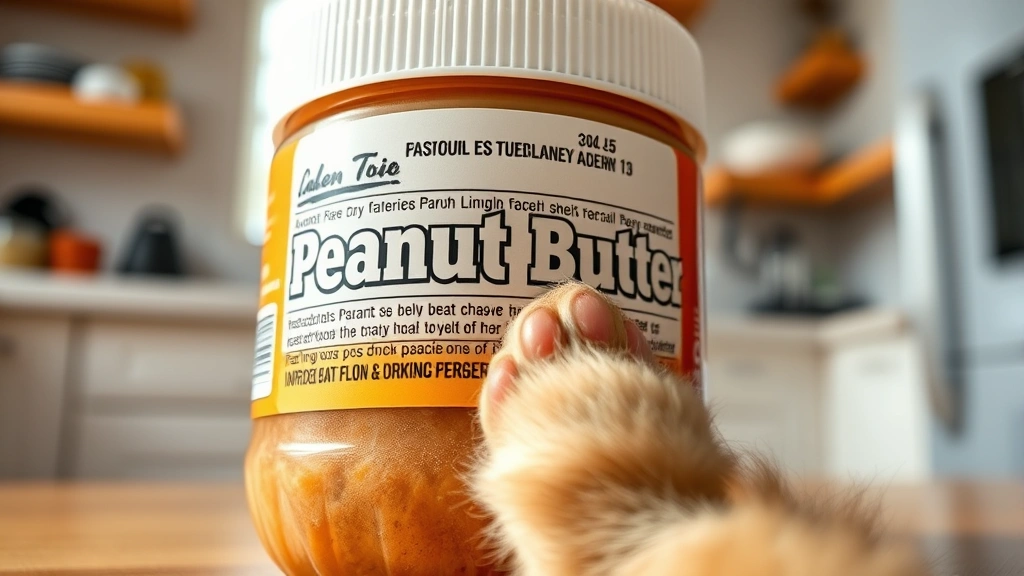
To make an informed decision about whether Jif is appropriate for your dog, you need to understand what’s actually in the jar. Let’s break down Jif’s ingredient list and what each component means for your furry friend.
Peanuts: The primary ingredient and actually fine for dogs (unless they have a peanut allergy, which is rare). Peanuts provide protein and healthy fats, which are beneficial nutrients.
Sugar: This is where problems begin. Jif contains added sugars that serve no nutritional purpose for dogs. Excessive sugar consumption can lead to obesity, dental problems, and potentially diabetes. While a tiny amount won’t cause immediate issues, regular exposure is concerning.
Vegetable Oil: The oils in Jif help achieve that creamy texture but add unnecessary calories and fat to your dog’s diet. Dogs eating too much fat can develop pancreatitis, a serious and painful condition.
Salt: Jif contains sodium, and while dogs do need some salt, commercial peanut butter has far more than they require. Excess salt can lead to dehydration and sodium poisoning in extreme cases.
It’s worth comparing Jif to other options when considering whether peanut butter is bad for dogs. Some brands offer better alternatives with fewer additives and lower sodium content.
The Xylitol Concern: The Real Danger
Here’s where we need to be crystal clear: some Jif peanut butter products contain xylitol, and xylitol is extremely toxic to dogs. This is not a “maybe it’s okay” situation—this is a serious, potentially life-threatening danger.
Xylitol is a sugar alcohol used as a sweetener in sugar-free and reduced-sugar products. It’s become increasingly common in peanut butter brands marketed toward health-conscious humans. For dogs, xylitol triggers a massive insulin release that causes their blood sugar to plummet dangerously. Even small amounts can cause liver failure and death.
The critical thing to understand is that not all Jif products contain xylitol, but some do. Specifically, Jif’s “Natural” line with added honey and certain reduced-fat varieties may contain this dangerous ingredient. This is why reading labels is absolutely essential.
Signs of xylitol poisoning in dogs include vomiting, lethargy, loss of coordination, and seizures. These symptoms can appear within 30 minutes of ingestion. If you suspect your dog has eaten xylitol-containing peanut butter, contact your veterinarian or ASPCA Animal Poison Control Center immediately.
Before giving your dog any peanut butter—Jif or otherwise—check the ingredient label for xylitol. If it’s listed, don’t give it to your dog under any circumstances. This is non-negotiable.
Sodium and Sugar Content: The Hidden Risks
Even if your Jif peanut butter doesn’t contain xylitol, the sodium and sugar levels are concerning for regular consumption. Let’s talk numbers.
A typical serving of Jif (2 tablespoons) contains about 190 calories, 7 grams of sugar, and 150 milligrams of sodium. For a 30-pound dog, those 190 calories represent about 15-20% of their daily caloric needs in a single serving. Add in a typical dog food meal, and you’re quickly exceeding healthy caloric intake.
The sugar content is particularly problematic. Dogs don’t need added sugars. Their bodies can derive all necessary energy from protein and fat in their regular diet. Excess sugar contributes to:
- Weight gain and obesity
- Dental disease and tooth decay
- Increased risk of diabetes
- Digestive upset
- Hyperactivity and behavioral issues
The sodium is equally concerning. Dogs require only about 100 milligrams of sodium per 1,000 calories of food. That single Jif serving nearly meets their entire daily requirement, and it hasn’t even included their actual meals yet. Over time, excessive sodium intake can contribute to high blood pressure and kidney disease.
This is why understanding peanut butter safety across different brands matters—some brands offer lower-sodium, lower-sugar options that are genuinely better choices for your dog.
Safe Alternatives to Jif Peanut Butter
If you want to share peanut butter treats with your dog, there are genuinely better options than Jif. Here are some alternatives that are safer and healthier:
Natural, Unsalted Peanut Butter: Brands that contain only peanuts (and sometimes a tiny amount of salt for preservation) are your best bet. These have no added sugar, no xylitol, and significantly less sodium. You’ll recognize them because the oil separates and sits on top—that’s how you know there are no additives.
Dog-Specific Peanut Butter: Several companies now make peanut butter specifically formulated for dogs, with appropriate sodium and sugar levels. These are genuinely worth the investment if you want to give your dog peanut butter treats.
Almond Butter: If you’re looking for variety, almond butter can be a safe alternative, provided it also contains no xylitol and minimal added ingredients.
Pumpkin Puree: This is an excellent alternative that many dogs love equally. It’s low in calories, high in fiber, and actually beneficial for digestive health.
Frozen Banana: Plain frozen banana is sweet, satisfying, and far healthier than any peanut butter treat. Many dogs go crazy for it.
If you’re curious about why dogs like peanut butter, it’s primarily the fat content and smell. You can satisfy that craving with healthier alternatives that don’t come with the health risks.
How to Safely Serve Peanut Butter to Your Dog
If you’ve decided that giving your dog Jif or another peanut butter brand is something you want to do, here’s how to do it as safely as possible:
- Check the Label First: Before anything else, verify that xylitol is not listed in the ingredients. Read the entire label, as xylitol sometimes appears further down the list.
- Start Small: If your dog has never had peanut butter, start with a tiny amount—just a lick or a small dab—to ensure they don’t have a sensitivity or allergy.
- Follow the 10% Rule: Peanut butter treats should never exceed 10% of your dog’s daily caloric intake. For a 30-pound dog eating about 900 calories per day, that means no more than 90 calories from peanut butter, which is roughly half a tablespoon of Jif.
- Use as Training Treat: Rather than serving peanut butter as a standalone snack, use small amounts as a high-value reward during training sessions. This limits portion size and adds value.
- Consider Your Dog’s Health: If your dog is overweight, has pancreatitis, diabetes, or other health conditions, peanut butter should be avoided entirely or only given under veterinary supervision.
- Don’t Use as Filler: Never use peanut butter to hide medications or fill Kong toys as a regular practice. This leads to excessive consumption.
- Supervise Always: If you do give your dog peanut butter, supervise them to ensure they don’t get into the jar or consume more than intended.
Remember, just because something won’t immediately harm your dog doesn’t mean it’s a good idea to make it a regular habit. Occasional small amounts of appropriate peanut butter are fine; daily servings or large quantities are not.
Warning Signs That Peanut Butter Is Causing Problems
Even if you’re following safety guidelines, it’s important to watch for signs that peanut butter isn’t agreeing with your dog:
- Vomiting or Diarrhea: Gastrointestinal upset is a common sign that the fat content is too much for your dog’s system.
- Pancreatitis Symptoms: Severe abdominal pain, hunching, lethargy, and loss of appetite can indicate pancreatitis, which can be triggered by high-fat foods. This is a veterinary emergency.
- Weight Gain: If your dog is gaining weight despite normal meal portions, treats like peanut butter are likely contributing.
- Excessive Thirst: Increased water consumption can indicate sodium overload.
- Dental Problems: Sugar in peanut butter contributes to plaque buildup and tooth decay. Regular dental checks are important.
- Hyperactivity: Some dogs become overly energetic or anxious after sugar consumption.
- Itching or Allergic Reactions: While peanut allergies in dogs are rare, they do occur. Excessive itching, hives, or facial swelling warrant veterinary attention.
If you notice any of these signs, discontinue peanut butter immediately and consult your veterinarian. Your dog’s health is always more important than a treat.
Frequently Asked Questions
Is Jif peanut butter definitely safe for dogs?
Regular Jif peanut butter (without xylitol) is not toxic to dogs in small amounts, but it’s not an ideal treat due to high sugar, sodium, and fat content. It’s safe in the sense that it won’t poison your dog, but healthier alternatives exist. Always check the label for xylitol, which is extremely dangerous.
How much Jif can I give my dog?
No more than 10% of your dog’s daily calories should come from treats. For most dogs, this means a very small amount—typically less than half a tablespoon of Jif per day, and not daily. Many dogs are fine having peanut butter only occasionally.
What if my dog ate a whole jar of Jif?
If your dog consumed a large quantity of xylitol-free Jif, contact your veterinarian. They may induce vomiting or provide supportive care depending on the amount consumed and your dog’s size. Watch for signs of pancreatitis (severe abdominal pain, lethargy) and gastrointestinal upset.
Does Jif have xylitol in all their products?
No, but some Jif varieties do contain xylitol. The original Jif creamy and crunchy peanut butter typically don’t contain it, but some natural and reduced-fat varieties may. Always read the label carefully.
What’s a healthier peanut butter alternative?
Natural, unsalted peanut butter with no added ingredients is much healthier. Alternatively, dog-specific peanut butter brands, plain pumpkin puree, or frozen banana are excellent choices that most dogs love.
Can puppies have Jif peanut butter?
Puppies should avoid Jif and other commercial peanut butters. Their developing digestive systems are sensitive, and they need proper nutrition, not empty calories from sugar and fat. Wait until your dog is an adult before introducing any peanut butter, and even then, choose healthier alternatives.
Is peanut butter good for dogs’ teeth?
No. The sugar in peanut butter contributes to plaque buildup and tooth decay. If you want to support your dog’s dental health, stick with dental chews and regular brushing rather than sugary treats.
What if my dog has a peanut allergy?
Peanut allergies in dogs are rare but possible. Signs include itching, hives, facial swelling, and gastrointestinal upset. If you suspect an allergy, avoid all peanut products and consult your veterinarian about appropriate testing and treatment.