Can Dogs Eat Kettle Corn? Safety Tips and Risks
Picture this: you’re cozied up on the couch with a big bowl of kettle corn, and your furry best friend gives you those irresistible puppy-dog eyes. Before you share a handful with your pup, let’s talk about whether kettle corn is actually safe for dogs. The short answer? It’s complicated. While plain air-popped corn can be okay in moderation, kettle corn’s combination of salt, sugar, and seasonings makes it a risky snack for your canine companion.
As pet parents, we want to give our dogs the best care possible, and that includes understanding what foods are safe to share. Kettle corn might seem like a harmless treat, but the ingredients used to make it taste so delicious can actually pose real health risks to dogs. From sodium overload to potential digestive upset, there’s more to this sweet-and-salty snack than meets the eye.
In this comprehensive guide, we’ll explore everything you need to know about kettle corn and dogs, including what makes it problematic, safer alternatives, and what to do if your pup sneaks a bite. Let’s dive in!
What Is Kettle Corn?
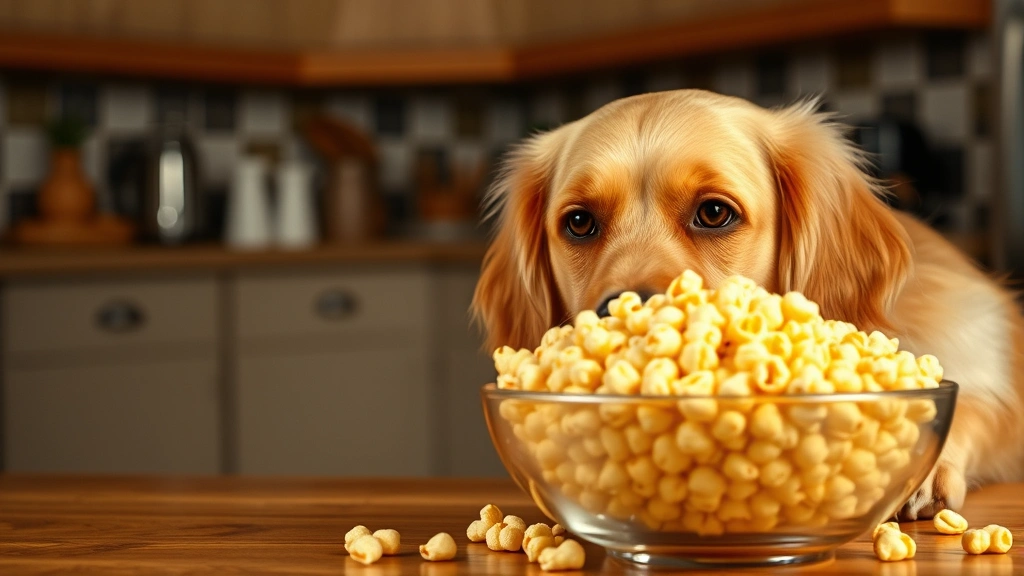
Kettle corn is a beloved snack that combines the best of both worlds—or so humans think. It’s essentially popcorn coated with a mixture of sugar, salt, and oil, typically cooked in large kettles (hence the name). The result is a sweet, salty, and sometimes buttery treat that’s popular at movie theaters, carnivals, and in homes across America.
Now, you might be wondering: if plain popcorn can be safe for dogs, isn’t kettle corn just a fancier version? Not quite. The key difference lies in what gets added to that popcorn. While the base ingredient—corn—can be safe for dogs in certain forms, the seasoning and preparation methods used in kettle corn create a very different nutritional profile that’s far less dog-friendly.
The appeal of kettle corn for humans is clear: it’s addictive, affordable, and satisfying. But what makes it appealing to us doesn’t necessarily translate to being good for our four-legged friends. In fact, the very qualities that make kettle corn delicious to human taste buds are often the same ones that make it problematic for dogs.
Breaking Down the Ingredients
To understand whether kettle corn is safe for dogs, we need to examine what’s actually in it. Most kettle corn contains a surprisingly simple ingredient list, but each component warrants careful consideration when it comes to canine health.
Popcorn Base: The foundation of kettle corn is popcorn, which is corn kernels that have been heated until they pop. Plain, air-popped popcorn without any additions is generally considered safe for dogs in small quantities. However, the processing and additions that follow transform this innocent base into something quite different.
Salt: This is where problems begin. Kettle corn is loaded with salt, which is added both for flavor and as a preservative. According to the ASPCA Animal Poison Control Center, excessive sodium intake can be harmful to dogs and may lead to serious health complications. Dogs require far less sodium than humans do, and their bodies are less equipped to handle salt overload.
Sugar: Kettle corn gets its characteristic sweet taste from added sugar. While a tiny amount of sugar won’t necessarily harm your dog, regular consumption can contribute to obesity, dental problems, and even diabetes. Sugar is empty calories for dogs and provides no nutritional benefit whatsoever.
Oil: Most kettle corn is cooked in oil, typically vegetable or coconut oil. While these oils aren’t toxic to dogs, they’re high in fat and calories. Dogs eating high-fat foods can develop pancreatitis, a painful and potentially life-threatening inflammation of the pancreas.
Seasonings: Some kettle corn varieties include additional seasonings like artificial flavoring, butter powder, or other additives. These can range from merely unnecessary to potentially problematic for sensitive dogs.

Health Risks for Dogs
Now that we understand what’s in kettle corn, let’s explore the specific health risks it poses to dogs. These aren’t hypothetical concerns—they’re real consequences that veterinarians see in their practices regularly.
Sodium Toxicity: One of the most significant dangers of kettle corn for dogs is sodium toxicity. Dogs have different sodium requirements than humans, and excessive salt intake can lead to hypernatremia (elevated sodium levels in the blood). Symptoms of salt poisoning in dogs include excessive thirst, vomiting, diarrhea, tremors, seizures, and in severe cases, death. A single bowl of kettle corn might not cause immediate toxicity, but regular consumption or a large amount consumed at once could be dangerous.
The American Kennel Club recommends that dogs consume no more than 100 milligrams of sodium per day, depending on their size and health status. A typical serving of kettle corn can contain 200-500 milligrams of sodium or more—already exceeding safe limits for small to medium-sized dogs.
Obesity and Weight Gain: Kettle corn is calorie-dense due to its oil content and added sugar. For a dog, even a small handful of kettle corn can represent a significant portion of their daily caloric intake. When dogs consume too many calories, they gain weight, which opens the door to numerous health problems including arthritis, heart disease, and a shortened lifespan.
Pancreatitis Risk: The combination of fat and oil in kettle corn can trigger or exacerbate pancreatitis in dogs. This condition is painful and can be life-threatening. Dogs with a history of pancreatitis are particularly vulnerable and should never consume kettle corn or similar fatty foods.
Dental Problems: The sugar coating on kettle corn contributes to plaque buildup and tooth decay in dogs. While dogs don’t get cavities quite the same way humans do, they can develop serious dental disease that leads to tooth loss and infection.
Digestive Upset: The combination of high fat, high salt, and the hulls of popcorn kernels can irritate a dog’s digestive system. Some dogs may experience vomiting, diarrhea, or general gastrointestinal discomfort after eating kettle corn.
Choking Hazard: Unpopped popcorn kernels and even some popped kernels can pose a choking risk, particularly for smaller dogs or dogs who don’t chew their food thoroughly. Additionally, kernels can get stuck between teeth or cause oral injuries.

Safe Alternatives Your Dog Will Love
The good news is that you don’t have to feel guilty about enjoying kettle corn yourself, and your dog doesn’t have to miss out on getting treats. There are plenty of dog-safe alternatives that provide similar satisfaction without the health risks.
Air-Popped Popcorn (Plain): If you want to give your dog popcorn, stick with plain, air-popped kernels with absolutely nothing added. No salt, no butter, no sugar. While this might seem boring to us, dogs don’t need flavor enhancement to enjoy a treat. Make sure to remove any unpopped kernels before offering it to your pup. You can learn more about whether dogs can eat popcorn safely for additional details.
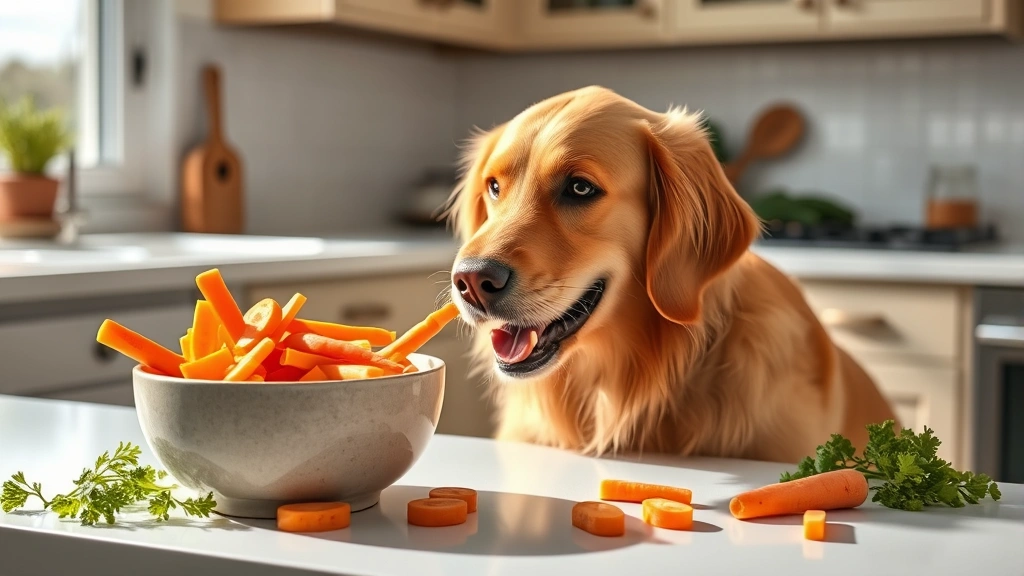
Carrots: Raw carrots are an excellent low-calorie treat that dogs love. They’re naturally sweet, crunchy, and actually good for your dog’s teeth. Plus, they’re packed with vitamins and minerals. Your dog can gnaw on a carrot for extended enjoyment.
Apple Slices: Apples (without seeds) are a refreshing treat that many dogs enjoy. They’re low in calories and provide fiber and vitamin C. Just remove the seeds first, as they contain compounds that can be harmful in large quantities.
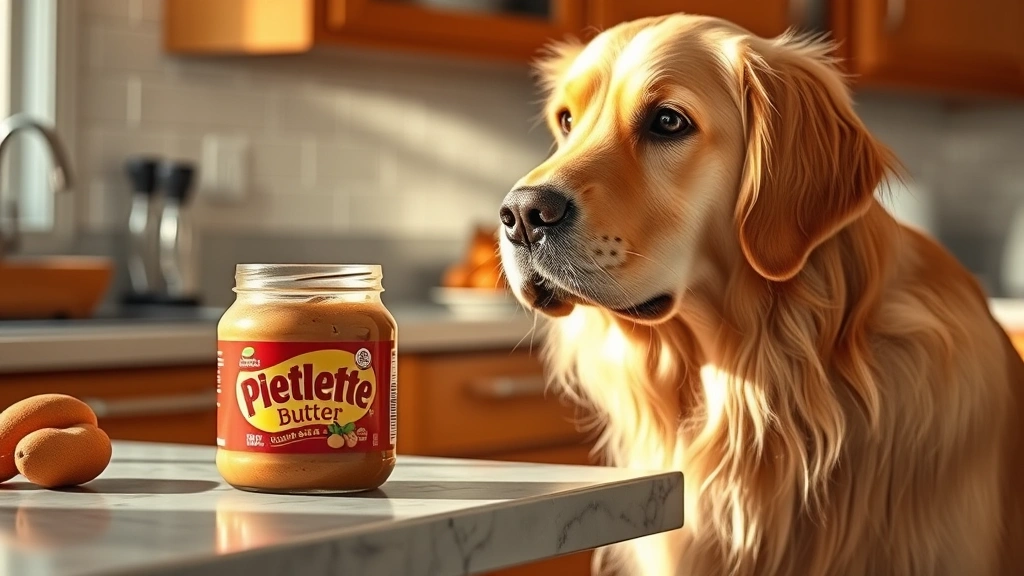
Peanut Butter: Most dogs go crazy for peanut butter, and it’s a relatively safe treat when given in moderation. Make sure you choose a peanut butter without xylitol, an artificial sweetener that’s toxic to dogs. A small spoonful or a smear on a toy can provide extended entertainment and satisfaction.
Dog-Specific Treats: There are countless commercial dog treats available that are specifically formulated for canine nutrition. Look for treats with minimal ingredients, no artificial additives, and appropriate portions for your dog’s size.
Corn (Plain): If your dog enjoys corn, plain, unsalted corn kernels or corn on the cob (supervise closely) can be a safe occasional treat. Check out our guide on whether dogs can eat corn for more information. The key is ensuring it’s prepared without salt, butter, or seasonings.
When selecting treats for your dog, remember that treats should make up no more than 10% of your dog’s daily caloric intake. The remaining 90% should come from a balanced, complete dog food that meets your pet’s nutritional needs.
What to Do If Your Dog Eats Kettle Corn
Despite your best efforts to keep kettle corn away from your pup, accidents happen. Maybe your dog grabbed a handful off the coffee table, or a well-meaning guest shared a bite. Here’s what you should do:
Stay Calm: First and foremost, don’t panic. A small amount of kettle corn is unlikely to cause serious harm to most dogs. Your calm demeanor will help keep your dog calm as well.
Assess the Situation: Consider how much kettle corn your dog consumed and when. A few pieces for a 50-pound dog is different from a large handful for a 10-pound dog. The amount and your dog’s size are crucial factors in determining risk level.
Monitor for Symptoms: Watch your dog carefully for signs of distress over the next 24-48 hours. Look for vomiting, diarrhea, excessive thirst, lethargy, or loss of appetite. These could indicate a problem.
Offer Water: Kettle corn’s high salt content may make your dog thirsty. Ensure fresh water is readily available. In fact, encourage your dog to drink water to help flush excess sodium from their system.
Contact Your Vet: If your dog consumed a large quantity of kettle corn, if they’re showing symptoms, or if you’re concerned, don’t hesitate to call your veterinarian. It’s always better to err on the side of caution. If it’s after hours, many areas have emergency veterinary clinics available.
Avoid Inducing Vomiting: Unless specifically instructed by your veterinarian, don’t try to induce vomiting. This could cause additional harm.
Document Everything: Note the time your dog ate the kettle corn, the approximate amount, and any symptoms that develop. This information will be helpful if you need to see a vet.
For more comprehensive information on what foods are safe for your dog, explore our guide on what dogs can eat. Additionally, check out our article on whether dogs can eat salty snacks for more insights on sodium-heavy foods.
If you’re ever unsure about a specific food, the Pet Poison Helpline is an excellent resource that can provide specific guidance for your situation. They’re available 24/7 and charge a small consultation fee, but the peace of mind is worth it.
Frequently Asked Questions
Is air-popped popcorn safe for dogs?
Yes, plain, air-popped popcorn with no added salt, butter, or seasonings is generally safe for dogs in small quantities. However, it should be an occasional treat, not a regular part of their diet. Make sure to remove any unpopped kernels before serving to avoid choking hazards.
What about buttered popcorn—is that safe?
Buttered popcorn is not recommended for dogs. The butter adds unnecessary fat and calories, and the salt content is typically high. Stick to plain, air-popped varieties if you want to share popcorn with your pup.
Can dogs have other sweet snacks?
Dogs don’t actually need sweet snacks. While small amounts of certain fruits like apples or bananas are fine, foods high in sugar should be avoided. Always check that any treat doesn’t contain xylitol, an artificial sweetener that’s toxic to dogs.
How much popcorn is safe for a dog to eat?
If offering plain, air-popped popcorn, a small handful for a medium-sized dog is the maximum. For small dogs, just a few pieces. Remember that treats should make up no more than 10% of your dog’s daily calories, so popcorn should be an occasional, not regular, treat.
What are signs of salt poisoning in dogs?
Signs of salt toxicity include excessive thirst, vomiting, diarrhea, tremors, seizures, confusion, and in severe cases, coma or death. If you suspect salt poisoning, contact your veterinarian or emergency vet clinic immediately.
Are there any dogs that should absolutely avoid kettle corn?
Yes. Dogs with heart disease, kidney disease, hypertension, obesity, diabetes, or a history of pancreatitis should never consume kettle corn. If your dog has any of these conditions, discuss treat options with your veterinarian.
Can puppies eat kettle corn?
Puppies should not eat kettle corn. Their developing bodies are even more sensitive to excess salt and fat than adult dogs. Stick to age-appropriate puppy treats and foods formulated for their nutritional needs.
What should I do if my dog ate a large amount of kettle corn?
If your dog consumed a large quantity, contact your veterinarian or emergency vet clinic right away. Provide details about the amount consumed and when. They can assess your dog’s individual risk based on their size, age, and health status.
Are there any healthy popcorn seasonings I can use for my dog?
When making popcorn specifically for your dog, it’s best to keep it completely plain. While some seasonings like a tiny bit of cinnamon might be okay in very small amounts, it’s safest to avoid any additives. Your dog will be perfectly happy with plain popcorn.
Can I give my dog the corn kernels from kettle corn without the coating?
Theoretically, if you could somehow remove all the salt and sugar coating, plain corn kernels would be safer. However, this isn’t practical, and residue would likely remain. It’s better to just skip kettle corn for your dog entirely and stick with plain alternatives or other dog-safe treats.