
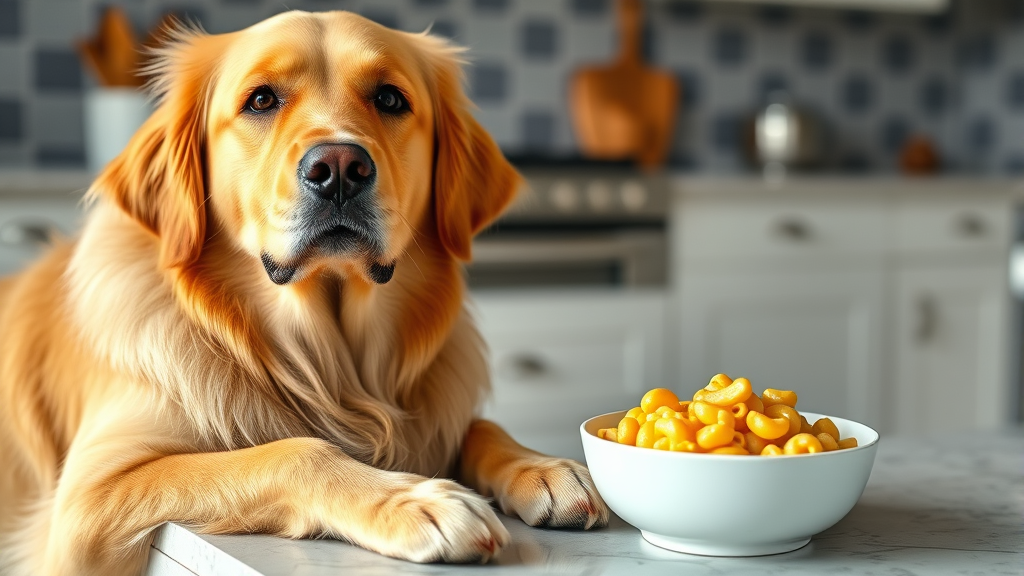
Mac and cheese is a beloved comfort food that graces tables across America, from busy weeknight dinners to holiday gatherings. As dog owners, we often find ourselves sharing meals with our furry companions, whether intentionally or through those irresistible puppy dog eyes that seem to say “please share.” When it comes to mac and cheese, many pet parents wonder if this creamy, cheesy pasta dish is safe for their four-legged family members.
The short answer is that while mac and cheese isn’t toxic to dogs, it’s not recommended as a regular treat due to its high sodium content, dairy ingredients, and processed nature. Understanding the specific ingredients in mac and cheese and how they affect your dog’s digestive system is crucial for making informed decisions about what to share from your plate. Let’s explore the nutritional implications, potential health risks, and safer alternatives to keep your canine companion happy and healthy.
Breaking Down Mac and Cheese Ingredients
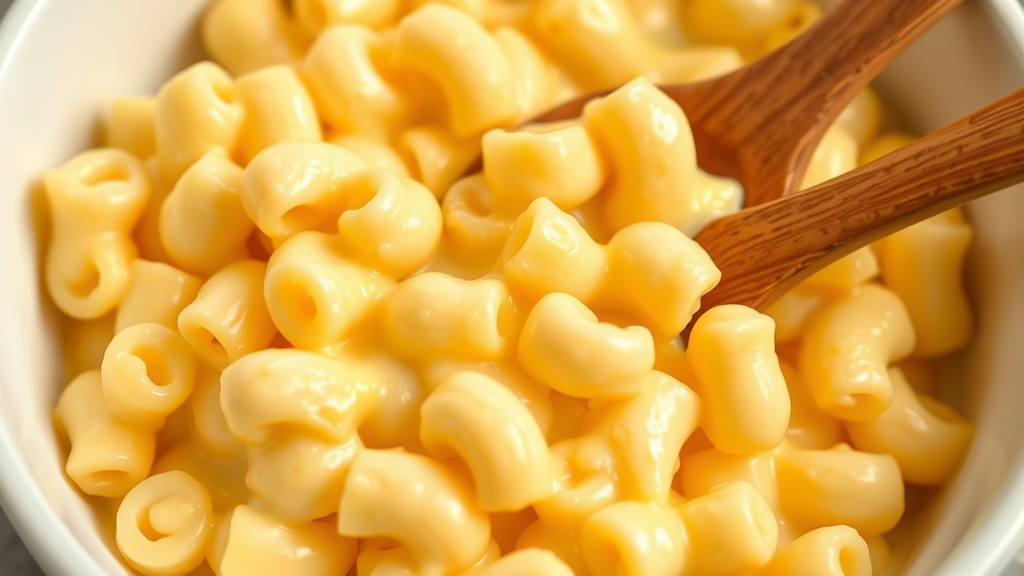
Traditional mac and cheese contains several components that warrant careful consideration when it comes to canine consumption. The primary ingredients include pasta (typically elbow macaroni), cheese sauce made from various dairy products, butter, milk, and often additional seasonings and preservatives. Each of these components affects dogs differently than humans.
Pasta itself is generally safe for dogs in small quantities, as it’s primarily made from wheat flour and water. However, many commercial mac and cheese products contain refined wheat, which offers little nutritional value for dogs. The American Kennel Club notes that while pasta isn’t harmful, it should only be given occasionally and in moderation.
The cheese component is where things become more complex. Different types of cheese affect dogs differently, and understanding these variations is essential. While some dogs can tolerate small amounts of certain cheeses, others may experience digestive upset. The processing methods and additives used in commercial mac and cheese products can also impact their safety for canine consumption.
Health Risks and Concerns
The primary health concerns associated with feeding mac and cheese to dogs stem from its high caloric density, excessive sodium content, and potential for digestive disruption. A typical serving of mac and cheese can contain upwards of 400-500 calories, which represents a significant portion of a medium-sized dog’s daily caloric needs.
Obesity is a growing concern among domestic dogs, with the American Veterinary Medical Association reporting that approximately 56% of dogs in the United States are overweight or obese. Regular consumption of high-calorie foods like mac and cheese can contribute to weight gain and associated health problems including diabetes, joint issues, and cardiovascular disease.
Additionally, many commercial mac and cheese products contain artificial colors, flavors, and preservatives that may cause allergic reactions or digestive sensitivities in some dogs. These additives, while generally recognized as safe for human consumption, haven’t been extensively studied for their long-term effects on canine health.
The high fat content in mac and cheese can also trigger pancreatitis in susceptible dogs. This painful and potentially serious condition occurs when the pancreas becomes inflamed, often as a result of consuming fatty foods. Symptoms include vomiting, diarrhea, lethargy, and abdominal pain.
Lactose Intolerance in Dogs
Most adult dogs are lactose intolerant to varying degrees, meaning they lack sufficient amounts of the enzyme lactase needed to properly digest lactose, the sugar found in milk and dairy products. This deficiency can lead to uncomfortable digestive symptoms when dogs consume dairy-rich foods like mac and cheese.
Symptoms of lactose intolerance in dogs include diarrhea, gas, bloating, vomiting, and general digestive discomfort. The severity of these symptoms varies depending on the individual dog’s sensitivity level and the amount of dairy consumed. Some dogs may show mild symptoms with small amounts, while others may experience severe reactions.
Interestingly, the relationship between dogs and cheese is complex, as some aged cheeses contain lower levels of lactose than fresh dairy products. However, the processed cheese typically used in mac and cheese products often contains higher lactose levels and additional additives that can exacerbate digestive issues.
Puppies are generally better able to digest lactose than adult dogs, as they naturally produce more lactase while nursing. However, this enzyme production decreases as they mature, making adult dogs more susceptible to lactose-related digestive problems.
Sodium and Preservative Issues
One of the most significant concerns about feeding mac and cheese to dogs is its exceptionally high sodium content. A single serving can contain 600-1000 milligrams of sodium or more, which far exceeds the daily sodium requirements for most dogs. The FDA’s Center for Veterinary Medicine warns that excessive sodium intake can lead to serious health complications in dogs.
High sodium consumption can cause increased thirst, excessive urination, and in severe cases, sodium ion poisoning. Symptoms of sodium toxicity include vomiting, diarrhea, tremors, seizures, and potentially coma. Dogs with pre-existing heart conditions, kidney disease, or hypertension are particularly vulnerable to sodium-related complications.
Many commercial mac and cheese products also contain preservatives such as sodium phosphate, sodium citrate, and various artificial additives designed to extend shelf life and enhance flavor. While these preservatives are generally recognized as safe for human consumption, their effects on canine health over time are not well-documented.
The cumulative effect of regularly feeding high-sodium foods can contribute to the development of hypertension and kidney problems in dogs. Senior dogs and those with compromised kidney function are especially at risk for complications related to excessive sodium intake.
Safe Portion Guidelines
If you decide to occasionally share a small amount of mac and cheese with your dog, portion control is absolutely critical. The general rule for treats and human food is that they should comprise no more than 10% of your dog’s total daily caloric intake. For most dogs, this translates to just a few small bites of mac and cheese.
For small dogs (under 20 pounds), even a teaspoon of mac and cheese could represent a significant portion of their daily caloric needs. Medium-sized dogs (20-60 pounds) might safely consume a tablespoon occasionally, while larger dogs (over 60 pounds) could potentially handle slightly more. However, these are maximum recommendations, and many dogs would be better served with smaller portions or none at all.
It’s important to consider your dog’s overall diet and health status when determining appropriate portions. Dogs that are overweight, diabetic, or have digestive sensitivities should avoid mac and cheese entirely. Similarly, dogs with known food allergies or intolerances should not be given foods containing potential trigger ingredients.
Frequency is just as important as portion size. Even if your dog tolerates small amounts of mac and cheese, it should never become a regular treat. Occasional sharing during special occasions might be acceptable for healthy dogs, but regular consumption can lead to health problems over time.
Healthier Alternatives for Dogs
Rather than sharing mac and cheese, consider offering your dog healthier alternatives that can satisfy their desire to participate in family meals without compromising their health. Plain, cooked pasta in small quantities can be a safer option, especially when mixed with dog-friendly ingredients like cooked chicken or vegetables.
For dogs that enjoy dairy flavors, small amounts of plain, low-fat yogurt or cottage cheese can provide a similar creamy texture without the excessive sodium and additives found in mac and cheese. These options contain beneficial probiotics that can support digestive health.
Many pet stores offer dog-specific “mac and cheese” treats that are formulated with canine nutritional needs in mind. These products typically contain lower sodium levels, avoid harmful additives, and use ingredients that are more easily digestible for dogs.
Consider preparing homemade dog-friendly pasta dishes using whole grain pasta, lean proteins, and dog-safe vegetables. Sweet potatoes, carrots, and green beans can provide natural flavors and nutritional benefits without the risks associated with processed human foods.
Other pasta-related human foods like spaghetti may seem like alternatives, but they often present similar concerns regarding sodium content and potentially harmful seasonings. Always research individual ingredients before sharing any human food with your pet.
What to Do If Your Dog Eats Too Much
If your dog accidentally consumes a large amount of mac and cheese, monitor them closely for signs of digestive distress or other adverse reactions. Immediate symptoms may include vomiting, diarrhea, excessive thirst, restlessness, or lethargy. Most healthy dogs will experience only mild digestive upset that resolves within 24-48 hours.
Ensure your dog has access to plenty of fresh water, as the high sodium content may cause increased thirst and urination. Avoid giving your dog any additional food for a few hours to allow their digestive system to settle, then offer small amounts of their regular food.
Contact your veterinarian if your dog exhibits severe symptoms such as persistent vomiting, bloody diarrhea, signs of dehydration, tremors, or extreme lethargy. These could indicate more serious complications requiring professional medical attention.
The ASPCA Animal Poison Control Center provides 24/7 consultation services for pet emergencies and can offer guidance specific to your dog’s situation and the amount consumed.
Prevention is always the best approach. Keep mac and cheese and similar human foods out of your dog’s reach, and educate family members about the importance of not sharing these foods with pets. Consider using baby gates or other barriers to keep dogs away from dining areas during meals.
Frequently Asked Questions
Can puppies eat mac and cheese?
Puppies should not eat mac and cheese. Their developing digestive systems are more sensitive than adult dogs, and the high sodium, fat, and dairy content can cause severe digestive upset. Puppies need a carefully balanced diet specifically formulated for their growth requirements, and human foods like mac and cheese can interfere with proper nutrition.
What should I do if my dog ate mac and cheese with garlic or onions?
If mac and cheese contains garlic or onions, contact your veterinarian immediately. Both garlic and onions are toxic to dogs and can cause hemolytic anemia, even in small amounts. Symptoms may not appear immediately but can include weakness, vomiting, breathing difficulties, and pale gums. This is a medical emergency requiring professional treatment.
Is homemade mac and cheese safer than store-bought for dogs?
Homemade mac and cheese may be slightly safer as you can control the ingredients and reduce sodium content, but it’s still not recommended for dogs. Even homemade versions typically contain high amounts of dairy, butter, and cheese that can cause digestive problems. The fundamental ingredients remain problematic for canine consumption regardless of preparation method.
Can dogs eat the pasta from mac and cheese without the cheese sauce?
Plain cooked pasta is generally safe for dogs in small amounts, but pasta from mac and cheese may have absorbed flavors, salt, and dairy from the sauce. It’s better to offer your dog plain, unseasoned pasta that hasn’t been mixed with cheese sauce. Remember that pasta should only be an occasional treat, not a regular part of your dog’s diet.
How often can I give my dog mac and cheese as a treat?
Mac and cheese should not be given as a regular treat due to its high sodium, fat, and dairy content. If your healthy adult dog tolerates small amounts without digestive upset, a tiny portion once every few months might be acceptable, but there are much healthier treat alternatives available. Consult with your veterinarian about appropriate treat options for your specific dog.
Are there any dog breeds that should never eat mac and cheese?
All dogs should avoid mac and cheese, but certain breeds may be at higher risk for complications. Breeds prone to pancreatitis (like Yorkshire Terriers and Miniature Schnauzers) should especially avoid high-fat foods. Dogs with known dairy sensitivities, digestive issues, or those taking medications for heart or kidney conditions should never consume mac and cheese. When in doubt, consult your veterinarian.
What are the signs that my dog is having a bad reaction to mac and cheese?
Signs of adverse reactions include vomiting, diarrhea, excessive gas, bloating, restlessness, excessive thirst or urination, lethargy, and loss of appetite. More severe symptoms like tremors, difficulty breathing, or collapse require immediate veterinary attention. Monitor your dog for 24-48 hours after consumption, as some symptoms may be delayed. If you notice any concerning signs, contact your veterinarian promptly.





