

Can Dogs Eat Marshmallows? Safety Tips and Risks
Picture this: you’re enjoying a cozy evening by the fire with a warm mug of hot chocolate and a handful of marshmallows, when your furry best friend gives you those irresistible puppy dog eyes. The question inevitably pops into your head: Can my dog have a marshmallow? It’s a common scenario for dog owners, and the answer isn’t as straightforward as a simple yes or no. While marshmallows might seem like a harmless treat, there are several important factors you need to know before sharing your s’mores stash with your pup.
The good news is that plain marshmallows in small quantities aren’t typically toxic to dogs. However, the bad news is that they’re not exactly a healthy snack choice either. Between the high sugar content, potential choking hazards, and ingredients that can cause digestive upset, marshmallows present several risks that responsible dog owners should understand. In this comprehensive guide, we’ll explore everything you need to know about can dogs eat marshmallows, including the dangers, safer alternatives, and what to do if your dog accidentally consumes them.
Whether you’re a first-time dog owner or a seasoned pet parent, understanding what foods are safe for your canine companion is crucial for their long-term health and happiness. Let’s dive into the sweet details of this marshmallow mystery and help you make informed decisions about your dog’s diet.
Are Marshmallows Safe for Dogs?
The short answer is: plain, unflavored marshmallows in very small quantities are technically not poisonous to dogs, but they’re far from ideal. When we talk about whether can dogs have marshmallows, we need to distinguish between what won’t immediately harm your dog and what’s actually good for them. These are two very different things.
Plain marshmallows contain mostly air, sugar, and gelatin. While gelatin itself isn’t toxic to dogs, the other ingredients present real concerns. The primary issue isn’t toxicity but rather the nutritional value—or complete lack thereof. Marshmallows offer zero nutritional benefits to your dog while introducing unnecessary calories and sugar into their diet.
According to the American Kennel Club, treats should make up no more than 10% of your dog’s daily caloric intake. A single marshmallow might seem insignificant, but it’s essentially empty calories that could be better spent on nutritious options that support your dog’s health and wellbeing.
The texture of marshmallows also deserves consideration. They’re sticky and spongy, which can be problematic for certain dogs, particularly those prone to choking or with swallowing difficulties. The marshmallow can expand in the mouth and create a choking hazard, especially for smaller breeds or senior dogs with dental issues.
The Risks and Dangers of Marshmallows
Now let’s talk about why are marshmallows bad for dogs. Several specific risks make marshmallows a food item you should generally avoid giving to your canine companion.
Choking Hazard: The sticky, spongy texture of marshmallows makes them a potential choking risk. When a dog tries to swallow a marshmallow whole or in large chunks, it can stick to the roof of their mouth or throat. This is particularly concerning for puppies, senior dogs, and breeds with shorter snouts like Bulldogs and Pugs.
Gastrointestinal Upset: Even if a marshmallow makes it down safely, the high sugar content can cause digestive issues. Dogs aren’t designed to process large amounts of refined sugar, and consuming marshmallows can lead to vomiting, diarrhea, and general stomach discomfort.
Obesity and Weight Gain: Marshmallows are calorie-dense with virtually no nutritional value. Regular consumption, even in small amounts, can contribute to unhealthy weight gain in dogs. Obesity in dogs is associated with numerous health problems including joint issues, diabetes, heart disease, and shortened lifespan.
Pancreatitis Risk: High-fat and high-sugar foods can trigger pancreatitis in dogs, a serious inflammatory condition of the pancreas. Dogs with a history of pancreatitis should absolutely never consume marshmallows.
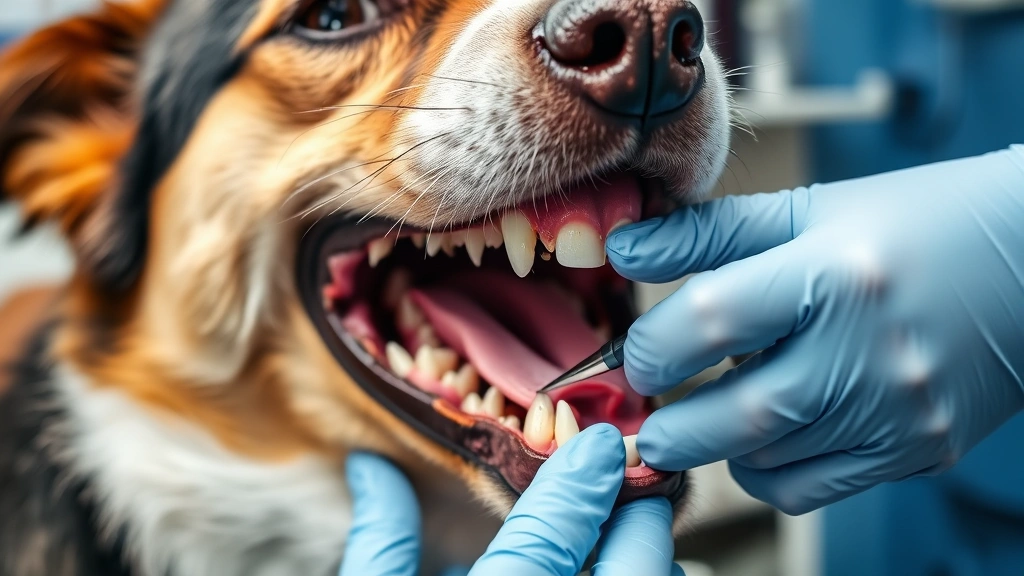
Dental Problems: The sugar in marshmallows feeds harmful bacteria in your dog’s mouth, contributing to plaque buildup, tooth decay, and gum disease. Over time, this can lead to serious dental issues requiring veterinary intervention.

Sugar Content and Dental Health
One of the most significant concerns when considering whether your dog should eat marshmallows is the sugar content. A typical marshmallow contains about 4-5 grams of sugar. While that might not seem like much to humans, for dogs—especially smaller breeds—it represents a significant portion of their recommended daily sugar intake.
Dogs have different nutritional requirements than humans, and their bodies aren’t adapted to process refined sugars efficiently. When dogs consume sugary foods, their blood glucose levels spike, which can lead to several health complications:
- Diabetes: Frequent consumption of sugary treats increases the risk of developing canine diabetes, a serious endocrine disorder requiring lifelong management.
- Dental Disease: Sugar is a primary culprit in canine dental disease. The bacteria in your dog’s mouth feed on sugar, producing acids that erode tooth enamel and cause cavities and gum disease.
- Energy Fluctuations: Sugar causes rapid spikes and crashes in blood sugar levels, leading to hyperactivity followed by lethargy.
- Behavioral Issues: Some dogs exhibit increased anxiety or hyperactivity after consuming high-sugar foods.
The ASPCA recommends keeping human snacks and desserts away from dogs entirely, as they’re formulated for human nutritional needs, not canine requirements. Your dog’s teeth and pancreas will thank you for choosing healthier alternatives.
Chocolate-Coated and Flavored Marshmallows
If plain marshmallows present risks, chocolate-coated and flavored varieties are significantly more dangerous. This is where the conversation shifts from “not recommended” to “absolutely avoid.”
Chocolate-covered marshmallows are particularly problematic because chocolate contains theobromine, a compound toxic to dogs. Similar to the concerns about why can’t dogs have chocolate, even small amounts of chocolate can cause serious health issues in dogs, depending on the type and quantity consumed.
Chocolate Toxicity in Dogs: Dark chocolate is far more dangerous than milk chocolate due to its higher theobromine concentration. A dog ingesting chocolate-covered marshmallows could experience symptoms ranging from mild (vomiting, diarrhea) to severe (tremors, seizures, cardiac issues). The severity depends on the dog’s weight, the type of chocolate, and the amount consumed.
If your dog has accidentally consumed chocolate-covered marshmallows, you should contact your veterinarian immediately. They can assess whether what to do if dog eats chocolate applies to your situation and provide appropriate treatment if necessary.
Flavored Marshmallows: Marshmallows come in various flavors—strawberry, vanilla, peppermint, and more. Many of these flavorings contain artificial additives and sweeteners that may not be appropriate for dogs. Some flavored marshmallows contain xylitol, an artificial sweetener that’s extremely toxic to dogs, causing rapid insulin release and severe hypoglycemia.
Always check the ingredient list before even considering giving any marshmallow product to your dog. If the label includes xylitol, keep it far away from your pet.
What to Do If Your Dog Eats Marshmallows
Despite your best efforts to prevent it, accidents happen. Your dog might snag a marshmallow from the kitchen counter or beg successfully at a campfire. Here’s what you should do if your dog eats marshmallows:
Stay Calm: A single plain marshmallow isn’t likely to cause serious harm to most dogs. Don’t panic, but do monitor your pet closely for the next 24-48 hours.
Identify What Was Eaten: Determine exactly what your dog consumed. Was it plain, chocolate-covered, or flavored? How many marshmallows? What’s your dog’s weight? This information is crucial if you need to contact your veterinarian.
Monitor for Symptoms: Watch for signs of distress including vomiting, diarrhea, lethargy, abdominal pain, or difficulty breathing. Most dogs will experience minor digestive upset at worst, but it’s important to stay vigilant.
Contact Your Veterinarian: If your dog consumed chocolate-covered marshmallows, marshmallows containing xylitol, or if your dog is showing any symptoms of illness, contact your vet immediately. Provide them with details about what was consumed and when.
Prevent Future Incidents: Store marshmallows and all human snacks securely where your dog cannot access them. This is the best prevention strategy.
Safe Treat Alternatives for Your Pup
Just because your dog can’t have marshmallows doesn’t mean they have to miss out on treats entirely. There are numerous dog-friendly alternatives that are both safe and nutritious. When considering can dogs eat candy and sweets, the answer is generally no—but there are plenty of better options.
Fruit and Vegetable Treats: Many fruits and vegetables make excellent, healthy treats for dogs:
- Apples (without seeds)
- Bananas (in moderation)
- Blueberries
- Carrots (raw or cooked)
- Green beans
- Watermelon (seedless)
- Pumpkin
- Sweet potato
These options provide fiber, vitamins, and minerals while being naturally low in calories. They’re perfect for keeping your dog satisfied without the health risks associated with processed human snacks.
Protein-Based Treats: Dogs thrive on protein, so consider treats that align with their nutritional needs:
- Plain cooked chicken
- Plain cooked turkey
- Beef jerky (unsalted, no seasonings)
- Hard-boiled eggs
- Plain Greek yogurt (unsweetened)
Commercial Dog Treats: Look for treats specifically formulated for dogs that list real meat or vegetables as primary ingredients. Check labels for artificial additives, excessive sugar, and xylitol.
Frozen Treats: During warm weather, frozen treats are a fantastic alternative to marshmallows. Try freezing plain yogurt, pumpkin puree, or bone broth in ice cube trays for a refreshing, healthy snack.
Dental Chews: Treats designed to promote dental health serve a dual purpose—they satisfy your dog’s chewing instinct while helping clean their teeth. Look for products endorsed by the Veterinary Oral Health Council.
The key to a healthy dog diet is remembering that treats should enhance your dog’s nutrition and wellbeing, not detract from it. By choosing appropriate alternatives to marshmallows and other human snacks, you’re investing in your dog’s long-term health.
Frequently Asked Questions
Can my dog eat one marshmallow?
A single plain marshmallow is unlikely to cause serious harm to most dogs, but it’s still not recommended. The sticky texture poses a choking risk, and the sugar offers no nutritional benefit. If your dog accidentally consumes one marshmallow, monitor them for signs of distress but don’t panic—most dogs will be fine. However, it’s best to prevent access to marshmallows altogether.
Are marshmallows toxic to dogs?
Plain marshmallows are not toxic to dogs in the traditional sense. However, chocolate-covered marshmallows and those containing xylitol are dangerous. Xylitol, in particular, is highly toxic to dogs and can cause severe hypoglycemia, liver failure, and death. Always check ingredient lists carefully.
What should I do if my dog ate a chocolate marshmallow?
Contact your veterinarian immediately. The severity of the situation depends on your dog’s weight, the amount of chocolate consumed, and the type of chocolate (dark chocolate is more dangerous than milk chocolate). Your vet can assess whether treatment is necessary and provide guidance.
Can puppies have marshmallows?
No, puppies should definitely not have marshmallows. Puppies are more vulnerable to choking hazards due to their smaller size and developing digestive systems. Additionally, establishing healthy eating habits early in life is important for long-term health. Stick to puppy-appropriate treats formulated for their developmental needs.
What about mini marshmallows for dogs?
Mini marshmallows present the same risks as regular marshmallows, though the choking hazard might be slightly reduced due to smaller size. However, they still contain high amounts of sugar and offer no nutritional value. They’re not recommended for dogs of any size.
Are there any health benefits to giving dogs marshmallows?
No. Marshmallows offer zero nutritional benefits to dogs. They contain primarily sugar, gelatin, and air—none of which contribute to your dog’s health. There are far better treat options that provide actual nutritional value while satisfying your dog’s desire for treats.
Can dogs eat marshmallow fluff?
Marshmallow fluff is essentially concentrated marshmallow and should be avoided. It has an even higher sugar concentration than regular marshmallows and poses similar choking risks. Some brands of marshmallow fluff may also contain ingredients that aren’t appropriate for dogs.
How can I tell if my dog is having an allergic reaction to marshmallows?
Signs of an allergic reaction might include itching, swelling of the face or throat, difficulty breathing, vomiting, or diarrhea. If you notice any of these symptoms after your dog consumes marshmallows, contact your veterinarian immediately. However, true allergies to marshmallows are rare; digestive upset is more common.





