
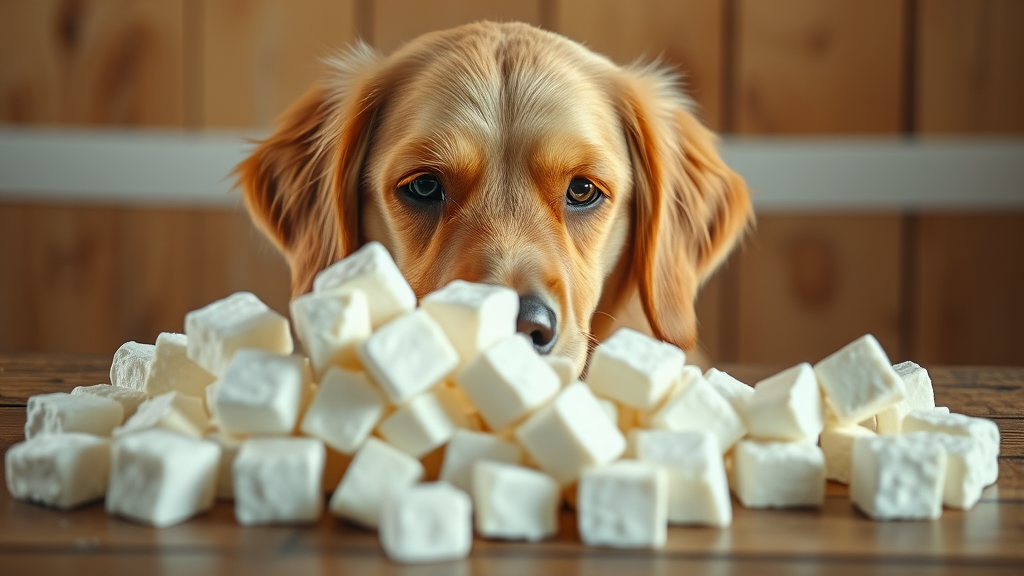
As a pet owner, you’ve probably caught your furry friend eyeing your campfire s’mores or begging for a taste of your hot chocolate topped with fluffy marshmallows. The question “can dogs eat marshmallows” is more common than you might think, and the answer isn’t as straightforward as a simple yes or no. While marshmallows aren’t immediately toxic to dogs like chocolate or grapes, they pose several health risks that every responsible pet owner should understand.
Understanding what foods are safe for your canine companion is crucial for maintaining their health and preventing emergency vet visits. Just like with other human foods such as cheese or blackberries, marshmallows require careful consideration before sharing with your dog. This comprehensive guide will explore everything you need to know about marshmallows and your dog’s safety, helping you make informed decisions about your pet’s diet.
What Are Marshmallows Made Of?
To understand whether marshmallows are safe for dogs, we first need to examine their ingredients. Traditional marshmallows contain several components that can be problematic for canine consumption. The primary ingredients include sugar, corn syrup, gelatin, and vanilla flavoring. Many commercial marshmallows also contain artificial colors, preservatives, and stabilizers.
The high sugar content alone makes marshmallows unsuitable for dogs. A single large marshmallow can contain up to 4 grams of sugar, which is excessive for a dog’s digestive system. Unlike humans, dogs don’t process sugar efficiently, and consuming large amounts can lead to various health complications including diabetes, obesity, and dental problems.
Gelatin, while not toxic to dogs, provides no nutritional value and can be difficult to digest in large quantities. The artificial additives and preservatives found in many marshmallow brands can also cause gastrointestinal upset in sensitive dogs. Some marshmallows contain additional flavorings like chocolate or fruit extracts, which can introduce other potential toxins.

Why Marshmallows Can Be Dangerous for Dogs
While marshmallows aren’t classified as toxic foods like chocolate or onions, they present several safety concerns for dogs. The primary danger lies in their composition and the way dogs metabolize these ingredients. Unlike humans, dogs lack the enzymes necessary to properly break down large amounts of processed sugars and artificial additives.
The sticky, chewy texture of marshmallows poses a choking hazard, especially for smaller dogs or those who tend to gulp their food quickly. The marshmallow can become lodged in the throat or esophagus, creating a life-threatening obstruction. Additionally, if swallowed whole, large marshmallows can cause intestinal blockages that require surgical intervention.
Regular consumption of marshmallows can contribute to long-term health issues including weight gain, dental decay, and digestive problems. The empty calories in marshmallows provide no nutritional benefit while potentially displacing more nutritious foods from your dog’s diet. This is particularly concerning for dogs who are already overweight or have existing health conditions.
The Xylitol Threat: A Hidden Killer
Perhaps the most serious concern regarding marshmallows and dogs is the potential presence of xylitol, an artificial sweetener that is extremely toxic to canines. While not all marshmallows contain xylitol, sugar-free varieties almost always do, and even small amounts can be fatal to dogs.
Xylitol causes a rapid release of insulin in dogs, leading to a severe drop in blood sugar levels (hypoglycemia) within 10-60 minutes of consumption. Symptoms include vomiting, loss of coordination, weakness, collapse, and seizures. Without immediate veterinary treatment, xylitol poisoning can result in liver damage, coma, and death.
According to the FDA, even small amounts of xylitol can cause hypoglycemia in dogs, with as little as 0.1 grams per kilogram of body weight potentially causing problems. This means that a single sugar-free marshmallow could be dangerous for a small dog. Always check ingredient labels carefully, and when in doubt, keep all marshmallows away from your pet.
Health Risks and Complications
Beyond the immediate dangers of choking and xylitol poisoning, regular marshmallow consumption can lead to various health complications in dogs. The high sugar content can contribute to obesity, a growing problem in domestic dogs that leads to joint issues, heart disease, and reduced lifespan.
Dental health is another major concern. The sticky sugar in marshmallows adheres to teeth, promoting bacterial growth and tooth decay. Dogs already have a higher risk of dental disease than humans, and sugary treats like marshmallows can accelerate this process. Unlike humans, dogs don’t brush their teeth daily, making them more susceptible to sugar-related dental problems.
Digestive upset is common when dogs consume marshmallows. Symptoms may include diarrhea, vomiting, gas, and abdominal discomfort. Dogs with sensitive stomachs or existing gastrointestinal conditions are particularly at risk. The artificial additives and preservatives in marshmallows can also trigger allergic reactions in some dogs, manifesting as skin irritation, excessive scratching, or digestive issues.

What to Do If Your Dog Eats Marshmallows
If you discover that your dog has eaten marshmallows, the first step is to remain calm and assess the situation. Determine how many marshmallows were consumed, what type they were (regular or sugar-free), and when the incident occurred. This information will be crucial if you need to contact your veterinarian.
For regular marshmallows consumed in small quantities, monitor your dog closely for signs of digestive upset. Ensure they have access to fresh water and watch for symptoms like vomiting, diarrhea, or unusual behavior. Most dogs will experience minor stomach upset that resolves within 24-48 hours.
However, if your dog consumed sugar-free marshmallows or a large quantity of regular marshmallows, contact your veterinarian immediately. Don’t wait for symptoms to appear, as xylitol poisoning can progress rapidly. Your vet may recommend inducing vomiting or bringing your dog in for immediate treatment.
Keep the marshmallow packaging if possible, as this will help your veterinarian understand exactly what your dog consumed. The ASPCA Animal Poison Control Center is also available 24/7 for consultation if you’re unsure about the severity of the situation.
Healthy Alternatives to Marshmallows
Instead of sharing marshmallows with your dog, consider offering healthier alternatives that satisfy their desire for sweet treats without the associated risks. Many fruits make excellent dog-safe options, such as peaches (without the pit) or small pieces of apple (without seeds).
Commercial dog treats designed to be sweet and chewy can provide a similar texture experience without the harmful ingredients. Look for treats made with natural sweeteners like sweet potato or banana. Some pet stores also carry dog-specific “marshmallows” made with dog-safe ingredients.
If you enjoy cooking for your pet, you can make homemade treats using dog-safe ingredients. Simple recipes using pumpkin, plain yogurt, or peanut butter (xylitol-free) can create satisfying treats that your dog will love. Unlike problematic foods such as certain mushrooms, these alternatives provide nutritional benefits while satisfying your dog’s sweet tooth.
For dogs who enjoy the social aspect of sharing treats during family time, consider preparing a special dog-friendly version of your favorite desserts. This way, your pet can participate in the experience without compromising their health.
Prevention and Training Tips
Preventing your dog from accessing marshmallows and other potentially harmful foods requires a combination of environmental management and training. Store all sweets and snacks in secure, dog-proof containers or high shelves where curious paws can’t reach them.
Training your dog to have good impulse control around food is essential. Teaching commands like “leave it” and “wait” can prevent them from grabbing dropped food or stealing treats from counters. Consistent training and positive reinforcement will help your dog understand boundaries around human food.
Educate all family members, especially children, about the importance of not sharing human food with pets. Children often want to include pets in their snack time, but they need to understand that what’s safe for humans isn’t always safe for dogs. This is particularly important with foods like marshmallows that may seem harmless but can cause serious problems.
Consider the broader context of your dog’s diet and behavior. Some dogs develop problematic eating habits, such as eating inappropriate items, which can increase their risk of consuming dangerous foods. Addressing underlying behavioral issues can help prevent food-related incidents.
During holidays and special occasions when marshmallows are commonly present, be extra vigilant. Inform guests about your pet’s dietary restrictions and ensure that treats are kept away from areas where your dog has access. The American Veterinary Medical Association provides excellent resources for keeping pets safe during celebrations.
Frequently Asked Questions
Can dogs eat just one marshmallow?
While one regular marshmallow is unlikely to cause serious harm to a large dog, it’s still not recommended. Even small amounts of sugar can contribute to dental problems and digestive upset. The risk is much higher with sugar-free marshmallows containing xylitol, where even a single marshmallow can be dangerous for small dogs.
What should I do if my dog ate a bag of marshmallows?
If your dog consumed a large quantity of marshmallows, contact your veterinarian immediately. Large amounts of sugar can cause severe digestive upset, and the sheer volume could potentially cause intestinal blockage. Don’t wait for symptoms to appear – seek professional veterinary advice right away.
Are mini marshmallows safer than regular-sized ones?
Mini marshmallows are not safer than regular marshmallows. While they may pose less of a choking hazard due to their size, they contain the same problematic ingredients including high levels of sugar and potentially harmful additives. The quantity consumed matters more than the individual size.
How can I tell if marshmallows contain xylitol?
Always check the ingredient label carefully. Xylitol may be listed under various names including birch sugar, wood sugar, or simply as xylitol. Sugar-free or diet marshmallows are most likely to contain this dangerous sweetener. When in doubt, assume any sugar-free product contains xylitol and keep it away from your dog.
Can marshmallows cause diabetes in dogs?
While a single marshmallow won’t cause diabetes, regular consumption of high-sugar treats like marshmallows can contribute to weight gain and metabolic issues that increase the risk of diabetes. Dogs with existing health conditions or those prone to weight gain are at higher risk for developing diabetes-related complications from sugary treats.
Are there any marshmallows that are safe for dogs?
There are no commercially available marshmallows that are considered safe for dogs. Even “natural” or organic marshmallows typically contain high levels of sugar and other ingredients that aren’t suitable for canine consumption. It’s best to stick with treats specifically formulated for dogs.
What are the signs of xylitol poisoning in dogs?
Signs of xylitol poisoning include vomiting, loss of coordination, weakness, lethargy, collapse, and seizures. These symptoms can appear within 10-60 minutes of consumption and can progress rapidly to liver failure and death. If you suspect xylitol poisoning, seek emergency veterinary care immediately, as this condition requires prompt treatment to prevent fatal complications.





