

Can Dogs Eat Melatonin? What Vets Say
If you’ve ever scrolled through pet forums at 2 AM wondering whether you can slip your anxious pup a melatonin gummy to help them sleep, you’re not alone. Many dog parents are curious about melatonin for their furry friends, especially when Fido seems to have the sleep schedule of a college student during finals week. But before you raid your medicine cabinet, let’s talk about what veterinarians actually recommend when it comes to melatonin and dogs.
Melatonin has become a popular natural sleep aid for humans, and it’s easy to assume that what works for us might work for our four-legged companions. However, the canine body processes supplements differently than ours, and what seems like a harmless bedtime helper could potentially cause problems. Understanding whether melatonin is safe for dogs—and if so, how much is appropriate—requires diving into the science and hearing directly from veterinary experts.
In this comprehensive guide, we’ll explore the ins and outs of melatonin for dogs, including safety considerations, proper dosing, potential side effects, and when you should reach for melatonin versus other options like whether dogs can have Benadryl. By the end, you’ll have the information you need to make an informed decision about your dog’s sleep health.
What is Melatonin and How Does It Work?
Melatonin is a naturally occurring hormone produced by the pineal gland in the brain. In both humans and dogs, this hormone plays a crucial role in regulating the sleep-wake cycle, also known as the circadian rhythm. When daylight fades and darkness sets in, the pineal gland ramps up melatonin production, signaling to the body that it’s time to wind down and prepare for sleep.
The synthetic melatonin supplements you find on store shelves are designed to mimic this natural hormone. When someone (or some dog) takes a melatonin supplement, it essentially tells the brain, “Hey, it’s bedtime!” This is why melatonin has become such a popular sleep aid for humans dealing with insomnia, jet lag, or shift work sleep disorder.
In dogs, melatonin functions similarly, though their natural production and circadian rhythms differ somewhat from humans. Dogs are crepuscular animals, meaning they’re naturally most active during dawn and dusk, rather than being strictly diurnal like humans. This means their sleep patterns are already quite different from ours, which is an important consideration when thinking about supplementing their melatonin levels.
Is Melatonin Safe for Dogs?
The short answer is: yes, melatonin is generally considered safe for dogs when used appropriately. However, “appropriately” is the key word here. The American Kennel Club acknowledges that melatonin can be used for dogs, particularly for anxiety and sleep issues, but it should only be given under veterinary guidance.
Unlike some human medications that are toxic to dogs—such as certain pain relievers or decongestants—melatonin doesn’t typically cause poisoning in dogs. The veterinary community generally views it as a low-toxicity supplement. That said, “low toxicity” doesn’t mean “risk-free,” and there are important nuances to understand.
One critical consideration is that not all melatonin supplements are created equal. Some products marketed for humans contain xylitol, a sugar alcohol that is extremely toxic to dogs. Even small amounts of xylitol can cause severe hypoglycemia and liver damage in canines. Before giving your dog any melatonin product, you absolutely must check the ingredient list to ensure it doesn’t contain xylitol or other harmful additives.
Additionally, the quality and concentration of melatonin can vary significantly between brands. Some supplements may contain more or less melatonin than the label claims, which could lead to under- or over-dosing your pet. This is why working with your veterinarian is so important—they can recommend specific brands they trust and ensure proper dosing for your individual dog.
Melatonin Dosage for Dogs
Determining the right melatonin dosage for your dog isn’t a one-size-fits-all situation. The appropriate dose depends on several factors, including your dog’s weight, age, overall health status, and the specific reason you’re considering melatonin.
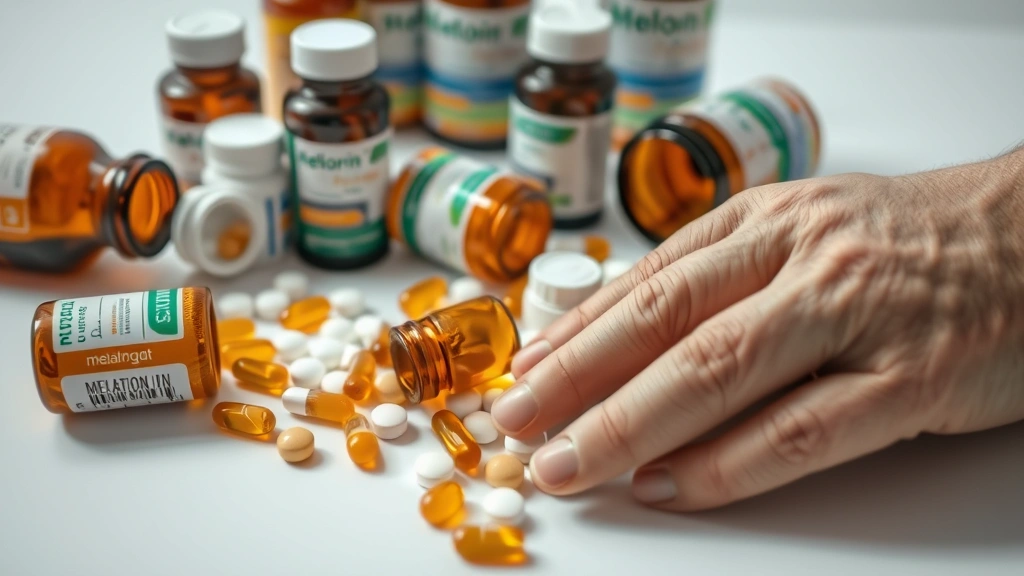
Generally speaking, veterinarians often recommend melatonin at a dose of 0.1 to 0.5 milligrams per kilogram of body weight, given 30 minutes to 2 hours before bedtime. For a practical example, a 50-pound dog would typically receive between 2.3 and 11.4 milligrams. However, this is a general guideline, and your veterinarian may recommend something different based on your dog’s individual circumstances.
Here’s a rough breakdown based on common dog sizes:
- Small dogs (under 25 lbs): 1-3 mg
- Medium dogs (25-50 lbs): 3-5 mg
- Large dogs (50-100 lbs): 5-10 mg
- Extra-large dogs (over 100 lbs): 10-15 mg
These are general recommendations only. Your vet might suggest starting on the lower end of the range and gradually increasing if needed, allowing you to find the minimum effective dose. This conservative approach helps minimize potential side effects while still achieving the desired calming or sleep-promoting effect.
The frequency of dosing also matters. Most veterinarians recommend melatonin for short-term use—typically a few weeks to a couple of months—rather than as a long-term daily supplement. If your dog needs ongoing anxiety or sleep support, your vet might recommend other strategies or medications instead.
Potential Side Effects in Dogs
While melatonin is generally well-tolerated by dogs, it’s not completely without side effects. Understanding what to watch for helps you make the best decision for your pet and recognize any problems quickly.
The most common side effects of melatonin in dogs include:
- Gastrointestinal upset: Some dogs experience nausea, vomiting, or diarrhea after taking melatonin. This is usually mild and temporary but worth monitoring.
- Letharness: While sleepiness is somewhat the goal, excessive drowsiness or sluggishness beyond what you’d expect could indicate your dog received too much.
- Headaches: Though harder to detect in dogs, some veterinarians suggest melatonin might cause headaches in sensitive individuals, which could manifest as unusual behavior or head-pressing.
- Dizziness: Your dog might seem uncoordinated or unsteady after taking melatonin, particularly with higher doses.
- Increased heart rate: In some cases, melatonin can cause tachycardia or other cardiovascular changes.
More serious but less common side effects might include hormonal changes, particularly if melatonin is used long-term. The hormone can potentially affect reproductive hormones and other endocrine functions, which is another reason why long-term use should be avoided without veterinary supervision.
Certain dogs are at higher risk for adverse effects. Senior dogs, puppies, pregnant or nursing females, and dogs with existing health conditions—especially hormonal imbalances, diabetes, or heart conditions—should only receive melatonin under careful veterinary monitoring.
When Should You Give Your Dog Melatonin?
Melatonin isn’t appropriate for every situation where your dog seems restless or anxious. Understanding when it might be helpful—and when it’s not the right choice—is essential.
Appropriate uses for melatonin in dogs include:
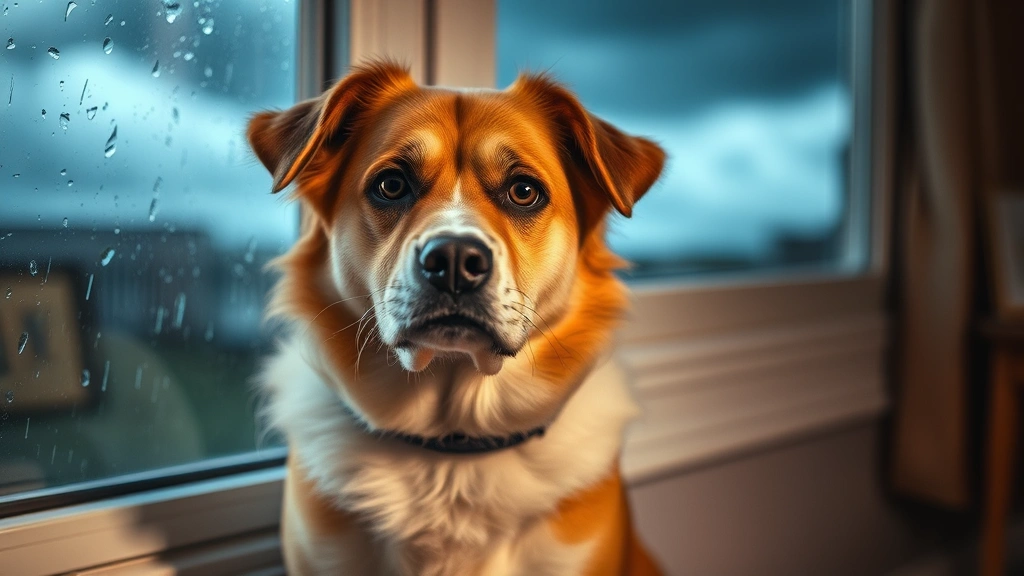
- Anxiety related to noise: Dogs with thunderstorm or fireworks anxiety sometimes benefit from melatonin’s calming effects. If your pup is shaking from fear, melatonin might help.
- Sleep disturbances: Older dogs or those with legitimate insomnia might benefit from melatonin to help regulate their sleep-wake cycle.
- Jet lag in dogs: If you’re traveling across time zones with your dog, melatonin can help reset their internal clock.
- Seasonal anxiety: Some dogs experience anxiety during seasonal changes, and melatonin might provide relief.
- Hair loss related to stress: Some research suggests melatonin might help with alopecia caused by anxiety or stress in dogs.
However, melatonin is not appropriate for:
- Dogs with undiagnosed behavioral issues that should be evaluated by a veterinarian or professional trainer
- Dogs experiencing acute distress that might indicate a medical emergency
- Puppies without specific veterinary recommendation
- Dogs with hormonal imbalances or endocrine disorders
- Dogs taking other medications without veterinary approval
If your dog is panting excessively, this could indicate an underlying health issue rather than anxiety that melatonin would address. Always rule out medical causes before assuming your dog has a behavioral or sleep issue.
Alternatives to Melatonin
Before jumping straight to melatonin, it’s worth exploring other options that might help your dog sleep better or manage anxiety. Your veterinarian can help you determine which approach is best for your specific situation.
Behavioral and environmental modifications:
- Establishing a consistent bedtime routine
- Creating a comfortable, quiet sleeping space
- Increasing daytime exercise and mental stimulation
- Using white noise or calming music
- Maintaining a consistent daily schedule
Other medications and supplements:
If you’re wondering whether there are other human sleep aids safe for dogs, the answer is nuanced. Dogs can have Benadryl in some cases, and you might want to explore how much is appropriate by learning how much Benadryl you can give your dog. Similarly, Dramamine dosing for dogs is something some vets discuss for motion-related anxiety. However, these should only be used under veterinary guidance.
Prescription medications like trazodone, alprazolam, or fluoxetine might be more appropriate for dogs with severe anxiety. Your vet can discuss whether these are better options than melatonin for your dog’s specific situation.
Natural remedies:
- L-theanine supplements
- Chamomile or passionflower herbal preparations (vet-approved)
- CBD products (though research is still emerging and regulations vary)
- Probiotics that support gut health and mood
- Omega-3 fatty acids for overall wellness
Additionally, some dogs benefit from understanding their digestive health, as gastrointestinal discomfort can contribute to restlessness and sleep issues.
The ASPCA recommends working with your veterinarian to develop a comprehensive approach to your dog’s anxiety or sleep issues, rather than relying on any single supplement or medication.
Frequently Asked Questions
Can I give my dog human melatonin?
Technically, the melatonin hormone is the same in humans and dogs, so the active ingredient is identical. However, human melatonin products often contain additives, fillers, or xylitol that can be harmful to dogs. It’s better to use a veterinary-approved melatonin product or have your vet recommend a human product they’ve verified is safe for your dog’s use.
How long does melatonin take to work in dogs?
Melatonin typically begins working within 30 minutes to 2 hours of administration, depending on the dog’s metabolism and whether they’ve eaten recently. It’s generally recommended to give melatonin 30 minutes to 2 hours before you want your dog to sleep.
Can melatonin be addictive for dogs?
Melatonin itself is not considered addictive in the traditional sense. However, dogs can become dependent on any sleep aid if used long-term, meaning they might struggle to sleep without it. This is another reason why melatonin is best used for short-term issues rather than indefinitely.
What should I do if my dog overdoses on melatonin?
While melatonin is not highly toxic, an overdose can cause excessive sedation, gastrointestinal upset, or other side effects. If you suspect your dog has taken too much melatonin, contact your veterinarian or an animal poison control center immediately. They can provide guidance based on your dog’s weight and the amount consumed.
Are there specific dog breeds that shouldn’t take melatonin?
While melatonin isn’t contraindicated for specific breeds, certain health conditions are more common in particular breeds. For example, if your dog has a breed predisposition to diabetes or hormonal issues, melatonin use requires extra caution. Always discuss your dog’s breed-specific health considerations with your veterinarian.
Can melatonin help with separation anxiety in dogs?
Melatonin might provide some calming effects, but separation anxiety typically requires a more comprehensive treatment approach including behavioral training, desensitization, and sometimes prescription medication. Melatonin alone is unlikely to resolve separation anxiety and shouldn’t be your only intervention.
Is melatonin better than other sleep aids for dogs?
Whether melatonin is “better” depends on your dog’s specific situation. The American Animal Hospital Association emphasizes that the best choice depends on your dog’s health status, the underlying cause of sleep issues, and other medications or supplements they’re taking. Your veterinarian is the best resource for determining the right option.
Can puppies take melatonin?
Puppies should generally not take melatonin without explicit veterinary guidance. Their bodies are still developing, and introducing hormonal supplements could interfere with normal development. If your puppy has sleep issues, discuss age-appropriate solutions with your vet.
Melatonin can be a useful tool for managing certain sleep and anxiety issues in dogs, but it’s not a one-size-fits-all solution. The key is working closely with your veterinarian to determine whether melatonin is appropriate for your dog, ensuring you use a safe product, and following proper dosing guidelines. By doing so, you can help your furry friend get the restful sleep they need while minimizing potential risks. Always prioritize professional veterinary guidance over internet advice when it comes to your dog’s health and wellness.





