
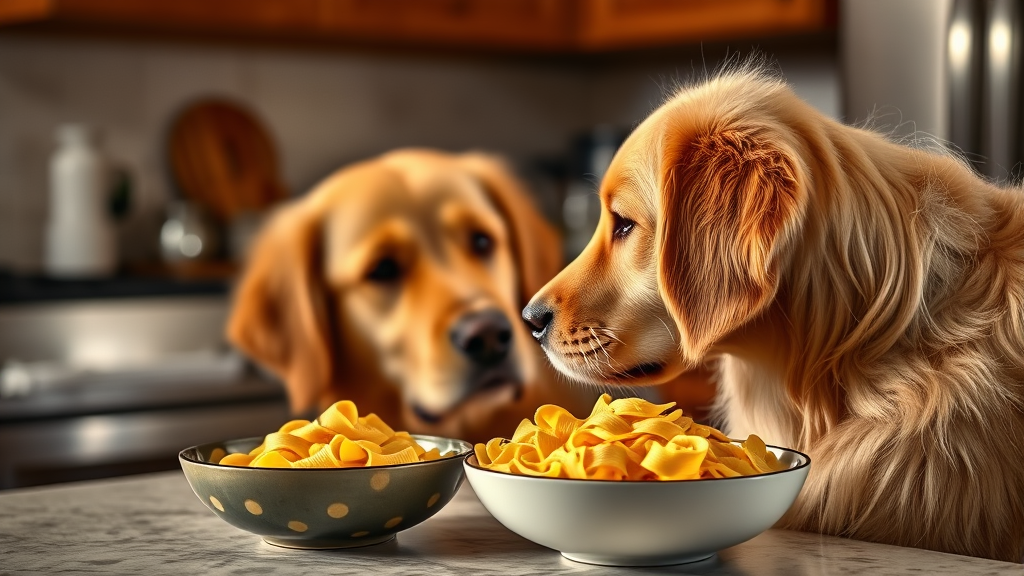
As dog owners, we often find ourselves sharing meals with our beloved pets, whether intentionally or through their expert begging techniques. One question that frequently arises is whether our favorite pasta dishes are safe for our canine companions. The sight of your dog’s hopeful eyes watching you twirl spaghetti or slurp ramen can make any pet parent wonder: can dogs eat noodles?
Understanding what foods are safe for dogs is crucial for their health and well-being. While dogs have different nutritional needs than humans, many common ingredients in our kitchens can be shared safely with proper preparation and moderation. However, the world of pasta and noodles is more complex than it might seem, with various types, ingredients, and preparation methods that can impact your dog’s safety.
This comprehensive guide will explore everything you need to know about feeding noodles to your dog, from the basic safety considerations to specific types of pasta, proper preparation methods, and healthier alternatives that can satisfy both you and your furry friend.
Basic Safety of Noodles for Dogs
The simple answer to whether dogs can eat noodles is yes, but with important caveats. Plain, cooked noodles made from basic ingredients like wheat flour, water, and eggs are generally safe for dogs in small quantities. However, the safety largely depends on the specific type of noodle, how it’s prepared, and what ingredients are added during cooking.
Most commercial pasta is made from durum wheat semolina, which is not toxic to dogs. The American Kennel Club notes that while wheat is not harmful to most dogs, some may have sensitivities or allergies to gluten. Dogs with wheat allergies should avoid traditional pasta entirely, as it can cause digestive upset, skin irritation, or other allergic reactions.
When considering can dogs eat spaghetti, it’s important to remember that the noodles themselves are just one component. The real concern often lies in the sauces, seasonings, and additional ingredients commonly used in pasta dishes. Garlic, onions, excessive salt, and certain herbs can be toxic to dogs and should never be included in any food given to your pet.
The key to safely sharing noodles with your dog lies in preparation and moderation. Plain, unseasoned noodles can serve as an occasional treat or even a bland diet option for dogs with upset stomachs, similar to how rice is often recommended for digestive issues.
Types of Noodles and Their Safety Levels
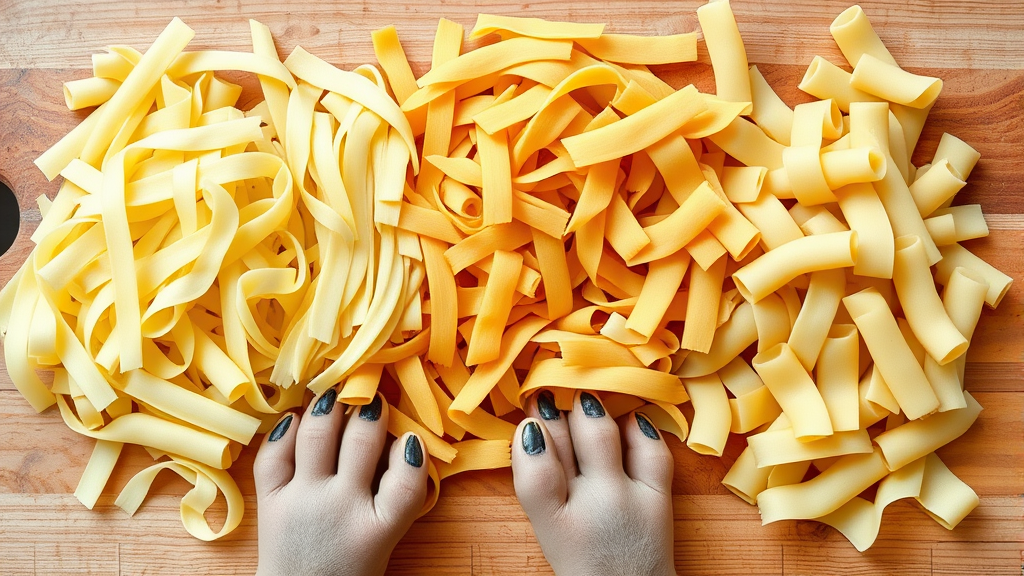
Different types of noodles present varying levels of safety for dogs. Traditional wheat-based pasta, including spaghetti, penne, fusilli, and macaroni, are generally safe when served plain and cooked. These noodles are made from simple ingredients and don’t contain inherently toxic substances.
Rice noodles are often considered a safer option for dogs, especially those with wheat sensitivities. Since white rice and brown rice are commonly recommended for dogs with digestive issues, rice-based noodles can be an excellent alternative. These noodles are easier to digest and less likely to cause allergic reactions.
Egg noodles present a middle ground in terms of safety. While eggs are generally safe for dogs and can be a good source of protein, some dogs may be sensitive to eggs. The American Veterinary Medical Association suggests introducing new foods gradually to monitor for any adverse reactions.
Asian noodles like ramen, udon, and soba require special consideration. Instant ramen noodles are particularly problematic due to their high sodium content and various additives. Soba noodles, made from buckwheat, are generally safe but should be served plain. Udon noodles, being wheat-based, follow the same guidelines as regular pasta.
Alternative grain noodles, such as those made from quinoa, lentils, or chickpeas, can be excellent options for dogs. These provide additional nutritional benefits and are often easier to digest than traditional wheat pasta.
Dangerous Ingredients to Avoid
When it comes to pasta dishes, the noodles themselves are rarely the problem – it’s the accompanying ingredients that pose the greatest risks to dogs. Understanding these dangerous components is crucial for keeping your pet safe while still allowing them to enjoy the occasional pasta treat.
Garlic and onions top the list of dangerous ingredients commonly found in pasta dishes. These members of the allium family are toxic to dogs and can cause hemolytic anemia, a condition where red blood cells are destroyed faster than they can be replaced. Even small amounts can be harmful, and the effects can be cumulative over time. According to the ASPCA Animal Poison Control Center, both fresh and dried forms of these ingredients are equally dangerous.
Excessive salt is another major concern in pasta dishes. While dogs need some sodium in their diet, the amount found in typical pasta sauces and seasonings far exceeds their requirements. High sodium intake can lead to dehydration, kidney problems, and in severe cases, sodium ion poisoning.
Many commercial pasta sauces contain preservatives, artificial colors, and flavor enhancers that can cause digestive upset in dogs. Xylitol, an artificial sweetener sometimes found in processed foods, is extremely toxic to dogs and can cause rapid insulin release, leading to hypoglycemia and potentially liver failure.
Cheese and dairy products, while not toxic, can cause problems for lactose-intolerant dogs. Most adult dogs have reduced levels of lactase, the enzyme needed to digest lactose, which can result in digestive upset when they consume dairy products.
Safe Preparation Methods
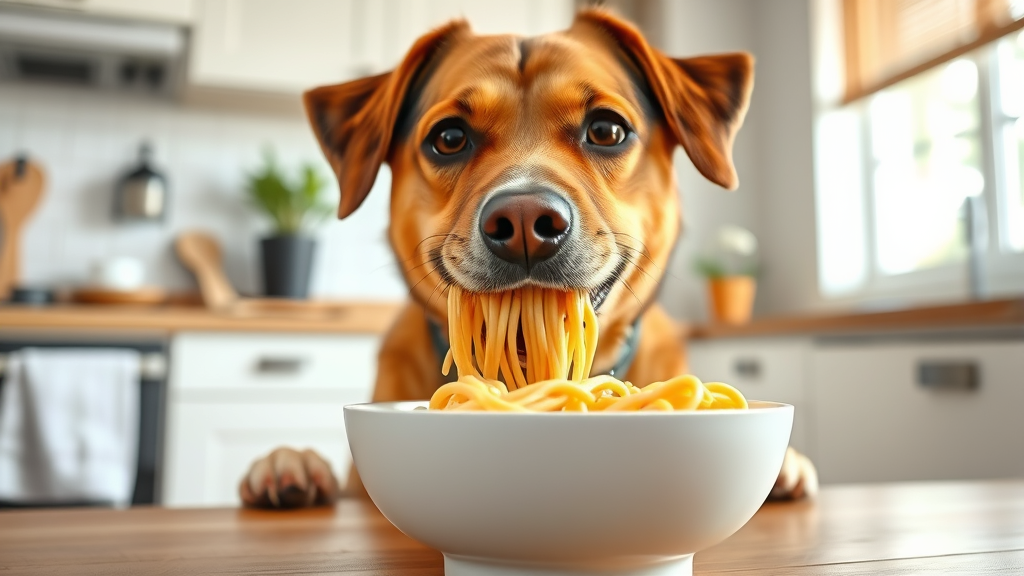
Preparing noodles safely for your dog requires attention to both cooking methods and ingredient selection. The safest approach is to cook noodles in plain water without any salt, oil, or seasonings. This creates a bland but safe treat that most dogs will enjoy.
When cooking pasta for both human and canine consumption, consider preparing a portion of plain noodles before adding any seasonings or sauces to the human portions. This ensures your dog gets a safe version while you can still enjoy your flavored pasta dishes.
Proper cooking is essential – noodles should be fully cooked until soft, making them easier for dogs to digest. Undercooked pasta can be difficult for dogs to break down and may cause digestive issues. However, avoid overcooking to the point where the noodles become mushy and lose their nutritional value.
Portion control is crucial when serving noodles to dogs. Even safe noodles should only be given as an occasional treat, comprising no more than 10% of your dog’s daily caloric intake. For most dogs, this means a small handful of cooked noodles is sufficient.
Always allow the noodles to cool completely before serving them to your dog. Hot pasta can burn their mouth and throat, just as it can with humans. Room temperature or slightly warm noodles are ideal for canine consumption.
Nutritional Considerations and Portion Control
While noodles can be safe for dogs, they don’t provide significant nutritional benefits and should be considered empty calories in your pet’s diet. Most pasta is primarily carbohydrates with minimal protein, vitamins, or minerals that dogs need for optimal health.
Dogs require a balanced diet rich in high-quality protein, healthy fats, vitamins, and minerals. The FDA’s Center for Veterinary Medicine emphasizes the importance of complete and balanced nutrition for pets. Regular pasta consumption can contribute to weight gain without providing essential nutrients, potentially leading to obesity and related health issues.
For dogs with specific dietary needs, such as those requiring a bland diet during illness, plain noodles can serve a purpose similar to other easily digestible carbohydrates. In these cases, noodles might be recommended by veterinarians as part of a temporary dietary regimen, much like feeding specific foods to dogs with diarrhea.
The glycemic index of pasta can also be a consideration for dogs with diabetes or weight management issues. White pasta has a higher glycemic index than whole grain varieties, potentially causing more significant blood sugar spikes.
When calculating portions, consider your dog’s size, activity level, and overall health status. A small dog should receive proportionally smaller amounts than a large breed, and active dogs may be able to process carbohydrates more efficiently than sedentary pets.
Healthier Alternatives to Traditional Pasta
For pet owners looking to share pasta-like foods with their dogs while providing better nutritional value, several alternatives offer improved health benefits. Whole grain pasta provides more fiber and nutrients than refined white pasta, making it a slightly better choice when serving noodles to dogs.
Vegetable-based noodles have gained popularity and can be excellent options for dogs. Zucchini noodles, sweet potato noodles, and carrot ribbons provide vitamins and minerals while being lower in calories and carbohydrates than traditional pasta. These alternatives also offer the added benefit of being naturally gluten-free.
Legume-based pasta made from lentils, chickpeas, or black beans provides significantly more protein and fiber than traditional wheat pasta. However, introduce these gradually, as the increased fiber content can cause digestive upset if given in large quantities initially.
For dogs that enjoy the texture of noodles but need to avoid grains entirely, shirataki noodles made from konjac root are virtually calorie-free and can be a safe option. However, their lack of nutritional value means they should only be given as an occasional treat.
Some pet owners create homemade “noodles” using ingredients specifically beneficial for dogs, such as pureed and dehydrated sweet potato or pumpkin. These provide nutritional benefits while satisfying a dog’s desire for interesting textures and flavors.
Signs of Digestive Issues and When to Worry
Even when following safety guidelines, some dogs may experience digestive issues after consuming noodles. Recognizing the signs of problems is crucial for ensuring your pet’s health and determining when veterinary intervention is necessary.
Common signs of digestive upset include vomiting, diarrhea, excessive gas, loss of appetite, and lethargy. These symptoms typically appear within a few hours of consumption and may indicate that your dog is sensitive to wheat, eggs, or other ingredients in the noodles.
More serious symptoms that require immediate veterinary attention include severe vomiting or diarrhea, signs of dehydration (such as excessive panting, dry gums, or loss of skin elasticity), bloody stool, or extreme lethargy. These could indicate a more serious reaction or potential obstruction if large amounts of pasta were consumed.
Some dogs may show signs of allergic reactions, including itching, skin redness, swelling, or difficulty breathing. According to the Humane Society, food allergies in dogs can develop over time, even to foods they’ve previously tolerated well.
If your dog accidentally consumes pasta with harmful ingredients like garlic or onions, monitor them closely for signs of toxicity, which may not appear immediately. Contact your veterinarian or pet poison control hotline for guidance on whether treatment is necessary.
Keep a food diary if you regularly share human foods with your dog, noting any adverse reactions. This information can be valuable for your veterinarian in identifying patterns or specific triggers for digestive issues.
Frequently Asked Questions
Can dogs eat pasta sauce with their noodles?
No, dogs should not eat traditional pasta sauces. Most commercial and homemade pasta sauces contain ingredients that are harmful to dogs, including garlic, onions, excessive salt, and various herbs and spices. Even tomato-based sauces can be problematic due to their acidity and added seasonings. If you want to add flavor to plain noodles for your dog, consider using a small amount of low-sodium chicken broth or plain cooked vegetables.
Are whole wheat noodles better for dogs than regular pasta?
Whole wheat noodles can be slightly better for dogs due to their higher fiber content and additional nutrients. However, they still don’t provide significant nutritional benefits for dogs and should be given in moderation. Some dogs may actually find whole wheat pasta harder to digest than regular pasta. The choice between whole wheat and regular pasta for dogs is less important than ensuring the noodles are plain and served in appropriate portions.
How much pasta is safe to give my dog?
Pasta should only be given as an occasional treat and should not exceed 10% of your dog’s daily caloric intake. For most dogs, this translates to a small handful of cooked noodles. The exact amount depends on your dog’s size, weight, and activity level. Small dogs should receive proportionally smaller amounts, while larger dogs can handle slightly more. Always start with very small portions to see how your dog tolerates pasta before offering larger amounts.
Can puppies eat noodles?
Puppies can eat plain, cooked noodles in very small amounts, but it’s generally not recommended as a regular part of their diet. Puppies have sensitive digestive systems and specific nutritional needs for proper growth and development. Their diet should consist primarily of high-quality puppy food formulated for their age and size. If you want to give your puppy a small taste of plain noodles, wait until they’re at least 12 weeks old and fully weaned, and only offer tiny portions.
What should I do if my dog ate pasta with garlic or onions?
If your dog consumed pasta containing garlic or onions, contact your veterinarian immediately or call a pet poison control hotline. Do not wait for symptoms to appear, as garlic and onion toxicity can be serious and potentially life-threatening. Provide information about the amount consumed and the ingredients involved. Your veterinarian may recommend inducing vomiting, administering activated charcoal, or other treatments depending on the situation and timing of ingestion.
Are rice noodles safer than wheat noodles for dogs?
Rice noodles can be safer for dogs with wheat allergies or gluten sensitivities, as they’re made from rice flour instead of wheat. Since rice is commonly recommended for dogs with digestive issues, rice noodles may be easier for some dogs to digest. However, like all noodles, they should still be served plain and in moderation. Rice noodles don’t provide significant nutritional benefits and should be treated as an occasional treat rather than a regular food item.
Can dogs with diabetes eat noodles?
Dogs with diabetes should generally avoid noodles due to their high carbohydrate content, which can cause blood sugar spikes. Pasta has a relatively high glycemic index, meaning it can rapidly increase blood glucose levels. If you have a diabetic dog, consult with your veterinarian before offering any carbohydrate-rich treats, including noodles. There may be better alternatives that won’t interfere with your dog’s blood sugar management, such as small amounts of cooked vegetables or specially formulated diabetic treats.





