
Can Dogs Eat Nutmeg? Vet Advice on Safety and Toxicity
Nutmeg is a common kitchen spice that adds warmth and flavor to countless recipes, from baked goods to savory dishes. If you’re a dog owner who loves cooking, you’ve probably wondered whether it’s safe to share your nutmeg-seasoned treats with your furry companion. The short answer is no—dogs should not eat nutmeg, as it contains compounds that can be toxic to canines, even in small amounts.
Understanding which human foods are safe for dogs is crucial for responsible pet ownership. While some spices and seasonings are harmless, nutmeg poses genuine health risks that every dog owner should know about. This comprehensive guide will explain why nutmeg is dangerous for dogs, what symptoms to watch for, and how to keep your pet safe in your spice-filled kitchen.
Why Is Nutmeg Toxic to Dogs?
Nutmeg contains several compounds that are harmful to dogs, with the most concerning being myristicin, a volatile oil found in high concentrations in nutmeg seeds. Myristicin is a psychoactive compound that can cause serious neurological effects in dogs. When ingested, myristicin acts as a hallucinogen and can damage the central nervous system.
The mechanism of toxicity involves myristicin interfering with normal neural function. Dogs lack certain liver enzymes that help break down this compound efficiently, making them particularly vulnerable to its effects. Additionally, nutmeg contains other potentially harmful compounds including elemicin and safrole, which can contribute to gastrointestinal distress and neurological symptoms.
The concentration of myristicin in nutmeg is significant enough that even small amounts can cause adverse reactions in dogs. Unlike some toxic substances that require large quantities to cause harm, nutmeg’s potency means that even a teaspoon or two can potentially trigger toxicity symptoms, especially in smaller dogs.
Research from veterinary toxicology resources confirms that nutmeg poisoning in dogs is dose-dependent, meaning severity increases with the amount consumed. The spice is particularly dangerous because it’s commonly found in kitchens and baked goods, increasing the likelihood of accidental ingestion.

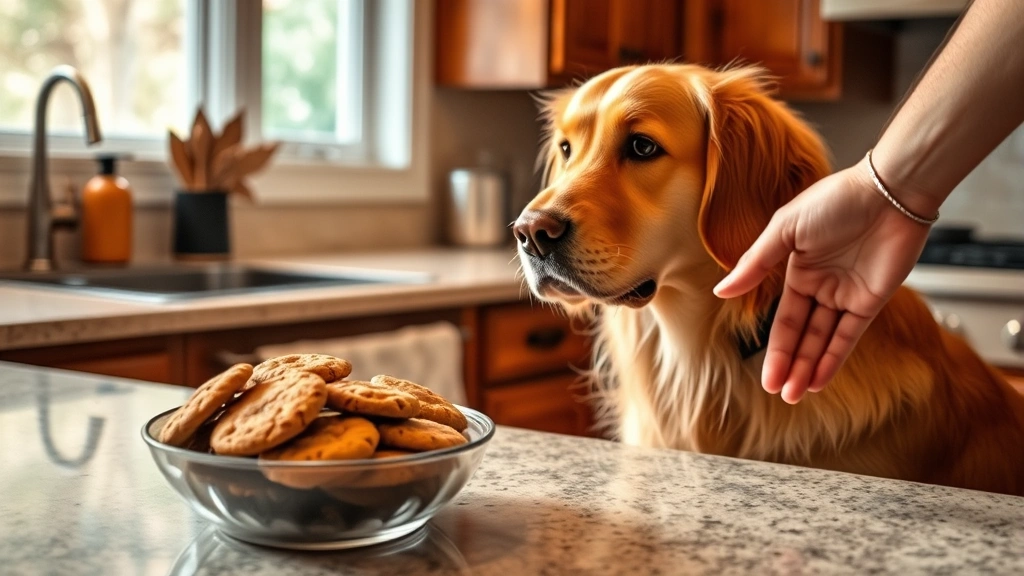
” alt=”Golden Retriever looking away from a bowl of spiced cookies on a kitchen counter”>
Symptoms of Nutmeg Toxicity in Dogs
If your dog has consumed nutmeg, symptoms typically appear within 30 minutes to a few hours after ingestion. Being able to recognize these signs is essential for getting your pet prompt veterinary care. The symptoms can range from mild to severe depending on the amount consumed and your dog’s size and health status.
Early symptoms of nutmeg toxicity include:
- Tremors and muscle twitching
- Disorientation and confusion
- Hyperactivity or restlessness
- Rapid heart rate (tachycardia)
- Elevated body temperature
- Dilated pupils
- Drooling and dry mouth
More severe symptoms may include:
- Seizures
- Hallucinations (manifested as unusual behavior)
- Vomiting and diarrhea
- Loss of coordination (ataxia)
- Extreme agitation or anxiety
- Difficulty walking
- Loss of consciousness in severe cases
The neurological symptoms are particularly alarming because they can be frightening for both the dog and the owner. Your dog may appear confused, anxious, or act as though experiencing hallucinations. These symptoms reflect the psychoactive nature of myristicin and its impact on the brain.
How Much Nutmeg Is Dangerous to Dogs?
The toxic dose of nutmeg for dogs is relatively low, which is why veterinarians recommend complete avoidance rather than small quantities. According to veterinary toxicology data, toxicity can occur at doses as low as 0.1 to 0.3 grams per kilogram of body weight. This means that even modest amounts pose a risk.
To put this in practical terms, a single teaspoon of ground nutmeg contains approximately 2-3 grams of nutmeg. For a 10-pound dog, just a fraction of a teaspoon could potentially cause symptoms. For larger dogs, slightly more would be required, but the margin of safety is still uncomfortably small.
Whole nutmeg is particularly dangerous because if a dog consumes a whole nutmeg seed, it contains concentrated myristicin. Dogs who chew or consume nutmeg-containing foods, baked goods, or supplements are at significant risk. Even trace amounts in multiple treats throughout the day could accumulate to problematic levels.
The variability in nutmeg potency also matters. Different sources of nutmeg may have different concentrations of myristicin, making it impossible to determine a truly “safe” threshold. This is why veterinarians universally recommend that nutmeg be completely avoided in canine diets.

” alt=”Close-up of a small dog’s face with concerned expression, with blurred nutmeg spice jar in background”>
What to Do If Your Dog Eats Nutmeg
If you suspect your dog has consumed nutmeg, time is of the essence. The first step is to remain calm and assess the situation. Determine approximately how much nutmeg your dog consumed and when it happened. This information will be crucial when you contact your veterinarian or poison control.
Immediate steps to take:
- Contact your veterinarian immediately or call the ASPCA Animal Poison Control Center at (888) 426-4435
- Have ready: your dog’s weight, age, health status, and the approximate amount of nutmeg consumed
- Do not induce vomiting unless specifically instructed by a veterinarian
- Monitor your dog closely for any symptoms
- Keep a record of any symptoms that develop and when they appear
Your veterinarian may recommend activated charcoal to help absorb the toxin if treatment is initiated quickly enough. Supportive care is the primary treatment approach, which may include IV fluids, monitoring of vital signs, and management of symptoms as they develop.
In cases where seizures occur, your vet may administer anticonvulsants. The recovery time depends on the amount consumed and the individual dog’s metabolism. Most dogs recover within 24-72 hours with appropriate veterinary care, though some cases may require longer observation.
Don’t delay seeking help hoping symptoms will resolve on their own. Nutmeg toxicity can worsen rapidly, and early veterinary intervention significantly improves outcomes. Your vet can provide IV fluids, antiemetics, and other supportive treatments that make a real difference in recovery.
Safe Spice Alternatives for Your Dog
Just because nutmeg is off-limits doesn’t mean your dog’s diet has to be bland. There are several dog-safe spices and seasonings you can use to add flavor to homemade dog treats and meals. When preparing food for your dog, using appropriate seasonings can make healthy meals more appealing.
Dog-safe spices include:
- Cinnamon: Safe in small amounts and can add warmth to treats
- Turmeric: Has anti-inflammatory properties and is generally safe
- Ginger: Can aid digestion and is safe for dogs
- Parsley: Freshens breath and is completely safe
- Basil: Safe herb that adds flavor without risk
When using any spice, moderation is key. Even safe spices should be used sparingly in dog food. Additionally, avoid spices that are always toxic to dogs, such as garlic, onion powder, and xylitol-containing products.
If you’re looking to enhance your dog’s diet, consider whether carrots are good options or explore other safe vegetables for dogs. Plain, whole foods are often the safest choice for adding nutrition and variety to your dog’s diet.
Prevention Tips and Kitchen Safety
The best approach to nutmeg toxicity is prevention. By implementing smart kitchen practices and storage strategies, you can eliminate the risk of accidental nutmeg ingestion.
Kitchen safety measures:
- Store nutmeg and other spices in high cabinets or locked containers that dogs cannot access
- Keep baked goods containing nutmeg out of reach on high shelves or in sealed containers
- Supervise your dog when you’re cooking or baking with spices
- Clean up spills immediately
- Educate family members and guests about which foods are unsafe for your dog
- Never leave nutmeg-containing foods unattended on counters or tables
- Be cautious with holiday foods like pumpkin pie, apple pie, and donuts that often contain nutmeg
During baking season, especially around holidays, be extra vigilant. Many traditional recipes for pies, cookies, and spice cakes include nutmeg, and these treats are often left cooling on counters where curious dogs might snatch them.
If you have a dog prone to counter-surfing or getting into cabinets, consider using childproof locks on cabinet doors. The small investment in prevention is far better than dealing with a toxicity emergency.
Other Toxic Spices and Seasonings to Avoid
While nutmeg is particularly dangerous, several other common spices are also toxic to dogs and should be completely avoided. Understanding the full scope of dangerous seasonings helps you make safer choices for your pet.
Other toxic spices and seasonings:
- Garlic and onion powder: Damage red blood cells and cause hemolytic anemia
- Chives: Similar toxic effects to garlic and onion
- Cloves: Contain eugenol, which is toxic to dogs
- Mace: Similar to nutmeg, contains myristicin
- Black pepper: Can irritate the digestive system
- Salt: In excessive amounts can cause hypernatremia
Many commercial spice blends contain multiple dangerous ingredients. Always check ingredient lists on spice mixes, seasonings, and prepared foods before offering them to your dog. When in doubt, stick with plain, unseasoned foods.
Additionally, be aware of foods that commonly contain hidden spices. Processed meats, canned soups, and pre-made sauces often contain garlic, onion, and other harmful seasonings. Reading labels carefully is an important part of keeping your dog safe.
Frequently Asked Questions About Nutmeg and Dogs
Can dogs eat a tiny amount of nutmeg?
No. Even tiny amounts of nutmeg can potentially cause toxicity in dogs. The toxic dose is relatively low, and there’s no established “safe” threshold. It’s best to avoid nutmeg entirely rather than risk any exposure.
What about nutmeg-flavored foods like pumpkin pie or donuts?
These foods should not be given to dogs. Beyond the nutmeg concern, they often contain sugar, fat, and other ingredients that are unhealthy for dogs. A single slice of pumpkin pie could contain enough nutmeg to cause symptoms in a small dog.
Is whole nutmeg more dangerous than ground nutmeg?
Whole nutmeg is extremely concentrated and particularly dangerous. A single whole nutmeg seed contains high myristicin levels. Ground nutmeg is easier to measure but still toxic, so both forms should be avoided.
How long does nutmeg toxicity last in dogs?
With appropriate veterinary treatment, most dogs recover within 24-72 hours. However, severe cases may take longer. The recovery timeline depends on the amount consumed and the dog’s overall health.
Are some dog breeds more susceptible to nutmeg toxicity?
All dogs are susceptible to nutmeg toxicity, though smaller breeds show symptoms at lower doses due to their body weight. However, any dog that consumes nutmeg is at risk regardless of breed.
Can I use nutmeg in homemade dog treats?
Absolutely not. Nutmeg should never be used in any homemade dog treats or foods. Stick to dog-safe ingredients and consult your veterinarian if you’re unsure about specific ingredients.
What should I do if my dog ate a nutmeg-containing baked good?
Contact your veterinarian or Pet Poison Helpline immediately. Provide information about the food, how much was consumed, and your dog’s weight. Follow their guidance on whether to bring your dog in for evaluation.
Are there any benefits to giving dogs nutmeg?
No. There are no health benefits to nutmeg for dogs that outweigh the significant toxicity risks. The potential harms far exceed any possible advantages.
Can nutmeg cause long-term damage to dogs?
Most dogs recover completely from nutmeg toxicity without long-term effects if treated promptly. However, severe cases or delayed treatment could potentially result in lasting neurological complications. This is another reason to seek immediate veterinary care.
Is nutmeg toxicity the same as chocolate or xylitol toxicity?
While all three are toxic to dogs, they work through different mechanisms. Nutmeg is a psychoactive toxin affecting the nervous system, chocolate affects the heart and nervous system through theobromine, and xylitol causes severe hypoglycemia. Each requires different treatment approaches.
For more information on food safety for dogs, check out our guides on whether broccoli is safe for dogs and whether dogs can eat corn. Understanding which foods are safe helps you make better choices for your pet’s health.
Final Thoughts on Nutmeg and Canine Safety
Nutmeg is definitively unsafe for dogs and should be completely avoided in their diet. The psychoactive compound myristicin poses genuine neurological risks even at small doses, making this spice one to treat with serious caution in homes with canine companions.
By understanding the dangers, recognizing symptoms, and implementing prevention strategies, you can protect your dog from accidental nutmeg exposure. Keep spices stored safely, supervise your dog during cooking and baking, and educate family members about pet safety in the kitchen.
If you have questions about other foods or ingredients, don’t hesitate to contact your veterinarian. They’re the best resource for personalized advice about your specific dog’s diet and health needs. When it comes to your dog’s safety, it’s always better to ask than to guess.
Remember: a healthy, happy dog is one kept away from kitchen toxins. By staying informed and proactive, you’re taking an important step toward ensuring your furry friend lives a long, safe, and toxin-free life.