Can Dogs Eat Nutritional Yeast? A Complete Safety Guide for Pet Parents
If you’ve ever wondered whether your furry best friend can enjoy nutritional yeast, you’re not alone! This golden, flaky ingredient has become a staple in many health-conscious households, and naturally, dog parents want to know if their pups can partake in the nutritional benefits. The short answer? Yes, dogs can safely eat nutritional yeast in moderation, but there are some important guidelines you need to follow to keep your canine companion healthy and happy.
Nutritional yeast is a deactivated strain of Saccharomyces cerevisiae that’s packed with B vitamins, protein, and minerals. Unlike active yeast used in baking, nutritional yeast won’t cause your dog’s stomach to expand or ferment, making it a relatively safe addition to their diet when used appropriately. However, as with any new food, there are specific considerations you should understand before sprinkling it on your pup’s kibble.
In this comprehensive guide, we’ll explore everything you need to know about feeding nutritional yeast to your dog, including its nutritional benefits, potential risks, proper serving sizes, and practical ways to incorporate it into your pet’s diet safely.
What is Nutritional Yeast?
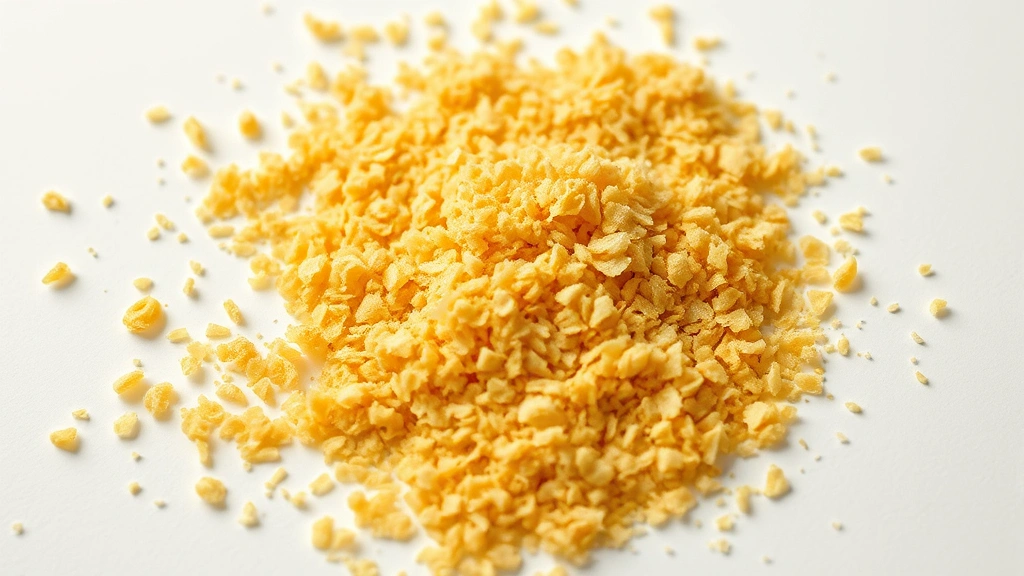
Nutritional yeast is a deactivated yeast product that has been pasteurized and dried into small flakes or powder form. Unlike baker’s yeast or brewer’s yeast that are still active and alive, nutritional yeast has been heat-treated to kill the living cells, which is why it won’t ferment in your dog’s digestive system. This distinction is crucial for pet safety.
The ingredient is commonly used in vegan cooking as a cheese substitute because of its savory, nutty flavor and creamy texture. It’s loaded with essential nutrients, including B vitamins (thiamine, riboflavin, niacin, B6, and B12), protein, and trace minerals like selenium and zinc. Many commercial brands also fortify nutritional yeast with additional B12, making it even more nutrient-dense.
The difference between nutritional yeast and other yeast products is important to understand. Active baker’s yeast can actually rise and ferment in your dog’s stomach, potentially causing bloating, gas, and even alcohol production—none of which are safe for your pet. Brewer’s yeast, on the other hand, is a byproduct of beer production and may contain trace amounts of alcohol or hops, which are toxic to dogs. Nutritional yeast avoids these issues entirely, making it the safest yeast option for canine consumption.

Health Benefits for Dogs
When given in appropriate amounts, nutritional yeast can offer several nutritional benefits to your dog. The primary advantage is its impressive B-vitamin content, which supports energy metabolism, nervous system function, and coat health. Dogs require these water-soluble vitamins for optimal physiological function, and nutritional yeast provides them in a bioavailable form.
The protein content in nutritional yeast is another plus, containing all nine essential amino acids that dogs need. This makes it a complete protein source, which is particularly beneficial for senior dogs, puppies, or dogs recovering from illness. The mineral content, including chromium, selenium, and zinc, supports immune function and helps maintain healthy skin and coat.
Some pet owners report that nutritional yeast can improve their dog’s coat quality and skin health due to its B-vitamin content. Additionally, the prebiotics found in nutritional yeast may support digestive health by promoting beneficial gut bacteria growth. However, these benefits are most noticeable when nutritional yeast is part of a well-balanced, complete diet.
When combined with other nutritious foods like broccoli, pumpkin, and rice, nutritional yeast can be part of a comprehensive approach to canine nutrition. Many dogs benefit from a varied diet that includes whole foods alongside their regular kibble.
Safety Concerns and Risks
While nutritional yeast is generally safe for dogs, there are several important safety considerations to keep in mind. First and foremost, some dogs may experience digestive upset when first introduced to nutritional yeast. Symptoms can include mild diarrhea, vomiting, or gas as their digestive system adjusts to this new ingredient.
Dogs with certain health conditions should avoid nutritional yeast or consume it only under veterinary supervision. Dogs with yeast infections or those prone to yeast overgrowth may experience exacerbated symptoms, as yeast-based products can feed existing yeast populations in the body. If your dog has a history of yeast infections, particularly ear or skin yeast infections, consult your veterinarian before introducing nutritional yeast.
Another concern is the sodium content. While most nutritional yeast products don’t contain added salt, some fortified varieties may have higher sodium levels. For dogs with heart conditions, kidney disease, or those on sodium-restricted diets, this could be problematic. Always check the label and discuss with your vet if your dog has any underlying health conditions.
Additionally, some dogs may develop an allergic reaction to nutritional yeast, though this is relatively rare. Signs of allergic reaction include itching, hives, swelling, or difficulty breathing. If you notice any of these symptoms after introducing nutritional yeast, discontinue use immediately and contact your veterinarian.
It’s also worth noting that nutritional yeast should never be used as a substitute for a complete, balanced diet. It’s a supplement or topper, not a meal replacement. Dogs require specific ratios of proteins, fats, carbohydrates, and essential nutrients that nutritional yeast alone cannot provide.

How Much Nutritional Yeast Can Dogs Eat?
The appropriate amount of nutritional yeast for your dog depends on their size, age, and overall health. As a general rule, nutritional yeast should comprise no more than 5-10% of your dog’s daily caloric intake. For most dogs, this translates to about 1/4 to 1 teaspoon per day, depending on their weight.
Small dogs (under 25 lbs): Start with 1/4 teaspoon, 2-3 times per week. If your dog tolerates it well, you can increase to 1/4 teaspoon daily.
Medium dogs (25-50 lbs): Begin with 1/2 teaspoon, 2-3 times per week, potentially increasing to 1/2 teaspoon daily.
Large dogs (over 50 lbs): Start with 1 teaspoon, 2-3 times per week, which can be increased to 1 teaspoon daily if tolerated well.
The key is to introduce nutritional yeast gradually. Start with the smallest recommended amount and monitor your dog for any digestive upset over several days. If your dog tolerates it without issues, you can slowly increase the amount. This gradual introduction helps their digestive system adjust to the new ingredient.
It’s crucial not to exceed the recommended amounts, as excessive nutritional yeast consumption can lead to digestive issues and may provide too many B vitamins (though toxicity from water-soluble vitamins is rare, as dogs excrete excess amounts in urine).
How to Serve Nutritional Yeast to Your Dog
There are several practical and delicious ways to incorporate nutritional yeast into your dog’s diet. The simplest method is to sprinkle it directly onto their regular kibble. Mix it in well to ensure even distribution and prevent your dog from picking out the yeast flakes.
You can also mix nutritional yeast into wet dog food or homemade meals. This method ensures better integration and makes it harder for picky eaters to avoid the ingredient. If you make homemade dog food, nutritional yeast can be a valuable supplement to boost nutritional content.
Another creative approach is to combine nutritional yeast with other dog-safe foods. Mix it with peanut butter or Greek yogurt for a tasty treat that your dog will love. You can freeze these mixtures in ice cube trays for convenient, portion-controlled treats.
For dogs dealing with digestive issues, you might consider combining nutritional yeast with bland foods like foods recommended for dogs with diarrhea, though this should only be done under veterinary guidance.
Some dog owners create homemade dog treat recipes that incorporate nutritional yeast as an ingredient. When baking treats, use the same guidelines for portion sizes and remember that nutritional yeast should never be the primary ingredient.
It’s important to always use food-grade nutritional yeast intended for human consumption. Never use baker’s yeast, active dry yeast, or brewer’s yeast as substitutes, as these can be dangerous for dogs. Check product labels carefully to ensure you’re purchasing the correct type.
Nutritious Food Alternatives
While nutritional yeast can be a beneficial supplement, there are many other nutrient-dense foods you can offer your dog that provide similar or complementary nutritional benefits. These alternatives offer variety and can help ensure your dog receives a well-rounded diet.
Whole vegetables like broccoli, pumpkin, and sweet potatoes provide fiber, vitamins, and minerals without the concentrated nutrient profile of nutritional yeast. These foods are particularly beneficial because they also contain beneficial enzymes and phytonutrients.
Lean proteins such as chicken, turkey, and beef provide essential amino acids and are well-tolerated by most dogs. Eggs are another excellent protein source that also contains choline, which supports brain health.
Fish and fish oil supplements provide omega-3 fatty acids that support coat health, reduce inflammation, and support cognitive function. These are particularly beneficial for aging dogs or those with joint issues.
Plain, unsweetened yogurt and other fermented foods provide probiotics that support digestive health naturally. The beneficial bacteria in these foods can help maintain a healthy gut microbiome.
Whole grains like brown rice and oats provide fiber and B vitamins naturally. These can be mixed with protein and vegetables to create balanced meals.
For dogs that cannot tolerate nutritional yeast or whose owners prefer other options, these alternatives provide excellent nutritional support. Many veterinarians recommend combining multiple whole food sources rather than relying on any single supplement.
Frequently Asked Questions
Is nutritional yeast safe for puppies?
Yes, nutritional yeast is generally safe for puppies, but introduce it gradually and in very small amounts. Puppies have developing digestive systems that are more sensitive to dietary changes. Start with just a pinch mixed into their food, 2-3 times per week. Always consult your veterinarian before introducing any new foods to puppies, as their nutritional requirements differ from adult dogs.
Can dogs with yeast infections eat nutritional yeast?
No, dogs with active yeast infections should avoid nutritional yeast entirely. Even though nutritional yeast is deactivated, it may still feed existing yeast populations in the body. If your dog has a history of yeast infections, discuss any new foods with your veterinarian before introducing them.
Will nutritional yeast cause my dog’s stomach to bloat or ferment?
No, nutritional yeast will not cause fermentation or bloating because it is deactivated and pasteurized. Unlike active baker’s yeast, nutritional yeast cannot ferment in your dog’s digestive system. However, some dogs may experience mild gas or digestive upset when first introduced to it, which typically resolves as their system adjusts.
How does nutritional yeast compare to other B vitamin supplements?
Nutritional yeast provides B vitamins in a whole-food form that often includes other beneficial nutrients like protein, minerals, and prebiotics. While synthetic B vitamin supplements are effective, nutritional yeast offers a more complete nutritional package. According to the Association of American Feed Control Officials, whole food sources are often preferable when they meet nutritional standards.
Can I give my dog nutritional yeast every day?
Yes, you can give your dog nutritional yeast daily in appropriate amounts. For most dogs, 1/4 to 1 teaspoon daily (depending on size) is safe and beneficial. However, always introduce it gradually and monitor your dog for any adverse reactions. If your dog has specific health conditions, consult your veterinarian about daily supplementation.
What brands of nutritional yeast are safest for dogs?
Look for nutritional yeast brands that are specifically labeled as food-grade and don’t contain added salt, artificial ingredients, or additives. Popular brands that are generally considered safe include Bob’s Red Mill, Nutritional Yeast by Now Foods, and Bragg Nutritional Yeast. Always read the ingredient list and nutritional information before purchasing.
Are there any drug interactions with nutritional yeast?
Nutritional yeast is generally safe and doesn’t typically interact with medications. However, if your dog is on specific medications or has underlying health conditions, discuss any dietary supplements with your veterinarian. This is particularly important for dogs taking medications for diabetes, heart conditions, or those on immunosuppressant therapies.
What should I do if my dog accidentally eats a large amount of nutritional yeast?
If your dog consumes a large amount of nutritional yeast, monitor them for signs of digestive upset such as vomiting, diarrhea, or excessive gas. In most cases, mild overconsumption will simply result in temporary digestive discomfort. However, if your dog shows severe symptoms or you’re concerned, contact your veterinarian or the ASPCA Animal Poison Control Center.
Can nutritional yeast replace my dog’s regular food?
No, nutritional yeast should never replace your dog’s regular food. While it’s nutrient-dense, it doesn’t provide the complete nutritional profile that dogs require. Dogs need balanced amounts of proteins, fats, carbohydrates, and specific vitamins and minerals in proper ratios. Nutritional yeast should only be used as a supplement or topper to enhance an already complete diet.