

Many dog owners enjoy sharing special treats with their furry companions, but when it comes to seafood delicacies like oysters, the question becomes more complex. Oysters are considered a luxury food for humans, packed with nutrients and often served as a delicacy in fine dining establishments. However, what’s good for us isn’t always safe for our four-legged friends.
Understanding whether can dogs eat oysters is crucial for responsible pet ownership. These bivalve mollusks present unique challenges and potential benefits that every pet parent should carefully consider. From nutritional content to safety concerns, there are multiple factors that determine whether oysters should find their way into your dog’s food bowl.
Oyster Safety Basics for Dogs
The short answer to whether dogs can eat oysters is yes, but with significant caveats. Oysters can be safe for dogs when properly prepared and served in moderation, but they’re far from being an ideal treat for most canines. The American Kennel Club emphasizes that any seafood given to dogs should be thoroughly cooked and free from seasonings.
Raw oysters pose the greatest risk to dogs due to potential bacterial contamination, including harmful pathogens like Vibrio, Salmonella, and E. coli. These bacteria can cause severe gastrointestinal upset, food poisoning, and in extreme cases, life-threatening infections. Cooked oysters eliminate most bacterial risks but still present other challenges for canine consumption.
The texture and shell fragments of oysters can also pose choking hazards or cause internal injuries if not properly prepared. Dogs have different digestive systems than humans, and their ability to process certain proteins and minerals found in oysters varies significantly from our own capabilities.
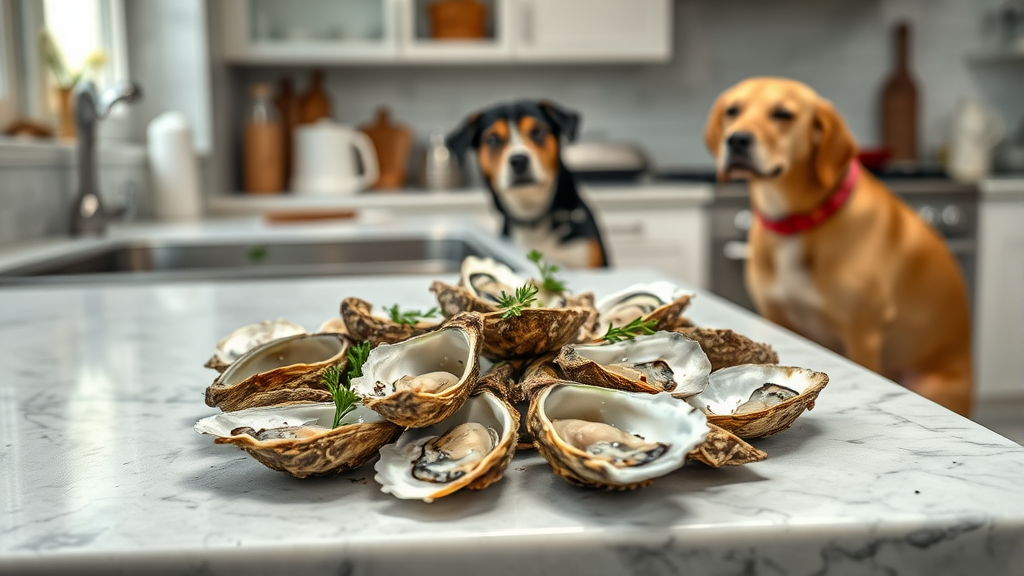
Nutritional Profile of Oysters
Oysters are nutritional powerhouses, containing high levels of protein, zinc, iron, selenium, and vitamin B12. A typical serving of oysters provides substantial amounts of omega-3 fatty acids, which are beneficial for coat health and joint function in dogs. However, the concentration of certain minerals in oysters can be problematic for canine consumption.
The zinc content in oysters is particularly noteworthy, as while zinc is essential for dogs, excessive amounts can lead to toxicity. Research published by the National Center for Biotechnology Information indicates that zinc toxicity in dogs can cause vomiting, diarrhea, and more severe complications with prolonged exposure.
Oysters also contain high sodium levels, which can be problematic for dogs with heart conditions or those prone to hypertension. The protein content, while beneficial, is quite rich and may cause digestive upset in dogs not accustomed to such concentrated protein sources. Additionally, the copper content in oysters, though beneficial in small amounts, can accumulate in a dog’s system and potentially cause liver problems over time.
Potential Benefits of Oysters for Dogs
When served occasionally and in small amounts, properly prepared oysters can offer some health benefits for dogs. The high-quality protein supports muscle development and maintenance, while the omega-3 fatty acids contribute to a healthy coat and may help reduce inflammation. These same benefits can be found in safer options like sardines, which are generally considered more appropriate for regular canine consumption.
The selenium in oysters acts as an antioxidant, potentially supporting immune function and cellular health. Vitamin B12 is crucial for nervous system function and red blood cell formation, making it a valuable nutrient for dogs. However, most commercial dog foods already provide adequate levels of these nutrients, making oysters an unnecessary addition to most dogs’ diets.
Some proponents argue that the natural taurine found in oysters can benefit heart health in dogs, particularly in breeds prone to dilated cardiomyopathy. However, the American Veterinary Medical Association recommends consulting with a veterinarian before adding any supplements or specialty foods to address specific health concerns.
Risks and Dangers to Consider
The risks associated with feeding oysters to dogs often outweigh the potential benefits. Bacterial contamination remains the primary concern, even with cooked oysters, as improper handling or storage can reintroduce harmful pathogens. Dogs are particularly susceptible to foodborne illnesses, and their symptoms can escalate quickly.
Allergic reactions, while rare, can occur in dogs consuming oysters for the first time. Signs of allergic reactions include facial swelling, difficulty breathing, excessive itching, and gastrointestinal distress. Unlike other seafood options such as fish, oysters are more likely to trigger allergic responses due to their unique protein structure.
Shell fragments pose another significant danger, even in commercially shucked oysters. These sharp pieces can damage a dog’s mouth, throat, or intestinal tract, potentially requiring emergency surgical intervention. The high sodium content can exacerbate existing health conditions or contribute to the development of kidney problems in susceptible dogs.
Heavy metal contamination is an additional concern with oysters, as these filter-feeders can accumulate toxins from polluted waters. The Environmental Protection Agency regularly monitors shellfish for contamination, but even approved oysters may contain trace amounts of mercury, cadmium, or other harmful substances that can affect dogs more severely than humans.

Safe Preparation Guidelines
If you decide to offer oysters to your dog despite the risks, proper preparation is absolutely essential. Always choose fresh, high-quality oysters from reputable sources and ensure they’re thoroughly cooked before serving. Steaming, boiling, or baking oysters until they reach an internal temperature of 145°F (63°C) will eliminate most bacterial risks.
Remove all shell fragments and inspect each oyster carefully before serving. Avoid any seasonings, butter, oils, or sauces that are commonly used in human oyster preparations, as these additives can be harmful to dogs. Simple steaming with water is the safest preparation method, preserving the oyster’s nutritional value while minimizing additional risks.
Never serve raw or undercooked oysters to dogs, regardless of their quality or source. The risk of bacterial infection is simply too high, and dogs lack the digestive enzymes humans possess to safely process raw shellfish. Consider safer alternatives like salmon skin or other cooked fish options that provide similar nutritional benefits with fewer risks.
Serving Size and Frequency Recommendations
If you choose to give your dog oysters, moderation is key. For small dogs (under 25 pounds), no more than half an oyster per month is recommended. Medium dogs (25-60 pounds) can safely consume one small oyster monthly, while large dogs (over 60 pounds) should be limited to one or two small oysters per month maximum.
These serving recommendations assume the oysters are properly prepared and your dog has no underlying health conditions. Dogs with kidney disease, heart problems, or digestive sensitivities should avoid oysters entirely. Always introduce any new food gradually and monitor your dog for adverse reactions over the following 24-48 hours.
The high mineral content in oysters means that even small amounts can contribute significantly to a dog’s daily nutritional intake. Pet food industry guidelines emphasize that treats and supplemental foods should comprise no more than 10% of a dog’s daily caloric intake, and oysters should represent only a fraction of that allowance.
Safer Seafood Alternatives
Given the risks associated with oysters, many safer seafood alternatives can provide similar nutritional benefits without the complications. Sardines are an excellent choice, offering high-quality protein and omega-3 fatty acids with minimal mercury content and easier preparation.
Other shellfish options like cooked shrimp and crab can be safer alternatives when properly prepared, though they still require careful attention to preparation and serving size. These options are generally easier to clean thoroughly and pose fewer choking hazards than oysters.
Fish varieties such as salmon, mackerel, and herring provide excellent nutritional profiles for dogs and are much easier to prepare safely. Shrimp can also be a good occasional treat when properly cooked and deveined. The key is choosing seafood options that provide nutritional benefits while minimizing preparation complexity and health risks.
Warning Signs and When to Call Your Vet
If your dog has consumed oysters and shows any signs of distress, immediate veterinary attention may be necessary. Watch for symptoms including vomiting, diarrhea, excessive drooling, difficulty swallowing, or signs of abdominal pain such as restlessness or unusual positioning.
More severe symptoms that warrant emergency veterinary care include difficulty breathing, facial swelling, pale gums, weakness, or collapse. These signs could indicate allergic reactions or severe food poisoning that requires immediate medical intervention. The ASPCA Animal Poison Control Center provides 24/7 assistance for pet poisoning emergencies.
Even seemingly minor digestive upset following oyster consumption should be monitored closely, as dogs can dehydrate quickly from vomiting and diarrhea. Contact your veterinarian if symptoms persist for more than 12 hours or if your dog shows signs of dehydration such as lethargy, dry gums, or loss of skin elasticity.
Keep records of what your dog consumed, including the amount, preparation method, and time of consumption. This information will be valuable for your veterinarian in determining the appropriate treatment approach. Consider alternatives like lobster or other seafood options that might be better tolerated by your individual dog’s digestive system.
Frequently Asked Questions
Can dogs eat raw oysters?
No, dogs should never eat raw oysters. Raw oysters can contain harmful bacteria like Vibrio, Salmonella, and E. coli that can cause severe food poisoning in dogs. Always cook oysters thoroughly before considering them as an occasional treat for your dog.
How many oysters can I give my dog?
The amount depends on your dog’s size, but generally, small dogs should have no more than half an oyster per month, medium dogs one small oyster monthly, and large dogs one to two small oysters monthly. These should only be given as very occasional treats, not regular food.
What should I do if my dog ate oyster shells?
Contact your veterinarian immediately. Oyster shells can cause choking, mouth injuries, or internal damage to the digestive tract. Monitor your dog for signs of distress, difficulty swallowing, vomiting, or abdominal pain, and seek emergency veterinary care if any symptoms appear.
Are canned or jarred oysters safer for dogs?
Canned or jarred oysters may be safer from a bacterial standpoint since they’re already cooked, but they often contain high levels of sodium and preservatives that aren’t healthy for dogs. If you choose this option, rinse them thoroughly and serve only in very small amounts.
Can oysters cause allergic reactions in dogs?
Yes, some dogs can develop allergic reactions to oysters, including symptoms like facial swelling, difficulty breathing, excessive itching, vomiting, or diarrhea. If you notice any of these signs after your dog consumes oysters, contact your veterinarian immediately.
What are the signs of zinc toxicity from oysters in dogs?
Signs of zinc toxicity include vomiting, diarrhea, loss of appetite, lethargy, and in severe cases, anemia or liver damage. Since oysters are very high in zinc, even small amounts consumed regularly could potentially lead to toxicity in sensitive dogs.
Are there any dogs that should never eat oysters?
Yes, dogs with kidney disease, heart conditions, sodium-sensitive conditions, or digestive issues should never eat oysters. Puppies, senior dogs, and dogs with compromised immune systems should also avoid oysters due to their higher risk of complications from bacterial contamination or nutrient imbalances.





