

Your dog’s eyes light up when you’re cutting into a papaya. Those little puppy-dog eyes are hard to resist. But before you hand over a slice, you’re probably wondering: can dogs eat papaya safely?
The short answer? Yes. Dogs can eat papaya in moderation, and it’s actually a decent treat packed with vitamin C, fiber, and natural enzymes. But there’s a catch—and a few things you need to know before making it a regular snack.
I’ve seen plenty of dogs thrive on fruit-inclusive diets, and I’ve also seen some end up with digestive issues because owners went overboard. This guide breaks down exactly how to serve papaya to your dog, what benefits it offers, and when to skip it altogether.
Is Papaya Safe for Dogs?
Papaya is safe for dogs when prepared correctly. The flesh of a ripe papaya contains no toxic compounds that harm canines. Unlike grapes, avocado, or chocolate—which are genuinely dangerous—papaya sits in the “generally safe” category.
That said, “safe” doesn’t mean unlimited. Papaya is high in natural sugars and fiber, both of which can cause problems if your dog eats too much. Think of it like ice cream for humans: not poisonous, but not an everyday food either.
The American Kennel Club doesn’t specifically warn against papaya, which is a good sign. Most veterinary sources agree that small amounts of ripe papaya are fine for most adult dogs.
One important note: your dog’s individual tolerance matters. A Labrador with an iron stomach might handle papaya without issue. A Chihuahua with sensitive digestion? That’s a different story. Start small and watch for any signs of upset stomach.
Pro Tip: Always introduce new foods slowly. Give your dog a tiny piece first, wait 24 hours, and see how their digestive system responds before offering more.
Nutritional Benefits of Papaya for Dogs
If you’re looking to add some nutritional punch to your dog’s diet, papaya brings several solid benefits to the table.
- Vitamin C: Supports immune function and acts as an antioxidant. Dogs produce their own vitamin C, but extra doesn’t hurt.
- Fiber: Aids digestion when given in appropriate amounts. Too much causes the opposite problem (loose stools).
- Papain: A natural enzyme that helps break down proteins. Some people swear it aids digestion; the science is mixed but not harmful.
- Potassium: Important for heart and muscle function.
- Low in calories: About 43 calories per 100g, making it a lighter treat option.
The real value of papaya isn’t that it’s a nutritional game-changer. Your dog’s regular food should provide all essential nutrients. Think of papaya as a supplement—a tasty way to add variety and a few extra vitamins without major caloric impact.
If your dog has digestive issues, papaya’s fiber and enzymes might actually help. I’ve recommended it to owners dealing with mild constipation in their older dogs, and some have seen improvement. But if your dog has inflammatory bowel disease or chronic pancreatitis, check with your vet first.
How to Serve Papaya to Your Dog
Preparation matters. A whole papaya isn’t something you hand to your dog like a toy. Here’s the right way to do it.
- Pick a ripe papaya. It should yield slightly to pressure but not be mushy. Unripe papaya is harder to digest.
- Wash the outside under running water to remove any dirt or pesticides.
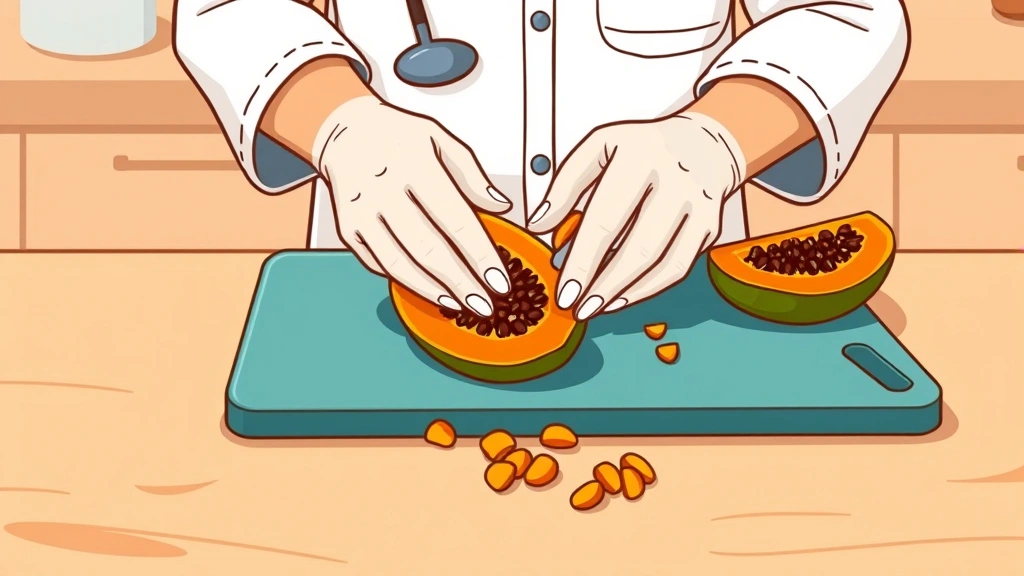
- Cut it in half and scoop out all the black seeds. We’ll cover seeds separately, but the safest route is removing them entirely.
- Remove the skin. The thick outer skin is tough and not digestible. Your dog could choke on it.
- Cut the flesh into small, appropriate-sized pieces. For a small dog, think pea-to-grape sized. For a large dog, you can go bigger, but keep pieces manageable.
- Serve plain. No added sugar, honey, or other toppings. Just papaya.
You can serve it fresh or frozen. Frozen papaya chunks actually make a nice cool treat on hot days—kind of like a dog popsicle. Just thaw it slightly if your dog has dental issues.
Some owners blend papaya into plain yogurt (unsweetened, xylitol-free) for a creamy treat. That’s fine too, though it adds extra calories.
Safety Warning: Never give your dog papaya that’s been treated with pesticides or sitting in a sugary syrup. Canned papaya in heavy syrup is a no-go.
Risks and Concerns with Papaya

Every food has a downside. Here’s what can go wrong with papaya for dogs.
Sugar Content: Papaya has about 11g of sugar per 100g. For a small dog, even a few bites can be significant. If your dog is overweight or diabetic, papaya should be rare or off-limits. Overfeeding fruit contributes to weight gain and blood sugar spikes.
According to PetMD, obesity in dogs is linked to joint problems, heart disease, and a shortened lifespan. Treats (including fruit) should make up no more than 10% of daily calories.
Digestive Upset: The fiber in papaya can cause diarrhea or loose stools if your dog eats too much. I’ve had owners call saying their dog had runny poop after eating half a papaya—that’s the fiber at work. Moderation is key.
Choking Risk: Papaya flesh is soft, but if your dog gulps without chewing, it could be an issue. Always supervise and cut appropriately for your dog’s size.
Enzyme Sensitivity: The papain enzyme is generally fine, but some dogs with very sensitive stomachs might react. Vomiting or diarrhea could follow. If this happens, stop offering papaya.
Pesticide Residue: Conventional papayas can carry pesticide residue. Organic is safer if you’re concerned, though thorough washing helps either way.
Dogs with pancreatitis should avoid papaya entirely. The fruit’s fat content and sugar can trigger flare-ups. Same goes for dogs with diabetes—the sugar load isn’t worth it.
Portion Sizes by Dog Weight
Here’s a practical breakdown so you’re not guessing. These are maximum daily amounts as an occasional treat, not something to give every day.
- Small dogs (under 10 lbs): 1-2 tablespoons of papaya flesh, 2-3 times per week maximum
- Medium dogs (10-50 lbs): 2-4 tablespoons, 2-3 times per week
- Large dogs (50+ lbs): ¼ to ½ cup, 2-3 times per week
These portions assume your dog is otherwise healthy and at a good weight. If your dog is overweight, cut these amounts in half. If your dog has any digestive issues, start with the smallest amount and increase only if tolerated well.
Remember: treats should never exceed 10% of daily caloric intake. If your dog eats 1,500 calories per day, treats (including papaya) should total about 150 calories. A cup of papaya is roughly 55 calories, so you have room, but it adds up fast.
Seeds, Skin, and Other Parts: What’s Safe?
Let’s address the parts people are most confused about.
Seeds: Papaya seeds are a gray area. They’re not outright toxic like apple seeds (which contain cyanogenic compounds), but they’re not ideal either. The seeds are hard and could cause intestinal blockage if swallowed whole. They also have a bitter taste that most dogs dislike. Safest approach: remove all seeds before serving. It takes 30 seconds and eliminates the risk entirely.
Skin: The thick, bumpy skin is indigestible and a choking hazard. Remove it completely. Your dog’s digestive system can’t break it down, and it could lodge in the throat or esophagus.
Leaves and Stems: Not recommended. They’re tough, fibrous, and offer no nutritional benefit. Stick to the flesh only.
Unripe Papaya: Harder to digest and less palatable. Stick with ripe fruit.
Other Fruits Dogs Can Eat (And How They Compare)
If you’re looking for fruit options beyond papaya, you’ve got choices. Here’s how some stack up.
Blackberries: Lower in sugar than papaya, high in antioxidants. Can My Dog Eat Blackberries covers this in detail. Generally safer for weight-conscious or diabetic dogs.
Applesauce: Plain, unsweetened applesauce is fine. See Can Dogs Have Apple Sauce for serving guidelines. Watch out for added sugar and xylitol.
Coconut Water: Some owners use it as a hydration boost. Is Coconut Water Good for Dogs explains the pros and cons. It’s not necessary but can be useful for active dogs in summer.
Other safe fruits include watermelon (seedless), blueberries, strawberries, and cantaloupe. Each has different nutrient profiles and sugar levels. Variety is fine as long as portions stay small.
What about treats that aren’t fruit? Can Dogs Eat Animal Crackers covers a common snack question. And if you’re curious about diet composition, Is Rice OK for Dogs and Can Adult Dogs Eat Puppy Food address carbs and life-stage nutrition.
Pro Tip: Rotate fruits and treats to prevent boredom and ensure your dog gets varied nutrients. One week papaya, next week blueberries, then a bit of watermelon.
Frequently Asked Questions
Can puppies eat papaya?
– Yes, but be extra cautious. Puppies have developing digestive systems and are more prone to upset stomachs. Start with a tiny amount (like a teaspoon) and monitor closely. Puppies also don’t need extra nutrition from fruits—their food should provide everything they need. Save papaya for occasional treats once they’re older.
What if my dog eats a whole papaya?
– Don’t panic, but monitor closely. A whole papaya is a lot of sugar and fiber, which will likely cause diarrhea or vomiting within a few hours. Keep your dog hydrated, stick to bland food (like plain chicken and rice) for the next day or two, and call your vet if symptoms persist or worsen. This is usually self-limiting but worth watching.
Is papaya good for dogs with constipation?
– Possibly. The fiber in papaya can help, but it’s not a cure-all. If your dog is constipated, increasing water intake and adding a small amount of canned pumpkin (plain, not pie filling) is often more effective. Consult your vet before using food as medicine—constipation can signal underlying issues like blockages.
Can dogs eat dried papaya?
– Not recommended. Dried fruit concentrates sugar and removes water content, making it calorie-dense and easy to overfeed. A dog could eat a small amount of dried papaya without issue, but fresh is always better. If you do offer dried fruit, keep portions tiny (like a single piece).
Is papaya juice safe for dogs?
– No. Juice removes the fiber and concentrates the sugar. A few ounces might not hurt, but it’s not worth it. Stick to whole fruit or skip it. If your dog accidentally laps up some papaya juice, it’s not an emergency, but don’t make it a habit.
Can dogs with kidney disease eat papaya?
– Possibly, but check with your vet first. Papaya is moderate in potassium, which can be a concern for dogs with kidney issues. Your vet might recommend avoiding it or limiting it significantly depending on your dog’s specific condition.
What’s the best way to introduce papaya to my dog?
– Start small: give a piece about the size of a pea, wait 24 hours, and watch for any digestive upset. If all goes well, you can gradually increase to the recommended portion size. If your dog shows any signs of vomiting, diarrhea, or loss of appetite, stop offering papaya and consult your vet.
Can I give my dog papaya every day?
– No. Papaya should be an occasional treat, not a daily food. Feeding it daily risks excessive sugar intake, digestive upset, and nutritional imbalance. Treats should make up no more than 10% of daily calories, and variety is important. Offer papaya 2-3 times per week at most.
Are there any dog breeds that shouldn’t eat papaya?
– Not breed-specific, but individual health status matters. Dogs with pancreatitis, diabetes, obesity, or sensitive digestive systems should avoid papaya or eat it very rarely. Older dogs might have stricter limits. When in doubt, ask your vet about your specific dog.
What should I do if my dog has an allergic reaction to papaya?
– True allergies to papaya are rare but possible. Signs include itching, hives, swelling of the face or throat, or difficulty breathing. If you see any of these, stop offering papaya and contact your vet immediately. Mild digestive upset (loose stool, mild vomiting) is usually not an allergy but rather intolerance—discontinue and try again in a few weeks if you want.





