
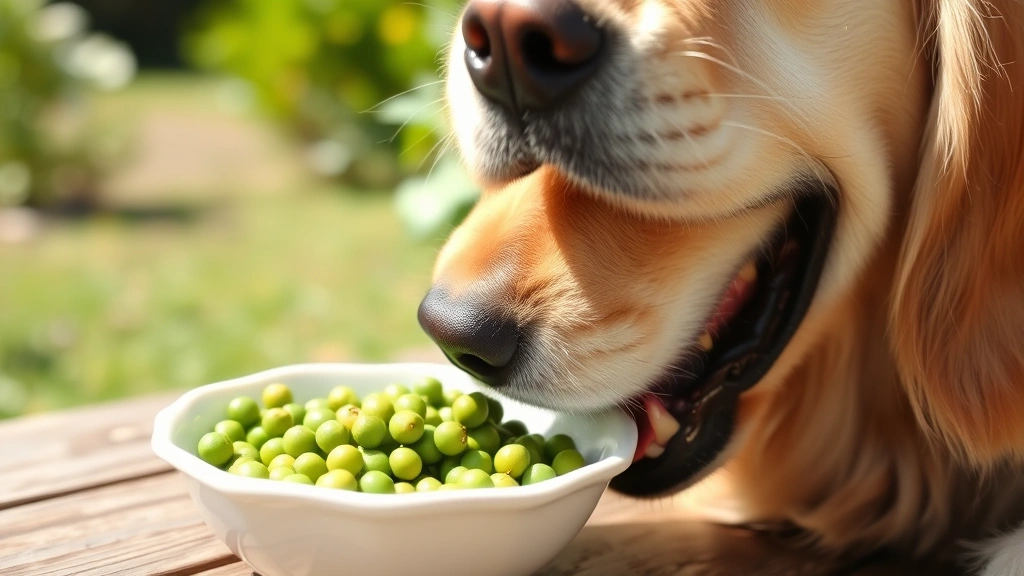
Can Dogs Eat Peas? Vet-Approved Guide to Safe Green Treats
If you’re wondering whether your furry friend can enjoy peas, the answer is a resounding yes! Peas are not only safe for dogs but can be a nutritious addition to their diet when offered appropriately. Many veterinarians recommend peas as a healthy treat or meal supplement, thanks to their impressive nutritional profile and low calorie content. Whether you’re looking to add variety to your dog’s meals or searching for wholesome training treats, peas offer several benefits that make them worth considering.
Before you start adding peas to your dog’s bowl, it’s important to understand the proper serving sizes, preparation methods, and potential considerations for your individual pet. This comprehensive guide will walk you through everything you need to know about feeding peas to dogs, including which types are safest, how to prepare them, and when you might want to consult your veterinarian.
Are Peas Safe for Dogs?
Yes, peas are completely safe for dogs when prepared and served correctly. The American Kennel Club acknowledges peas as a safe vegetable option for canine diets. Fresh, frozen, and cooked peas are all appropriate choices for most healthy dogs. However, canned peas with added sodium should be avoided or thoroughly rinsed before serving, as excessive salt can be harmful to dogs.
The safety of peas extends to most dog breeds and ages, though puppies, senior dogs, and those with specific health conditions may have different requirements. Raw peas are safe for dogs to eat, though they may be harder to digest for some pets. Many dog owners find that cooking or lightly steaming peas makes them easier for their dogs to process while maintaining nutritional value.
One important distinction: garden peas (also called sweet peas or English peas) are the safe variety for dogs. These are the tender, young peas you typically find in grocery stores. It’s crucial to avoid ornamental peas or seed peas, which can be toxic to dogs. Always ensure you’re serving culinary peas rather than decorative plants.
Nutritional Benefits of Peas
Peas pack an impressive nutritional punch for such a small vegetable. They’re rich in essential vitamins and minerals that support your dog’s overall health and wellness. One of the primary benefits is their high protein content, making them an excellent choice for dogs on restricted diets or those needing additional protein sources. Peas contain approximately 5-6 grams of protein per cooked cup, which is substantial for a vegetable.
Beyond protein, peas are loaded with fiber, which supports digestive health and can help maintain healthy weight. The fiber content aids in regular bowel movements and promotes a healthy gut microbiome. Additionally, peas contain beneficial carbohydrates that provide sustained energy without the spike associated with refined grains.
Peas are also excellent sources of vitamins, particularly B vitamins like thiamine, niacin, and folate, which are essential for energy metabolism and nervous system function. They contain vitamin K, crucial for blood clotting and bone health, and vitamin C, which supports immune function. The mineral content includes manganese, phosphorus, and magnesium—all vital for bone development and overall metabolic function.
The antioxidants found in peas, including flavonoids and carotenoids, help combat oxidative stress and may reduce inflammation in your dog’s body. This is particularly beneficial for aging dogs or those prone to inflammatory conditions. Many holistic veterinarians recommend peas as part of an anti-inflammatory diet strategy.
Types of Peas: Which Are Safe?
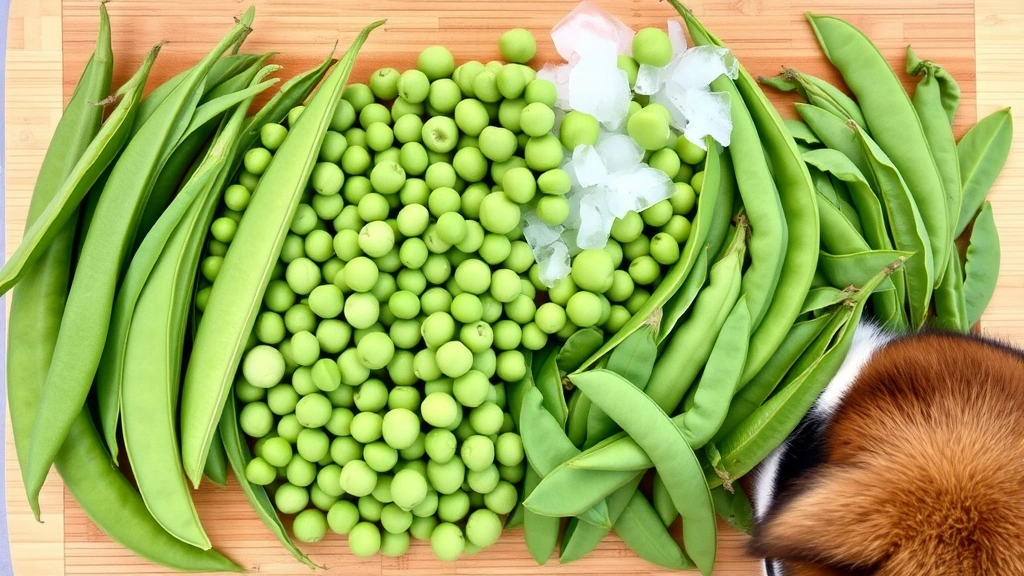
Understanding the different types of peas available helps ensure you’re selecting the safest option for your dog. Garden peas (sweet peas or English peas) are the most common and safest variety found in grocery stores. These tender, young peas are perfect for dogs and can be served fresh, frozen, or lightly cooked. They’re typically the peas you’ll find in the frozen vegetable section, often sold as individual peas rather than in pods.
Snow peas are another safe option for dogs. These flat-podded peas with immature seeds inside are edible in their entirety, pod and all. However, some dogs may have difficulty digesting the pod, so removing it beforehand is often recommended. Sugar snap peas are similarly safe and can be offered as a crunchy treat, though again, the pod should be removed for optimal digestion.
Split peas, commonly used in soups, are safe for dogs when cooked and served plain without seasonings or additives. However, they should be given in moderation due to their concentrated nutrient profile. Black-eyed peas and chickpeas (which are technically legumes, not true peas) are also generally safe for dogs, though they should always be cooked and unseasoned.
What to absolutely avoid: ornamental peas, sweet pea plants, and any pea plants used for decoration are toxic to dogs and should never be offered. These contain compounds that can cause gastrointestinal distress and other serious health issues. Always verify the source of your peas and ensure they’re intended for culinary use.
How to Serve Peas to Your Dog
Preparation is key to safely serving peas to your dog. Fresh peas should be thoroughly washed and can be served raw, though many dogs find cooked peas easier to digest. Simply boil or steam fresh peas for 2-3 minutes until they’re soft, then allow them to cool before serving. Never add salt, butter, garlic, or other seasonings, as these can upset your dog’s stomach or cause more serious health issues.
Frozen peas are convenient and equally nutritious. They’ve been flash-frozen at peak ripeness, preserving their nutritional content. Thaw frozen peas before serving, or if your dog enjoys the texture, some owners serve them frozen as a refreshing treat on hot days. Simply rinse them to remove any ice crystals and serve in small portions.
Canned peas should be rinsed thoroughly under running water to remove excess sodium before serving. While not ideal due to added salt, rinsed canned peas are acceptable as an occasional treat. Always check the ingredient list to ensure no harmful additives or preservatives are included.
For picky eaters, you might mix peas with their regular food or mash them slightly to release flavors. Some dogs enjoy peas as training treats—they’re low in calories and easy to portion into small bites. You can also freeze peas in ice cube trays with a bit of low-sodium broth to create frozen treats perfect for warm weather.
Portion Guidelines and Frequency
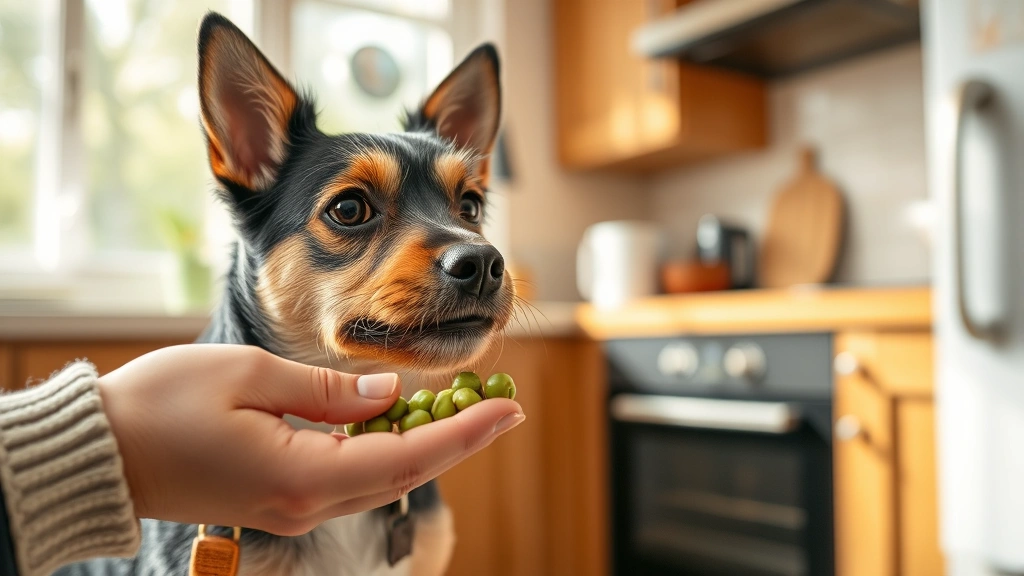
The appropriate portion of peas depends on your dog’s size, age, and overall diet. As a general rule, treats (including peas) should comprise no more than 10% of your dog’s daily caloric intake, with the remaining 90% coming from their regular dog food. This ensures they receive complete and balanced nutrition from their primary diet.
For small dogs (under 20 pounds), a tablespoon of cooked peas, 2-3 times per week is appropriate. Medium dogs (20-50 pounds) can enjoy 2-3 tablespoons, while large dogs (over 50 pounds) can have up to 1/4 cup of peas at a time. These portions can be offered 2-3 times weekly as part of their treat allowance.
If your dog has never eaten peas before, introduce them gradually. Start with just a few peas mixed into their regular food and observe for any digestive upset over 24-48 hours. Most dogs tolerate peas well, but individual sensitivities vary. Some dogs may experience mild gas or loose stools if given too many peas at once.
Peas can be offered daily in very small amounts if they’re replacing other treats rather than being added on top of your dog’s normal diet. The key is maintaining nutritional balance and ensuring peas don’t prevent your dog from eating their complete dog food, which contains essential nutrients peas alone cannot provide.
Potential Risks and Considerations
While peas are generally safe, certain situations warrant caution. Dogs with a history of kidney disease should have their pea consumption monitored, as peas contain purines that metabolize into uric acid. Consult your veterinarian if your dog has kidney issues before adding peas to their diet. Similarly, dogs prone to gout should limit pea intake due to their purine content.
Some dogs may experience digestive upset from peas, particularly if they’re not accustomed to high-fiber vegetables. Symptoms include gas, bloating, or loose stools. If your dog experiences these issues, reduce portion sizes or discontinue peas and consult your vet. Dogs with sensitive digestive systems may benefit from cooked rather than raw peas.
There’s been ongoing discussion about legumes, including peas, in relation to dilated cardiomyopathy (DCM) in dogs. Some research suggests a potential link between high legume diets and DCM, though this remains under investigation by veterinary researchers and the FDA. To be safe, peas should be part of a balanced diet, not the primary protein source. Dogs with existing heart conditions should consult their veterinarian before dietary changes.
Choking is a potential risk with any food. Ensure peas are appropriately sized for your dog—whole peas are fine for most dogs, but very small breeds might benefit from peas cut in half. Always supervise treat time, especially when introducing new foods.
Pregnant and nursing dogs may have different nutritional requirements. While peas are generally safe during these life stages, consult your veterinarian about appropriate portions to ensure complete nutrition for both mother and puppies.
Alternative Vegetables for Dogs
If your dog doesn’t enjoy peas or you’re looking for variety, several other vegetables offer similar nutritional benefits. Carrots are excellent low-calorie treats that support dental health through their natural abrasive texture. Broccoli offers similar nutritional density to peas but should be given in smaller quantities due to its compounds that can cause digestive upset in large amounts.
Corn is safe for dogs and provides carbohydrates and fiber, though it’s less nutrient-dense than peas. Green beans offer fiber and vitamins with minimal calories, making them ideal for weight management. Sweet potatoes provide beta-carotene and are particularly beneficial for dogs with sensitive stomachs when cooked.
Pumpkin (plain, not pie filling) is excellent for digestive health and can be mixed with regular food or served as a treat. Zucchini is another low-calorie option perfect for dogs on weight management diets. When exploring alternatives, remember that variety is beneficial, but introduce new vegetables gradually to monitor for individual sensitivities.
You might also consider rice and cheese as treat options, though these differ nutritionally from vegetables. Always consult your veterinarian before making significant dietary changes, especially if your dog has existing health conditions.
FAQ
Can puppies eat peas?
Yes, puppies can eat peas once they’re eating solid food. Start with very small portions—just a few peas—to ensure their developing digestive systems tolerate them well. Puppies have different nutritional requirements than adult dogs, so peas should supplement, not replace, their specialized puppy food. Always consult your veterinarian about age-appropriate treat introductions.
Can dogs with allergies eat peas?
Most dogs with allergies can eat peas since pea allergies are relatively uncommon in dogs. However, if your dog has a diagnosed legume allergy, avoid peas. For dogs with other food allergies, peas can be a safe treat option. Always verify with your veterinarian before introducing new foods to an allergic dog’s diet.
Are frozen peas better than fresh peas for dogs?
Both frozen and fresh peas are nutritionally comparable for dogs. Frozen peas are often more convenient and flash-frozen at peak ripeness, which preserves nutrients. Fresh peas may have slightly higher nutrient density if purchased immediately after harvest, but the difference is minimal. Choose whichever option is most convenient for you and your dog.
How many peas can I give my dog daily?
The amount depends on your dog’s size and overall diet. Generally, treats should comprise no more than 10% of daily calories. For most dogs, 1-4 tablespoons of peas, 2-3 times weekly is appropriate. Consult your veterinarian for personalized recommendations based on your dog’s specific needs and health status.
Can dogs eat pea pods?
Dogs can eat pea pods from snow peas and sugar snap peas, though some owners prefer removing them for easier digestion. Garden pea pods are tougher and less palatable. If offering pods, ensure they’re cut into appropriate sizes to prevent choking. Always supervise and watch for digestive upset.
What should I do if my dog eats too many peas?
If your dog consumes an excessive amount of peas, monitor for digestive upset including gas, bloating, or diarrhea. These symptoms are usually mild and resolve within 24 hours. Provide plenty of fresh water and return to regular feeding. If symptoms persist or worsen, contact your veterinarian. Severe symptoms warrant immediate veterinary attention.
Can dogs with diabetes eat peas?
Dogs with diabetes can eat peas in moderation, as they contain carbohydrates that affect blood sugar. Portion control is essential, and all dietary changes should be discussed with your veterinarian. They may recommend adjusting insulin doses when introducing new foods. Monitor your diabetic dog’s blood glucose levels when making dietary changes.





