
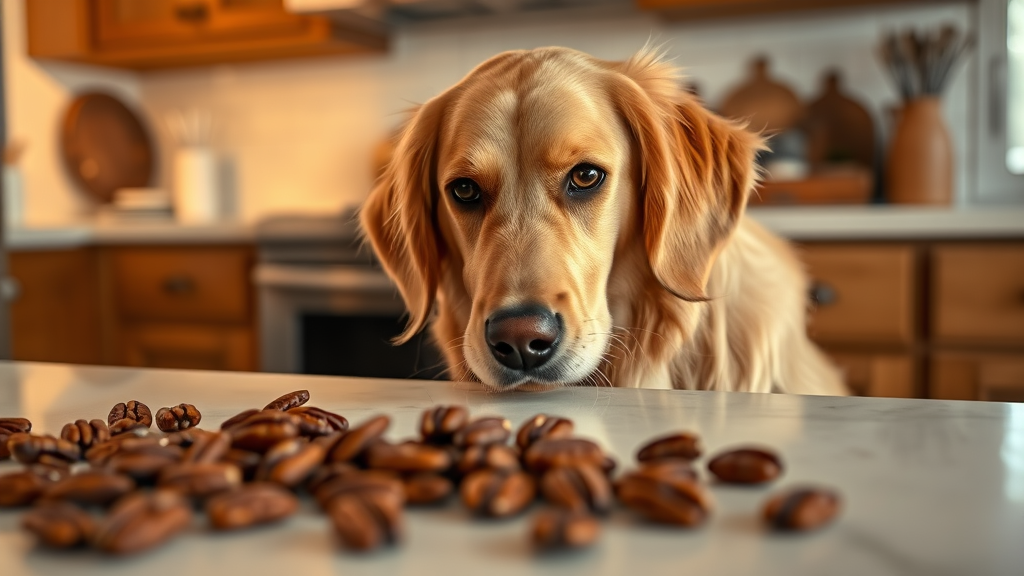
As a responsible dog owner, you’ve likely found yourself wondering about the safety of various foods when your furry friend gives you those irresistible puppy dog eyes. When it comes to pecans, this question becomes particularly important during holiday seasons when these nuts are abundant in many households. The short answer is no – pecans are not safe for dogs and should be avoided entirely.
Pecans pose several serious health risks to our canine companions, from digestive upset to potentially life-threatening conditions. Understanding why these seemingly harmless nuts are dangerous for dogs is crucial for every pet owner who wants to keep their four-legged family member safe and healthy.
Why Pecans Are Dangerous for Dogs
Pecans contain several compounds that make them unsuitable and potentially dangerous for canine consumption. Unlike humans, dogs lack certain enzymes necessary to properly process the high fat content and specific compounds found in these nuts. The primary concerns include their high fat content, potential for mold contamination, and the presence of naturally occurring toxins.
The fat content in pecans is particularly problematic for dogs. A single ounce of pecans contains approximately 20 grams of fat, which is an excessive amount for most dogs. This high fat content can lead to pancreatitis, a serious and potentially life-threatening condition that causes inflammation of the pancreas. Dogs with sensitive stomachs or those prone to digestive issues are at even higher risk.
Additionally, pecans are prone to developing mold, particularly Aspergillus mold, which produces aflatoxins. These mycotoxins are highly toxic to dogs and can cause severe liver damage, neurological symptoms, and even death in extreme cases. The American Veterinary Medical Association strongly advises against feeding any moldy foods to pets.

Toxic Compounds in Pecans
Beyond the high fat content, pecans contain several specific compounds that are toxic to dogs. Juglone, a natural compound found in pecans and other tree nuts, can cause digestive upset and neurological symptoms in canines. This compound is particularly concentrated in fresh, green pecans and can cause more severe reactions.
Pecans also contain tannins, which are naturally occurring plant compounds that can cause gastrointestinal irritation in dogs. While tannins are found in many foods that are safe for humans, dogs process these compounds differently and can experience nausea, vomiting, and diarrhea as a result.
The size and shape of pecans present an additional choking hazard, especially for smaller dogs. The hard shell pieces can become lodged in a dog’s throat or digestive tract, potentially requiring emergency veterinary intervention. Even shelled pecans can pose a risk if not properly chewed, as large pieces may cause intestinal blockages.
Symptoms of Pecan Poisoning
Recognizing the signs of pecan toxicity in dogs is crucial for prompt treatment. Symptoms can appear within hours of consumption and may include vomiting, diarrhea, lethargy, and loss of appetite. More severe cases may present with abdominal pain, difficulty breathing, and neurological symptoms such as tremors or seizures.
Gastrointestinal symptoms are typically the first to appear and may include excessive drooling, nausea, and repeated attempts to vomit. Dogs may also show signs of abdominal discomfort by adopting a hunched posture or being reluctant to move. Diarrhea may be watery or contain blood, indicating more serious digestive tract irritation.
If mold contamination is present, symptoms may be more severe and can include liver dysfunction, indicated by yellowing of the gums and eyes (jaundice), dark urine, and pale stools. Neurological symptoms from mycotoxin exposure may include disorientation, loss of coordination, tremors, and in severe cases, seizures.
Just as can dogs eat onions raises serious concerns, pecan consumption requires immediate attention. The severity of symptoms often correlates with the amount consumed relative to the dog’s body weight, with smaller dogs being at higher risk for severe reactions.
What to Do if Your Dog Eats Pecans
If you discover that your dog has consumed pecans, immediate action is essential. First, remain calm and assess the situation – determine how many pecans were consumed, whether they were shelled or unshelled, and if there were any signs of mold. Contact your veterinarian or pet poison control hotline immediately, even if your dog appears asymptomatic.
Do not attempt to induce vomiting unless specifically instructed by a veterinary professional, as this can sometimes cause more harm than good. The ASPCA Animal Poison Control Center is available 24/7 and can provide immediate guidance based on your dog’s specific situation.
Monitor your dog closely for any signs of distress or symptoms of poisoning. Keep your dog comfortable and restrict their activity to prevent further complications. If possible, bring a sample of the pecans or packaging to the veterinary clinic to help with diagnosis and treatment planning.
Time is critical in cases of nut toxicity, so don’t wait for symptoms to appear before seeking help. Early intervention often leads to better outcomes and can prevent more serious complications from developing.
Safe Nut Alternatives for Dogs
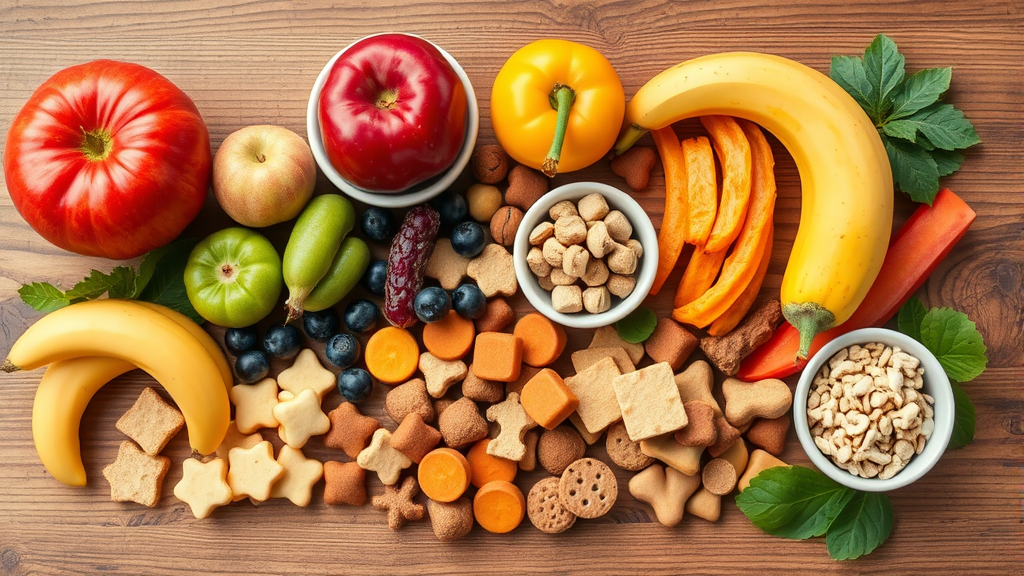
While pecans are off-limits, there are some nuts and similar foods that can be safely enjoyed by dogs in moderation. Plain, unsalted peanuts (not including the shell) are generally safe for most dogs, though they should still be given sparingly due to their high fat content. However, always ensure peanuts are free from xylitol, an artificial sweetener that is extremely toxic to dogs.
Unlike the concerns with nuts, many fruits can be safe options. For example, can dogs eat blackberries is a question with a positive answer, as these berries are safe and nutritious for dogs. Similarly, can dogs have peaches explores another safe fruit option when prepared properly.
Sunflower seeds (unsalted and shelled) can also be a safe occasional treat, providing healthy fats and vitamins. Pumpkin seeds, when properly prepared and given in small amounts, offer nutritional benefits and can even support digestive health.
When considering any new food for your dog, it’s always best to consult with your veterinarian first, especially if your pet has existing health conditions or dietary restrictions. Remember that treats should never make up more than 10% of your dog’s daily caloric intake.
Prevention and Safety Tips
Preventing accidental pecan consumption is key to keeping your dog safe. During holidays and gatherings when pecans are commonly present, take extra precautions to keep these nuts out of your dog’s reach. Store pecans in sealed containers in high cabinets or pantries where curious pets cannot access them.
Educate all family members and guests about the dangers of feeding pecans to dogs. Children, in particular, may not understand the risks and might share their snacks with pets. Clear communication about which foods are off-limits can prevent accidental poisoning incidents.
Be especially vigilant during baking sessions and holiday meal preparations when pecans might be dropped on the floor or left within reach. Clean up any spills immediately and dispose of pecan shells and debris in secure garbage containers that your dog cannot access.
Consider creating a designated safe space for your dog during food preparation or parties where nuts and other potentially dangerous foods might be present. This not only protects your pet but also gives you peace of mind during busy times.
The same vigilance applies to other questionable foods – just as you might wonder can dogs have cashews or can dogs eat mushrooms, it’s important to research and understand the safety of all foods before offering them to your pet.
Frequently Asked Questions
Can dogs eat pecan pie or pecan-flavored foods?
No, dogs should never eat pecan pie or any pecan-flavored foods. These items not only contain the dangerous pecans themselves but also typically include additional harmful ingredients like excessive sugar, butter, chocolate, and artificial sweeteners like xylitol. The combination of these ingredients can cause multiple health issues including diabetes complications, pancreatitis, and xylitol poisoning, which can be fatal.
What should I do if my dog ate just one pecan?
Even one pecan can potentially cause problems, especially for smaller dogs. Contact your veterinarian immediately, even if your dog shows no symptoms. The risk level depends on your dog’s size, overall health, and whether the pecan was moldy. Your vet may recommend monitoring at home or bringing your dog in for examination and possible treatment to prevent complications.
How long after eating pecans will a dog show symptoms?
Symptoms of pecan toxicity can appear anywhere from 30 minutes to several hours after consumption, with most cases showing signs within 2-6 hours. However, some symptoms, particularly those related to pancreatitis, may not appear until 24-48 hours later. This is why immediate veterinary contact is crucial, even if your dog appears normal initially.
Are any tree nuts safe for dogs?
Most tree nuts should be avoided for dogs due to their high fat content and potential toxicity. While plain, unsalted peanuts (which are technically legumes, not tree nuts) can be safe in very small quantities, tree nuts like pecans, walnuts, macadamia nuts, and almonds all pose various risks including pancreatitis, intestinal blockage, and toxicity. According to the FDA Center for Veterinary Medicine, it’s safest to avoid all nuts in your dog’s diet.
Can the amount of pecans matter for toxicity?
Yes, the amount consumed relative to your dog’s body weight significantly impacts the severity of potential toxicity. Smaller dogs are at much higher risk from even small amounts, while larger dogs may tolerate slightly more before showing severe symptoms. However, any amount can potentially cause problems, and there is no “safe” quantity of pecans for dogs to consume.
What’s the difference between fresh and old pecans in terms of dog safety?
Both fresh and old pecans are dangerous for dogs, but old or improperly stored pecans pose additional risks due to potential mold contamination. Moldy pecans can contain aflatoxins, which are extremely toxic mycotoxins that can cause liver damage and neurological symptoms. Fresh pecans still contain the problematic high fat content and natural toxins that make them unsafe for canine consumption.
Are pecan shells dangerous if my dog chews on them?
Yes, pecan shells are extremely dangerous for dogs. They pose serious choking hazards and can cause intestinal blockages if swallowed. The sharp edges of broken shells can also damage your dog’s mouth, throat, and digestive tract. Additionally, shells may contain higher concentrations of mold and toxins. Always keep pecan shells completely away from dogs and dispose of them securely.





