
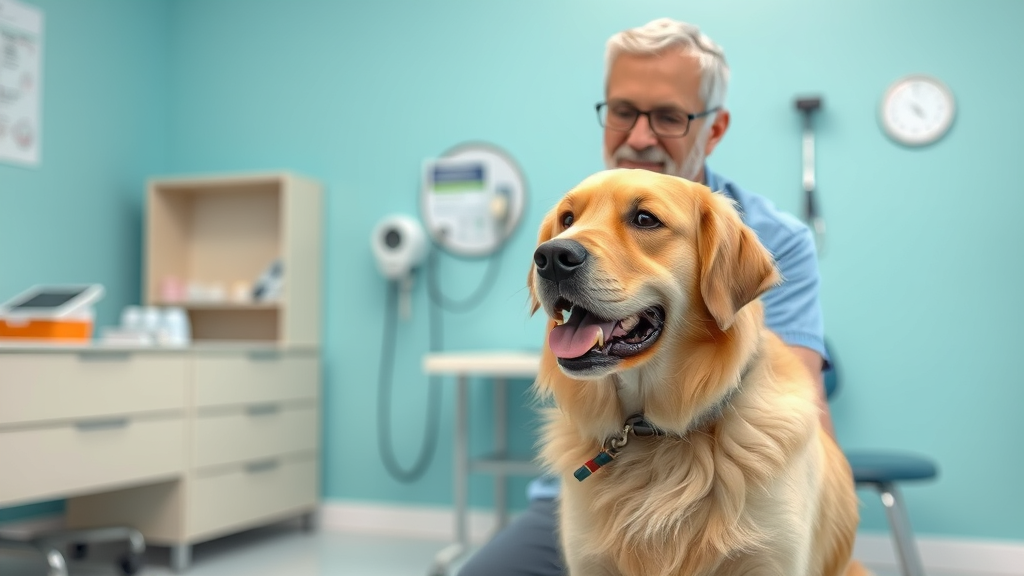
When your beloved canine companion experiences stomach upset, diarrhea, or nausea, it’s natural to want to provide quick relief. Many pet owners find themselves wondering whether common human medications like Pepto Bismol could help their furry friends feel better. This pink liquid has been a household staple for generations, providing relief from digestive discomfort in humans.
However, the question “can dogs eat pepto bismol” requires careful consideration and expert guidance. While some human medications can be safely administered to dogs under veterinary supervision, others can pose serious health risks. Understanding the safety profile, potential benefits, and significant risks of giving Pepto Bismol to dogs is crucial for every responsible pet owner who wants to make informed decisions about their dog’s health care.
What is Pepto Bismol and How Does it Work
Pepto Bismol contains bismuth subsalicylate as its active ingredient, which belongs to a class of medications called antidiarrheals and anti-nausea agents. This compound works by coating the stomach lining, reducing inflammation, and binding to toxins that may be causing digestive distress. In humans, it effectively treats symptoms like nausea, heartburn, indigestion, upset stomach, and diarrhea.
The medication’s distinctive pink color comes from added dyes, and it’s available in liquid form, chewable tablets, and caplets. When consumed, bismuth subsalicylate breaks down in the digestive system, releasing salicylate compounds that provide anti-inflammatory effects similar to aspirin. This mechanism of action is what makes the medication effective for digestive issues but also creates potential concerns when considering its use in dogs.
Understanding how Pepto Bismol functions in the human body helps explain why veterinarians approach its use in dogs with caution. The American Veterinary Medical Association emphasizes that dogs metabolize medications differently than humans, making it essential to evaluate each medication’s safety profile specifically for canine use.

Safety Concerns and Risks for Dogs
The primary concern with giving dogs Pepto Bismol stems from its salicylate content, which is chemically similar to aspirin. Dogs are particularly sensitive to salicylates and can develop serious complications from these compounds. Salicylate toxicity in dogs can lead to gastrointestinal ulcers, bleeding disorders, and in severe cases, kidney damage or liver problems.
Many pet owners ask can dogs have pepto bismol without realizing these potential dangers. Unlike humans, dogs cannot efficiently metabolize salicylates, leading to accumulation in their system and increased risk of toxicity. Additionally, the bismuth component can cause darkening of the tongue and stool, which may mask signs of gastrointestinal bleeding.
Certain dog breeds and individual animals face higher risks when exposed to salicylates. Dogs with pre-existing kidney disease, liver problems, or bleeding disorders should never receive Pepto Bismol. Puppies, senior dogs, and pregnant or nursing females are also at increased risk for complications. The FDA’s Center for Veterinary Medicine warns against giving human medications to pets without proper veterinary guidance.
Another significant concern involves drug interactions. Dogs currently taking medications like corticosteroids, blood thinners, or certain antibiotics may experience dangerous interactions when given Pepto Bismol. These interactions can amplify the medication’s effects or interfere with other treatments, potentially creating life-threatening situations.
When Veterinarians May Prescribe Pepto Bismol
Despite the risks, there are limited circumstances when veterinarians might consider prescribing Pepto Bismol for dogs. These situations typically involve mild, acute digestive upset in otherwise healthy adult dogs with no contraindications. However, veterinarians usually exhaust safer alternatives before considering this option.
When contemplating can I give my dog pepto bismol, it’s important to understand that veterinarians prefer medications specifically formulated for dogs. They may prescribe Pepto Bismol only when dog-specific treatments are unavailable or ineffective, and only under strict supervision with careful monitoring.
The decision to prescribe Pepto Bismol involves thorough evaluation of the dog’s medical history, current medications, and overall health status. Veterinarians consider factors like the dog’s age, weight, breed, and the severity of symptoms. They also assess whether the potential benefits outweigh the risks for each individual case.
According to the Pet Poison Helpline, even when prescribed by veterinarians, Pepto Bismol use in dogs requires careful monitoring for adverse reactions. Pet owners must watch for signs of salicylate toxicity and report any concerning symptoms immediately to their veterinary team.
Proper Dosage and Administration Guidelines
If a veterinarian determines that Pepto Bismol is appropriate for a specific dog, proper dosage becomes critical for safety. The dosage for dogs differs significantly from human recommendations and must be calculated based on the dog’s weight and condition. Never attempt to determine dosage without veterinary guidance, as incorrect dosing can lead to serious complications.
Typical veterinary-prescribed dosages range from 0.5 to 1 ml per pound of body weight, given every 6-8 hours for no more than 2-3 days. However, these guidelines vary based on the dog’s specific circumstances and should only be administered under direct veterinary supervision. The question can you give a dog pepto bismol should always be directed to a qualified veterinarian.
When administering Pepto Bismol to dogs, use only the liquid formulation, as tablets and caplets may contain additional ingredients harmful to dogs. Give the medication with or after food to minimize stomach irritation, and ensure the dog has access to fresh water. Never exceed the prescribed duration of treatment, as prolonged use increases the risk of toxicity.
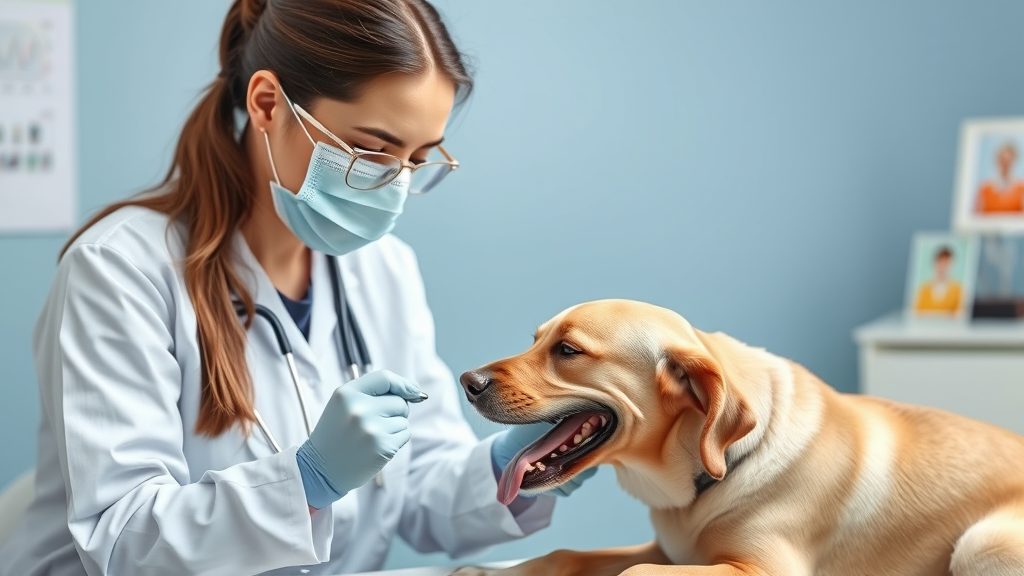
Monitoring during treatment involves watching for signs of improvement in digestive symptoms while remaining alert for adverse reactions. Document the dog’s response to treatment and report any changes to the veterinarian promptly. The ASPCA Animal Poison Control Center provides resources for recognizing medication-related complications in pets.
Safer Alternatives for Dog Digestive Issues
Before considering Pepto Bismol, explore safer alternatives specifically designed for canine digestive health. Many effective options exist that carry fewer risks while providing comparable or superior relief for upset stomachs and diarrhea in dogs.
Probiotics designed for dogs help restore healthy gut bacteria and can effectively manage mild digestive upset. These supplements support the natural balance of intestinal flora without the risks associated with salicylate-containing medications. Plain, cooked white rice and boiled chicken provide gentle nutrition during digestive recovery periods.
For pet owners wondering what can you give a dog for upset stomach, veterinarian-approved options include kaolin-pectin preparations and simethicone for gas-related discomfort. These alternatives target specific digestive issues without the systemic risks associated with salicylates.
Dietary management plays a crucial role in addressing digestive problems. Temporary fasting for 12-24 hours (with veterinary approval) allows the digestive system to rest, followed by a bland diet to ease the transition back to regular food. Understanding what to feed a dog with diarrhea helps pet owners provide appropriate nutritional support during recovery.
Natural remedies like bone broth, pumpkin puree (not pie filling), and slippery elm can provide soothing effects for mild digestive upset. However, even natural treatments should be discussed with a veterinarian to ensure they’re appropriate for the specific situation and won’t interfere with any ongoing treatments.
Warning Signs and When to Seek Emergency Care
Recognizing warning signs that indicate when digestive issues require immediate veterinary attention helps prevent serious complications. While mild, occasional digestive upset may resolve with supportive care, certain symptoms warrant urgent professional evaluation regardless of any home treatment considerations.
Emergency signs include persistent vomiting for more than 24 hours, bloody diarrhea, signs of dehydration (dry gums, lethargy, loss of skin elasticity), severe abdominal pain, or complete loss of appetite for more than 48 hours. These symptoms may indicate serious underlying conditions that require immediate medical intervention.
If a dog has accidentally ingested Pepto Bismol or shows signs of salicylate toxicity after administration, seek emergency veterinary care immediately. Symptoms of toxicity include excessive drooling, difficulty breathing, weakness, loss of coordination, or changes in gum color. The PetMD website provides additional information about recognizing medication toxicity in pets.
For those researching how to stop diarrhea in dogs, understanding when home care is appropriate versus when professional intervention is necessary prevents dangerous delays in treatment. Chronic or recurring digestive issues always warrant veterinary evaluation to identify underlying causes.
Keep your veterinarian’s contact information and local emergency animal hospital numbers readily available. Having this information accessible during emergencies can save valuable time when every minute counts for your pet’s health and recovery.
Prevention Strategies for Digestive Health
Preventing digestive issues in dogs often proves more effective than treating them after they occur. Implementing comprehensive digestive health strategies helps maintain your dog’s overall well-being while reducing the likelihood of stomach upset that might tempt owners to consider medications like Pepto Bismol.
Diet consistency plays a fundamental role in digestive health. Avoid sudden food changes, which can trigger digestive upset in sensitive dogs. When transitioning to new foods, do so gradually over 7-10 days by mixing increasing amounts of the new food with decreasing amounts of the current food.
Portion control and feeding schedules help maintain digestive regularity. Multiple small meals throughout the day often work better than one or two large meals, especially for dogs prone to digestive sensitivity. Avoid feeding table scraps or foods high in fat, which can trigger pancreatitis or digestive upset.
When considering questions like can you give dogs pepto, remember that prevention through proper diet and care often eliminates the need for any medication. Regular exercise promotes healthy digestion and helps maintain optimal weight, reducing strain on the digestive system.
Environmental factors also influence digestive health. Stress can trigger digestive problems in dogs, so maintaining a calm, predictable environment helps prevent stress-related stomach issues. Ensure your dog has access to fresh water at all times and avoid exposure to potential toxins or inappropriate foods.
Regular veterinary check-ups allow for early detection of digestive issues before they become serious problems. Annual wellness exams should include discussion of your dog’s digestive health, dietary needs, and any concerns you may have about stomach sensitivity or recurring digestive problems.
Frequently Asked Questions
Can I give my dog Pepto Bismol for diarrhea?
While some veterinarians may prescribe Pepto Bismol in specific circumstances, it’s not recommended as a first-line treatment for dog diarrhea. The salicylate content poses risks of toxicity, and safer alternatives specifically formulated for dogs are available. Always consult your veterinarian before giving any human medication to your dog, as they can recommend appropriate treatments based on your dog’s specific needs and health status.
What happens if my dog accidentally eats Pepto Bismol?
If your dog accidentally consumes Pepto Bismol, contact your veterinarian or pet poison control immediately. The amount ingested, your dog’s size, and time since ingestion all factor into the potential severity. Watch for signs of salicylate toxicity including vomiting, diarrhea, difficulty breathing, weakness, or changes in behavior. Quick veterinary intervention can prevent serious complications from developing.
How much Pepto Bismol is safe for dogs?
There is no universally safe amount of Pepto Bismol for dogs without veterinary supervision. If prescribed by a veterinarian, dosages typically range from 0.5-1 ml per pound of body weight, but this varies based on the individual dog’s health, age, and condition. Never attempt to calculate or administer dosages without professional veterinary guidance, as improper dosing can lead to serious health complications.
Are there dog-specific alternatives to Pepto Bismol?
Yes, several dog-specific alternatives exist for treating digestive upset. These include probiotics formulated for dogs, kaolin-pectin preparations, and prescription medications designed specifically for canine digestive issues. Many pet stores carry over-the-counter digestive aids made specifically for dogs that are safer than human medications. Your veterinarian can recommend the most appropriate option based on your dog’s symptoms and medical history.
What are the signs of Pepto Bismol poisoning in dogs?
Signs of Pepto Bismol poisoning (salicylate toxicity) in dogs include excessive drooling, vomiting, diarrhea, difficulty breathing, weakness, loss of coordination, changes in gum color, and lethargy. Dark-colored stool and tongue may also occur due to the bismuth content. If you notice any of these symptoms after your dog has consumed Pepto Bismol, seek emergency veterinary care immediately as prompt treatment is crucial for recovery.
Can puppies have Pepto Bismol?
Puppies should never be given Pepto Bismol due to their increased sensitivity to salicylates and their developing organ systems. Young dogs are at higher risk for toxicity and complications from medications not specifically formulated for their age group. If your puppy has digestive issues, consult your veterinarian for safe, age-appropriate treatment options that won’t compromise their developing health.
When should I take my dog to the vet instead of trying home remedies?
Seek veterinary care immediately if your dog shows signs of dehydration, has bloody diarrhea or vomit, experiences persistent symptoms for more than 24 hours, shows signs of severe pain, or has a complete loss of appetite for more than 48 hours. Additionally, if your dog has underlying health conditions, is very young or elderly, or if you’re unsure about the severity of symptoms, it’s always better to err on the side of caution and consult with a veterinary professional.





