
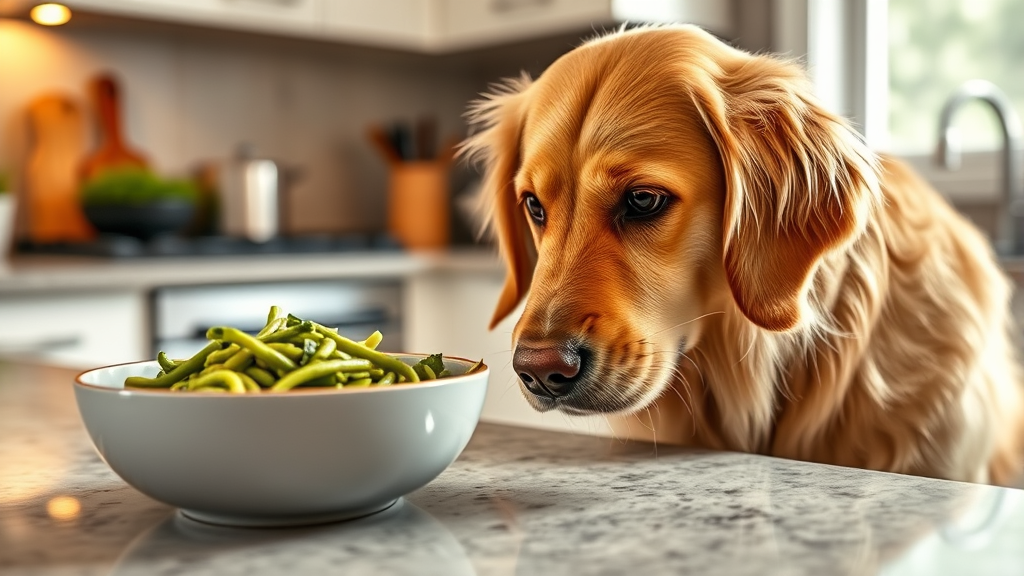
Pesto is a beloved Italian sauce that graces countless pasta dishes and appetizers, but as a responsible pet owner, you might wonder: can dogs eat pesto? This creamy, herb-laden sauce contains several ingredients that could potentially harm your furry friend, making it crucial to understand the risks before sharing your meal.
While pesto’s main ingredient, basil, might seem harmless, traditional pesto recipes contain other components like garlic, onions, and high amounts of salt that can be toxic to dogs. Understanding which ingredients pose risks and why can help you make informed decisions about your dog’s diet and keep them safe from potential food poisoning.
Understanding Pesto Ingredients and Their Effects on Dogs
Traditional pesto contains five main ingredients: fresh basil, garlic, pine nuts, Parmesan cheese, and olive oil. While some of these components might be safe in small quantities, others pose significant health risks to our canine companions. Let’s examine each ingredient to understand why pesto isn’t suitable for dogs.
The combination of these ingredients creates a flavorful sauce for humans, but the cumulative effect can be harmful to dogs. Even if individual components might be tolerable in tiny amounts, the concentrated nature of pesto means dogs would consume potentially dangerous quantities of problematic ingredients in even a small serving.
Many commercial pesto varieties also contain additional ingredients like salt, preservatives, and sometimes onion powder, which further increase the risk factors. The ASPCA’s poison control guidelines emphasize the importance of understanding cumulative toxicity from multiple ingredients.
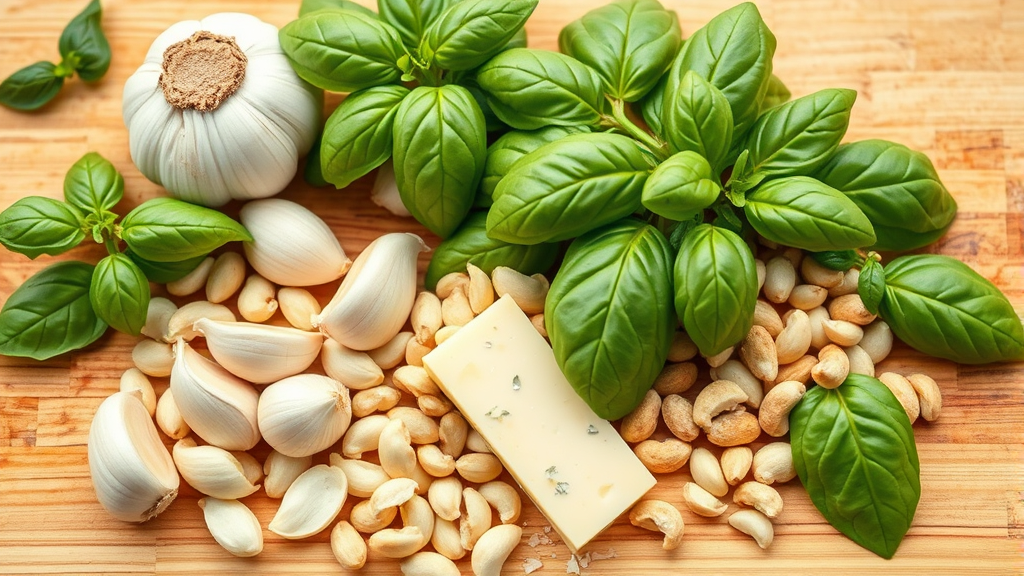
Toxic Components in Traditional Pesto
Garlic stands as the most dangerous ingredient in pesto for dogs. This member of the allium family contains compounds called thiosulfates, which can cause oxidative damage to red blood cells, leading to hemolytic anemia. Even small amounts of garlic can be problematic, and the concentrated nature of pesto means your dog could consume a dangerous dose quickly.
The symptoms of garlic toxicity may not appear immediately, sometimes taking several days to manifest. This delayed reaction makes it particularly dangerous because pet owners might not connect their dog’s illness to pesto consumption. Can dogs eat garlic is a question with a definitive no, and this applies to all forms of garlic, including the processed garlic found in pesto.
Salt content in pesto also presents concerns, especially for smaller dogs or those with existing heart or kidney conditions. Most commercial pestos contain high sodium levels that far exceed what dogs should consume. According to the American Kennel Club, excessive salt intake can lead to sodium ion poisoning, causing symptoms like vomiting, diarrhea, and seizures.
Is Basil Safe for Dogs?
Fresh basil, the primary herb in pesto, is generally considered safe for dogs in small quantities. This aromatic herb doesn’t contain toxic compounds that would harm your pet, and some dogs might even enjoy its distinctive flavor. However, the key phrase here is “small quantities” – the amount of basil in a typical serving of pesto exceeds what would be considered safe.
While can dogs eat basil has a generally positive answer, it’s important to consider the preparation method. Raw basil leaves occasionally can be offered as a small treat, but when concentrated in pesto form alongside other problematic ingredients, even this safe herb becomes part of a dangerous mixture.
Some pet owners wonder about other herbs commonly found in pesto variations. Is rosemary safe for dogs is another common question, as some pesto recipes include this herb. While rosemary can be safe in small amounts, large quantities can cause digestive upset and other issues.
Signs of Food Toxicity in Dogs
If your dog has consumed pesto, watch carefully for signs of food toxicity. Initial symptoms often include vomiting, diarrhea, and excessive drooling. These gastrointestinal signs typically appear within hours of consumption and indicate that your dog’s system is trying to eliminate the problematic substances.
More serious symptoms may develop over the following days, particularly if garlic toxicity occurs. Watch for lethargy, weakness, pale gums, and difficulty breathing. These signs could indicate hemolytic anemia, a serious condition that requires immediate veterinary attention. The American Veterinary Medical Association provides comprehensive guidelines on recognizing poisoning symptoms.
Neurological symptoms like disorientation, loss of coordination, or seizures may also occur, particularly if your dog consumed a large amount of pesto or has sensitivity to any of the ingredients. Keep detailed notes about when consumption occurred and what symptoms you observe – this information will be valuable for your veterinarian.

Dog-Safe Pesto Alternatives
If you want to share Italian-inspired flavors with your dog, consider creating dog-safe alternatives using pet-friendly ingredients. A simple mixture of fresh basil, olive oil in small amounts, and perhaps a tiny bit of dog-safe cheese can provide similar flavors without the dangerous components.
When considering cheese options, research whether can dogs eat cheese applies to the specific type you’re using. Most dogs can tolerate small amounts of certain cheeses, but avoid high-sodium varieties. Similarly, can dogs eat parmesan cheese depends on the quantity and your dog’s individual tolerance.
Replace pine nuts with dog-safe alternatives, as can dogs eat pine nuts has mixed answers depending on the source and preparation. Some nuts can be problematic for dogs, so it’s often better to omit them entirely from homemade dog treats. The PetMD guidelines for homemade dog treats emphasize using simple, dog-safe ingredients.
Prevention and Safety Tips
The best approach to keeping your dog safe from pesto-related toxicity is prevention. Store pesto and other potentially harmful foods in secure locations where curious dogs cannot access them. Many dogs are skilled at opening containers or reaching high shelves, so consider using pet-proof storage solutions.
Educate family members and guests about foods that are off-limits for your dog. Well-meaning visitors might offer table scraps without realizing the potential dangers. Create a list of prohibited foods and post it somewhere visible in your kitchen as a reminder for everyone who handles food around your pet.
When hosting dinner parties or family gatherings where pesto might be served, designate a specific area away from the dining space for your dog during meal times. This prevents accidental drops or intentional feeding of inappropriate foods. The Humane Society provides excellent resources on pet-proofing your home during social gatherings.
When to Contact Your Veterinarian
If your dog has consumed any amount of pesto, contact your veterinarian immediately, even if no symptoms are present. Early intervention can prevent serious complications, and your vet may recommend inducing vomiting or other treatments depending on the amount consumed and your dog’s size.
Don’t wait for symptoms to appear before seeking professional advice. Garlic toxicity, in particular, can have delayed effects, and early treatment significantly improves outcomes. Your veterinarian will consider factors like your dog’s weight, the amount of pesto consumed, and the time elapsed since ingestion to determine the appropriate course of action.
Keep your veterinarian’s emergency contact information easily accessible, and consider registering with a pet poison control hotline. The ASPCA Animal Poison Control Center offers 24/7 consultation services and can provide immediate guidance while you’re en route to the veterinary clinic.
Frequently Asked Questions
Can dogs eat pesto in small amounts?
No, dogs should not eat pesto in any amount. Even small quantities contain garlic, which is toxic to dogs and can cause serious health complications including hemolytic anemia. The concentrated nature of pesto means that even a small serving contains potentially dangerous levels of harmful ingredients.
What should I do if my dog accidentally ate pesto?
Contact your veterinarian immediately, even if your dog isn’t showing symptoms. Provide information about how much pesto was consumed, when it happened, and your dog’s weight. Your vet may recommend inducing vomiting or other treatments. Don’t wait for symptoms to appear, as some effects of garlic toxicity can be delayed.
Are all the ingredients in pesto bad for dogs?
Not all pesto ingredients are equally dangerous. Can dogs have basil has a generally positive answer in small amounts, and olive oil isn’t typically harmful in moderation. However, garlic is toxic, high salt content is problematic, and the combination creates an unsuitable food for dogs.
Can I make dog-safe pesto at home?
Yes, you can create a dog-friendly version using only basil, a small amount of olive oil, and perhaps a tiny bit of dog-safe cheese. Completely omit garlic, onions, salt, and pine nuts. However, even homemade versions should be given sparingly as treats, not regular food.
How long after eating pesto will my dog show symptoms?
Gastrointestinal symptoms like vomiting and diarrhea typically appear within a few hours. However, more serious symptoms related to garlic toxicity, such as anemia, may not manifest for 1-3 days. This delayed reaction makes immediate veterinary consultation crucial, regardless of whether symptoms are present.
Is store-bought pesto worse than homemade for dogs?
Both store-bought and homemade traditional pesto contain the same problematic ingredients, particularly garlic. Commercial versions may contain additional preservatives, salt, and sometimes onion powder, which can increase toxicity risks. Neither version is safe for dogs to consume.
What are the long-term effects if my dog ate pesto?
With prompt veterinary treatment, most dogs recover fully from pesto consumption. However, untreated garlic toxicity can lead to severe anemia requiring blood transfusions or other intensive treatments. Long-term effects are rare when appropriate medical care is provided quickly, emphasizing the importance of immediate veterinary consultation.





