
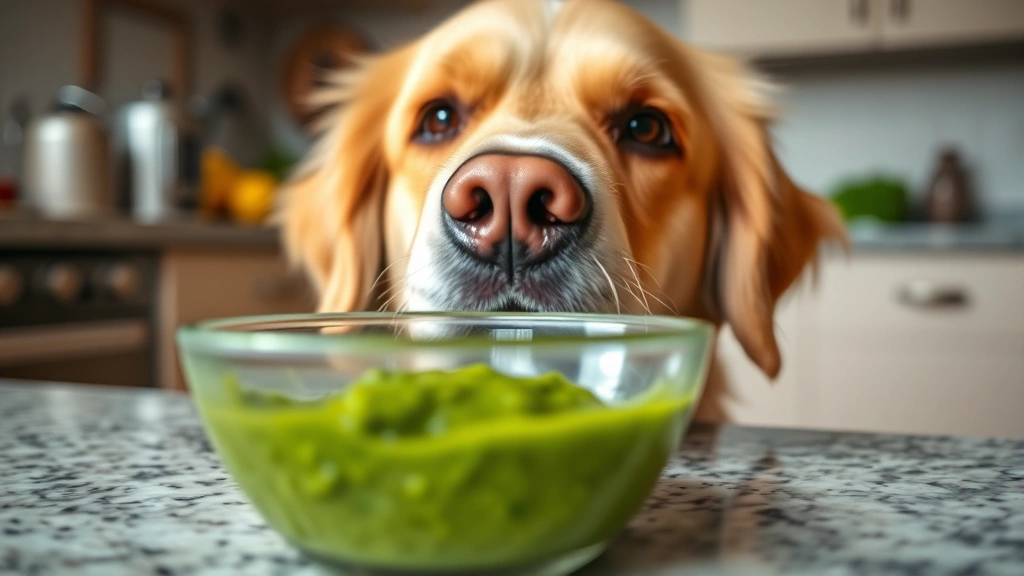
Is Pesto Safe for Dogs? Vet Insights on This Popular Sauce
Pesto is a beloved condiment that adds vibrant flavor to pasta, sandwiches, and countless dishes. But if you’re a dog owner, you might wonder whether it’s safe to share this aromatic sauce with your furry companion. The short answer is: pesto is generally not safe for dogs, though the risk level depends on the ingredients and quantity consumed. Understanding what makes pesto problematic can help you keep your pup healthy and prevent accidental poisoning.
Many common pesto ingredients pose serious health risks to dogs. While some components might seem harmless, others can cause mild to severe reactions. This guide breaks down everything you need to know about pesto and your dog’s safety, backed by veterinary expertise and evidence-based information.
Why Pesto Is Dangerous for Dogs
Pesto combines fresh basil, garlic, pine nuts, parmesan cheese, and olive oil into a savory paste. While some of these ingredients individually might be tolerable in tiny amounts, the combination creates a food that’s best kept away from your dog’s bowl. The primary concern stems from two ingredients: garlic and onions, both members of the allium family, which are toxic to dogs.
According to the ASPCA Animal Poison Control Center, allium compounds damage dogs’ red blood cells and can lead to hemolytic anemia. Even small amounts consumed regularly or a large single dose can trigger serious health complications. The toxicity isn’t species-specific—it affects dogs, cats, horses, and other animals similarly.
Beyond garlic and onions, pesto’s high fat content from oil and nuts can upset sensitive digestive systems, potentially causing pancreatitis in susceptible dogs. Pine nuts, while not toxic, are high in fat and can contribute to gastrointestinal distress. Additionally, store-bought pesto often contains salt levels inappropriate for canine diets.
Toxic Ingredients in Pesto
Breaking down pesto’s components reveals why veterinarians universally recommend avoiding it:
- Garlic: Contains thiosulfates that destroy red blood cells, causing hemolytic anemia. Dogs are more susceptible than humans to these compounds.
- Onions: Similar toxic mechanism to garlic, with potential for severe consequences even in powdered or dehydrated forms.
- Pine nuts: High fat content can trigger pancreatitis, especially in breeds predisposed to the condition.
- Parmesan cheese: While cheese itself isn’t inherently toxic, it’s high in sodium and fat. Learn more about whether dogs can safely eat cheese.
- Olive oil: Excessive fat can cause digestive upset and contribute to pancreatitis risk.
- Salt: Many commercial pesto varieties contain excessive sodium for dog consumption.
The American Kennel Club specifically warns against garlic and onion-containing products as among the most dangerous foods for dogs. Even small quantities matter—garlic toxicity in dogs can occur at doses as low as 15-30 grams per kilogram of body weight, meaning a small dog could be affected by surprisingly modest amounts.
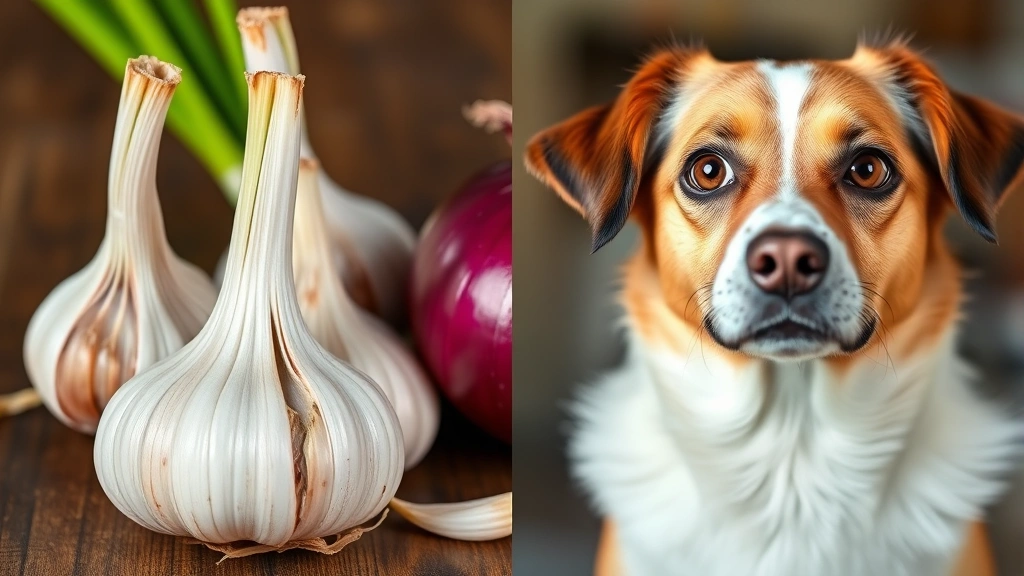
Garlic and Onions: The Main Culprits
Understanding the science behind garlic and onion toxicity helps explain why pesto poses such a serious threat. These plants contain compounds called thiosulfates and disulfides, which oxidize hemoglobin in red blood cells, forming Heinz bodies. This process damages the cells’ integrity and leads to their destruction, resulting in hemolytic anemia.
Symptoms of allium toxicity typically appear 24-72 hours after ingestion and may include:
- Weakness and lethargy
- Pale gums and mucous membranes
- Vomiting and diarrhea
- Abdominal pain
- Reduced appetite
- Dark-colored urine
- Difficulty breathing in severe cases
The severity depends on several factors: the dog’s size (smaller dogs are more vulnerable), the amount consumed, the form (fresh garlic is more toxic than cooked), and individual sensitivity. Some dogs might show mild symptoms after consuming a small amount of pesto, while others could experience life-threatening anemia.
Interestingly, garlic powder is actually more concentrated and potentially more dangerous than fresh garlic because the drying process concentrates the toxic compounds. Many commercial pesto varieties use garlic powder, making store-bought versions particularly risky.
If your dog has eaten pesto containing garlic or onions, contact your veterinarian immediately. Don’t wait for symptoms to appear—prompt treatment can prevent serious complications. Your vet may recommend blood work to check for anemia and may induce vomiting if the ingestion occurred recently enough.
What to Do If Your Dog Eats Pesto
Accidental ingestion happens, especially in busy households where dogs have access to countertops or dining tables. Knowing how to respond can make the difference between a minor scare and a veterinary emergency.
Immediate steps:
- Identify what your dog ate. Determine the type of pesto (homemade vs. commercial) and estimate the quantity consumed.
- Calculate exposure. Consider your dog’s weight and the pesto’s garlic concentration.
- Call your veterinarian or Pet Poison Helpline immediately. Have information about the pesto ingredients and your dog’s weight ready.
- Don’t induce vomiting without professional guidance. While vomiting can be effective if performed within 30 minutes of ingestion, your vet needs to determine whether it’s appropriate for your specific situation.
- Monitor closely. Watch for signs of poisoning including lethargy, vomiting, diarrhea, pale gums, or dark urine.
Your veterinarian may recommend:
- Blood work to establish a baseline and monitor for anemia
- Activated charcoal to absorb toxins in the stomach
- IV fluids for supportive care
- Medications to manage symptoms
- Repeated blood tests to track recovery
Most dogs recover well from mild to moderate pesto ingestion with prompt veterinary care. However, severe cases can result in hospitalization and transfusion in extreme situations.
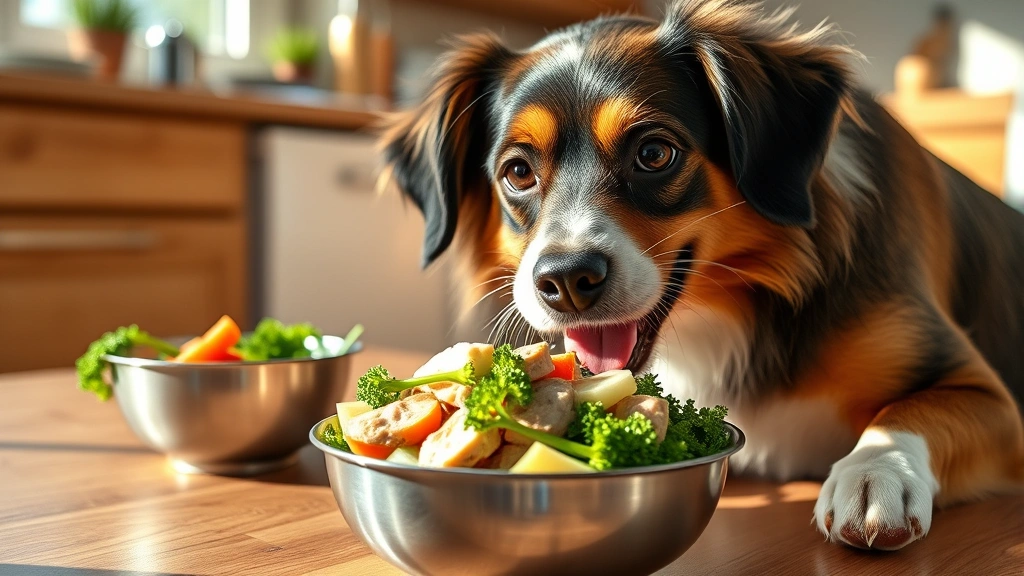
Safe Alternatives for Your Dog
Just because pesto is off-limits doesn’t mean your dog can’t enjoy flavorful foods. Several safe alternatives can add excitement to their meals while maintaining their health:
Dog-friendly vegetable combinations:
Create homemade sauces using dog-safe vegetables. Broccoli in small amounts can be steamed and mashed with plain cooked corn and carrots for a nutritious topping. These vegetables provide vitamins and fiber without toxicity concerns.
Plain basil pesto without alliums:
Make pesto-inspired sauce using only dog-safe ingredients: fresh basil, a small amount of plain cooked chicken or turkey, a touch of olive oil, and unsalted sunflower seeds instead of pine nuts. This captures the essence of pesto while eliminating dangerous components.
Bone broth topper:
Low-sodium bone broth (homemade or specially formulated for dogs) adds flavor and nutritional benefits. Drizzle a small amount over regular kibble for a special treat.
Plain herb-infused options:
Fresh parsley (different from pesto basil) is safe for dogs and can be sprinkled on food. Avoid toxic herbs and stick to dog-friendly options.
Pumpkin and sweet potato:
These nutritious vegetables can be pureed and mixed with plain cooked meat for a flavorful, safe meal topper that supports digestive health.
Remember to introduce any new foods gradually and in moderation. Even safe alternatives should constitute no more than 10% of your dog’s daily caloric intake, with the remaining 90% coming from balanced commercial or veterinary-approved homemade diets.
FAQ
Can dogs eat a tiny amount of pesto?
Even small amounts of pesto containing garlic or onions carry risk. Toxicity isn’t strictly dose-dependent—some dogs show symptoms from minimal exposure while others might tolerate slightly more. However, there’s no safe threshold identified for dogs. The best approach is complete avoidance.
What if pesto is an ingredient in a prepared meal?
Check ingredient lists carefully. If a meal contains pesto as a minor ingredient diluted significantly by other components, the risk is lower than consuming pesto directly, but still present. When in doubt, avoid the food entirely or consult your veterinarian.
Is basil safe for dogs?
Yes, plain fresh basil without garlic or onions is safe for dogs in small amounts. However, it offers minimal nutritional benefit and shouldn’t constitute a significant portion of their diet.
How long after eating pesto will symptoms appear?
Symptoms typically emerge 24-72 hours after ingestion, though some dogs show signs within hours. This delayed onset can make it easy to miss the connection between the food and illness, emphasizing the importance of preventing access in the first place.
Should I make pesto for my dog without garlic and onions?
This can work if done carefully with dog-safe ingredients. However, traditional pesto’s appeal lies in its garlic-forward flavor profile. Without it, the sauce loses its defining characteristic. Dog-safe alternatives (like herb-infused broths) might be more satisfying options.
Can pesto cause death in dogs?
While rare, severe pesto ingestion—particularly in small dogs or those with underlying health conditions—can be life-threatening if untreated. This is why immediate veterinary attention is critical and why prevention through careful food management is so important.





