
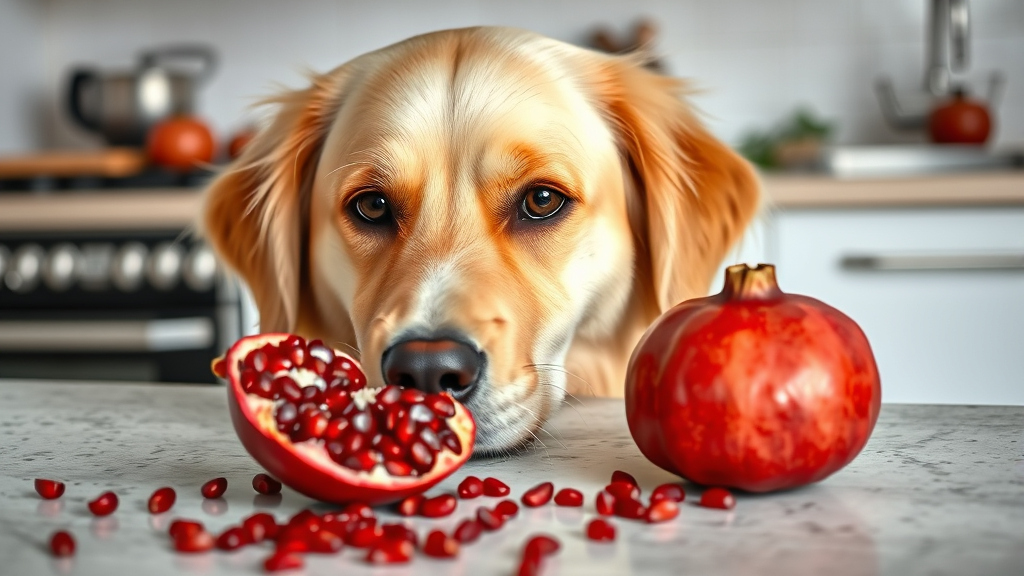
As a devoted dog parent, you’ve likely found yourself wondering about the safety of various human foods for your canine companion. When it comes to pomegranates and their ruby-red seeds, this question becomes particularly important given the fruit’s growing popularity as a superfood. While pomegranates offer numerous health benefits for humans, the question “can dogs eat pomegranate seeds” requires careful consideration of both the potential benefits and risks.
Understanding what foods are safe for your furry friend is crucial for maintaining their health and preventing emergency veterinary visits. Pomegranate seeds present a unique case study in canine nutrition, as they contain both beneficial compounds and potentially problematic elements. This comprehensive guide will explore everything you need to know about pomegranate seeds and your dog’s safety, helping you make informed decisions about your pet’s diet.
Understanding Pomegranates and Their Components
Pomegranates (Punica granatum) are ancient fruits that have been cultivated for thousands of years, prized for their distinctive flavor and impressive nutritional profile. The fruit consists of several key components: the tough outer rind, the white pith, and hundreds of small seeds surrounded by juicy, translucent arils. Each pomegranate typically contains 200-1,400 seeds, depending on the variety and size of the fruit.
The seeds themselves are small, hard, and contain the plant’s reproductive material. Unlike some fruit seeds that are typically discarded, pomegranate seeds are edible and often consumed along with the surrounding aril. The USDA Agricultural Research Service has extensively studied pomegranates, noting their high antioxidant content and potential health applications.
For dog owners, it’s essential to understand that what’s beneficial for humans isn’t always safe for our canine companions. Dogs have different digestive systems, metabolisms, and sensitivities compared to humans, which means foods that are considered healthy for us may pose risks to our pets.
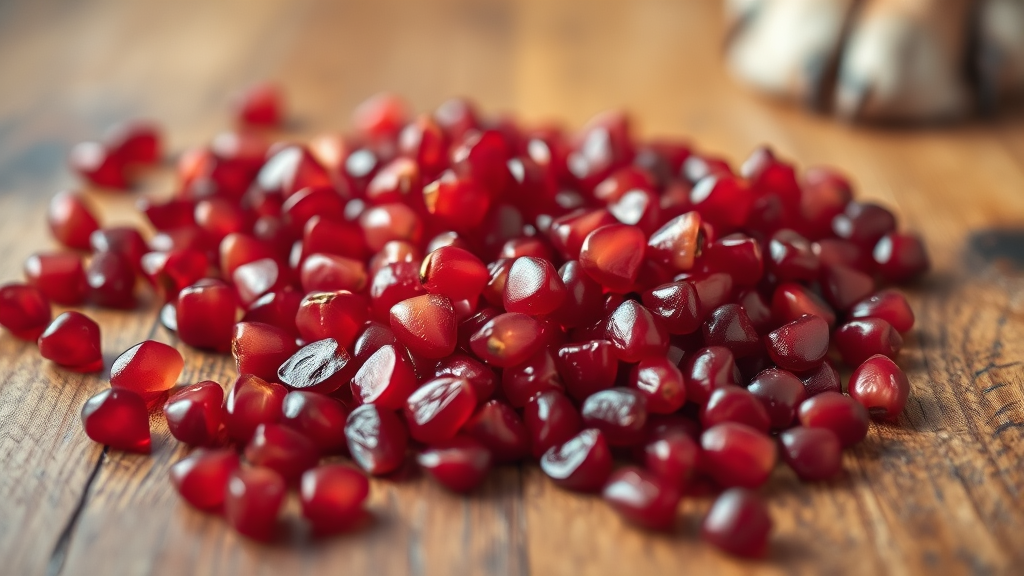
Are Pomegranate Seeds Safe for Dogs?
The short answer is that pomegranate seeds are generally not recommended for dogs, though they’re not necessarily toxic in the same way that foods like grapes or chocolate are. The primary concerns with pomegranate seeds for dogs center around their size, hardness, and the potential for digestive upset rather than acute toxicity.
According to the American Society for the Prevention of Cruelty to Animals (ASPCA), pomegranates are not listed among the toxic foods for dogs. However, this doesn’t automatically make them safe or advisable for canine consumption. The seeds can present choking hazards, particularly for smaller dogs, and may cause intestinal blockages if consumed in large quantities.
Many veterinary professionals recommend avoiding pomegranate seeds altogether, especially considering that there are many safer alternatives available. Similar to questions about whether can dogs eat pumpkin seeds, the answer often depends on preparation, quantity, and individual dog factors.
The hard texture of pomegranate seeds makes them difficult for dogs to properly chew and digest. Unlike humans, who can typically handle the seeds without issue, dogs may swallow them whole, leading to potential gastrointestinal problems.
Nutritional Profile of Pomegranate Seeds
From a nutritional standpoint, pomegranate seeds are indeed impressive. They contain significant amounts of vitamin C, vitamin K, folate, and potassium. The seeds are also rich in antioxidants, particularly punicalagins and anthocyanins, which give the fruit its characteristic red color and contribute to its health benefits.
A typical serving of pomegranate seeds (about 1/2 cup or 87 grams) contains approximately 72 calories, 16 grams of carbohydrates, 4 grams of fiber, and 1.5 grams of protein. The antioxidant content is particularly noteworthy, with pomegranates ranking among the highest antioxidant-containing fruits available.
However, dogs have different nutritional requirements than humans. While antioxidants can be beneficial for dogs, they typically get adequate nutrition from high-quality commercial dog foods. The Association of American Feed Control Officials (AAFCO) sets nutritional standards for pet foods, ensuring that commercial dog diets meet canine nutritional needs without requiring supplementation from human foods.
Additionally, the natural sugars in pomegranate seeds, while not harmful in small amounts, can contribute to dental issues and weight gain if given regularly. Dogs process sugars differently than humans and are more prone to dental problems from sticky, sweet foods.
Potential Health Benefits for Dogs
Despite the concerns, there are some potential benefits that pomegranate seeds could theoretically offer dogs, though these benefits can typically be obtained more safely through other means. The antioxidants in pomegranate seeds may help combat oxidative stress and inflammation, which could potentially benefit dogs with certain health conditions.
Some studies have suggested that pomegranate extracts may have anti-inflammatory properties and could support heart health. The vitamin C content might provide immune system support, though dogs naturally produce their own vitamin C and rarely require supplementation. The fiber content could potentially aid in digestion, similar to how other fiber-rich foods benefit canine digestive health.
Research published in veterinary journals has explored the potential benefits of antioxidant supplementation in dogs, particularly for senior pets or those with certain health conditions. However, these studies typically focus on standardized extracts or supplements rather than whole fruit consumption.
It’s worth noting that many other fruits offer similar or superior benefits with fewer risks. For example, can dogs eat blackberries is often answered more favorably due to their softer texture and easier digestibility, while still providing antioxidants and vitamins.

Risks and Safety Concerns
The risks associated with feeding pomegranate seeds to dogs are multifaceted and should be carefully considered by any pet owner. The primary concern is the choking hazard posed by the small, hard seeds. Dogs, especially smaller breeds, may attempt to swallow the seeds whole without adequate chewing, potentially leading to airway obstruction.
Intestinal blockage is another significant risk, particularly if a dog consumes a large quantity of seeds. The hard, indigestible nature of the seeds can cause them to accumulate in the digestive tract, potentially requiring surgical intervention to remove. This risk is similar to concerns about other hard seeds, which is why questions like can dogs eat sesame seeds often receive cautious responses from veterinarians.
Digestive upset is a more common but less severe concern. The high fiber content and natural compounds in pomegranate seeds can cause stomach upset, diarrhea, or vomiting in sensitive dogs. Some dogs may also experience allergic reactions, though this is relatively rare.
The seeds’ acidity may also cause stomach irritation in some dogs, particularly those with sensitive digestive systems or existing gastrointestinal conditions. Additionally, the natural sugars, while not toxic, can contribute to dental problems and weight gain if consumed regularly.
Another consideration is the potential for pesticide residue on non-organic pomegranates. Dogs may be more sensitive to these chemicals than humans, making organic options preferable if you do choose to offer small amounts occasionally.
Safe Feeding Guidelines and Alternatives
If you’re determined to share pomegranate with your dog, there are safer approaches than offering whole seeds. The juicy arils can be carefully separated from the seeds and offered in very small quantities as an occasional treat. However, even the arils should be given sparingly due to their sugar content.
Never give your dog pomegranate rind or leaves, as these contain compounds that can be harmful to canines. Always remove all seeds before offering any pomegranate flesh, and limit portions to no more than a few arils for small dogs or a small handful for larger breeds.
However, given the risks and minimal benefits, most veterinarians recommend choosing safer alternatives. Blueberries, for instance, offer similar antioxidant benefits in a safer, more digestible package. Other safe fruit options include small pieces of apple (seeds removed), banana, or watermelon.
For those interested in providing antioxidant benefits, consider safer alternatives like can dogs have cranberries in moderation, or are raspberries good for dogs which are generally considered safer options when given appropriately.
Commercial dog treats and foods designed specifically for canines often incorporate beneficial ingredients like antioxidants in safe, appropriate forms. The American Veterinary Medical Association recommends sticking to foods and treats specifically formulated for dogs to ensure optimal nutrition and safety.
Warning Signs and When to Contact Your Vet
If your dog has consumed pomegranate seeds, either accidentally or intentionally, it’s important to monitor them for signs of distress. Immediate concerns include choking, difficulty swallowing, excessive drooling, or obvious distress. These symptoms require immediate veterinary attention.
More delayed symptoms to watch for include vomiting, diarrhea, loss of appetite, lethargy, or difficulty defecating. These could indicate digestive upset or, in more serious cases, intestinal blockage. Abdominal pain, indicated by hunched posture, reluctance to move, or whimpering, should also prompt immediate veterinary consultation.
Changes in bowel movements, including straining, blood in stool, or absence of bowel movements for more than 24 hours, warrant professional evaluation. Similarly, persistent vomiting or inability to keep water down requires immediate veterinary care.
The Pet Poison Helpline provides 24/7 consultation services for pet owners concerned about potential poisoning or food-related issues. While pomegranate seeds aren’t typically considered toxic, they can still cause mechanical issues that require professional assessment.
Keep in mind that symptoms may not appear immediately, especially with potential blockages. Some intestinal obstructions can take days to manifest obvious symptoms, making it important to monitor your dog for several days after ingestion.
When in doubt, it’s always better to err on the side of caution and consult with your veterinarian. They can provide guidance based on your dog’s size, the quantity consumed, and individual health factors. This approach is similar to what’s recommended for other questionable foods, such as when pet owners ask can dogs eat chia seeds or can dogs have poppy seeds.
Frequently Asked Questions
Can dogs eat pomegranate juice instead of seeds?
Pomegranate juice is generally safer than seeds since it eliminates choking and blockage risks, but it should still be given very sparingly due to high sugar content. Pure, unsweetened pomegranate juice in tiny amounts (a few drops) might be acceptable as an occasional treat, but many commercial juices contain added sugars and preservatives that aren’t suitable for dogs. Always check with your veterinarian before introducing any new foods or drinks.
What should I do if my dog ate a whole pomegranate?
If your dog consumed a whole pomegranate, contact your veterinarian immediately. The large quantity of seeds poses significant choking and blockage risks, and the rind contains compounds that may be harmful. Monitor for signs of distress, vomiting, difficulty defecating, or changes in behavior. Don’t induce vomiting unless specifically instructed by a veterinary professional, as this could worsen any potential blockage.
Are there any dog breeds that are more sensitive to pomegranate seeds?
Smaller dog breeds face higher risks from pomegranate seeds due to their smaller airways and digestive tracts, making choking and blockages more likely. Brachycephalic breeds (flat-faced dogs like bulldogs and pugs) may have additional difficulty with the seeds due to their airway structure. Dogs with existing digestive sensitivities or gastrointestinal conditions should avoid pomegranate seeds entirely, regardless of breed.
Can puppies have pomegranate seeds?
Puppies should never be given pomegranate seeds. Their smaller size increases choking risks, and their developing digestive systems are more sensitive to new foods. Puppies require carefully balanced nutrition for proper growth, and human foods like pomegranate seeds can interfere with their nutritional needs. Stick to puppy-specific foods and treats recommended by your veterinarian.
How many pomegranate seeds are toxic to dogs?
Pomegranate seeds aren’t technically toxic like chocolate or grapes, so there’s no specific “toxic dose.” However, even small amounts can pose choking or blockage risks. The danger increases with quantity – a few seeds might cause mild digestive upset, while larger amounts significantly increase the risk of serious complications. It’s best to avoid them entirely rather than try to determine a “safe” amount.
What are the best alternatives to pomegranate for dogs?
Safer alternatives that provide similar antioxidant benefits include blueberries, blackberries (in moderation), small pieces of apple (seeds removed), and banana. These fruits are easier to digest and pose fewer risks. For dogs interested in can dogs eat dates, remember that dried fruits are generally higher in sugar and should also be limited. Always introduce new foods gradually and in small amounts.
Can pomegranate seeds help with my dog’s arthritis?
While pomegranates contain anti-inflammatory compounds that might theoretically help with arthritis, the risks of feeding seeds to dogs outweigh potential benefits. If you’re looking for natural ways to support your dog’s joint health, consult with your veterinarian about proven, safe alternatives like omega-3 fatty acids, glucosamine supplements designed for dogs, or prescription anti-inflammatory medications. The Cornell University College of Veterinary Medicine provides excellent resources on managing canine arthritis safely and effectively.





