
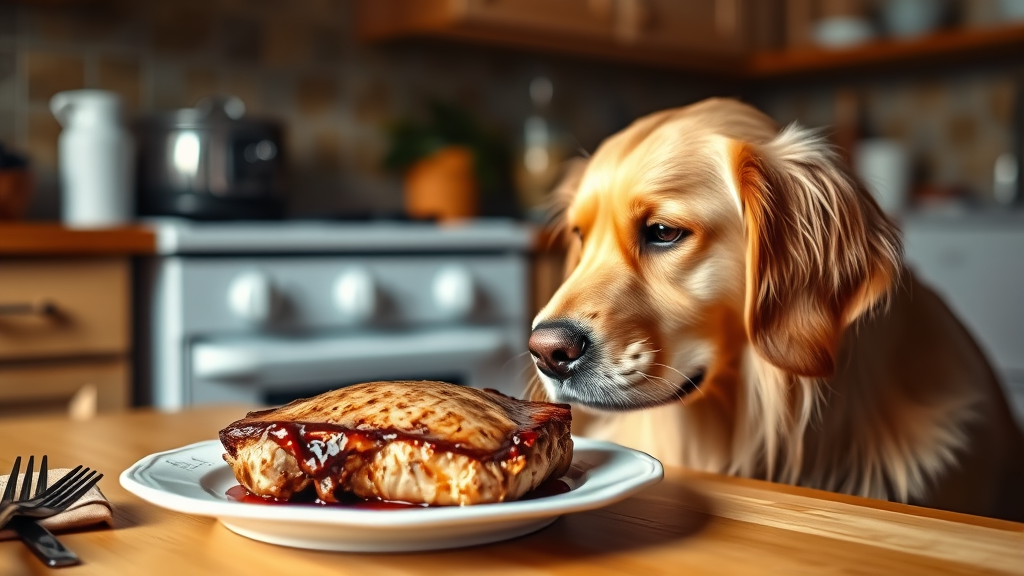
As a responsible dog owner, you’ve likely faced the dilemma of your furry friend eyeing your dinner plate with hopeful eyes, especially when you’re enjoying a delicious pork chop. The question “can dogs eat pork chop bones” is more complex than it might initially seem, and the answer could mean the difference between a happy, healthy pet and an emergency veterinary visit.
Pork chop bones present unique risks and considerations that every dog owner should understand before making feeding decisions. While dogs have been consuming bones for thousands of years, modern cooking methods and our understanding of canine nutrition have revealed important safety concerns that require careful attention.
Understanding Pork Chop Bones
Pork chop bones come in various sizes and types, depending on the cut of meat and cooking preparation. These bones are typically from the loin section of the pig and can range from small, thin bones to larger, more substantial ones. The composition and safety of these bones change dramatically based on how they’re prepared and served.
Raw pork chop bones are significantly different from their cooked counterparts in terms of structure and safety. When bones are exposed to heat during cooking, their molecular structure changes, making them more brittle and prone to splintering. This fundamental difference is crucial for understanding why many veterinarians have varying opinions on bone safety.
The size of your dog also plays a critical role in determining whether any bone might be appropriate. A bone that could be relatively safe for a large German Shepherd might pose serious choking hazards for a small Chihuahua. Understanding your dog’s size, chewing habits, and digestive capabilities is essential before considering any bone treats.
Cooked vs Raw Pork Chop Bones
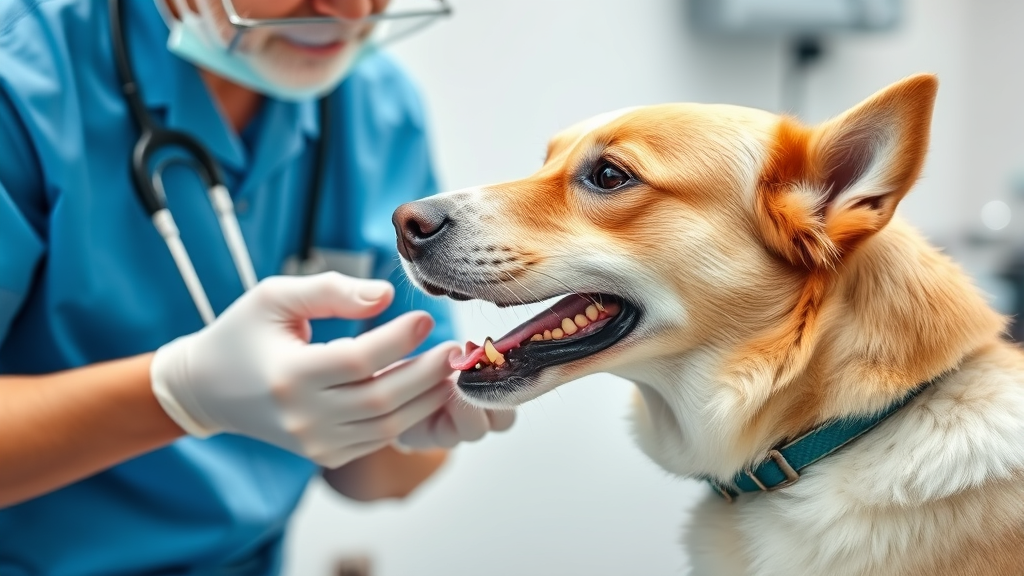
The cooking process fundamentally alters the safety profile of pork chop bones. When pork chops are grilled, baked, or pan-fried, the high temperatures cause the bones to become brittle and prone to dangerous splintering. These cooked bone fragments can create sharp edges that may lacerate your dog’s mouth, throat, or digestive tract.
Raw pork chop bones, while softer and less likely to splinter, still present significant risks. Unlike other bones dogs can eat, raw pork bones carry the risk of bacterial contamination, including Salmonella and E. coli. Additionally, raw pork may contain parasites such as Trichinella, which can cause serious illness in both dogs and humans.
Many veterinary professionals strongly advise against feeding any pork bones to dogs, regardless of whether they’re cooked or raw. The American Veterinary Medical Association specifically warns against giving dogs bones that can splinter, which includes most cooked bones.
The fat content in pork chops also presents concerns, as excessive fat consumption can lead to pancreatitis in dogs. This condition is painful and potentially life-threatening, requiring immediate veterinary intervention. The combination of bone risks and high fat content makes pork chop bones particularly problematic for canine consumption.
Potential Dangers and Health Risks
The risks associated with pork chop bones extend far beyond simple choking hazards. Splintered bone fragments can cause internal injuries throughout your dog’s digestive system, from the mouth to the intestines. These sharp pieces may become lodged in the throat, stomach, or intestinal tract, requiring surgical intervention to remove.
Dental damage is another serious concern when dogs chew on hard bones. Pork chop bones can crack or break your dog’s teeth, leading to pain, infection, and expensive dental procedures. Unlike softer chew toys designed for dogs, bones can be too hard for safe chewing, especially for dogs with existing dental issues.
Gastrointestinal blockages represent one of the most dangerous complications from bone consumption. When bone fragments accumulate in the digestive tract, they can create partial or complete obstructions that prevent normal digestion and elimination. This condition requires emergency surgery and can be life-threatening if not addressed promptly.
Similar risks apply to other types of bones, which is why many pet owners also wonder about chicken bone safety and ham bone consumption. The consistent veterinary advice across all cooked bones remains the same: they pose significant health risks.
Safe Alternatives to Pork Chop Bones
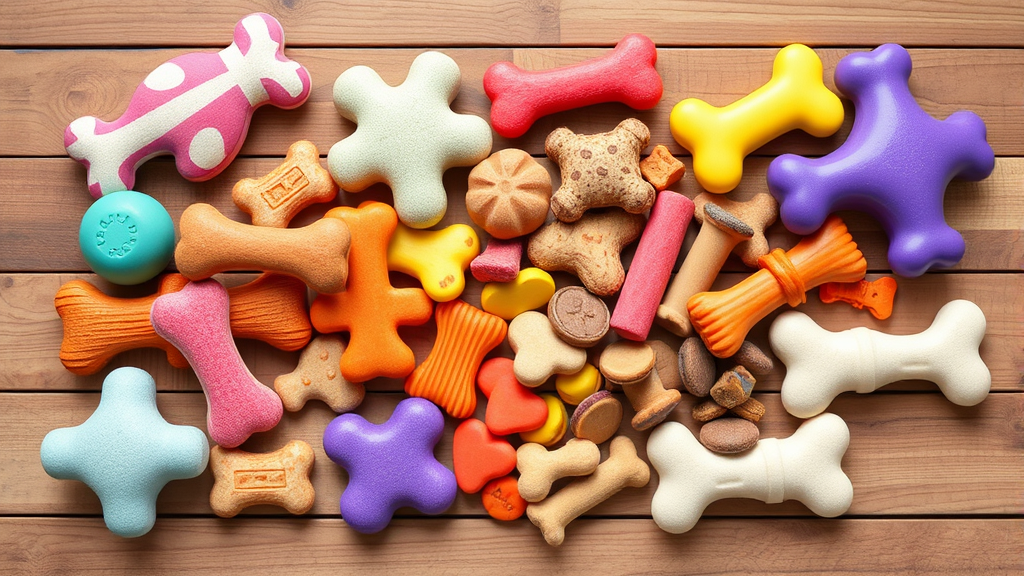
Fortunately, numerous safe alternatives can satisfy your dog’s natural desire to chew without the risks associated with pork chop bones. Commercial dog bones made from compressed rawhide alternatives, natural antlers, or specially designed synthetic materials provide safe chewing experiences.
Raw meaty bones from appropriate sources, such as raw chicken necks or wings (for smaller dogs) or raw beef marrow bones (for larger dogs), may be safer options when sourced from reputable suppliers. However, these should always be given under supervision and with veterinary approval based on your dog’s specific needs and health status.
Frozen treats like frozen carrots, sweet potato slices, or specially formulated frozen dog treats can provide satisfying chewing experiences while offering nutritional benefits. These alternatives eliminate the splintering risks while still engaging your dog’s natural chewing instincts.
High-quality commercial chew toys designed by veterinary nutritionists offer another excellent alternative. These products are specifically engineered to be safe for extended chewing while promoting dental health through gentle abrasion that helps remove plaque and tartar buildup.
When considering any alternative, it’s important to avoid other potentially dangerous options. Just as concerns exist about pork rib bones and turkey bones, many traditional “treats” can pose similar risks.
Emergency Signs to Watch For
If your dog has already consumed pork chop bones, knowing the warning signs of complications can be life-saving. Immediate symptoms may include excessive drooling, difficulty swallowing, or visible distress while trying to eat or drink. These signs could indicate bone fragments lodged in the throat or mouth.
Gastrointestinal symptoms typically develop within hours to days after bone consumption. Watch for vomiting, especially if it contains blood or bone fragments, loss of appetite, lethargy, and difficulty defecating or producing unusually hard stools. Abdominal pain may manifest as reluctance to move, hunched posture, or sensitivity when the belly area is touched.
Behavioral changes often accompany physical symptoms when dogs are experiencing internal discomfort. Your normally active dog may become withdrawn, refuse to play, or show signs of anxiety or restlessness. These subtle changes can be early indicators of developing complications.
The Pet Poison Helpline recommends immediate veterinary consultation if any concerning symptoms develop after bone consumption. Time is critical in addressing bone-related complications, and early intervention significantly improves outcomes.
Veterinary Guidelines and Recommendations
Professional veterinary organizations consistently recommend against feeding dogs any cooked bones, including pork chop bones. The FDA’s Center for Veterinary Medicine specifically warns pet owners about the dangers of giving dogs bones that can splinter or break into small pieces.
Veterinary nutritionists emphasize that dogs’ nutritional needs are best met through balanced commercial dog foods or carefully planned homemade diets supervised by professionals. Bones are not necessary for proper nutrition and can actually interfere with balanced nutrition when used as regular treats.
The Humane Society recommends discussing any treat or supplement additions with your veterinarian before introducing them to your dog’s diet. This consultation is especially important for dogs with existing health conditions, senior dogs, or puppies whose digestive systems are still developing.
Many veterinary practices now offer nutritional counseling services to help pet owners make informed decisions about their dogs’ diets. These consultations can provide personalized recommendations based on your dog’s age, size, activity level, and health status, ensuring optimal nutrition without unnecessary risks.
Professional guidance becomes even more important when considering alternatives, such as whether lamb bones or chicken bones might be safer options. The consistent professional recommendation remains clear: cooked bones of any type should be avoided.
It’s also worth noting that some dog owners wonder about other pork products, such as bacon safety for dogs. While this doesn’t involve bones, the high fat and sodium content in processed pork products presents similar health concerns that warrant veterinary discussion.
Frequently Asked Questions
Can I give my dog a small piece of cooked pork chop bone?
No, even small pieces of cooked pork chop bones are dangerous for dogs. Cooking makes bones brittle and prone to splintering, creating sharp fragments that can cause serious internal injuries. The size of the bone piece doesn’t eliminate the splintering risk, and small fragments can be particularly dangerous as they’re more likely to cause blockages in smaller dogs.
What should I do if my dog accidentally ate a pork chop bone?
Contact your veterinarian immediately for guidance. Do not induce vomiting unless specifically instructed by a veterinary professional, as this could cause additional damage if bone fragments are present. Monitor your dog closely for signs of distress, difficulty swallowing, vomiting, or changes in behavior, and seek emergency care if any concerning symptoms develop.
Are raw pork chop bones safer than cooked ones?
While raw bones are less likely to splinter than cooked bones, raw pork chop bones still pose significant risks including bacterial contamination, parasites, and potential choking hazards. Most veterinarians recommend avoiding all pork bones regardless of preparation method due to these combined risk factors.
How long after eating a bone would symptoms appear?
Symptoms can appear anywhere from immediately to several days after bone consumption. Immediate symptoms like choking or mouth injuries occur right away, while gastrointestinal complications such as blockages or internal injuries may take 12-72 hours to manifest. Continue monitoring your dog for at least a week after any bone consumption incident.
Can large dogs safely eat pork chop bones if small dogs cannot?
Size doesn’t eliminate the fundamental risks associated with pork chop bones. While larger dogs may be less likely to choke on bigger pieces, they still face risks from splintering, internal injuries, dental damage, and gastrointestinal complications. The cooking process makes bones dangerous regardless of the dog’s size.
What are the best alternatives to satisfy my dog’s urge to chew?
Safe alternatives include appropriately-sized commercial dog chews, raw carrots, frozen treats, antlers from reputable sources, and veterinary-approved synthetic chew toys. Always choose alternatives appropriate for your dog’s size and supervise chewing sessions. Consult your veterinarian for personalized recommendations based on your dog’s specific needs.
Will giving my dog bones help clean their teeth?
While some chewing can help with dental health, pork chop bones are too risky for this purpose. Safer dental health options include veterinary-approved dental chews, regular teeth brushing with dog-safe toothpaste, dental treats specifically designed for oral health, and professional dental cleanings performed by your veterinarian.





