
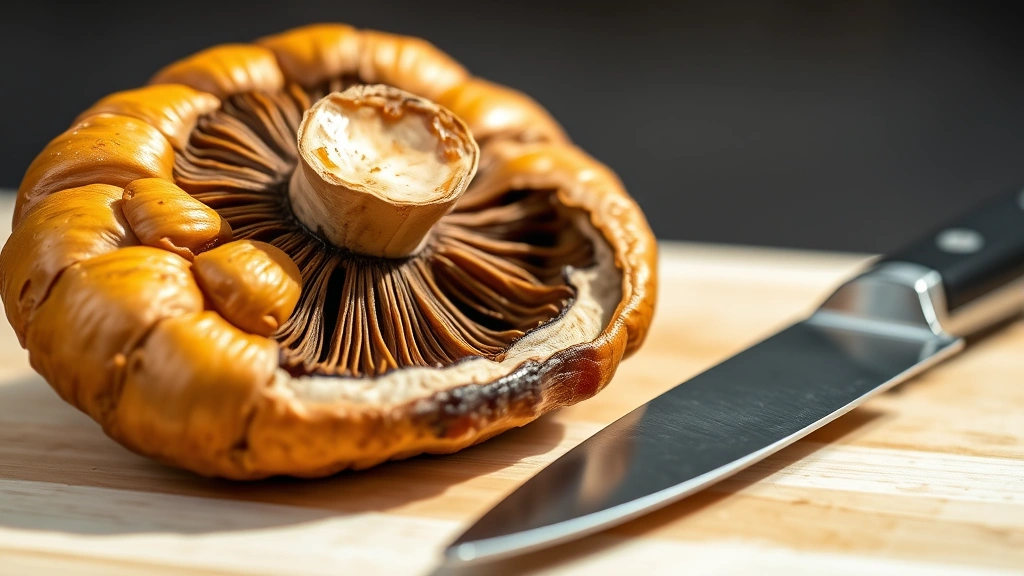
Can Dogs Eat Portobello Mushrooms? Your Complete Safety Guide
As a dog owner, you’ve probably found yourself standing in the kitchen wondering, “Is this safe for my furry friend?” when your pup gives you those irresistible puppy dog eyes while you’re preparing dinner. Today, we’re tackling a question that comes up surprisingly often: can dogs eat portobello mushrooms?
The short answer is yes—dogs can eat portobello mushrooms in moderation, but there are some important nuances you need to understand. While these meaty, umami-rich fungi are generally safe for our canine companions, not all mushrooms are created equal, and preparation matters significantly. Let’s dive deep into everything you need to know about feeding your dog portobellos safely.
Whether you’re a health-conscious pet parent looking to add variety to your dog’s diet or simply wondering about that mushroom that fell on the floor, this comprehensive guide will walk you through the facts, benefits, risks, and best practices for portobello mushrooms and your four-legged friend.
Are Portobello Mushrooms Safe for Dogs?
Let’s address the elephant in the room right away: yes, portobello mushrooms are safe for dogs to eat. Unlike many wild mushroom varieties that contain toxic compounds, cultivated portobellos (Agaricus bisporus) are commercially grown and free from the dangerous toxins found in their wild cousins. This makes them significantly safer than foraging for wild mushrooms, which can be extremely dangerous.
However, “safe” doesn’t mean you should toss a handful into your dog’s bowl without thought. Safety depends on several factors including preparation method, quantity, and your individual dog’s digestive system. It’s worth noting that while dogs can eat mushrooms in general, portobello mushrooms specifically are among the safest options available for canine consumption.
The key distinction here is between cultivated and wild mushrooms. Wild mushrooms can contain amatoxins and other compounds that cause severe poisoning in dogs, sometimes leading to liver failure or death. Portobello mushrooms, being commercially cultivated, don’t carry these risks. They’re the same species as white button mushrooms and cremini mushrooms—just a more mature version of the same fungus.
Nutritional Benefits for Canines
Beyond safety, portobello mushrooms actually offer some legitimate nutritional benefits for your dog. These fungi are packed with nutrients that can contribute to overall canine health when given appropriately. Understanding what makes them nutritionally interesting helps explain why some pet parents choose to include them in their dog’s diet.
Portobello mushrooms contain B vitamins, including riboflavin, niacin, and pantothenic acid, which support energy metabolism and nervous system function. They’re also a source of selenium, an important mineral that acts as an antioxidant and supports thyroid function. Additionally, these mushrooms contain compounds called beta-glucans, which some research suggests may support immune function in dogs.
The fiber content in portobello mushrooms, while modest, can be beneficial for digestive health. This is particularly relevant if you’re looking to add variety to your dog’s diet or support digestive regularity. Unlike some human foods that offer little nutritional value to dogs, portobellos actually contribute something meaningful to your pup’s nutritional profile.
It’s also worth noting that mushrooms are very low in calories and fat, making them an excellent choice if you’re looking for a treat that won’t contribute significantly to weight gain. For dogs watching their waistline, portobello mushrooms can be a satisfying snack without the guilt.
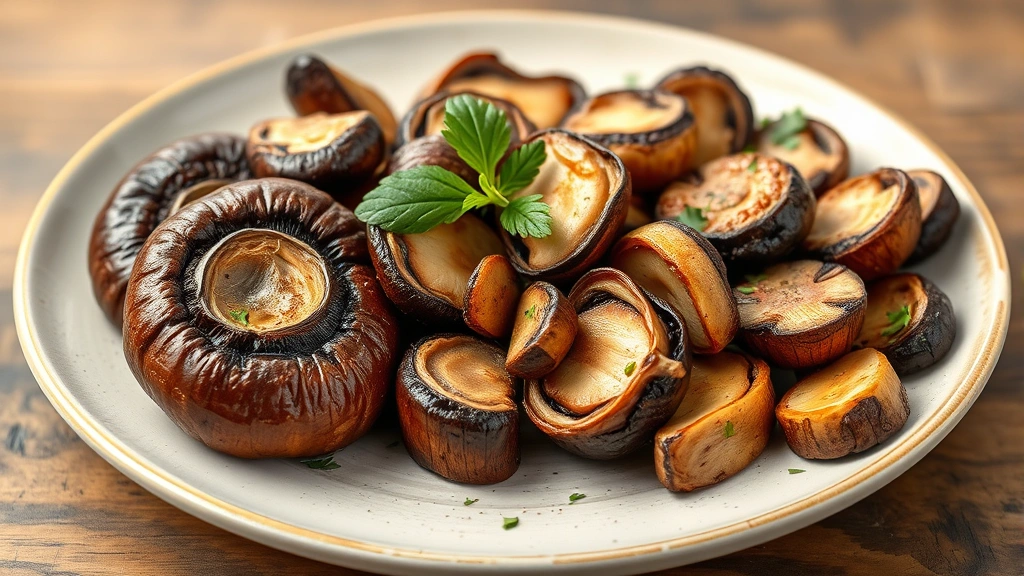
Preparation Methods That Work Best
How you prepare portobello mushrooms is just as important as whether you feed them at all. Preparation can make the difference between a healthy treat and something that might upset your dog’s stomach or introduce unwanted substances into their body.
Raw Portobello Mushrooms: You can feed your dog raw portobello mushrooms, though some dogs may have an easier time digesting them if they’re cooked. If you choose to serve them raw, wash them thoroughly under running water to remove any dirt or debris. Cut them into bite-sized pieces appropriate for your dog’s size to prevent choking hazards. Raw mushrooms are perfectly safe and retain all their nutritional value.
Cooked Portobello Mushrooms: Cooking mushrooms can actually make them easier for dogs to digest. The best cooking methods are boiling or steaming without any added ingredients. Simply chop them into appropriate sizes and cook until tender. Never add seasoning, garlic, onions, or oil to mushrooms intended for your dog. These additions can cause serious health issues—particularly garlic and onions, which are toxic to dogs.
What to Avoid: Don’t feed your dog mushrooms that have been prepared with garlic, onions, butter, salt, or any spices. Mushroom dishes meant for human consumption are typically seasoned in ways that aren’t appropriate for dogs. Similarly, avoid any mushroom preparations that include cream sauces or heavy oils, as these can upset your dog’s digestive system.
The grilling method is also something to reconsider for dog treats. While grilled mushrooms might taste delicious to you, the charring process can introduce compounds that aren’t ideal for dogs. Stick with simple boiling or steaming for the safest preparation.
How Much Is Too Much?
Portion control is crucial when introducing any new food to your dog’s diet, and portobello mushrooms are no exception. Even though they’re safe, too much can cause digestive upset or nutritional imbalances if they’re replacing more nutrient-dense foods.
For most dogs, a few small pieces of portobello mushroom (roughly the size of their kibble) as an occasional treat is perfectly fine. The general rule of thumb is that treats should make up no more than 10% of your dog’s daily caloric intake. For a medium-sized dog weighing around 50 pounds, this translates to roughly 150-200 calories per day from treats.
Since portobello mushrooms are very low in calories (about 3 calories per small piece), you could theoretically give your dog quite a bit without exceeding caloric limits. However, this doesn’t mean you should. Variety is important in canine nutrition, and portobello mushrooms should be just one of many treats your dog enjoys.
Start with very small amounts if your dog has never eaten mushrooms before. This allows you to monitor for any digestive upset or allergic reactions. Some dogs may have sensitive stomachs that react negatively to new foods, even safe ones. If your dog experiences any digestive issues after eating portobello mushrooms, discontinue feeding them and consult your veterinarian.
Comparing to Other Fungi Options
Understanding how portobello mushrooms stack up against other mushroom varieties helps you make informed decisions about what to feed your pup. Not all mushrooms are created equal when it comes to canine safety and nutrition.
When comparing portobello to other vegetables your dog can eat, mushrooms occupy an interesting middle ground. They’re not technically vegetables—they’re fungi—but they’re often grouped with vegetables in culinary contexts. This distinction matters for nutritional planning.
Button Mushrooms vs. Portobellos: Button mushrooms and portobello mushrooms are actually the same species at different maturity levels. Button mushrooms are younger, while portobellos are fully mature. Both are equally safe for dogs, though portobellos have a meatier texture and slightly more pronounced flavor. Nutritionally, they’re comparable, so your choice can come down to personal preference and what you have on hand.
Cremini Mushrooms: Cremini mushrooms are another brown variety and are also safe for dogs. They fall between button and portobello mushrooms in terms of maturity and size. Any of these three varieties—button, cremini, or portobello—are excellent choices for your dog.
Mushrooms to Avoid: Never feed your dog wild mushrooms, shiitake mushrooms (which can cause digestive upset), oyster mushrooms, or any mushroom you’re not absolutely certain about. Stick to the common cultivated varieties sold in grocery stores. When in doubt, consult with your veterinarian before introducing a new mushroom variety.
Interestingly, if you’re looking at other dietary additions, you might also consider whether raw broccoli might complement your dog’s diet, as cruciferous vegetables offer different nutritional benefits than mushrooms.
Signs of Mushroom Poisoning
While portobello mushrooms themselves are safe, it’s crucial to understand the signs of mushroom poisoning in case your dog ever ingests wild or toxic mushrooms. Knowing these symptoms could literally save your dog’s life.
Early Signs of Mushroom Toxicity: The first symptoms of mushroom poisoning typically appear within 15 minutes to 12 hours of ingestion. These include excessive drooling, vomiting, diarrhea, and abdominal pain. Your dog might seem restless or uncomfortable, and their appetite may decrease.
Advanced Symptoms: As poisoning progresses, you might notice tremors, seizures, difficulty breathing, or changes in heart rate. Some dogs experience liver damage symptoms, which can include jaundice (yellowing of the eyes and gums), letharness, or dark urine. Severe cases can lead to organ failure and death.
The specific symptoms depend on which type of mushroom your dog consumed and how much they ate. This is why immediate veterinary attention is crucial if you suspect your dog has eaten wild mushrooms. If your dog experiences vomiting after eating mushrooms, don’t wait to see if it resolves on its own—contact your vet immediately.
When to Contact Your Vet
Knowing when to call your veterinarian is an essential part of responsible pet ownership. Some situations warrant immediate professional attention, while others can be monitored at home.
Immediate Veterinary Care Required: Contact your vet immediately if your dog has eaten wild mushrooms (even if you’re not certain of the variety), shows any signs of poisoning, or consumed a large quantity of any mushroom variety. Don’t wait for symptoms to develop—mushroom poisoning can progress rapidly, and early treatment is critical.
When to Consult Your Vet: If your dog experiences mild digestive upset after eating portobello mushrooms—such as loose stools or decreased appetite—contact your vet for guidance. If your dog has a history of digestive issues or food sensitivities, discuss mushroom introduction with your vet before offering them.
Your veterinarian can provide personalized advice based on your dog’s age, health status, and dietary needs. According to the Association of American Feed Control Officials, while mushrooms aren’t considered essential nutrients for dogs, they can be part of a balanced diet when introduced appropriately.
If your dog is experiencing ongoing digestive issues and you’re considering dietary changes, you might also explore options like what to feed a dog with diarrhea, which provides guidance on bland, easily digestible foods.
Frequently Asked Questions
Can puppies eat portobello mushrooms?
Puppies can technically eat portobello mushrooms, but it’s best to wait until they’re older and their digestive systems are more developed. Their stomachs are more sensitive to new foods, and mushrooms aren’t nutritionally necessary for puppies. Stick to age-appropriate puppy food and treats formulated for their developmental needs. Always consult your veterinarian before introducing new foods to puppies.
Are portobello mushrooms good for dogs with allergies?
Portobello mushrooms are generally hypoallergenic and unlikely to trigger allergies in most dogs. However, if your dog has a sensitive stomach or history of food sensitivities, introduce mushrooms gradually and monitor for reactions. Some dogs may have individual sensitivities to fungi, even though true mushroom allergies are rare in dogs. When in doubt, check with your vet.
Can I feed my dog portobello mushroom stems?
Yes, portobello mushroom stems are safe for dogs. In fact, they can be easier for dogs to chew and digest than the caps. Simply wash them thoroughly, cut them into appropriate sizes, and prepare them the same way you would the mushroom caps. Some dogs actually prefer the texture of the stems.
What about portobello mushroom gills?
The gills (the dark underside) of portobello mushrooms are perfectly safe for dogs to eat. You don’t need to remove them before serving. Some people prefer to scrape them out for aesthetic reasons when cooking for humans, but for your dog, serving the whole mushroom (minus the stem if you prefer) is fine.
How do I know if a mushroom is truly safe for my dog?
The safest approach is to only feed your dog mushrooms you’ve purchased from a grocery store or reputable market. These are commercially cultivated varieties that are guaranteed safe. Never feed your dog wild mushrooms unless you’re absolutely certain of their identification and safety. When in doubt, err on the side of caution. The ASPCA Animal Poison Control Center can provide guidance on specific mushroom varieties if you’re unsure.
Can portobello mushrooms cause gas in dogs?
Some dogs may experience mild gas after eating portobello mushrooms, particularly if they’re not used to them. This is usually harmless and resolves on its own. If your dog experiences excessive gas or bloating, discontinue mushrooms and consider whether they might be sensitive to fungi. Individual dogs have different digestive tolerances, so what works for one dog might not work for another.
Are there any long-term health benefits to feeding portobello mushrooms regularly?
While portobello mushrooms contain beneficial compounds like antioxidants and B vitamins, they shouldn’t be considered a health supplement or cure-all. They can be part of a varied, balanced diet, but they’re not necessary for dogs to thrive. Focus on providing a complete and balanced commercial dog food formulated by veterinary nutritionists, and treat portobello mushrooms as an occasional supplement to that diet.
What should I do if my dog eats a raw portobello mushroom I left on the counter?
Don’t panic. If your dog ate a single raw portobello mushroom, they’ll almost certainly be fine. Monitor them for any signs of digestive upset over the next few hours, but a single mushroom is unlikely to cause problems. If your dog consumed a large quantity or you’re concerned for any reason, contact your veterinarian for peace of mind.





