
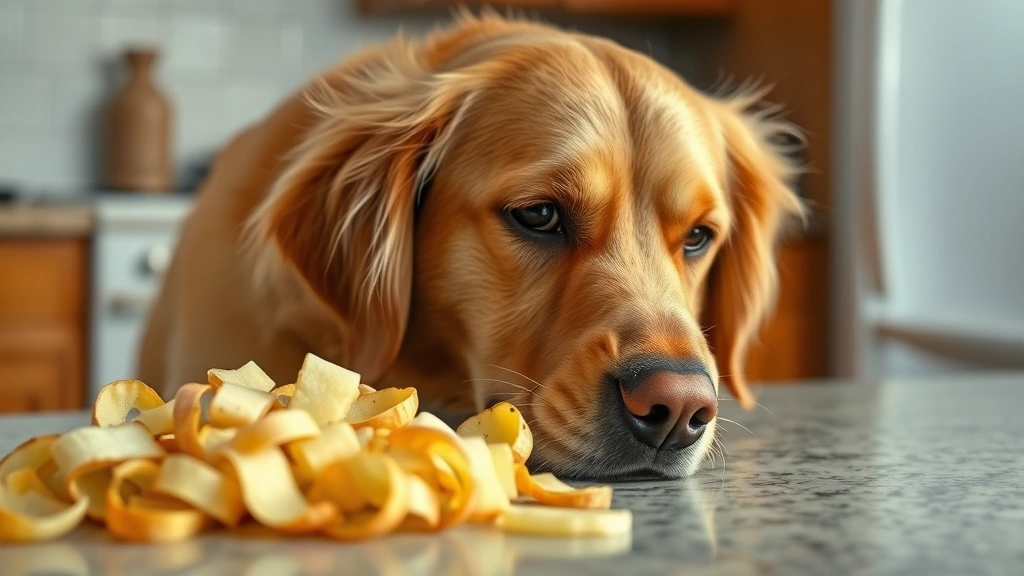
Can Dogs Eat Potato Peels? Vet Insights and Safety Guide
Potato peels are a common kitchen scrap that many dog owners wonder about. While potatoes themselves can be safe for dogs in certain preparations, potato peels present a different story entirely. The green or sprouted portions of potatoes contain compounds that can be harmful to our canine companions, making this an important topic for pet safety.
As a responsible dog owner, understanding what foods are safe for your furry friend is crucial. This comprehensive guide breaks down everything you need to know about potato peels, including why they pose risks, what symptoms to watch for, and what safer vegetable alternatives you can offer instead.
Are Potato Peels Safe for Dogs?
No, potato peels are not safe for dogs and should be kept out of reach of your pet. Unlike plain, cooked potatoes that have been peeled and prepared properly, the peel itself contains toxic compounds that can cause serious health issues. The outer layer of potatoes, particularly when green or sprouted, accumulates alkaloid compounds that are harmful to canines.
The primary concern with potato peels lies in their solanine content. Solanine is a naturally occurring toxin found in the nightshade family of plants, which includes potatoes. When potatoes are exposed to light, they develop a green color and increase their solanine production as a natural defense mechanism. This green discoloration is your first warning sign that the potato peel contains elevated levels of this toxin.
Many dog owners make the mistake of assuming that if a food is natural, it must be safe. However, nature produces many toxic substances, and solanine is one of them. Even small amounts of potato peel can cause gastrointestinal upset in dogs, while larger quantities may lead to more serious symptoms.
Why Potato Peels Are Dangerous
Potato peels pose several specific dangers to dogs that every pet owner should understand:
- Solanine Toxicity: This alkaloid compound is the main culprit. It damages the digestive system and can affect the nervous system. Dogs are more sensitive to solanine than humans, making even moderate amounts potentially problematic.
- Green Potato Skin: Green areas on potatoes indicate higher solanine concentrations. If your dog ingests green potato peels, the risk of toxicity increases significantly.
- Sprouted Potatoes: Potato sprouts and eyes contain even higher levels of solanine. Any potato with visible sprouts should never be given to dogs in any form.
- Raw vs. Cooked: While cooking can reduce some solanine content, the peel remains problematic. The solanine in the skin is particularly concentrated and doesn’t fully break down during normal cooking processes.
- Accumulation Risk: Repeated small exposures can lead to cumulative toxicity in dogs, especially smaller breeds.
The reason solanine is so dangerous is that it interferes with the dog’s ability to absorb calcium, leading to muscle weakness and digestive problems. Additionally, solanine can cause inflammation in the gastrointestinal tract, leading to pain and discomfort.
Understanding these dangers helps explain why veterinarians universally recommend avoiding potato peels. This isn’t about being overly cautious—it’s based on solid scientific evidence about how dogs metabolize these compounds differently than humans do.
Symptoms of Potato Peel Toxicity
If your dog has consumed potato peels, watch for these warning signs:
- Gastrointestinal Issues: Vomiting and diarrhea are often the first signs of potato peel ingestion. These symptoms may appear within a few hours of consumption.
- Lethargy: Your dog may seem unusually tired or lack interest in normal activities.
- Loss of Appetite: Affected dogs often refuse their regular meals.
- Abdominal Pain: Your dog may show signs of discomfort, such as whining, hunching, or reluctance to move.
- Drooling: Excessive salivation can indicate nausea or oral irritation.
- Tremors: In more severe cases, muscle tremors or weakness may occur.
- Dilated Pupils: This can be a sign of nervous system involvement.
- Burning Sensation in the Mouth: Your dog may paw at their mouth or seem uncomfortable while eating.
The severity of symptoms depends on several factors: the amount of potato peel consumed, the dog’s size and weight, the dog’s individual sensitivity, and whether the potato peel was green or sprouted. Smaller dogs are at greater risk from the same amount of toxin as larger dogs.
Symptoms can develop within 30 minutes to a few hours after ingestion. In mild cases, they may resolve on their own within 24 hours. However, more severe cases require veterinary intervention.
Safe Potato Preparation for Dogs
If you want to give your dog potatoes safely, proper preparation is essential. The key is removing all skin and avoiding any green or sprouted portions:
- Peel Completely: Remove every bit of skin from the potato. Don’t leave any green areas or thin strips of peel.
- Cook Thoroughly: Always cook potatoes before giving them to your dog. Raw potatoes are harder to digest and contain higher solanine levels.
- Plain Preparation: Boil or bake potatoes without added seasonings, butter, oils, or salt. Many common potato seasonings are harmful to dogs.
- Avoid Certain Preparations: Never give your dog french fries, potato chips, mashed potatoes with butter and cream, or any potato dish seasoned for human consumption.
- Portion Control: Potatoes should only be an occasional treat, not a dietary staple. They should make up no more than 10% of your dog’s daily caloric intake.
- Cool Before Serving: Always let cooked potatoes cool completely before offering them to your dog.
Even when properly prepared, potatoes are relatively low in nutritional value for dogs compared to other vegetables. They’re primarily carbohydrates and lack the essential amino acids and nutrients that dogs need. Therefore, safer alternatives are generally better choices for treating your dog.
Healthy Vegetable Alternatives
Rather than risk potato peels or even whole potatoes, consider these dog-safe vegetables that provide better nutritional value:
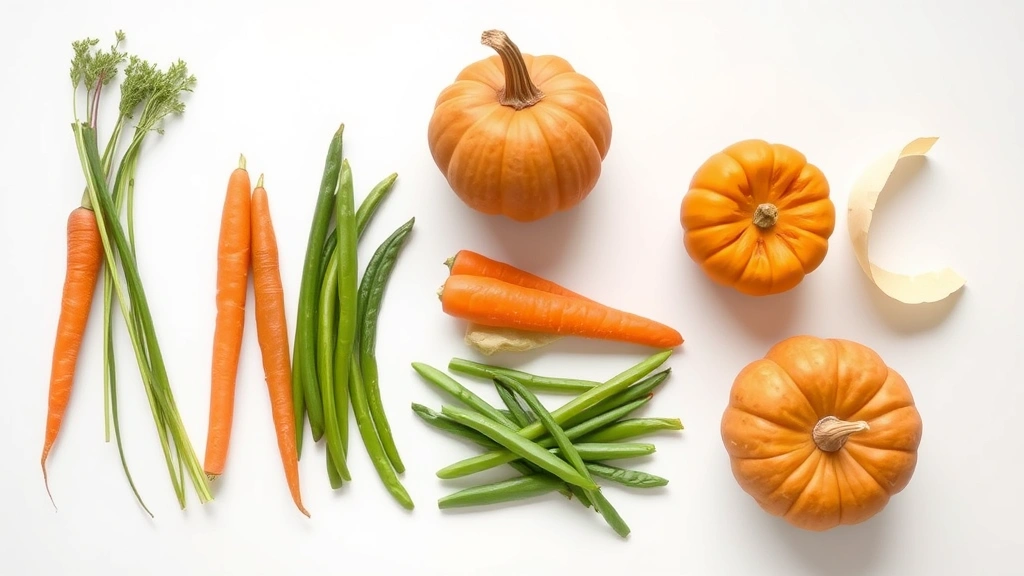
Carrots are excellent for dogs and offer numerous benefits. They’re crunchy, low in calories, and can help clean your dog’s teeth. Carrots are particularly good for dogs because they contain vitamins A and C, plus they’re naturally sweet without being unhealthy.
Broccoli can be given to dogs in moderation. It contains beneficial compounds and vitamins, though it should only make up a small portion of treats due to its cruciferous nature.
Cauliflower is another safe option that’s low in calories and high in fiber. It can be given raw or lightly steamed.
Corn is generally safe for dogs when given properly. Remove kernels from the cob, as the cob itself is a choking hazard.
Other safe vegetables include green beans, sweet potatoes (peeled), peas, and pumpkin. Always introduce new foods gradually and in small amounts to monitor for any adverse reactions.
What to Do If Your Dog Eats Potato Peels
If you discover that your dog has consumed potato peels, take these steps:
- Stay Calm: Not every exposure results in serious toxicity. Assess the situation rationally.
- Determine the Amount: Try to estimate how much potato peel your dog consumed and whether it was green or sprouted.
- Note the Time: Record when the ingestion occurred, as this helps your veterinarian assess the risk.
- Monitor Closely: Watch for the symptoms listed above over the next 24 hours.
- Contact Your Veterinarian: Call your vet immediately if your dog shows any signs of distress or if you’re unsure about the amount consumed.
- Don’t Induce Vomiting: Unless specifically directed by your veterinarian, don’t attempt to induce vomiting at home.
- Provide Information: Tell your vet the type of potato (green or regular), the estimated amount, and when it was eaten.
Your veterinarian may recommend observation, activated charcoal to bind toxins, or supportive care like IV fluids depending on the severity. Most cases of mild potato peel ingestion resolve without treatment, but professional guidance ensures your dog receives appropriate care.
Contact the ASPCA Animal Poison Control Center at (888) 426-4435 if you need immediate guidance. They can provide real-time advice specific to your situation.
FAQ
Can dogs eat cooked potato peels?
No. While cooking reduces some solanine content, it doesn’t eliminate the toxin completely, especially in the concentrated peel. Cooked potato peels still pose a risk to dogs and should be avoided.
What if my dog ate one potato peel?
A single small potato peel is unlikely to cause serious harm, especially if it wasn’t green or sprouted. Monitor your dog for 24 hours for any symptoms. Contact your vet if symptoms develop, but many dogs pass through this without incident.
Are sweet potato peels safe for dogs?
Sweet potato peels are safer than regular potato peels but still aren’t ideal. The flesh of sweet potatoes (peeled) is safe and nutritious for dogs, so it’s better to remove the skin entirely.
How much potato peel is toxic to dogs?
There’s no exact threshold, as toxicity depends on the dog’s size, the peel’s solanine content, and individual sensitivity. However, even small amounts can cause gastrointestinal upset in sensitive dogs.
Can I give my dog plain boiled potatoes?
Yes, plain boiled potatoes that are completely peeled are safe in moderation. However, they offer limited nutritional value compared to other vegetables. They should be an occasional treat, not a regular part of your dog’s diet.
What are the best vegetables for dogs?
Safe and nutritious options include carrots, green beans, pumpkin, sweet potatoes (peeled), peas, and broccoli in moderation. Always introduce new foods gradually and consult your vet if your dog has specific dietary needs.
Should I be worried if my dog ate potato skin?
It depends on the amount and whether the potato was green. Small amounts of regular potato skin may not cause serious issues, but green potato peels are more concerning. Contact your vet if your dog shows any symptoms or if you’re uncertain.





