
Can Dogs Eat Potato Peels? Safety Tips & Advice
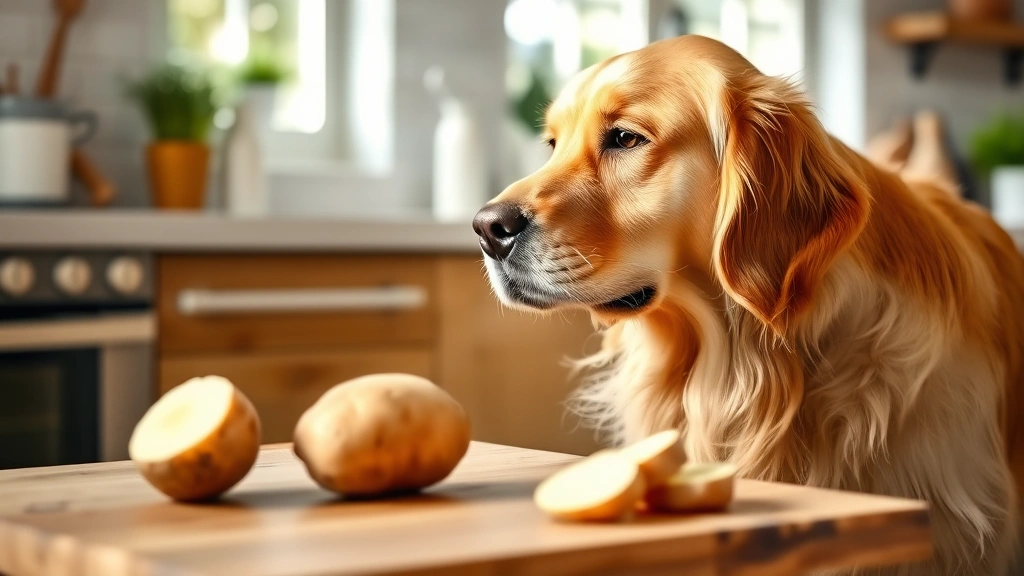
We’ve all been there—prepping dinner in the kitchen while your furry friend watches intently from their favorite spot on the floor. As potato peels hit the cutting board, you might wonder: can dogs eat potato peels? It’s a question that deserves a careful answer, because while potatoes themselves can be safe for dogs in certain forms, the peels present some unique concerns that every dog owner should understand.
The short answer? Potato peels aren’t recommended for dogs, and there are several important reasons why. Unlike the flesh of a cooked potato, which can be an occasional treat, potato peels contain compounds that could potentially harm your canine companion. But before you panic if your pup has snagged a peel or two, let’s dive into the details so you can make informed decisions about what you feed your four-legged family member.
This comprehensive guide will walk you through everything you need to know about potato peels and dogs, including why they’re problematic, what happens if your dog eats them, and safer alternatives to keep your best friend healthy and happy.
Why Potato Peels Are Dangerous for Dogs
Potato peels present a unique hazard that many well-meaning dog owners don’t realize. While whole potatoes can be safe for dogs when properly prepared, the peel itself is where the trouble lies. The skin of a potato contains significantly higher concentrations of certain compounds compared to the flesh, making it a less-than-ideal snack for your pup.
The primary concern with potato peels is their composition. Raw potato peels are tough and fibrous, which can pose a choking hazard or cause digestive upset. More importantly, they contain natural toxins that develop as a potato grows. These toxins are the plant’s natural defense mechanism against pests and disease, but they can cause problems when ingested by dogs.
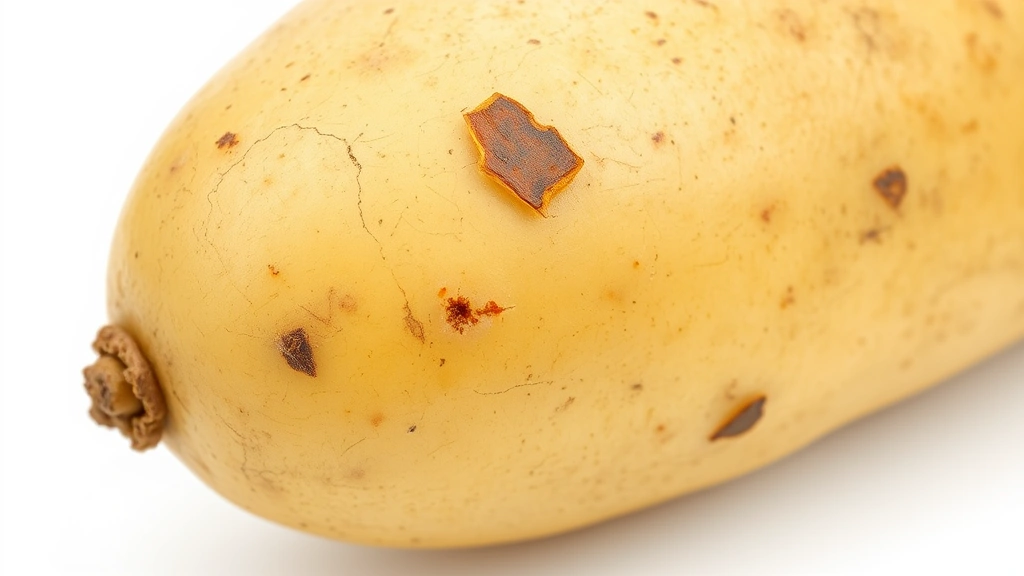
Green potato peels deserve special attention. When potatoes are exposed to light—whether in the store or in your kitchen—they develop a greenish tint. This discoloration is actually a sign that solanine levels have increased. If you’ve noticed green spots on a potato, that’s a red flag that the entire tuber, especially the peel, shouldn’t be fed to your dog.
Additionally, many commercial potato peels may have been treated with pesticides or other chemicals during farming and storage. Even if you’ve washed the potato, residues can remain on the skin, adding another layer of concern for your dog’s health and safety.
Understanding Solanine Toxicity
To truly understand why potatoes require caution, you need to know about solanine. This naturally occurring alkaloid compound is found in potatoes and other members of the nightshade family, including tomatoes and eggplants. Solanine acts as a natural pesticide for the plant, but it can be toxic to dogs when consumed in sufficient quantities.
The concentration of solanine in potatoes varies significantly depending on several factors. Raw potatoes contain higher levels of solanine than cooked ones, which is why cooking helps reduce toxicity. The skin of the potato contains roughly two to three times more solanine than the flesh, making peels particularly problematic. Additionally, potatoes that have been stored in cool, dark conditions have lower solanine levels, while those exposed to light or stored improperly can accumulate dangerous amounts.
When a dog ingests solanine, it can cause gastrointestinal distress and, in more severe cases, neurological symptoms. The alkaloid affects the dog’s digestive system and can interfere with nutrient absorption. For small dogs or puppies, even moderate amounts of solanine from potato peels could potentially cause noticeable symptoms, while larger dogs might tolerate small accidental ingestions better.
According to the ASPCA Animal Poison Control Center, solanine toxicity in pets is a documented concern, though cases of severe poisoning from potato consumption are relatively rare. However, this doesn’t mean we should be cavalier about letting dogs eat potato peels. The risk simply isn’t worth taking when safer alternatives exist.
Symptoms of Potato Peel Ingestion
If your dog has managed to snag some potato peels from the kitchen counter or compost bin, knowing what symptoms to watch for is crucial. While a single small peel likely won’t cause serious harm, especially for a large dog, it’s important to monitor your pup and understand when professional help might be needed.
Mild to moderate symptoms of potato peel ingestion include:
- Vomiting or gagging
- Diarrhea or loose stools
- Abdominal pain or discomfort (your dog might seem restless or have a hunched posture)
- Loss of appetite
- Lethargy or unusual tiredness
- Excessive drooling
- Mild digestive upset
These symptoms typically appear within a few hours of ingestion and may resolve on their own as the dog’s digestive system processes and eliminates the offending material. However, they can also persist for 24 hours or longer.
More serious symptoms that warrant immediate veterinary attention include:
- Severe vomiting or vomiting that won’t stop
- Severe diarrhea, especially if bloody
- Signs of neurological issues (tremors, weakness, confusion, or seizures)
- Inability to keep water down
- Signs of dehydration (dry gums, sunken eyes)
- Extreme lethargy or unresponsiveness
- Difficulty breathing
The severity of symptoms depends on several factors: the amount of potato peels consumed, the dog’s size and age, whether the peels were raw or cooked, and how many solanine they contained. Puppies and senior dogs may be more susceptible to adverse effects, as may dogs with pre-existing digestive or health conditions.
What to Do If Your Dog Eats Potato Peels
Stay calm—your dog eating a small piece of potato peel isn’t necessarily an emergency. However, taking the right steps can help ensure your pup stays safe and healthy.
Immediate steps to take:
- Assess the situation: Try to determine how many peels your dog consumed and whether they were raw or cooked. Green peels are more concerning than regular ones.
- Monitor closely: Watch your dog for any signs of distress or unusual behavior over the next 24 hours.
- Don’t induce vomiting: Unlike some toxic substances, inducing vomiting isn’t recommended for potato peel ingestion, as the rough peels could cause additional damage to the throat and esophagus.
- Offer water: Make sure your dog has access to fresh water to stay hydrated.
- Skip meals temporarily: Consider withholding food for a few hours to give the digestive system a break, then offer small amounts of bland food like boiled chicken and rice if your dog seems interested.
When to contact your veterinarian:
Call your vet if your dog shows any concerning symptoms, especially if they’re a small breed, puppy, senior dog, or have pre-existing health conditions. You should also reach out to your vet or Pet Poison Helpline if your dog consumed a large quantity of green potato peels or if symptoms persist beyond a few hours.
Your veterinarian can provide specific guidance based on your dog’s individual health profile and can recommend treatment if needed. In most cases, supportive care—ensuring hydration and allowing the digestive system to rest—is sufficient. However, in rare cases of severe solanine toxicity, IV fluids or other medical interventions might be necessary.
Safe Potato Options for Dogs
The good news? Cooked potatoes can be safe for dogs when prepared properly. If you want to share this starchy vegetable with your furry friend, here are the safest ways to do it:
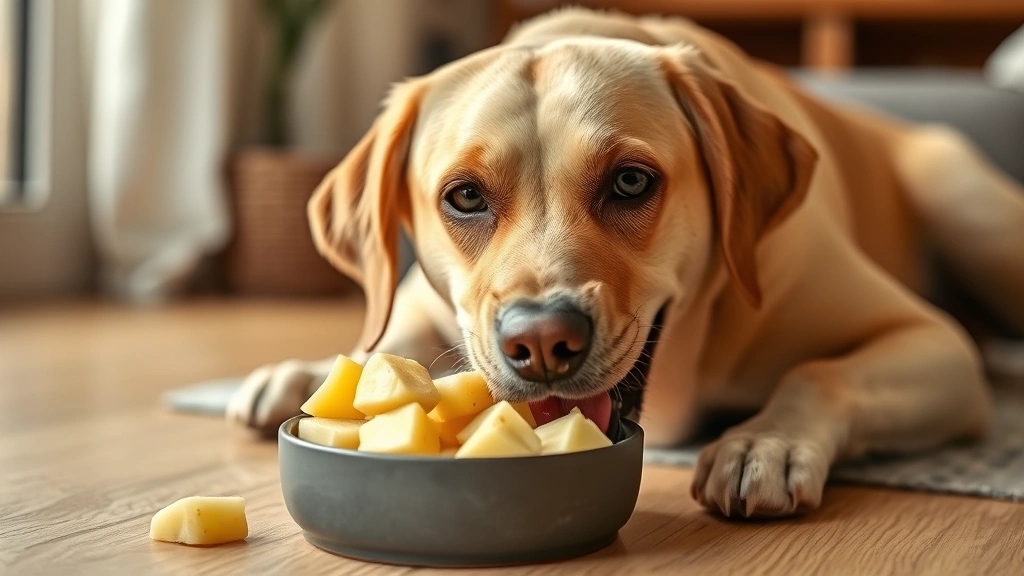
Cooked plain potatoes: This is the safest option. Boil or bake a potato without any seasonings, oils, or butter. Remove the peel entirely and cut the flesh into appropriate-sized pieces for your dog. Plain cooked potato is easy to digest and provides some nutritional value, including carbohydrates and certain vitamins.
Sweet potato: Sweet potatoes offer a nutritious alternative to regular potatoes and are often considered even safer. They’re higher in fiber and contain beneficial nutrients like beta-carotene. Always peel them and cook them plain before offering to your dog.
Mashed potatoes: Mashed potatoes can work as an occasional treat, but only if they’re made plain—no butter, milk, garlic, or other seasonings. These additions can cause digestive upset or, in the case of garlic, toxicity.
Important guidelines:
- Always remove the peel completely before cooking
- Never serve potatoes with salt, butter, cheese, or seasonings
- Avoid fried potatoes, french fries, and potato chips
- Serve in moderation—potatoes should be an occasional treat, not a dietary staple
- Potatoes should make up no more than 10% of your dog’s daily caloric intake
- Always ensure potatoes are fully cooled before serving
For most dogs, occasional small portions of plain cooked potato are perfectly fine and can even be useful for dogs with sensitive stomachs. However, they shouldn’t replace a balanced, complete dog food formulated to meet your pet’s specific nutritional needs.
Prevention Tips & Kitchen Safety
The best approach to keeping your dog safe is prevention. Since you now know that potato peels pose risks, let’s talk about practical strategies to keep them away from your curious canine companion.
Kitchen management:
- Compost bin security: If you compost, keep your bin in a secure location where your dog can’t access it. Potato peels in the compost are still toxic, especially as they age and potentially develop mold or increased solanine levels.
- Trash can security: Use a dog-proof trash can or keep it in a secure cabinet. Dogs are remarkably resourceful when motivated by food scraps.
- Counter supervision: Never leave potato peels unattended on counters or cutting boards, especially if you have a dog that counter-surfs.
- Designated prep area: Create a dog-free zone when you’re preparing meals. A baby gate or closed door can work well.
- Immediate cleanup: Dispose of potato peels immediately after use rather than letting them sit in the sink or on the counter.
Family communication:
If you have family members or guests who might not be aware of your dog safety rules, make sure everyone knows that potato peels—and raw potatoes in general—are off-limits. Kids especially might find it cute to feed scraps to the dog, so education is key.
Safer treat alternatives:
Instead of sharing potato peels or even plain potatoes, consider these dog-safe vegetables and treats:
- Carrots (excellent for dental health)
- Green beans
- Pumpkin
- Apples (without seeds)
- Blueberries
- Watermelon (seedless)
- Cucumbers
- Broccoli (in small amounts)
These alternatives are not only safer but often more nutritious for your dog. Many can be given raw or cooked, and they provide natural fiber and vitamins without the solanine concerns.
Frequently Asked Questions
Are cooked potato peels safer than raw ones?
Cooked potato peels are somewhat safer than raw ones since cooking reduces solanine levels. However, they’re still not recommended. The peel is tough and fibrous, which can cause digestive upset. It’s better to remove peels entirely before cooking and serving potatoes to your dog.
What if my dog ate just one small potato peel?
A single small peel is unlikely to cause serious harm, especially if your dog is large. Monitor your pup for signs of digestive upset over the next 24 hours. Most dogs will be fine, but watch for vomiting, diarrhea, or lethargy. Contact your vet if any concerning symptoms develop.
Can dogs eat green potatoes or green potato peels?
No, absolutely not. Green potatoes contain significantly elevated solanine levels and should never be fed to dogs. Discard any potatoes with green spots or discoloration entirely.
Is solanine in potatoes the same as the toxin in chocolate poisoning?
No, they’re different toxins. Solanine is an alkaloid found in nightshade plants, while chocolate contains theobromine and caffeine. However, both can be toxic to dogs in sufficient quantities, and both require caution.
How much potato peel would it take to seriously harm a dog?
The amount needed to cause serious harm depends on the dog’s size, the solanine content of the peels, and individual sensitivity. Generally, a large dog would need to consume a significant quantity of green or raw potato peels to experience severe toxicity. However, small dogs, puppies, or senior dogs might show symptoms from smaller amounts. When in doubt, contact your veterinarian or AAHA (American Animal Hospital Association) for guidance.
What about potato starch or potato flour?
Potato starch and flour are processed products with minimal solanine content and are generally considered safe for dogs in small quantities. However, they’re not particularly nutritious and shouldn’t be a dietary focus. Always check ingredient lists on commercial dog foods that contain these ingredients.
Can I give my dog potato peelings as a training treat?
There are far better training treat options available. Use small pieces of cooked chicken, cheese, or commercial dog treats designed for training. These are more palatable and won’t carry the health risks associated with potato peels.
Are russet potato peels different from other varieties?
All potato varieties contain solanine, though levels can vary slightly. Russet potatoes, red potatoes, and white potatoes all carry the same risks when it comes to the peel. Always remove peels regardless of potato variety before serving to your dog.





