Can Dogs Eat Pumpkin Guts? Expert Advice on Seeds, Flesh & Safety
When autumn arrives and pumpkins fill your kitchen, you might wonder what to do with all those stringy insides. If you’re a dog owner, the question naturally arises: can dogs safely eat pumpkin guts? The good news is that pumpkin is generally considered safe and even beneficial for dogs, but there are important details about which parts are safe, how much is appropriate, and what precautions you should take.
Pumpkin has become something of a superfood in the dog world, praised by veterinarians for its digestive benefits. However, not all parts of the pumpkin are created equal when it comes to canine consumption. Understanding the differences between pumpkin seeds, pumpkin flesh, and the stringy pulp can help you make informed decisions about what your furry friend can safely enjoy.
What Are Pumpkin Guts?
When you carve a pumpkin, you’re left with a mixture of seeds, stringy fibers, and pulp—collectively known as pumpkin guts or guts. These components have different properties and varying levels of safety for dogs. The guts include the seeds (pepitas), the stringy connecting tissues, the soft flesh, and any remnants of the outer rind.
Many pet owners are surprised to learn that pumpkin guts can actually be a nutritious treat for their dogs when prepared correctly. The key is understanding what makes each component safe or potentially problematic. Unlike some vegetables like onions, which are toxic to dogs, pumpkin guts present minimal toxicity concerns—though preparation method matters significantly.
The stringy fibers you find in pumpkin guts are essentially indigestible plant material. While dogs can’t extract much nutritional value from these fibers, they can still consume them safely in small amounts. However, the real nutritional value comes from the seeds and the softer flesh portions of the pumpkin.
Safety Overview: Can Dogs Eat Pumpkin
According to the American Society for the Prevention of Cruelty to Animals (ASPCA), plain pumpkin is non-toxic to dogs. This makes pumpkin one of the safer vegetables you can offer your pet. However, safety depends on several factors: preparation method, quantity, and whether any additives are included.
Raw pumpkin guts are generally safe, though they’re harder to digest than cooked versions. Cooked pumpkin is easier on the digestive system and more commonly recommended by veterinarians. Canned pumpkin puree is another popular option, though you must ensure it’s plain pumpkin and not pumpkin pie filling, which contains added sugars and spices that can be problematic.
The most important safety consideration involves what’s already on the pumpkin when you harvest it. If your pumpkin was treated with pesticides or other chemicals, you’ll need to thoroughly wash and prepare it before offering any parts to your dog. Organic, untreated pumpkins are the safest choice for pet consumption.
It’s also worth noting that while pumpkin is safe, it shouldn’t replace a balanced dog diet. Think of pumpkin guts as a supplement or occasional treat rather than a dietary staple. This is similar to how other vegetables like carrots serve as healthy additions without becoming meal replacements.
Pumpkin Seeds for Dogs
Pumpkin seeds, also called pepitas when the shell is removed, are among the most nutritious parts of the pumpkin. These seeds contain beneficial compounds including omega-3 and omega-6 fatty acids, magnesium, and antioxidants. Many veterinarians specifically recommend pumpkin seeds for dogs dealing with minor digestive upset.
Raw pumpkin seeds are safe for dogs, though they’re quite hard and pose a potential choking hazard for smaller breeds or dogs who don’t chew thoroughly. Roasted pumpkin seeds without added salt or seasonings are easier to digest and safer overall. Some pet owners grind roasted seeds into a powder to sprinkle on food, which eliminates choking concerns entirely.
Pumpkin seeds have been traditionally used to help with intestinal parasites in dogs, though scientific evidence on this is mixed. The Association of American Feed Control Officials doesn’t list pumpkin seeds as a parasite treatment, but some holistic veterinarians consider them a helpful supplement. If you’re concerned about parasites, consult your veterinarian rather than relying solely on pumpkin seeds.
The typical serving recommendation for pumpkin seeds is about one teaspoon per ten pounds of body weight, though this can vary based on your dog’s individual needs and overall diet. For a 50-pound dog, approximately half a tablespoon of ground or crushed seeds would be appropriate as an occasional addition to meals.
Raw vs Cooked Pumpkin
Both raw and cooked pumpkin are safe for dogs, but they offer different benefits and pose different considerations. Raw pumpkin guts contain more enzymes and nutrients that heat hasn’t destroyed, making them nutritionally dense. However, raw pumpkin is harder to digest and can cause stomach upset in sensitive dogs.
Cooked pumpkin, whether steamed, baked, or boiled, is much easier for dogs to digest. The cooking process breaks down cell walls and makes nutrients more bioavailable—meaning your dog’s digestive system can extract and absorb them more efficiently. This is why most veterinarians recommend cooked pumpkin as the first choice for dogs with digestive sensitivities.
Roasting pumpkin guts in the oven at 300°F for 30-40 minutes creates a crunchy texture that many dogs enjoy. This method is particularly good for seeds, which develop a pleasant nutty flavor. Steaming is another excellent option that preserves more nutrients than boiling, which can leach water-soluble vitamins.
If you’re using pumpkin to address digestive issues, cooked is definitely preferable. The softer consistency makes it easier for your dog’s digestive system to process, and the nutrients are more readily available. This is particularly important for senior dogs or those with compromised digestive health.

Nutritional Benefits Explained
Pumpkin guts offer several nutritional advantages for dogs when incorporated appropriately into their diet. The flesh portion is particularly valuable because it’s high in fiber, which supports digestive health. Fiber helps regulate bowel movements and can assist with both constipation and diarrhea, making pumpkin useful for various digestive concerns.
The vitamin A content in pumpkin is substantial, supporting eye health and immune function. Vitamin A is fat-soluble, meaning it’s best absorbed when consumed with some dietary fat—another reason to include pumpkin as part of a balanced meal rather than offering it in isolation. Pumpkin also contains potassium, which supports heart and muscle function.
The antioxidants present in pumpkin, including carotenoids and phenolic compounds, help reduce inflammation throughout the body. For aging dogs or those with inflammatory conditions, this anti-inflammatory benefit can contribute to overall wellness and comfort. These compounds also support cognitive function and may help protect against age-related decline.
Pumpkin’s high water content (about 90%) makes it hydrating and low in calories, making it an excellent choice for weight management. If your dog is overweight, pumpkin can provide a filling, nutritious treat without contributing significantly to calorie intake. This characteristic also makes it useful for dogs on restricted diets for medical reasons.
Portion Guidelines
Determining the right amount of pumpkin guts for your dog depends on several factors including size, age, activity level, and overall diet composition. As a general rule, pumpkin should comprise no more than 10% of your dog’s daily caloric intake. For most dogs, this translates to 1-4 tablespoons of pumpkin per day.
Small dogs (under 20 pounds) should receive approximately one to two tablespoons of cooked pumpkin per day, while medium dogs (20-50 pounds) can handle two to three tablespoons. Large dogs (over 50 pounds) might receive up to four tablespoons daily. These amounts can be split between multiple meals to aid digestion.
If you’re introducing pumpkin to your dog’s diet for the first time, start with a smaller amount and gradually increase to the recommended serving. This allows their digestive system to adjust and helps you monitor for any adverse reactions. Some dogs may experience mild gastrointestinal upset when pumpkin is introduced too quickly.
For dogs with specific health conditions, portion sizes might need adjustment. Dogs with diabetes should consume pumpkin in moderation due to its carbohydrate content, though the amount in recommended portions is generally acceptable. Always consult your veterinarian about appropriate portions for dogs with pre-existing health conditions.
Potential Risks and Concerns
While pumpkin is generally safe, certain scenarios warrant caution. Dogs with pancreatitis should avoid pumpkin due to its carbohydrate content, which can trigger pancreatic inflammation. Similarly, diabetic dogs should consume pumpkin in controlled amounts as part of a carefully managed diet.
Choking hazards are a legitimate concern, particularly with whole pumpkin seeds and the stringy fibers. Small dogs, puppies, and senior dogs with dental issues are at higher risk. Always supervise your dog when offering whole seeds, and consider grinding or mashing them for at-risk dogs.
Pumpkin pie filling is absolutely not safe for dogs and should never be offered. This product contains added sugars, spices (particularly nutmeg and cinnamon in high amounts), and sometimes xylitol, which is toxic to dogs. Always use plain pumpkin or plain pumpkin puree, not the pie filling.
Some dogs may experience allergic reactions to pumpkin, though this is rare. Signs include itching, vomiting, or diarrhea. If your dog shows these symptoms after consuming pumpkin, discontinue feeding it and contact your veterinarian. Additionally, be cautious with dogs that have a history of food sensitivities.
Constipation can occasionally result from excessive pumpkin consumption, particularly if adequate water isn’t available. The fiber in pumpkin requires sufficient hydration to move through the digestive system effectively. Ensure your dog always has access to fresh water when consuming pumpkin.
How to Prepare Pumpkin for Dogs
Proper preparation ensures your dog gets maximum benefits while minimizing risks. Start by selecting a fresh, untreated pumpkin free from pesticides and chemicals. Organic pumpkins are ideal but not essential if you’ll be thoroughly washing and peeling the pumpkin.
For raw pumpkin guts, thoroughly wash the exterior under running water, scrubbing away any dirt. Cut the pumpkin in half and scoop out the seeds and stringy portions. If offering raw, remove any hard outer rind and cut the flesh into appropriately-sized pieces for your dog. Remove any seeds that haven’t been separated from the stringy fibers.
To cook pumpkin, cut it into chunks, remove the seeds (which can be saved separately), and bake at 350°F for 45-60 minutes until very soft. Alternatively, steam chunks for 15-20 minutes until tender. Once cooked, scoop the soft flesh from the rind and mash or blend it to your preferred consistency.
For pumpkin seeds specifically, rinse them to remove stringy fibers, pat dry, and spread on a baking sheet. Roast at 300°F for 30-40 minutes, stirring occasionally, until they’re dry and slightly golden. Cool completely before offering to your dog. Store roasted seeds in an airtight container for up to two weeks.
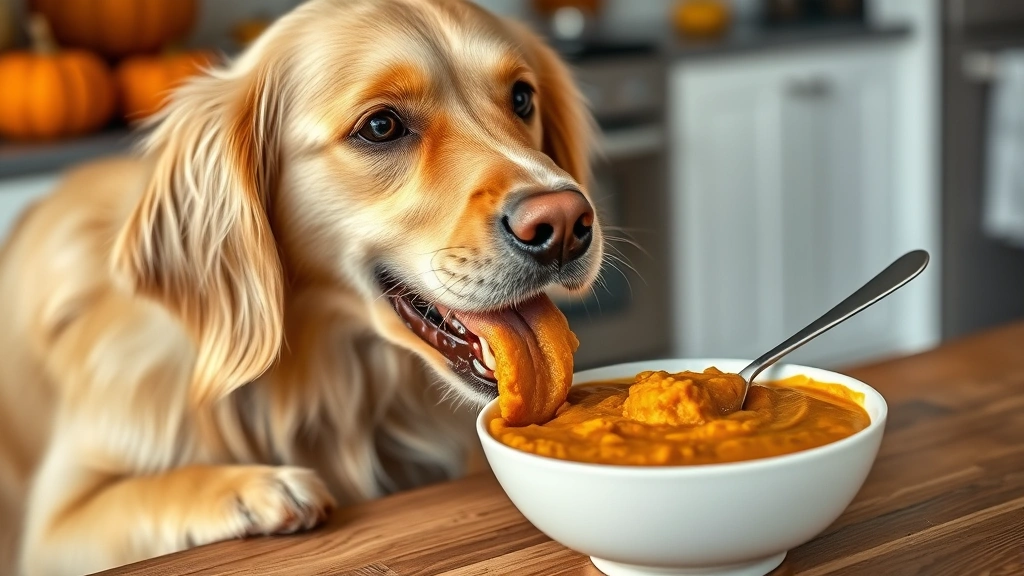
You can mix prepared pumpkin directly into your dog’s regular food, offer it as a standalone treat, or freeze it in ice cube trays for a refreshing summer treat. Frozen pumpkin cubes are particularly appealing to dogs and can help with teething in puppies. Plain canned pumpkin (not pie filling) is also convenient, though fresh pumpkin offers more nutritional value.
FAQ
Can puppies eat pumpkin guts?
Yes, puppies can safely eat pumpkin guts in appropriate portions. Start with very small amounts (about half a teaspoon) to ensure their developing digestive systems tolerate it well. Cooked pumpkin is preferable for puppies, and avoid any choking hazards like whole seeds. Pumpkin can be particularly helpful for puppies experiencing mild digestive upset during dietary transitions.
Is canned pumpkin the same as fresh pumpkin?
Plain canned pumpkin puree is nutritionally similar to fresh cooked pumpkin, though fresh pumpkin may contain slightly more nutrients. The main difference is convenience—canned requires no preparation. However, ensure you’re using plain pumpkin puree, not pumpkin pie filling, which contains added sugars and spices unsuitable for dogs.
Can pumpkin cure dog diarrhea?
Pumpkin can help manage mild diarrhea due to its fiber content, but it’s not a cure. If your dog has diarrhea lasting more than a day or two, or if accompanied by other symptoms, consult your veterinarian. Chronic diarrhea may indicate underlying health issues requiring professional treatment rather than dietary adjustments alone.
How does pumpkin compare to other vegetables like broccoli?
Both pumpkin and broccoli are safe for dogs, but they offer different nutritional profiles. Pumpkin is higher in vitamin A and fiber, making it excellent for digestive health. Broccoli contains more vitamin C and compounds with anti-cancer properties. Including both in your dog’s diet provides complementary nutritional benefits. Similarly, corn and carrots each offer unique advantages when incorporated appropriately.
Are there vegetables dogs should definitely avoid?
Yes, several vegetables are toxic to dogs and should never be offered. Onions and garlic contain compounds that damage red blood cells, grapes and raisins can cause kidney failure, and mushrooms (particularly wild varieties) can cause serious poisoning. Always research unfamiliar foods before offering them to your dog.
Can senior dogs eat pumpkin guts?
Senior dogs can safely eat pumpkin guts and may particularly benefit from them. The fiber supports digestive health, which sometimes declines with age. Cooked, mashed pumpkin is ideal for senior dogs with dental issues or sensitive stomachs. The anti-inflammatory compounds may also help with age-related joint discomfort.
What’s the best way to introduce pumpkin to my dog’s diet?
Start by offering a very small amount—about a teaspoon for small dogs or a tablespoon for larger dogs—mixed into their regular food. Wait 24-48 hours to observe for any digestive upset. If your dog tolerates it well, gradually increase to the recommended serving size over one to two weeks. This gradual introduction minimizes the risk of gastrointestinal distress.