Is Ramen Safe for Dogs? Expert Advice on Noodles and Pet Health
Ramen is a beloved comfort food for millions of people worldwide, but as a dog owner, you might wonder whether it’s safe to share this quick meal with your furry friend. The short answer is: plain, cooked ramen noodles in small amounts are generally safe for dogs, but most ramen products contain ingredients that make them unsuitable for regular consumption. Understanding what makes ramen problematic and how to keep your dog safe requires diving into the specifics of ingredients, sodium content, and nutritional value.
Whether you’re enjoying a late-night bowl of instant ramen or cooking up a homemade batch, it’s crucial to know what your dog can and cannot eat. Many ramen varieties contain seasonings, broths, and additives that can upset your dog’s stomach or pose serious health risks. This guide will help you make informed decisions about feeding ramen to your beloved pet.
Can Dogs Eat Plain Ramen?
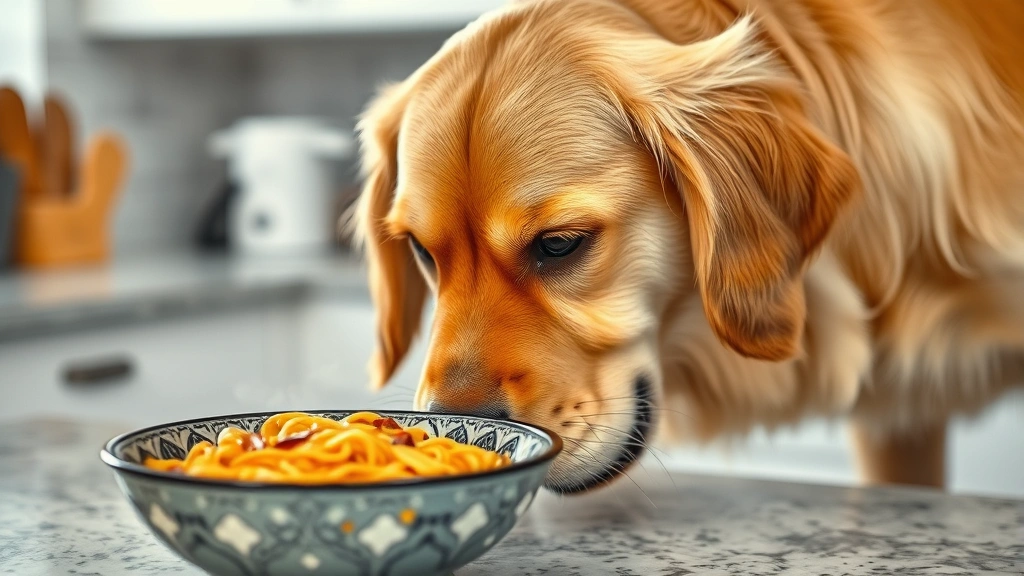
If your dog accidentally gets into plain, unseasoned, cooked ramen noodles without any broth or seasoning packets, they will likely be fine. Plain ramen noodles are essentially just wheat flour and water formed into noodles, which are not toxic to dogs. However, this doesn’t mean ramen is a good food choice for your pet.
Plain cooked noodles lack nutritional value for dogs and offer no health benefits. They’re primarily empty carbohydrates that can contribute to weight gain without providing the proteins, healthy fats, and micronutrients dogs need. If your dog eats a small amount of plain ramen by accident, monitor them for any signs of digestive upset, but don’t panic—it’s not an emergency situation.
The real concern with ramen comes from everything else that typically accompanies it: the seasoning packets, broth, oils, and various additives found in commercial ramen products.
Ramen Ingredients and Health Risks
Most commercially available ramen products contain several ingredients that are problematic for dogs. Let’s break down what makes typical ramen unsafe:
- Sodium/Salt: The primary concern in ramen is its extremely high sodium content. A single packet of instant ramen can contain 800-1,000 mg of sodium, which is excessive for most dogs.
- Garlic and Onions: Many ramen broths and seasoning packets contain garlic and onion powder. Both are toxic to dogs and can damage their red blood cells, leading to hemolytic anemia.
- MSG (Monosodium Glutamate): This flavor enhancer is common in instant ramen and can cause digestive upset in sensitive dogs.
- Artificial Preservatives: BHA, BHT, and other preservatives found in some ramen products can be harmful to dogs with repeated exposure.
- Spices and Peppers: Chili powder, cayenne, and other spices can irritate your dog’s stomach and digestive tract.
When considering what vegetables might be in ramen broth, items like broccoli or carrots are actually dog-safe vegetables. However, when they’re cooked in a high-sodium ramen broth, they lose their nutritional benefits and become part of an unhealthy meal.
Sodium Content and Heart Health
Sodium is one of the most dangerous aspects of ramen for dogs. The American Heart Association recommends that an average adult dog consume no more than 100 mg of sodium per day, depending on their size and health status. A single serving of instant ramen can exceed this daily recommendation by 8-10 times.
Excessive sodium intake in dogs can lead to:
- Increased thirst and urination
- High blood pressure
- Kidney damage over time
- Heart problems
- Electrolyte imbalances
- Tremors and seizures in severe cases
Dogs with pre-existing health conditions—particularly those with heart disease, kidney disease, or hypertension—are at even greater risk from high-sodium foods. Senior dogs and certain breeds prone to heart issues should never be given ramen.
If your dog regularly consumes high-sodium foods like ramen, they may develop chronic health problems that require expensive veterinary treatment. Prevention is always better than cure when it comes to your pet’s nutrition.
Why Seasoning Packets Are Dangerous
The seasoning packets that come with instant ramen are the biggest culprit when it comes to dog safety. These tiny packets pack an enormous amount of sodium and potentially toxic ingredients into a small space.
The primary dangers include:
- Garlic and Onion Powder: These are often listed as ingredients in ramen seasoning packets. Both contain thiosulfates, which damage canine red blood cells and cause hemolytic anemia. Even small amounts can be problematic, and the risk increases with repeated exposure.
- Extreme Sodium Concentration: The seasoning packet alone can contain 50-70% of the total sodium content.
- Hidden Ingredients: Some seasoning packets contain ingredients that aren’t clearly labeled, making it difficult to know exactly what your dog is consuming.
If your dog accidentally ingests a seasoning packet, contact your veterinarian immediately. While a single packet is unlikely to cause serious harm in a large dog, smaller dogs or dogs with existing health conditions could experience adverse effects.
It’s worth noting that ramen broths often contain ingredients similar to those found in other foods. For instance, if you’re concerned about ramen ingredients, you should also be cautious about foods containing onions or garlic compounds. Additionally, some ramen varieties may include mushrooms, which can be either safe or dangerous depending on the type.
Even seemingly innocent ramen additions like corn are usually safe for dogs individually, but in the context of a high-sodium ramen dish, they contribute to an overall unhealthy meal.
Safe Alternatives to Ramen
If you’re looking for quick, satisfying meals that you can safely share with your dog, consider these alternatives:
- Plain Cooked Chicken: Boiled or grilled chicken breast without seasoning is excellent for dogs and can be prepared in minutes. It’s protein-rich and helps support muscle development.
- Plain Sweet Potatoes: These are nutrient-dense and safe for dogs. You can boil or bake them and cut them into appropriate sizes for your pet.
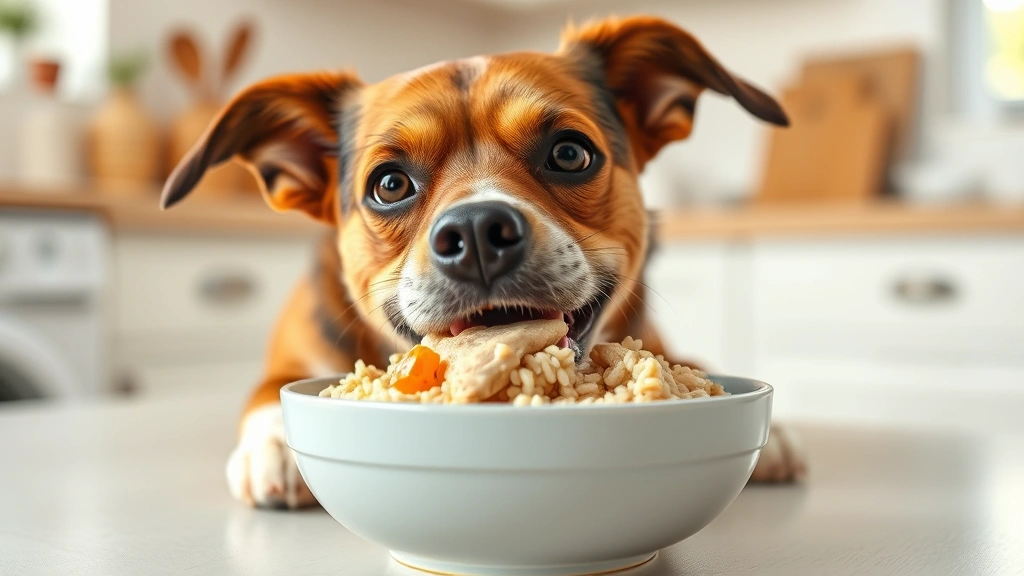
- Plain Rice and Vegetables: Cook plain rice with dog-safe vegetables like pumpkin, green beans, or carrots. This makes a filling, healthy meal.
- Dog-Safe Broths: Low-sodium, dog-specific broths are available commercially and can be served over plain noodles or rice.
- Homemade Dog Noodle Bowls: Make your own noodle dishes using plain pasta, unseasoned broth, and dog-safe ingredients.
- Commercial Dog Food: High-quality dog food is formulated to meet all your pet’s nutritional needs and is always the safest choice.
Creating meals for your dog doesn’t require much effort, and homemade options allow you to control exactly what your pet consumes. Many dogs enjoy the ritual of eating with their owners, and offering them their own healthy version of your meal can be a wonderful bonding experience.
What to Do If Your Dog Eats Ramen
Accidents happen, and your dog might eat ramen when you’re not looking. Here’s what you should do:
- Stay Calm: A small amount of plain ramen is unlikely to cause serious harm, especially in larger dogs. Panicking won’t help your pet.
- Assess What Was Eaten: Try to determine what type of ramen your dog consumed. Was it plain noodles, or did they eat broth and seasoning packets too? How much did they consume?
- Monitor for Symptoms: Watch for signs of digestive upset, including vomiting, diarrhea, excessive drooling, or lethargy. Also watch for signs of onion or garlic toxicity, which include weakness, vomiting, and pale gums.
- Contact Your Veterinarian: If your dog consumed a seasoning packet, or if they’re showing any symptoms, call your vet immediately. Be honest about what and how much they ate.
- Provide Water: Ensure your dog has access to fresh water, as ramen can increase thirst due to its high sodium content.
- Avoid Inducing Vomiting: Don’t try to make your dog vomit unless specifically instructed by your veterinarian.
For professional guidance on pet poisoning and toxic substances, the ASPCA Animal Poison Control Center is an excellent resource available 24/7.
Prevention is always better than treatment. Keep ramen packets stored securely where your dog cannot access them, and never leave bowls of ramen unattended around your pet.
FAQ
Can dogs eat ramen noodles without seasoning?
Plain, cooked ramen noodles without any seasoning, broth, or additives are not toxic to dogs. However, they offer no nutritional value and are just empty carbohydrates. An occasional small amount won’t hurt, but they shouldn’t be a regular part of your dog’s diet. Plain cooked rice or sweet potatoes are much better alternatives.
What if my dog ate instant ramen with seasoning?
If your dog ate instant ramen with the seasoning packet, monitor them closely for signs of illness, particularly if they consumed garlic or onion powder. Contact your veterinarian, especially if your dog is small, young, old, or has pre-existing health conditions. Symptoms to watch for include vomiting, diarrhea, weakness, and pale gums.
Is ramen broth safe for dogs?
Most ramen broths are not safe for dogs due to their extremely high sodium content and potential for containing garlic, onion, or other harmful ingredients. The sodium alone can cause serious health problems with regular consumption. Stick to AAFCO-approved commercial dog foods or consult your veterinarian about appropriate homemade meal options.
Can small dogs eat ramen?
Small dogs are at greater risk from ramen’s high sodium content and potentially toxic ingredients. Their smaller body size means that even small amounts of harmful substances have a more concentrated effect. Never intentionally feed ramen to small breeds, and be especially vigilant about preventing accidental ingestion.
What are symptoms of ramen toxicity in dogs?
Symptoms can include vomiting, diarrhea, excessive thirst, increased urination, lethargy, tremors, loss of appetite, and in severe cases, seizures or collapse. If your dog shows any of these symptoms after consuming ramen, seek veterinary care immediately.
Are there dog-safe ramen alternatives I can make at home?
Absolutely! You can make dog-safe noodle bowls using plain pasta, low-sodium chicken or vegetable broth, and dog-safe ingredients like plain cooked chicken, carrots, green beans, or pumpkin. Always avoid garlic, onions, excessive salt, and spices. Your veterinarian can provide specific recipe recommendations based on your dog’s dietary needs.
How much sodium is too much for my dog?
The recommended daily sodium intake for an average adult dog is approximately 100-200 mg, depending on size and health status. A single packet of instant ramen contains 800-1,000 mg of sodium, making it far too high for safe consumption. Dogs with heart, kidney, or blood pressure issues require even lower sodium intake. Consult your veterinarian about appropriate sodium levels for your specific dog.
Should I ever give my dog ramen?
No, there’s no good reason to intentionally give your dog ramen. There are many safer, more nutritious alternatives that dogs enjoy just as much. Why risk your pet’s health when better options are readily available? Focus on balanced nutrition from appropriate dog foods instead.