

As pet owners, we constantly seek ways to share healthy treats with our beloved canine companions. When it comes to vegetables, broccoli often tops the list of nutritious options we consider. But the question remains: can dogs safely enjoy raw broccoli as a snack?
The short answer is yes, dogs can eat raw broccoli in moderation. This cruciferous vegetable offers numerous health benefits for our furry friends, including essential vitamins, minerals, and antioxidants. However, like many human foods, there are important considerations and precautions to keep in mind before adding raw broccoli to your dog’s diet.
Understanding the proper way to serve raw broccoli, appropriate portion sizes, and potential risks will help you make informed decisions about incorporating this nutritious vegetable into your dog’s snacking routine. Let’s explore everything you need to know about sharing this green superfood with your four-legged family member.
Nutritional Benefits of Raw Broccoli for Dogs
Raw broccoli is packed with essential nutrients that can benefit your dog’s overall health and wellbeing. This cruciferous vegetable contains high levels of vitamin C, which supports immune system function and helps with collagen synthesis. Unlike humans, dogs can produce their own vitamin C, but supplemental amounts from natural sources like broccoli can provide additional health benefits.
The vegetable is also rich in vitamin K, which plays a crucial role in blood clotting and bone health. Folate, another important nutrient found in broccoli, supports cellular function and tissue growth. For active dogs or those recovering from illness, these nutrients can be particularly beneficial.
Broccoli contains powerful antioxidants, including beta-carotene and various flavonoids, which help combat free radicals and may reduce the risk of certain diseases. The fiber content in raw broccoli can aid in digestion and help maintain healthy bowel movements, though it’s important to introduce it gradually to avoid digestive upset.
Additionally, broccoli is low in calories and fat, making it an excellent treat option for dogs who need to maintain or lose weight. The American Kennel Club recognizes broccoli as a safe vegetable for dogs when served appropriately.
Safety Considerations and Potential Risks
While raw broccoli is generally safe for dogs, there are several important safety considerations to keep in mind. The most significant concern is the presence of isothiocyanates, naturally occurring compounds found in cruciferous vegetables. In large quantities, these compounds can cause gastric irritation and may lead to digestive issues.
The florets of broccoli contain higher concentrations of isothiocyanates compared to the stalks, so portion control becomes especially important when serving the flowery tops. Some dogs may be more sensitive to these compounds than others, making it essential to start with very small amounts and monitor your dog’s reaction.
Another consideration is the choking hazard that raw broccoli can present, particularly for smaller dogs or those who tend to gulp their food quickly. The firm texture and irregular shape of broccoli pieces can potentially become lodged in a dog’s throat or cause intestinal blockage if swallowed in large chunks.
Dogs with sensitive stomachs or those prone to digestive issues should be introduced to raw broccoli very gradually. The high fiber content, while beneficial in appropriate amounts, can cause gas, bloating, or diarrhea if introduced too quickly or in excessive quantities.
It’s worth noting that while dogs can eat broccoli safely, individual tolerance levels vary significantly between dogs, making careful observation crucial when introducing any new food.
How to Properly Prepare Raw Broccoli for Dogs
Proper preparation of raw broccoli is essential for ensuring your dog’s safety and enjoyment. Start by selecting fresh, organic broccoli when possible, as this reduces exposure to pesticides and chemicals. Thoroughly wash the broccoli under running water, paying special attention to the florets where dirt and debris can easily hide.
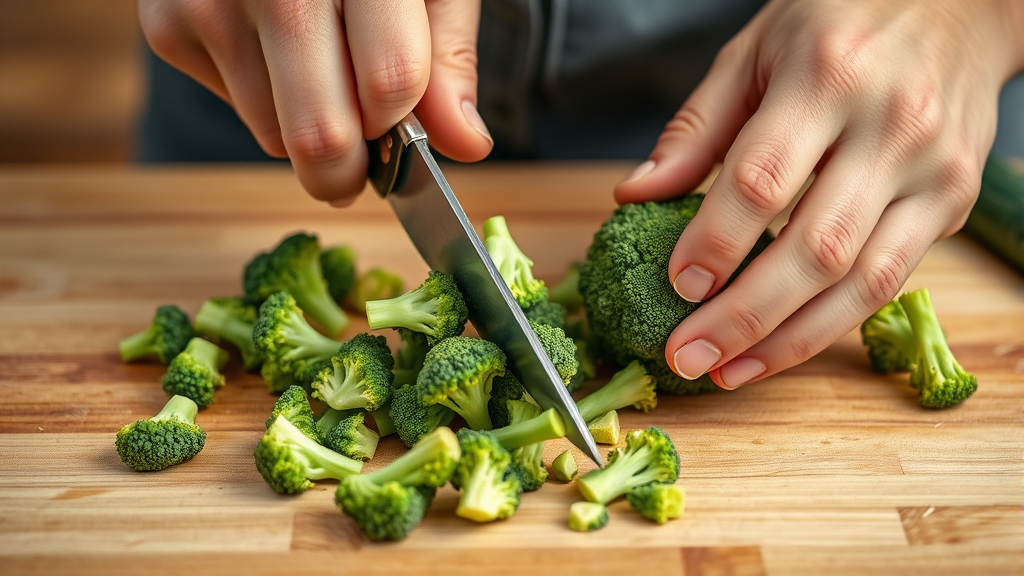
Cut the broccoli into appropriately sized pieces based on your dog’s size. For small dogs, dice the broccoli into tiny pieces no larger than a pea. Medium-sized dogs can handle slightly larger pieces, roughly the size of a blueberry, while large dogs can manage pieces up to the size of a grape. Always err on the side of caution with smaller pieces to prevent choking.
Remove any tough, woody stems that might be difficult for your dog to chew and digest. While the stems are not toxic, they can be harder to break down and may cause digestive discomfort. Focus on using the tender stems and florets for the safest snacking experience.
Consider your dog’s chewing habits and preferences when preparing raw broccoli. Some dogs prefer the crunchier texture of the stems, while others enjoy the softer florets. You can experiment with different cuts and preparations to find what your dog prefers, similar to how you might explore whether dogs can eat cauliflower or other vegetables.
Store prepared broccoli pieces in the refrigerator and use them within 2-3 days for optimal freshness and safety. Never leave raw broccoli out at room temperature for extended periods, as bacteria can multiply quickly on cut vegetables.
Portion Guidelines and Serving Recommendations
The key to safely feeding raw broccoli to your dog lies in appropriate portion control. The general rule of thumb is that treats, including vegetables like broccoli, should not exceed 10% of your dog’s daily caloric intake. For most dogs, this translates to just a few small pieces of raw broccoli per day.
Small dogs (under 20 pounds) should receive no more than 1-2 small florets or equivalent stem pieces per day. Medium dogs (20-50 pounds) can safely enjoy 2-3 pieces, while large dogs (over 50 pounds) may have up to 4-5 small pieces. These portions should be spread throughout the day rather than given all at once.
When first introducing raw broccoli, start with even smaller amounts – perhaps half a floret for small dogs or one floret for larger dogs. Monitor your pet for 24-48 hours after the initial serving to ensure they don’t experience any adverse reactions such as gas, bloating, or changes in bowel movements.
Frequency is just as important as portion size. Raw broccoli should be considered an occasional treat rather than a daily staple. Offering it 2-3 times per week is generally appropriate for most dogs, allowing their digestive system time to process the vegetable between servings.
Remember that every dog is unique, and factors such as age, size, activity level, and overall health status can influence appropriate serving sizes. Senior dogs or those with compromised digestive systems may need smaller portions or less frequent servings. The American Veterinary Medical Association emphasizes the importance of maintaining a balanced diet for optimal canine health.
Alternative Vegetable Snacks for Dogs
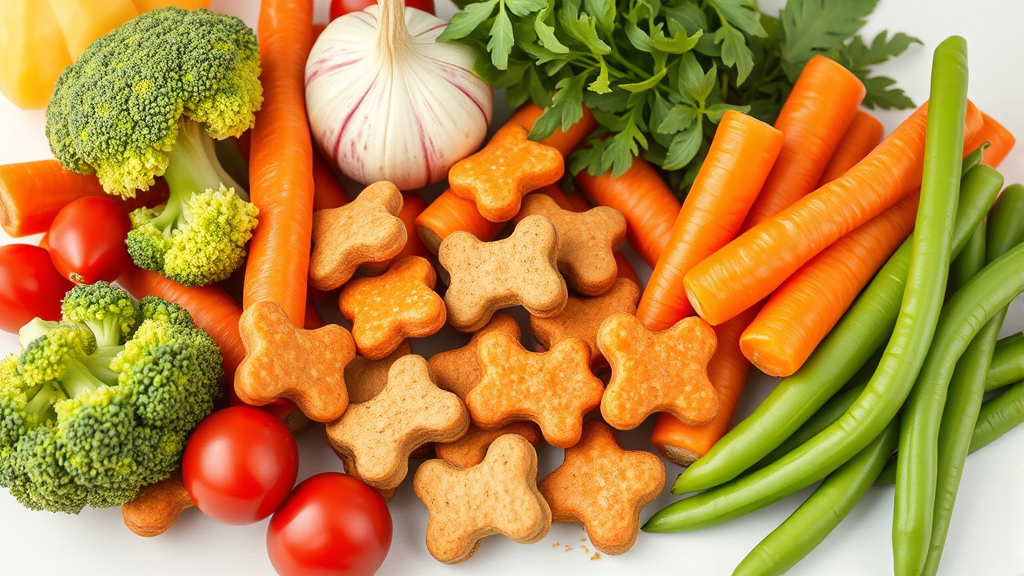
While raw broccoli can be a healthy treat option, it’s beneficial to offer variety in your dog’s vegetable snacks. Several other vegetables provide similar nutritional benefits and can be rotated with broccoli to keep your dog’s diet interesting and well-rounded.
Carrots are an excellent alternative, offering beta-carotene and a satisfying crunch that many dogs love. When considering whether carrots are good for dogs, the answer is a resounding yes, as they’re low in calories and high in fiber and vitamins.
Green beans provide similar benefits to broccoli, including fiber, vitamins, and minerals, while being gentler on sensitive stomachs. They can be served raw and are naturally low in calories, making them ideal for weight management.
Cucumber slices offer hydration along with nutrients and have a mild flavor that appeals to many dogs. Learning about whether dogs can eat cucumbers reveals another safe, refreshing snack option, especially during warmer weather.
Brussels sprouts, when served in moderation, provide many of the same cruciferous vegetable benefits as broccoli. However, like broccoli, understanding whether dogs can eat Brussels sprouts requires attention to portion control due to their potential to cause gas.
Zucchini is another versatile option that’s easy to digest and can be served raw or lightly steamed. Exploring whether dogs can eat zucchini opens up possibilities for a mild, nutritious treat that’s perfect for dogs with sensitive stomachs.
The FDA’s Center for Veterinary Medicine provides guidelines on maintaining proper nutrition for dogs, emphasizing the importance of variety and moderation in treat selection.
Warning Signs and When to Consult Your Vet
While most dogs can safely enjoy raw broccoli in appropriate amounts, it’s crucial to know what warning signs to watch for that might indicate a problem. Monitoring your dog after introducing any new food helps ensure their safety and wellbeing.
Digestive upset is the most common issue associated with feeding raw broccoli to dogs. Watch for symptoms such as excessive gas, bloating, diarrhea, vomiting, or loss of appetite. These symptoms typically appear within 6-24 hours after consumption and may indicate that your dog has consumed too much or is particularly sensitive to cruciferous vegetables.
Changes in bowel movements, including constipation or unusually loose stools, can signal digestive irritation. While some changes might be normal as your dog’s system adjusts to a new food, persistent issues warrant veterinary attention.
Behavioral changes such as lethargy, restlessness, or signs of abdominal discomfort (such as a hunched posture or reluctance to move) should be taken seriously. These symptoms could indicate more serious digestive issues or blockages.
If your dog shows any signs of choking, difficulty swallowing, or excessive drooling after eating raw broccoli, seek immediate veterinary care. These symptoms could indicate that a piece has become lodged in their throat or esophagus.
Contact your veterinarian if symptoms persist for more than 24 hours, worsen over time, or if you’re concerned about your dog’s reaction to raw broccoli. The ASPCA’s Animal Poison Control Center can also provide guidance if you suspect your dog has consumed too much broccoli or is experiencing severe symptoms.
Dogs with pre-existing health conditions, particularly those affecting digestion or metabolism, should have new foods like raw broccoli approved by their veterinarian before introduction. This is especially important for dogs on special diets or medication regimens.
Frequently Asked Questions
How much raw broccoli can I safely give my dog?
The amount of raw broccoli safe for your dog depends on their size and individual tolerance. Small dogs should receive no more than 1-2 small pieces daily, medium dogs can have 2-3 pieces, and large dogs may enjoy up to 4-5 small pieces. Always start with smaller amounts and monitor your dog’s reaction. Remember that treats should not exceed 10% of your dog’s daily caloric intake.
Is raw broccoli better than cooked broccoli for dogs?
Both raw and cooked broccoli can be safe for dogs, but each has advantages. Raw broccoli retains more vitamin C and provides a satisfying crunch that many dogs enjoy. However, lightly steamed broccoli may be easier to digest for dogs with sensitive stomachs. Avoid seasoning or adding oils when cooking broccoli for dogs. Whether raw or cooked, moderation is key.
Can puppies eat raw broccoli?
Puppies can eat raw broccoli, but extra caution is needed due to their developing digestive systems. Start with tiny amounts (smaller than what you’d give an adult dog) and watch carefully for any signs of digestive upset. Puppies under 12 weeks should focus primarily on their mother’s milk or puppy formula, with solid treats introduced gradually under veterinary guidance.
What should I do if my dog ate too much raw broccoli?
If your dog consumed excessive amounts of raw broccoli, monitor them closely for signs of digestive distress such as gas, bloating, vomiting, or diarrhea. Ensure they have access to fresh water and withhold food for a few hours if vomiting occurs. Contact your veterinarian if symptoms are severe, persist longer than 24 hours, or if you’re concerned about your dog’s condition.
Can dogs with sensitive stomachs eat raw broccoli?
Dogs with sensitive stomachs can potentially enjoy raw broccoli, but extra precaution is necessary. Start with very small amounts and introduce it slowly over several weeks. Consider lightly steaming the broccoli to make it easier to digest, and always consult with your veterinarian before adding new foods to a sensitive dog’s diet. Some dogs may tolerate other vegetables better.
Are broccoli stems safe for dogs to eat raw?
Broccoli stems are safe for dogs when properly prepared, but they should be tender stems rather than tough, woody ones. Cut stems into appropriate sizes for your dog and remove any particularly fibrous or hard portions that might be difficult to digest or pose a choking hazard. The stems actually contain fewer isothiocyanates than the florets, potentially making them gentler on sensitive stomachs.
How often can I give my dog raw broccoli as a treat?
Raw broccoli should be offered as an occasional treat, typically 2-3 times per week at most. This frequency allows your dog to enjoy the nutritional benefits without overwhelming their digestive system. Rotate broccoli with other safe vegetables to provide variety and ensure a well-rounded treat selection. Always maintain the 10% rule for treats in your dog’s overall diet.





