
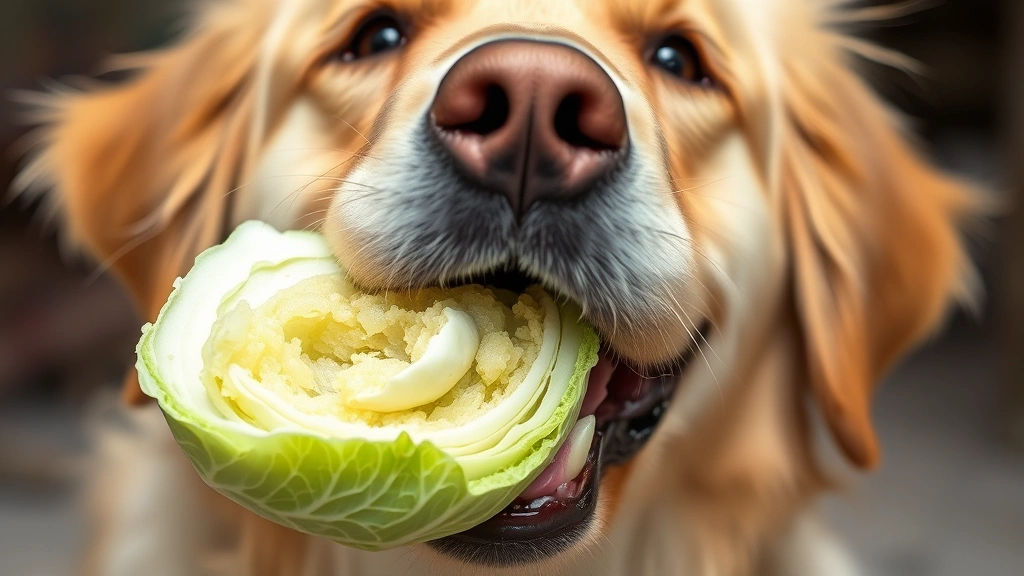
Can Dogs Eat Raw Cabbage? Safety and Benefits
If you’re a dog parent who loves sharing your garden bounty with your furry best friend, you’ve probably wondered: can dogs eat raw cabbage? The answer is a resounding yes! Raw cabbage is not only safe for dogs, but it can also offer some surprising nutritional benefits when served properly. Whether you’re looking to add a crunchy treat to your pup’s diet or searching for healthy veggie alternatives, cabbage might just become your new go-to snack.
But before you start tossing whole heads of cabbage into your dog’s bowl, there are some important things you need to know. Like most human foods, moderation is key, and preparation matters. In this comprehensive guide, we’ll explore everything you need to know about feeding cabbage to your canine companion—from safety considerations to portion sizes and creative serving ideas.
Your dog’s health and happiness are paramount, so let’s dig into whether this humble cruciferous vegetable deserves a spot in your pup’s diet.
Is Raw Cabbage Safe for Dogs?
The short answer is yes—raw cabbage is completely safe for dogs in appropriate quantities. Unlike some vegetables that require cooking to remove harmful compounds, cabbage can be safely consumed raw by our four-legged friends. Dogs have been eating vegetation in the wild for thousands of years, and cabbage, being a natural plant, poses no inherent toxicity concerns.
According to the American Kennel Club, many common vegetables are safe for dogs when offered as occasional treats. Cabbage falls squarely into this category. The vegetable doesn’t contain any toxic compounds that would harm your pup, making it a worry-free addition to their treat rotation.
However, safety goes beyond just toxicity. The way you prepare and portion cabbage matters significantly. Raw cabbage should be chopped into bite-sized pieces to prevent choking hazards, especially for smaller breeds or enthusiastic eaters. The preparation process is just as important as the ingredient itself when it comes to keeping your dog healthy and safe.
Nutritional Benefits of Cabbage
Raw cabbage is packed with nutrients that can contribute positively to your dog’s overall health. This humble vegetable is low in calories but rich in vitamins, minerals, and fiber—making it an excellent choice for dogs watching their waistline or needing digestive support.
Here are the key nutritional benefits:
- Vitamin C: Supports immune function and acts as an antioxidant, helping protect your dog’s cells from damage
- Vitamin K: Essential for blood clotting and bone metabolism
- Fiber: Promotes healthy digestion and can help maintain consistent bowel movements
- Antioxidants: Help combat free radicals and may reduce inflammation in aging dogs
- Low calorie: Perfect for weight management—raw cabbage contains about 22 calories per cup
- Potassium: Important for heart health and muscle function
The combination of these nutrients makes cabbage particularly beneficial for dogs on restricted diets or those needing supplemental vegetables. Many pet owners find that adding cabbage to their dog’s meal can provide nutritional variety without significantly impacting calorie intake.
If you’re interested in exploring other healthy vegetable options, you might also want to learn whether dogs can eat broccoli or discover the benefits of carrots as nutritious dog treats.
How to Prepare Cabbage for Your Dog
Preparation is crucial when introducing any new food to your dog’s diet. While cabbage is safe raw, the way you prepare it can significantly impact your dog’s safety and enjoyment. Here’s a step-by-step guide to preparing cabbage for your canine companion:
- Choose fresh cabbage: Select a head of cabbage that’s firm and free from wilting or brown spots. Both green and red cabbage are equally safe for dogs.
- Wash thoroughly: Rinse the cabbage under running water to remove any dirt, pesticides, or residue. Use your hands to gently rub the leaves clean.
- Remove outer leaves: Discard the tough outer leaves, as they can be difficult for dogs to chew and digest.
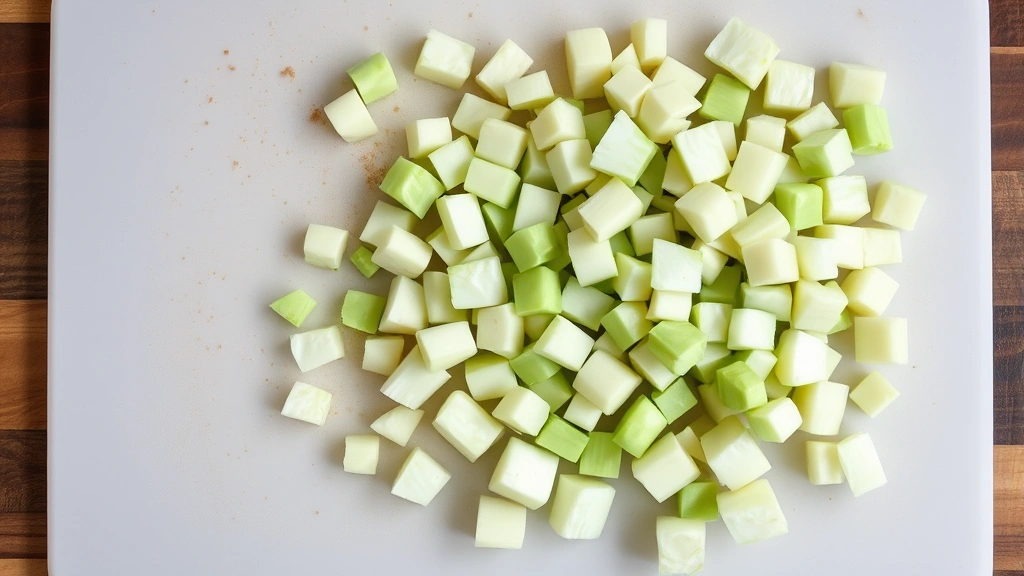
- Chop into appropriate sizes: Cut the cabbage into small, bite-sized pieces. For small breeds, aim for pieces no larger than a pea; for larger dogs, pieces about the size of a grape work well.
- Remove the core: The dense core can be a choking hazard, so discard it entirely.
- Serve plain: Never add seasonings, salt, garlic, onions, or oil. Keep it completely plain to avoid digestive upset.
Some dog owners prefer to lightly steam cabbage for easier digestion, especially for dogs with sensitive stomachs. If you choose to cook it, do so without any seasonings and allow it to cool completely before serving. However, raw cabbage offers slightly more nutritional value since cooking can diminish some vitamins.
Portion Guidelines and Frequency
While cabbage is safe and nutritious, it should be offered as an occasional treat, not a dietary staple. The general rule of thumb is that treats should comprise no more than 10% of your dog’s daily caloric intake, with the remaining 90% coming from their regular, balanced dog food.
Here are recommended portion guidelines based on dog size:
- Small dogs (under 20 lbs): 1-2 tablespoons of chopped cabbage, 2-3 times per week
- Medium dogs (20-50 lbs): ¼ to ½ cup of chopped cabbage, 2-3 times per week
- Large dogs (over 50 lbs): ½ to 1 cup of chopped cabbage, 2-3 times per week
When introducing cabbage for the first time, start with a very small amount and monitor your dog for any adverse reactions over the next 24-48 hours. Some dogs may have sensitive stomachs that react to new vegetables, so a gradual introduction is always wise.
If you’re incorporating multiple vegetables into your dog’s diet, remember to account for all treats collectively. For example, if you’re also giving your dog spinach or other leafy greens, reduce cabbage portions accordingly to maintain the 10% treat threshold.
Potential Risks and Precautions
While cabbage is generally safe, certain situations warrant extra caution. Understanding potential risks helps you make informed decisions about your dog’s diet.
Digestive Issues: Raw cabbage contains compounds called thiocyanates that, in very large quantities, can interfere with iodine absorption. However, the amounts your dog would need to consume to experience problems are unrealistically high. Still, if your dog has thyroid issues, consult your veterinarian before adding cabbage to their diet regularly.
Gas and Bloating: Cabbage contains fiber and sulfur compounds that can cause gas in some dogs. If your pup is prone to digestive upset or has a history of diarrhea or digestive sensitivity, introduce cabbage very gradually and in small amounts.
Choking Hazard: Large, uncut pieces of cabbage can pose a choking risk, particularly for dogs that don’t chew thoroughly before swallowing. Always cut cabbage into appropriate sizes for your dog’s breed and eating habits.
Cooked Cabbage with Seasonings: Never offer your dog cooked cabbage that contains garlic, onions, salt, or oil. These additions can cause serious health problems—garlic and onions are particularly toxic to dogs.
If your dog experiences vomiting, diarrhea, or unusual lethargy after consuming cabbage, contact your veterinarian. According to the ASPCA Animal Poison Control Center, while cabbage isn’t toxic, individual dogs may have sensitivities worth investigating.
Creative Serving Ideas
Once you’ve confirmed your dog enjoys cabbage, there are numerous creative ways to incorporate it into their routine. These serving ideas keep mealtime interesting while providing nutritional benefits.
Frozen Cabbage Treats: Chop cabbage into bite-sized pieces, freeze them on a baking sheet, and store in a freezer bag. These make refreshing treats on hot summer days and can help soothe sore gums in teething puppies.
Cabbage and Carrot Mix: Combine chopped cabbage with dog-safe carrots for a crunchy vegetable medley. The combination provides varied textures and complementary nutrients.
Mixed into Meals: Sprinkle small amounts of chopped cabbage on top of your dog’s regular kibble or wet food to add volume and nutrition without significantly increasing calories.
Stuffed Kong Toy: Mix chopped cabbage with plain Greek yogurt and freeze it in a Kong toy for an engaging, long-lasting treat that promotes mental stimulation.
Dehydrated Cabbage Chips: For a crunchy treat similar to commercial dog treats, dehydrate thin cabbage slices in a low oven until crispy. Store in an airtight container.
Cabbage Broth: Simmer plain cabbage in water (no seasonings) to create a nutrient-rich broth you can pour over kibble or serve as a light meal addition.
Similar Vegetables Your Dog Can Enjoy
If your dog enjoys cabbage, they’ll likely appreciate other cruciferous and leafy vegetables as well. These alternatives offer similar nutritional profiles and can help create variety in your dog’s treat rotation.
You might explore whether cauliflower is safe for dogs or investigate raw broccoli as a crunchy treat option. Both vegetables offer similar benefits to cabbage when served appropriately.
Other dog-safe vegetables include:
- Green beans (fresh or frozen, unsalted)
- Pumpkin (plain, cooked, or canned without added sugars)
- Sweet potato (cooked, in moderation)
- Cucumber (refreshing and hydrating)
- Zucchini (low-calorie and easily digestible)
- Bell peppers (red, yellow, or orange—never green)
- Asparagus (chopped into small pieces)
When introducing any new vegetable, follow the same gradual introduction protocol: start small, monitor for reactions, and maintain appropriate portion sizes. Every dog is unique, and what works wonderfully for one pup might not suit another.
Frequently Asked Questions
Can puppies eat raw cabbage?
Yes, puppies can eat raw cabbage, but introduce it even more gradually than with adult dogs. Young puppies have developing digestive systems and may be more sensitive to new foods. Start with just a tiny piece and monitor closely. Always ensure pieces are appropriately sized for their small mouths to prevent choking.
Is red cabbage better than green cabbage for dogs?
Both red and green cabbage are equally safe for dogs. Red cabbage contains slightly higher levels of anthocyanins (powerful antioxidants), while green cabbage has marginally more fiber. Choose whichever variety your dog prefers—the nutritional differences are negligible.
Can dogs eat cooked cabbage?
Plain cooked cabbage (without any seasonings, salt, garlic, or onions) is safe for dogs, though raw cabbage retains more nutritional value. If you cook cabbage for your dog, do so without any additives and allow it to cool completely before serving.
How much cabbage is too much?
The 10% treat rule applies to cabbage. For most dogs, consuming more than 1-2 cups per week could cause digestive upset. If your dog eats an unusually large amount of cabbage, monitor for gas, bloating, or diarrhea, and contact your vet if symptoms persist.
Can cabbage help with dog breath?
While cabbage isn’t a substitute for proper dental care, some dog owners report that crunchy vegetables like cabbage may help freshen breath due to their abrasive texture. However, this is anecdotal—regular brushing and professional dental cleanings remain the gold standard for canine oral health.
Is cabbage good for dogs with upset stomachs?
Plain, cooked cabbage might help some dogs with mild digestive issues due to its fiber content and soothing properties. However, if your dog has an upset stomach, consult your veterinarian before introducing new foods. They may recommend specific dietary approaches for your dog’s situation.
Should I remove the cabbage core?
Yes, absolutely. The dense core is difficult for dogs to chew and digest, and it poses a potential choking hazard. Always remove and discard the core before serving cabbage to your dog.
Can dogs eat cabbage juice?
While plain cabbage juice isn’t toxic, it’s not recommended. Concentrated juice lacks the beneficial fiber of whole cabbage and may upset your dog’s stomach. Stick to small pieces of whole, raw cabbage instead.





