
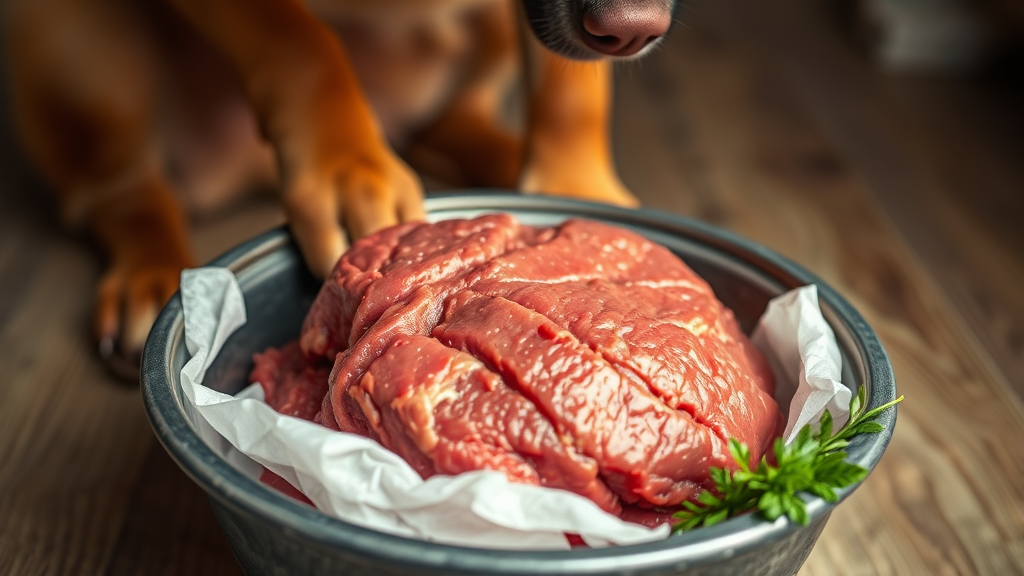
Many dog owners wonder about feeding their pets raw ground beef, especially as raw feeding diets gain popularity. While dogs evolved from wolves and naturally consumed raw meat in the wild, modern domesticated dogs face different risks and considerations when it comes to raw ground beef consumption. Understanding the safety implications, benefits, and potential dangers is crucial for making an informed decision about your dog’s diet.
Raw ground beef presents unique challenges compared to whole cuts of meat due to its processing method and increased surface area exposure to bacteria. Before deciding whether to include raw ground beef in your dog’s diet, it’s essential to weigh the potential benefits against the significant health risks and consider safer alternatives that can provide similar nutritional value.
Nutritional Benefits of Raw Ground Beef
Raw ground beef contains high-quality protein that provides essential amino acids necessary for your dog’s muscle development, immune system function, and overall health. The protein content in raw beef is typically around 20-25%, making it a concentrated source of this vital macronutrient. Unlike processed dog foods, raw ground beef retains all its natural enzymes and nutrients that might be destroyed during cooking processes.
The fat content in ground beef supplies energy and supports the absorption of fat-soluble vitamins A, D, E, and K. Raw ground beef also contains important B-vitamins, particularly B12, which is crucial for nervous system function and red blood cell formation. Iron, zinc, and selenium found in raw beef support various metabolic processes and immune function in dogs.
However, it’s important to note that while cooked ground beef can provide similar nutritional benefits with reduced safety risks, the raw form may offer slightly higher bioavailability of certain nutrients. The American Kennel Club acknowledges that some dogs may thrive on raw diets when properly managed, but emphasizes the importance of understanding the associated risks.
Health Risks and Safety Concerns
Raw ground beef poses several significant health risks that pet owners must carefully consider. Unlike whole cuts of meat where bacteria primarily exist on the surface, ground beef has bacteria distributed throughout due to the grinding process. This makes it particularly susceptible to contamination and more dangerous for consumption without proper cooking.
One of the primary concerns is the risk of foodborne illnesses that can affect both dogs and humans in the household. Dogs with compromised immune systems, puppies, senior dogs, or those with underlying health conditions are especially vulnerable to bacterial infections from raw meat consumption.
The grinding process used in commercial ground beef production can introduce contaminants from processing equipment and mix meat from multiple animals, increasing the risk of pathogen exposure. The FDA warns that raw pet food diets can be dangerous for both pets and their owners due to bacterial contamination risks.
Additionally, raw ground beef lacks the balanced nutrition that dogs require for optimal health. Feeding exclusively raw ground beef can lead to nutritional deficiencies over time, as it doesn’t contain adequate amounts of calcium, certain vitamins, and other essential nutrients that dogs need for proper bone development and overall health.
Bacterial Contamination Issues
Ground beef is particularly susceptible to bacterial contamination due to its processing method and large surface area exposure. Common bacterial pathogens found in raw ground beef include Salmonella, E. coli, Campylobacter, and Listeria, all of which can cause serious illness in dogs and potentially spread to human family members.
Salmonella contamination is especially concerning as it can cause severe gastrointestinal symptoms in dogs, including vomiting, diarrhea, fever, and dehydration. Some dogs may become asymptomatic carriers, shedding the bacteria in their feces and potentially infecting other pets or humans in the household.
E. coli contamination, particularly the pathogenic strain O157:H7, can lead to severe complications including kidney damage. While dogs may be more resistant to certain strains than humans, they can still develop serious illness and serve as carriers for human transmission.
The Centers for Disease Control and Prevention emphasizes that raw meat and poultry products for pets can be contaminated with harmful bacteria and recommends cooking meat thoroughly to eliminate these pathogens. Cross-contamination in the kitchen is also a significant concern when handling raw ground beef for pet consumption.
Safe Alternatives to Raw Ground Beef
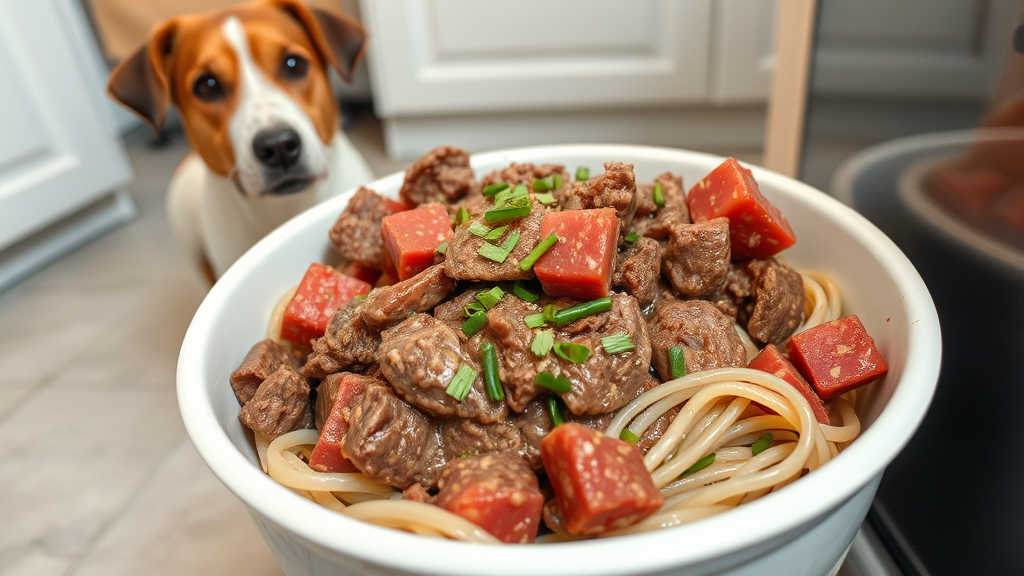
Several safer alternatives can provide similar nutritional benefits without the risks associated with raw ground beef. Cooked ground beef is an excellent option that eliminates bacterial contamination while maintaining most nutritional value. Cooking the meat to an internal temperature of 160°F effectively destroys harmful pathogens while preserving protein and other essential nutrients.
High-quality commercial raw dog foods undergo safety testing and pathogen reduction treatments that significantly reduce contamination risks compared to store-bought raw ground beef. These products are formulated to provide complete and balanced nutrition, unlike plain ground beef.
Other protein alternatives include ground turkey, which offers similar nutritional benefits, or properly prepared chicken that can be safely cooked for dogs. These alternatives provide variety while maintaining food safety standards.
Freeze-dried raw foods offer another compromise, providing the convenience of raw feeding with reduced bacterial contamination risks. These products undergo a dehydration process that eliminates most harmful bacteria while preserving nutritional content.
For dog owners interested in raw feeding, consulting with a veterinary nutritionist can help develop a balanced raw diet plan that includes appropriate supplements and safety protocols. This professional guidance ensures that dogs receive complete nutrition while minimizing health risks.
Proper Preparation and Handling
If you choose to feed raw ground beef despite the risks, proper preparation and handling are crucial for minimizing contamination. Always purchase the freshest ground beef possible from reputable sources, and use it immediately or freeze it for later use. Ground beef should never be left at room temperature for extended periods.
When handling raw ground beef, use separate cutting boards, utensils, and bowls designated specifically for raw meat preparation. Thoroughly wash hands with soap and warm water for at least 20 seconds after handling raw meat. Clean and sanitize all surfaces and equipment that come into contact with the raw meat.
Store raw ground beef in the refrigerator at temperatures below 40°F and use within 1-2 days of purchase. For longer storage, freeze the meat at 0°F or below. When thawing frozen ground beef, do so in the refrigerator rather than at room temperature to prevent bacterial growth.
Consider portion control when feeding raw ground beef to prevent waste and reduce the time the meat spends at unsafe temperatures. The American Veterinary Medical Association provides guidelines for pet owners who choose to feed raw diets, emphasizing the importance of proper food safety practices.
When to Consult Your Veterinarian
Before introducing raw ground beef or any raw diet to your dog, consult with your veterinarian to discuss the potential benefits and risks based on your dog’s individual health status, age, and nutritional needs. Puppies, senior dogs, pregnant or nursing females, and dogs with compromised immune systems may be at higher risk for foodborne illnesses.
Your veterinarian can help assess whether your dog is a good candidate for raw feeding and provide guidance on proper nutrition balance. They may recommend blood work to establish baseline health markers and monitor your dog’s condition if you proceed with raw feeding.
If you notice any signs of illness after feeding raw ground beef, including vomiting, diarrhea, lethargy, loss of appetite, or fever, contact your veterinarian immediately. These symptoms could indicate bacterial infection or other complications related to raw meat consumption.
Regular veterinary check-ups become even more important when feeding raw diets, as your veterinarian can monitor for potential nutritional deficiencies or health issues that may develop over time. Some dogs may not show immediate symptoms of bacterial infection but could develop chronic health problems from repeated exposure to pathogens.
The Humane Society recommends working closely with veterinary professionals when considering alternative feeding methods to ensure your dog’s long-term health and well-being.
Frequently Asked Questions
Can puppies eat raw ground beef?
Puppies should not eat raw ground beef due to their developing immune systems and higher susceptibility to bacterial infections. Puppies require carefully balanced nutrition for proper growth and development, and raw ground beef alone cannot provide this complete nutrition. It’s safer to feed puppies high-quality commercial puppy food or properly cooked meat under veterinary guidance.
How much raw ground beef can I give my dog?
If you choose to feed raw ground beef despite the risks, it should only be given as an occasional treat and never as a complete meal replacement. Generally, treats should not exceed 10% of your dog’s daily caloric intake. However, due to safety concerns, it’s better to opt for safer beef alternatives or properly cooked ground beef instead.
What are the signs of food poisoning in dogs from raw meat?
Signs of food poisoning from raw meat include vomiting, diarrhea (which may be bloody), fever, lethargy, loss of appetite, dehydration, and abdominal pain. Symptoms typically appear within 12-72 hours after consumption. If you observe any of these symptoms, contact your veterinarian immediately as bacterial infections can be serious and require prompt treatment.
Is grass-fed raw ground beef safer than conventional ground beef?
While grass-fed beef may have some nutritional advantages, it still carries the same bacterial contamination risks as conventional ground beef when consumed raw. The grinding process and handling methods pose similar safety concerns regardless of how the cattle were raised. Grass-fed or organic labels do not eliminate the risk of foodborne pathogens.
Can I mix raw ground beef with my dog’s regular kibble?
Mixing raw ground beef with kibble is not recommended due to food safety concerns and potential digestive issues. The combination of raw and processed foods can create an environment conducive to bacterial growth. Additionally, the different digestion rates of raw and processed foods may cause gastrointestinal upset. It’s better to choose one feeding method and stick with it consistently.
Are there any dogs that should never eat raw meat?
Yes, certain dogs should never consume raw meat, including puppies under 6 months, senior dogs with weakened immune systems, pregnant or nursing females, dogs undergoing chemotherapy or immunosuppressive treatments, and dogs with chronic health conditions like diabetes or kidney disease. Dogs in multi-pet households with vulnerable animals or in homes with immunocompromised humans should also avoid raw diets.
What should I do if my dog accidentally ate raw ground beef?
If your dog accidentally consumed a small amount of raw ground beef, monitor them closely for signs of illness over the next 72 hours. Ensure they have access to fresh water and maintain their normal routine. Contact your veterinarian if you notice any symptoms of food poisoning or if your dog consumed a large quantity. Keep other pets and family members away from areas where the dog may defecate, as bacterial shedding is possible.





