

Can Dogs Eat Raw Sweet Potato? The Complete Safety Guide
If you’ve ever caught your furry friend eyeing your sweet potato snack with those irresistible puppy-dog eyes, you’ve probably wondered whether it’s safe to share. Sweet potatoes are packed with nutrients that sound amazing for dogs—fiber, vitamins, and antioxidants galore. But here’s where it gets tricky: the question isn’t just whether dogs can eat sweet potatoes, but specifically whether raw sweet potatoes are safe for your canine companion.
The short answer? Raw sweet potatoes aren’t ideal for most dogs, and we’re going to dive deep into exactly why. While cooked sweet potatoes can be a nutritious treat, raw ones present some potential challenges that every dog owner should understand. Think of this guide as your personal reference manual for keeping your pup safe while still exploring wholesome food options.
Let’s unpack the facts, separate myth from reality, and give you the knowledge to make informed decisions about your dog’s diet. Because when it comes to our four-legged friends, we want to get it right.
Raw vs. Cooked: Understanding the Difference
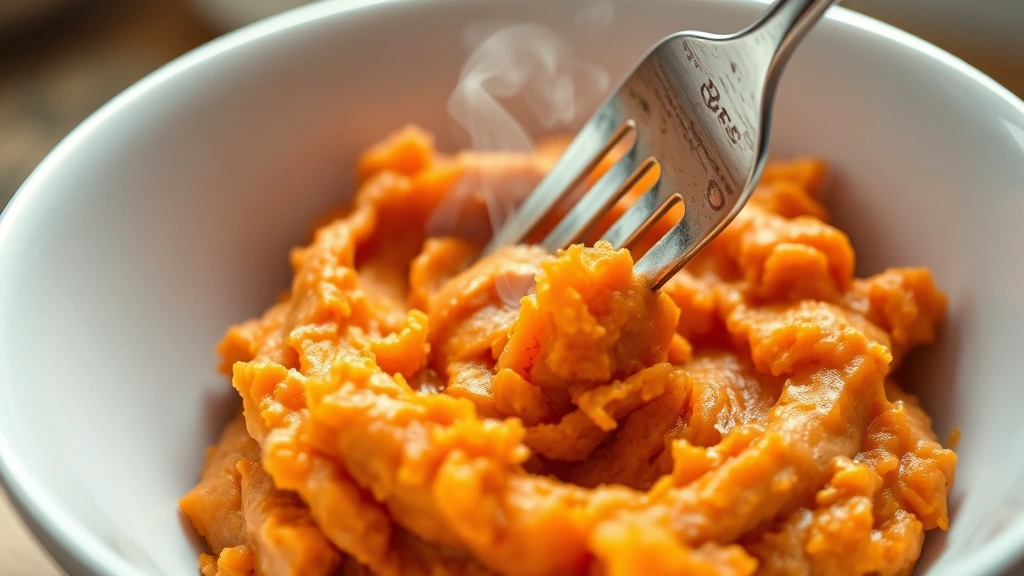
When we talk about sweet potatoes for dogs, preparation method matters tremendously. A raw sweet potato is a hard, starchy vegetable that’s quite different from its cooked counterpart. While dogs can eat sweet potatoes in general, the texture and digestibility of raw versus cooked varieties create distinct nutritional and safety profiles.
Raw sweet potatoes contain high levels of starch that’s difficult for dogs to digest efficiently. The cell walls are intact and tightly packed, meaning your dog’s digestive system has to work significantly harder to break down the nutrients. Cooking breaks down these cell structures, making the nutrients more bioavailable and easier on your pup’s stomach. It’s similar to the difference between raw broccoli and cooked broccoli for dogs—cooking fundamentally changes how digestible the food becomes.
The texture also presents practical concerns. Raw sweet potatoes are dense and firm, which can pose choking hazards for enthusiastic eaters or dogs who don’t chew thoroughly. Cooked sweet potatoes become softer and easier to manage, reducing these risks significantly.
Safety Concerns With Raw Sweet Potatoes
Let’s address the elephant in the room: what makes raw sweet potatoes problematic for dogs? Several legitimate safety concerns should make you think twice before tossing a raw sweet potato chunk to your pup.
Choking Hazard: Raw sweet potatoes are hard and dense. If your dog doesn’t chew properly—and let’s be honest, many dogs are more interested in swallowing than chewing—there’s a legitimate choking risk. Smaller breeds and senior dogs are particularly vulnerable to this danger.
Intestinal Blockage: This is the serious stuff. Large pieces of raw sweet potato can potentially cause intestinal blockage, especially in small breeds. While this is more common with cooked potato pieces, the hardness of raw sweet potatoes makes them more likely to cause problems if they’re not thoroughly chewed.
Difficult Digestion: Raw sweet potatoes are notoriously hard for dogs to digest. The high starch content and resistant fiber can lead to digestive upset, including gas, bloating, and discomfort. Some dogs may experience loose stools or diarrhea as their system struggles to process the raw starch.
Potential Pesticide Residue: Unless you’re using organic sweet potatoes, raw versions may contain pesticide residues. While the levels are typically considered safe for humans, your dog’s smaller body size means they may be more affected by these chemicals. Always wash produce thoroughly if you’re considering offering any raw vegetables.
Enzyme Inhibitors: Raw sweet potatoes contain certain compounds that can interfere with nutrient absorption. Cooking deactivates these compounds, making the nutritional content more accessible to your dog’s body.
How Raw Sweet Potatoes Affect Digestion
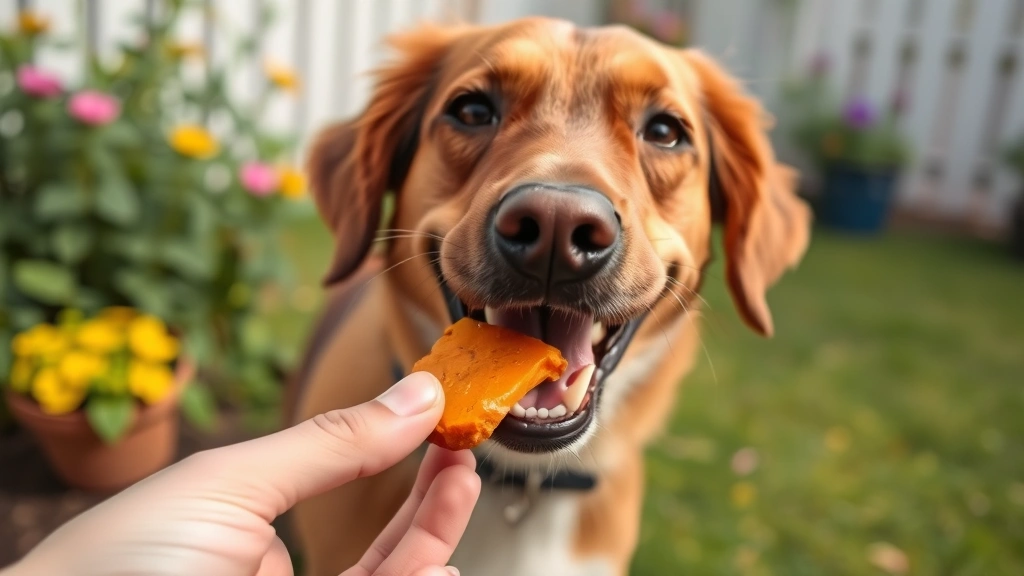
Understanding canine digestion helps explain why raw sweet potatoes aren’t ideal. Dogs have shorter digestive tracts than humans, optimized for processing meat and fat rather than complex carbohydrates. When you introduce raw sweet potatoes—high in resistant starch and fiber—you’re asking your dog’s system to do something it’s not particularly well-equipped to handle efficiently.
The starch in raw sweet potatoes doesn’t break down easily in the stomach and small intestine. Instead, it passes largely undigested into the colon, where gut bacteria ferment it. This fermentation process produces gas and can lead to bloating, flatulence, and general digestive discomfort. If your dog already has a sensitive stomach, raw sweet potatoes could trigger more serious issues.
Additionally, the fiber in raw sweet potatoes, while beneficial in appropriate amounts, can be excessive when consumed raw. Too much fiber too quickly can cause constipation or diarrhea depending on your individual dog. This is why gradual introduction of any new food is essential, and why cooked versions are generally safer—the cooking process makes the fiber more digestible.
Dogs with certain health conditions—like pancreatitis, inflammatory bowel disease, or diabetes—should be especially cautious. The high starch content in raw sweet potatoes could exacerbate these conditions. Always consult your veterinarian before introducing new foods if your dog has any underlying health issues.
Nutritional Benefits of Sweet Potatoes for Dogs
Despite the concerns about raw preparations, sweet potatoes themselves are genuinely nutritious for dogs when prepared properly. They’re rich in vitamins A, C, and B6, plus manganese and potassium. They’re also excellent sources of dietary fiber, which supports healthy digestion when introduced appropriately.
The beta-carotene in sweet potatoes converts to vitamin A in your dog’s body, supporting eye health and immune function. Antioxidants like anthocyanins help fight free radicals and may reduce inflammation. These benefits make sweet potatoes a legitimate superfood option—just not in their raw state for most dogs.
When you cook sweet potatoes for dogs, you unlock these nutritional benefits while making them safe and digestible. The cooking process actually increases the bioavailability of certain nutrients, meaning your dog’s body can absorb and utilize them more effectively.
Sweet potatoes also contain compounds that support gut health and may help with conditions like diarrhea in dogs, though this benefit is maximized with cooked preparations. Some veterinarians even recommend plain cooked sweet potato as part of a bland diet for dogs with digestive upset.
Safe Preparation Methods
So how should you prepare sweet potatoes for your dog? Let’s explore the safest and most nutritious options.
Baking: The gold standard. Wash the sweet potato thoroughly, poke holes with a fork, and bake at 400°F for about 45-60 minutes until soft. Once cooled, you can serve it plain, mashed, or cut into appropriate-sized pieces. No added butter, cinnamon, or sugar—plain is perfect.
Steaming: Another excellent option that preserves more nutrients than boiling. Steam chunks for 15-20 minutes until fork-tender. This method is quicker than baking and still maintains nutritional integrity.
Boiling: While this works, boiling leaches some water-soluble vitamins into the cooking water. If you boil, save the water and mix it back in, or use the cooking liquid in your dog’s regular food.
Freezing: Cooked sweet potato can be frozen in ice cube trays for convenient portion-controlled treats. This is perfect for adding to your dog’s regular meals or serving as a refreshing summer snack.
Never use sweet potatoes with added ingredients like cinnamon, nutmeg, or marshmallows. These common human additions can be harmful to dogs. Also avoid any sweet potato products with added sugars or xylitol, which is toxic to dogs.
If you’re interested in other raw vegetable options, check out whether cooked carrots might work for your pup, or explore whether dogs can eat pumpkin as an alternative nutritious treat.
Proper Serving Guidelines
Even with proper preparation, portion control is crucial. Sweet potatoes are calorie-dense, and excessive amounts can contribute to weight gain. Treats—including sweet potatoes—should comprise no more than 10% of your dog’s daily caloric intake.
Small Dogs (Under 25 lbs): Start with 1-2 teaspoons of cooked sweet potato, 2-3 times per week. Monitor for digestive changes before increasing frequency.
Medium Dogs (25-50 lbs): Begin with 1-2 tablespoons of cooked sweet potato, 2-3 times per week. Adjust based on your dog’s response.
Large Dogs (Over 50 lbs): Start with 2-3 tablespoons of cooked sweet potato, 2-3 times per week. Large dogs can generally handle larger portions, but moderation remains important.
When introducing any new food, follow the 10% rule strictly and introduce gradually. Start with very small amounts and observe your dog for 24-48 hours for any signs of digestive upset. If your dog shows no adverse reactions, you can slowly increase the amount over several weeks.
Some dogs thrive with sweet potato as a regular treat, while others have sensitive systems that prefer sticking to their regular diet. Every dog is unique, so pay attention to your individual pup’s response.
Frequently Asked Questions
Can my dog eat a raw sweet potato if I cut it into tiny pieces?
While smaller pieces reduce choking risk slightly, they don’t address the digestive challenges. Raw sweet potatoes are still difficult for dogs to digest regardless of size. Cooking remains the safer option.
What if my dog accidentally ate raw sweet potato?
Don’t panic. A small amount of raw sweet potato typically won’t cause serious harm, though your dog might experience mild digestive upset. Monitor for vomiting, diarrhea, or constipation over the next 24-48 hours. If symptoms develop or persist, contact your veterinarian.
Is sweet potato better than regular potato for dogs?
Yes. Sweet potatoes are more nutritious than white potatoes, offering more vitamins, minerals, and antioxidants. However, both should be cooked before offering to dogs, and both should be plain without any toppings.
Can puppies eat raw sweet potato?
Puppies should avoid raw sweet potatoes entirely. Their developing digestive systems are even more sensitive than adult dogs’, and the choking hazard is greater. Stick to puppy-appropriate foods and consult your veterinarian before introducing any new foods.
How do I know if my dog is allergic to sweet potato?
Allergic reactions are relatively rare but can include itching, skin irritation, vomiting, or diarrhea. More commonly, digestive sensitivity manifests as loose stools or gas. Introduce sweet potatoes gradually and monitor closely for any adverse reactions.
Can diabetic dogs eat sweet potatoes?
Diabetic dogs should avoid sweet potatoes due to their higher glycemic index and sugar content. Consult your veterinarian about appropriate treat options for diabetic dogs, as sweet potatoes may affect blood sugar levels.
Are canned sweet potatoes safe for dogs?
Many canned sweet potatoes contain added sugars and syrups—absolutely not safe for dogs. If using canned varieties, choose those with zero added ingredients, drain thoroughly, and treat them the same as fresh cooked sweet potatoes regarding portions.





