
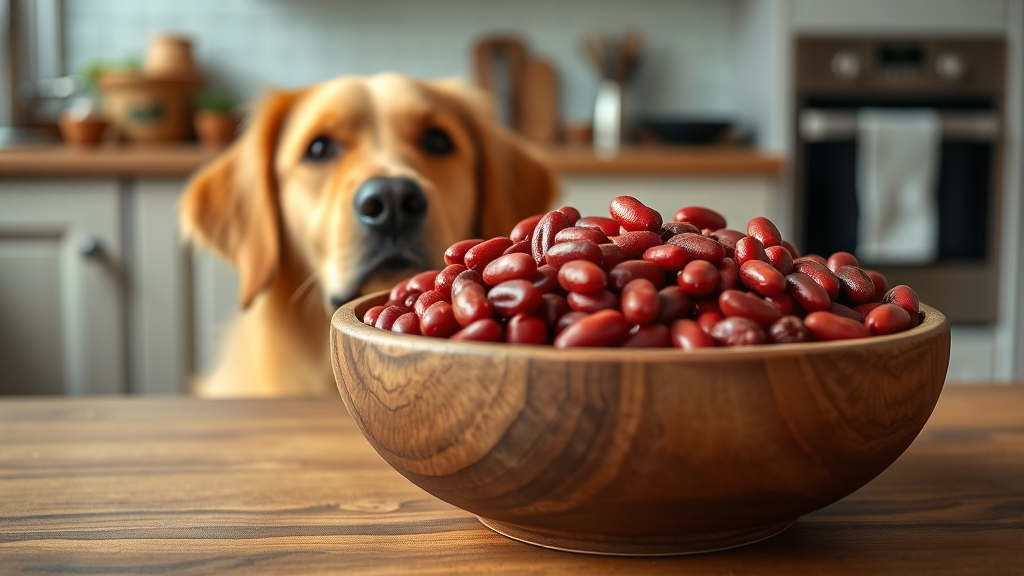
As a responsible pet owner, you’ve probably wondered about the safety of various human foods for your furry companion. Red beans, also known as kidney beans, are a staple in many households and cuisines worldwide. These protein-rich legumes are nutritious for humans, but can dogs eat red beans safely? The answer isn’t as straightforward as you might think.
Understanding which foods are safe for dogs is crucial for maintaining their health and preventing potentially dangerous situations. While some human foods can be beneficial additions to a dog’s diet, others can cause serious health complications. Red beans fall into a category that requires careful consideration and proper preparation before offering them to your canine friend.
Are Red Beans Safe for Dogs?
Red beans can be safe for dogs when properly prepared and served in moderation. However, raw or undercooked red beans contain a natural toxin called lectin, specifically phytohemagglutinin, which can be harmful to both humans and dogs. This compound is found in highest concentrations in raw kidney beans and can cause severe digestive upset if consumed.
According to the FDA’s guidance on natural toxins, proper cooking methods can significantly reduce lectin levels, making red beans safer for consumption. The key is ensuring the beans are thoroughly cooked at high temperatures for an adequate period.
When considering whether to feed red beans to your dog, it’s essential to consult with your veterinarian first. Every dog is different, and what works for one may not be suitable for another. Factors such as your dog’s size, age, health status, and existing dietary sensitivities should all be taken into account.
Nutritional Benefits of Red Beans for Dogs
When properly prepared, red beans can offer several nutritional benefits for dogs. These legumes are an excellent source of plant-based protein, containing all essential amino acids necessary for muscle development and maintenance. A single cup of cooked red beans provides approximately 15 grams of protein, making them a substantial protein source.
Red beans are also rich in fiber, which can support healthy digestion and help maintain regular bowel movements. The fiber content can be particularly beneficial for dogs with mild digestive issues, though it should be introduced gradually to prevent gastrointestinal upset. For dogs experiencing digestive problems, learning what to feed dog with diarrhea is crucial for proper recovery.
Additionally, red beans contain important minerals such as iron, potassium, and magnesium. Iron supports healthy blood cell formation, while potassium is essential for proper muscle and nerve function. Magnesium plays a role in bone health and energy metabolism. These nutrients can complement a well-balanced canine diet when beans are offered as an occasional treat.
The USDA’s nutritional database shows that red beans also contain folate and other B vitamins that support cellular function and energy production in dogs.
Potential Risks and Dangers
Despite their nutritional benefits, red beans pose several risks for dogs if not handled properly. The primary concern is the lectin content in raw or undercooked beans. Even small amounts of raw red beans can cause symptoms such as nausea, vomiting, diarrhea, and abdominal pain in dogs.
Another significant risk is the potential for digestive upset due to the high fiber content. Dogs who aren’t accustomed to high-fiber foods may experience bloating, gas, and loose stools when red beans are introduced too quickly or in large quantities. This is why gradual introduction is essential.
Commercial canned beans often contain added sodium, preservatives, and seasonings that can be harmful to dogs. High sodium levels can lead to increased thirst, urination, and in severe cases, sodium poisoning. Garlic and onion powder, commonly found in seasoned beans, are toxic to dogs and can cause anemia.
Some dogs may also have individual sensitivities or allergies to legumes. Signs of an allergic reaction include itching, skin irritation, excessive drooling, or difficulty breathing. The American Veterinary Medical Association emphasizes the importance of monitoring pets for allergic reactions when introducing new foods.
Safe Preparation Methods
If you decide to offer red beans to your dog, proper preparation is crucial for safety. Always start with dried beans rather than canned varieties to have complete control over the cooking process and ingredients. Soak the dried red beans overnight in plenty of water to begin breaking down some of the lectins and reduce cooking time.
After soaking, drain and rinse the beans thoroughly. Place them in a large pot with fresh water, ensuring the water level is at least two inches above the beans. Bring the water to a rolling boil and maintain this temperature for at least 10 minutes. This initial high-heat treatment is essential for destroying harmful lectins.
Reduce the heat and continue simmering the beans for 45-60 minutes or until they are completely soft and easily mashed with a fork. Never serve beans that are still firm or have any crunch to them. The beans should be thoroughly cooked through to ensure all lectins are neutralized.
Avoid adding any seasonings, salt, garlic, onions, or other flavor enhancers during the cooking process. These additives can be harmful to dogs and negate the potential benefits of the beans. Plain, well-cooked beans are the safest option for canine consumption.
Serving Size and Frequency Guidelines
When introducing red beans to your dog’s diet, start with very small amounts to assess their tolerance. For small dogs (under 20 pounds), begin with just one or two beans. Medium dogs (20-50 pounds) can start with a small spoonful, while large dogs (over 50 pounds) may tolerate up to a tablespoon initially.
Monitor your dog closely for 24-48 hours after the first serving to watch for any signs of digestive upset or allergic reactions. If your dog tolerates the initial serving well, you can gradually increase the amount over several weeks, but beans should never constitute more than 10% of your dog’s total daily caloric intake.
Red beans should be offered as an occasional treat rather than a regular dietary staple. Even when well-tolerated, limit servings to once or twice per week at most. This approach helps prevent digestive issues while allowing your dog to benefit from the nutritional content without disrupting their balanced commercial diet.
Similar to considerations for other foods like can dogs eat rice or can dogs eat corn, moderation is key when introducing any new food item to your dog’s diet.
Healthier Bean Alternatives
If you’re concerned about the risks associated with red beans or if your dog doesn’t tolerate them well, there are several safer bean alternatives to consider. Green beans are often recommended by veterinarians as a healthy, low-calorie treat for dogs. They’re easier to digest and pose fewer risks than kidney beans.
Black beans and pinto beans are also generally safer options when properly prepared, though they should still be cooked thoroughly and served plain. These alternatives offer similar nutritional benefits with potentially fewer digestive concerns. You might also explore whether can dogs have garbanzo beans, which are often well-tolerated by many dogs.
For dogs with sensitive stomachs, consider other protein sources that are easier to digest. Lean meats, certain fish, and even plant-based options like can dogs eat quinoa might be better choices for your pet.
It’s important to note that processed bean products like can dogs eat refried beans or can dogs eat baked beans should be avoided entirely due to their high sodium content and potentially harmful additives.
Warning Signs to Watch For
After feeding red beans to your dog, it’s crucial to monitor them for any adverse reactions. Immediate signs of lectin poisoning or digestive upset include vomiting, diarrhea, excessive drooling, loss of appetite, and lethargy. These symptoms typically appear within a few hours of consumption and may persist for 24-48 hours.
More severe reactions might include abdominal bloating, difficulty breathing, or signs of dehydration such as excessive panting or sticky gums. If you notice any of these symptoms, contact your veterinarian immediately. The ASPCA’s Animal Poison Control Center is also available 24/7 for emergency consultations.
Long-term signs of food intolerance might include chronic digestive issues, changes in stool consistency, or recurring skin problems. These symptoms may develop over time with repeated exposure and indicate that red beans aren’t suitable for your particular dog.
Keep a food diary when introducing new items to your dog’s diet. This practice helps identify patterns and makes it easier to pinpoint problem foods if adverse reactions occur. Document what was fed, when it was given, the amount consumed, and any subsequent symptoms.
Frequently Asked Questions
Can puppies eat red beans?
Puppies have more sensitive digestive systems than adult dogs and are at higher risk for adverse reactions to new foods. It’s generally recommended to wait until puppies are at least 6 months old and fully weaned before introducing red beans. Even then, start with extremely small amounts and consult your veterinarian first. The American Kennel Club provides comprehensive guidance on appropriate foods for puppies at different developmental stages.
Are canned red beans safe for dogs?
Canned red beans are generally not recommended for dogs due to their high sodium content and potential additives like garlic, onion powder, or preservatives. These ingredients can be harmful to dogs. If you must use canned beans, choose varieties with no added salt and rinse them thoroughly before serving. However, cooking dried beans from scratch remains the safest option.
How many red beans can I give my dog?
The appropriate amount depends on your dog’s size and tolerance. Start with 1-2 beans for small dogs, a small spoonful for medium dogs, and up to a tablespoon for large dogs. Never exceed 10% of your dog’s daily caloric intake with treats, including beans. Always introduce new foods gradually and monitor for adverse reactions.
What should I do if my dog ate raw red beans?
If your dog has consumed raw red beans, monitor them closely for signs of lectin poisoning, including vomiting, diarrhea, and lethargy. Contact your veterinarian immediately, especially if symptoms develop. Provide plenty of fresh water and avoid giving any food until you’ve consulted with a professional. The severity of the reaction often depends on the amount consumed and your dog’s size.
Can red beans cause kidney problems in dogs?
While red beans themselves don’t typically cause kidney problems when properly prepared and served in moderation, dogs with existing kidney disease should avoid high-protein foods like beans unless specifically recommended by their veterinarian. The National Center for Biotechnology Information has published research on dietary protein requirements for dogs with kidney disease.
Are there any dogs that should never eat red beans?
Dogs with known legume allergies, severe digestive sensitivities, kidney disease, or diabetes should generally avoid red beans unless specifically approved by their veterinarian. Senior dogs and those with compromised immune systems may also be at higher risk for adverse reactions. Always consult your vet before introducing red beans to dogs with pre-existing health conditions.
Can I use red beans as a regular protein source for my dog?
Red beans should not be used as a primary protein source for dogs. While they contain protein, they lack some essential amino acids that dogs need and don’t provide the complete nutritional profile found in high-quality animal proteins. Beans should only be offered as occasional treats alongside a balanced commercial dog food or veterinarian-approved homemade diet. Consider alternatives like can dogs eat brown rice for additional carbohydrate sources that might be easier for your dog to digest.





