
Can Dogs Eat Red Cabbage? Vet Advice on Safety and Benefits
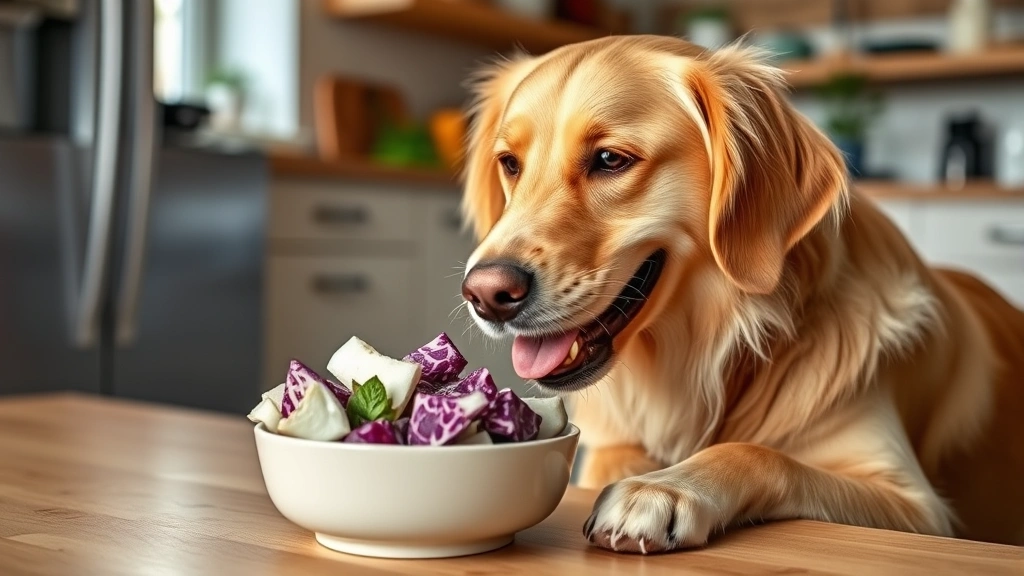
Red cabbage is a nutrient-dense cruciferous vegetable packed with vitamins, minerals, and antioxidants that benefit human health. But what about our furry companions? Many dog owners wonder whether they can share this colorful vegetable with their pets. The short answer is yes—dogs can eat red cabbage in moderation, though there are important guidelines to follow to ensure it remains a safe and healthy treat.
Understanding what foods are safe for dogs is crucial for responsible pet ownership. While red cabbage isn’t toxic to dogs, it does contain certain compounds that require careful consideration. This comprehensive guide explores the nutritional profile of red cabbage, potential benefits, risks, and best practices for offering this vegetable to your canine friend.
Is Red Cabbage Safe for Dogs?
Red cabbage is generally safe for dogs when prepared properly and given in appropriate quantities. Unlike some vegetables that are toxic to dogs—such as onions and garlic—red cabbage doesn’t contain compounds that are inherently poisonous to canines. However, the safety of red cabbage depends on how it’s prepared, how much your dog consumes, and your individual dog’s digestive sensitivity.
The key to safely feeding red cabbage to dogs is moderation. This vegetable should only comprise a small portion of your dog’s overall diet, functioning as an occasional treat rather than a dietary staple. Most veterinarians recommend that treats, including vegetable treats, make up no more than 10% of your dog’s daily caloric intake, with the remaining 90% coming from a balanced commercial dog food or veterinarian-approved homemade diet.
Raw red cabbage is safer than cooked cabbage for dogs because cooking can concentrate certain compounds and make the vegetable harder to digest. However, both raw and cooked preparations can be offered if done correctly. Always ensure the cabbage is fresh, clean, and free from pesticides or other contaminants.
Nutritional Benefits of Red Cabbage
Red cabbage is remarkably nutritious and offers several health benefits for dogs when consumed in appropriate amounts. This vibrant vegetable is rich in essential nutrients that support canine health:
- Vitamin C: A powerful antioxidant that supports immune function and helps reduce inflammation in aging dogs. While dogs can synthesize their own vitamin C, dietary sources provide additional support.
- Vitamin K: Essential for blood clotting and bone metabolism, helping maintain skeletal health and proper wound healing.
- Fiber: Promotes healthy digestion and can help regulate bowel movements, though excessive fiber can have the opposite effect.
- Antioxidants: Red cabbage contains anthocyanins and other polyphenols that combat free radicals and may help reduce the risk of chronic diseases.
- Minerals: Contains potassium, manganese, and other minerals important for muscle function and metabolic processes.
The antioxidant content in red cabbage is particularly noteworthy. Research published by the American Association of Feed Control Officials and veterinary nutritionists suggests that antioxidant-rich foods may support cognitive function in senior dogs and help maintain overall wellness. The deep red color of red cabbage indicates higher levels of beneficial compounds compared to green cabbage.
For dogs dealing with minor digestive concerns or seeking additional nutritional support, red cabbage can be a beneficial supplement to their diet. It’s particularly useful for dogs that need additional fiber or antioxidant support, though it should never replace a complete and balanced diet formulated for canine nutritional needs.
Potential Risks and Concerns
While red cabbage is generally safe, several potential risks warrant careful consideration before adding it to your dog’s diet:
- Thiocyanates: Red cabbage contains compounds called thiocyanates that, in large quantities, can interfere with iodine absorption and thyroid function. This is rarely a concern with moderate consumption but becomes problematic if cabbage comprises a significant portion of the diet.
- Digestive Upset: The high fiber content and sulfur compounds in cabbage can cause gas, bloating, or loose stools in sensitive dogs. Some dogs may experience stomach discomfort after consuming raw cabbage.
- Choking Hazard: Large chunks of cabbage can pose a choking risk, particularly for enthusiastic eaters or smaller dog breeds.
- Pesticide Residue: Conventionally grown cabbage may contain pesticide residues. Always wash thoroughly or choose organic when possible.
Dogs with pre-existing thyroid conditions should consume red cabbage only under veterinary supervision. Similarly, dogs with sensitive digestive systems or a history of pancreatitis should avoid red cabbage or introduce it very gradually and in minimal amounts. If your dog has any underlying health conditions, consult your veterinarian before introducing new foods.
It’s also important to note that while red cabbage is safe, it shouldn’t be offered in place of complete nutrition. Some dog owners make the mistake of replacing portions of their dog’s regular diet with vegetables, which can create nutritional imbalances. Vegetables should supplement, not substitute, balanced commercial dog food.
How to Prepare Red Cabbage for Dogs
Proper preparation is essential for safely offering red cabbage to your dog. Follow these guidelines to ensure the best outcome:
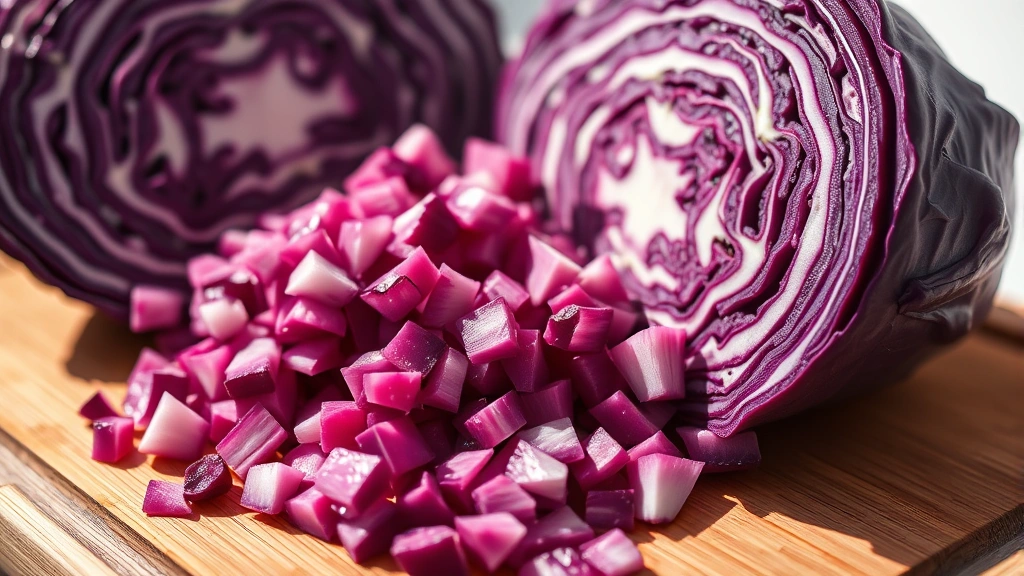
- Wash Thoroughly: Rinse the red cabbage under running water to remove dirt, pesticides, and bacteria. Use a vegetable brush if available to scrub the surface gently.
- Remove Outer Leaves: Discard the outermost leaves, which may contain more pesticide residue.
- Chop into Appropriate Sizes: Cut the cabbage into small, bite-sized pieces appropriate for your dog’s size. Larger dogs can handle slightly bigger chunks, while small breeds need smaller pieces to prevent choking.
- Serve Raw or Lightly Cooked: Raw cabbage is preferable as cooking can reduce some nutritional benefits. If cooking, steam lightly without adding salt, seasonings, or oils. Never offer cabbage cooked with garlic, onions, or excessive salt.
- Start Gradually: Introduce red cabbage slowly to your dog’s diet. Begin with just a small piece and monitor for any adverse reactions over 24-48 hours.
Many dogs enjoy raw red cabbage as a crunchy treat, and the act of chewing can provide additional dental benefits. However, if your dog has difficulty chewing or swallowing, steaming the cabbage until soft makes it easier to consume. Avoid adding any seasonings, oils, or butter, as these additions can upset your dog’s stomach or contribute to unhealthy weight gain.
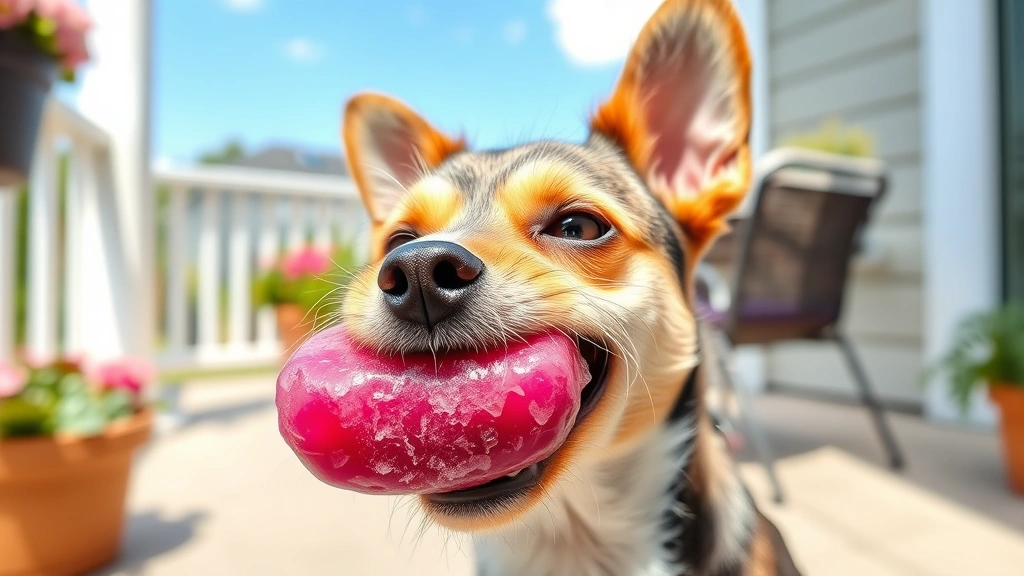
Some dog owners freeze small pieces of red cabbage to create refreshing treats during hot weather. This can be particularly appealing to dogs and provides a low-calorie option for weight management. Frozen cabbage also lasts longer in storage, making it convenient for regular use.
Serving Sizes and Frequency
Determining appropriate serving sizes depends on your dog’s size, age, and overall health status. As a general guideline, vegetables should comprise no more than 10% of your dog’s daily caloric intake:
- Small Dogs (Under 10 lbs): Offer no more than 1-2 small pieces of red cabbage, 2-3 times per week.
- Medium Dogs (10-50 lbs): Offer 2-4 small pieces or 1/4 cup chopped cabbage, 2-3 times per week.
- Large Dogs (Over 50 lbs): Offer 1/2 cup chopped cabbage, 2-3 times per week.
These portions ensure that red cabbage remains a treat rather than a dietary staple. It’s easy to overestimate appropriate serving sizes, so using a measuring cup can help maintain consistency. Remember that these guidelines are maximums, not targets—some dogs may tolerate less cabbage without any issues.
The frequency of offering red cabbage should also be considered. While it’s safe to offer 2-3 times weekly, you don’t need to offer it this frequently. Many dogs thrive perfectly well without ever consuming red cabbage. The goal is to provide variety and enrichment while maintaining nutritional balance through a complete diet.
When introducing red cabbage for the first time, start with the smallest recommended portion for your dog’s size and wait several days before offering it again. This gradual introduction allows you to assess your individual dog’s tolerance and prevents digestive upset. If your dog shows no adverse reactions after the first introduction, you can gradually increase to the recommended serving size.
Signs of Digestive Issues
After offering red cabbage to your dog, monitor for any signs of digestive distress. While most dogs tolerate red cabbage well, some may experience temporary discomfort:
- Excessive Gas or Bloating: If your dog seems uncomfortable, has a distended abdomen, or produces more flatulence than usual, red cabbage may not agree with them.
- Loose Stools or Diarrhea: Soft or runny stools within 12-24 hours of consuming red cabbage indicate digestive sensitivity. This is particularly concerning if your dog already has diarrhea.
- Vomiting: While uncommon, vomiting after eating red cabbage warrants immediate veterinary attention.
- Loss of Appetite: If your dog refuses their regular food after consuming red cabbage, discontinue offering this vegetable.
- Lethargy or Behavioral Changes: Unusual tiredness or behavioral changes may indicate digestive upset.
If you notice any of these signs, discontinue offering red cabbage and contact your veterinarian if symptoms persist beyond 24 hours or worsen. Some dogs simply have more sensitive digestive systems and may not tolerate vegetables as well as others. This doesn’t indicate a serious problem—it simply means red cabbage isn’t appropriate for your particular dog.
Keep in mind that introducing any new food can cause temporary digestive changes as your dog’s digestive system adjusts. However, these changes should be mild and resolve within 24-48 hours. If digestive upset persists, it’s best to avoid that particular food.
FAQ
Is cooked red cabbage better than raw for dogs?
Raw red cabbage is generally preferable because cooking can reduce certain nutrients and concentrate compounds that may cause digestive upset. However, lightly steamed red cabbage without added seasonings is acceptable for dogs with difficulty chewing or swallowing. Never cook cabbage with garlic, onions, or salt.
Can puppies eat red cabbage?
Puppies can eat red cabbage in very small amounts, but it’s not necessary for their nutrition. Puppies require a complete, balanced diet formulated for growth. If offering red cabbage to puppies, use portions that are even smaller than those recommended for adult dogs and introduce very gradually.
Can red cabbage cause thyroid problems in dogs?
In moderate amounts, red cabbage is unlikely to cause thyroid problems in healthy dogs. However, excessive consumption could theoretically interfere with iodine absorption. Dogs with existing thyroid conditions should only consume red cabbage under veterinary guidance.
Is red cabbage better than green cabbage for dogs?
Red cabbage contains higher levels of antioxidants and beneficial compounds compared to green cabbage. However, both varieties are safe for dogs when prepared properly. The choice between them is largely a matter of availability and preference.
What other vegetables are safe for dogs?
Many vegetables are safe for dogs, including broccoli, corn, and carrots. However, some vegetables are toxic to dogs, such as onions and certain mushrooms. Always research before introducing new foods.
How much red cabbage is too much?
Red cabbage should comprise no more than 10% of your dog’s daily caloric intake. For most dogs, this means occasional small servings—typically 2-4 times per week at most. If your dog consumes large quantities of red cabbage regularly, reduce intake immediately and consult your veterinarian.
Can dogs with sensitive stomachs eat red cabbage?
Dogs with sensitive stomachs should approach red cabbage cautiously. Start with a tiny piece and monitor closely for digestive upset. Many dogs with sensitive stomachs may not tolerate raw cabbage well, though lightly cooked versions might be better tolerated. Consult your veterinarian for personalized recommendations.
Should I offer red cabbage as part of a weight management plan?
Red cabbage can be helpful for weight management because it’s very low in calories while providing fiber and nutrients. For overweight dogs, small pieces of raw red cabbage can serve as a filling, low-calorie treat. However, always consult your veterinarian before implementing any dietary changes for weight management.





