
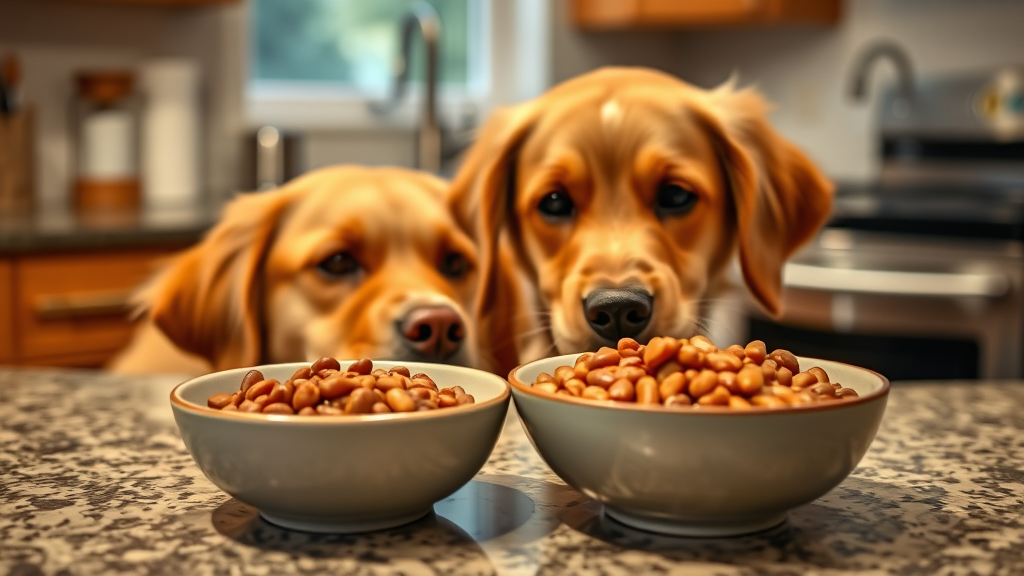
As a dog owner, you’ve likely found yourself wondering about the safety of sharing human foods with your furry companion. When it comes to refried beans, this common Mexican cuisine staple raises important questions about canine nutrition and safety. While beans themselves aren’t inherently toxic to dogs, refried beans present unique challenges that every responsible pet owner should understand.
The short answer is that dogs should generally avoid refried beans due to their high sodium content, added seasonings, and potential harmful ingredients like garlic and onions. However, the complete picture involves understanding why these popular legumes can be problematic for our four-legged friends and what alternatives might be safer for occasional treats.
Understanding Refried Beans and Their Ingredients
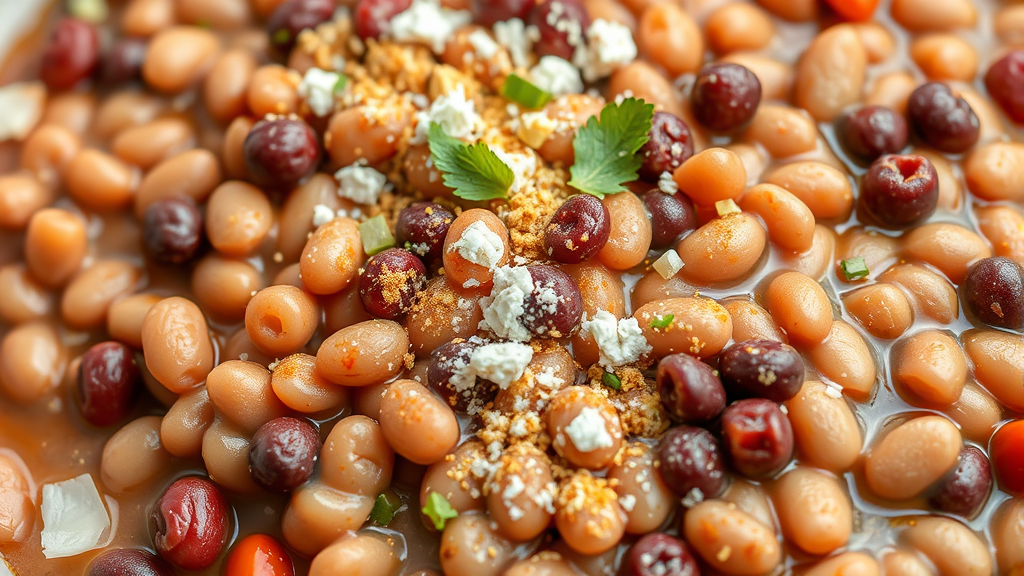
Refried beans, despite their name, aren’t actually fried twice. The term “refried” comes from the Spanish “refrito,” meaning “well-fried.” These beans are typically made by cooking pinto or black beans until soft, then mashing and cooking them again with various seasonings and fats. Commercial refried beans often contain a complex mix of ingredients that can be problematic for dogs.
Most store-bought refried beans contain high levels of sodium, preservatives, and flavor enhancers. Common ingredients include salt, garlic powder, onion powder, cumin, and various spices. Some brands also add lard, vegetable oils, or other fats to improve texture and taste. Understanding these components is crucial because while plain cooked beans might be acceptable for dogs in small quantities, the additives in refried beans create significant health concerns.
The American Kennel Club emphasizes that processed human foods often contain ingredients that can be harmful to dogs, even if the base ingredient might be safe in its natural form.
Potential Dangers for Dogs
Several factors make refried beans potentially dangerous for canine consumption. The primary concerns include excessive sodium content, toxic seasonings, high fat content, and the risk of gastrointestinal upset. Unlike humans, dogs have much lower tolerance levels for salt and certain spices commonly found in refried beans.
The concentrated nature of refried beans means that even small amounts can deliver significant quantities of potentially harmful substances. Dogs consuming refried beans may experience immediate symptoms like excessive thirst, vomiting, or diarrhea, while long-term consumption could lead to more serious health issues including sodium poisoning, kidney problems, or digestive system damage.
According to the ASPCA’s Animal Poison Control Center, many human foods that seem harmless can actually pose significant risks to pets due to differences in metabolism and digestive systems.
Sodium Content and Health Risks
One of the most significant concerns with refried beans is their extremely high sodium content. A typical half-cup serving of canned refried beans contains between 400-500 milligrams of sodium, which far exceeds what dogs should consume. For comparison, dogs should consume no more than 100 milligrams of sodium per day for every 10 pounds of body weight.
Excessive sodium intake can lead to serious health complications in dogs, including dehydration, electrolyte imbalances, and increased blood pressure. In severe cases, sodium poisoning can occur, resulting in symptoms such as excessive thirst and urination, vomiting, diarrhea, lethargy, and in extreme cases, seizures or coma.
The FDA’s Center for Veterinary Medicine provides guidelines on safe sodium levels for pets, emphasizing that commercial dog foods are formulated to meet these specific nutritional requirements without the need for additional sodium from human foods.
Toxic Ingredients to Watch For
Many refried bean recipes and commercial products contain ingredients that are toxic to dogs. Garlic and onion powder are particularly concerning, as both belong to the allium family and can cause serious health problems in canines. Even small amounts of these ingredients can lead to oxidative damage to red blood cells, potentially causing anemia.
Similar to concerns about whether can dogs eat onions, the toxic compounds in garlic and onion powder can accumulate in a dog’s system over time, making even occasional consumption potentially dangerous. Other problematic ingredients commonly found in refried beans include excessive amounts of cumin, chili powder, and artificial preservatives.
Additionally, some refried beans contain added sugars or corn syrup, which can contribute to obesity and dental problems in dogs. The question of whether can dogs eat corn extends to these processed corn-derived sweeteners, which offer no nutritional benefit and can cause digestive upset.

Digestive Issues and Gastrointestinal Problems
Dogs have sensitive digestive systems that aren’t designed to process the complex combination of ingredients found in refried beans. The high fiber content, combined with added fats and spices, can cause significant gastrointestinal distress. Common digestive issues include gas, bloating, diarrhea, and abdominal discomfort.
The beans themselves can be difficult for dogs to digest, especially when they’re processed and combined with other ingredients. This can lead to fermentation in the digestive tract, causing painful gas and bloating. In some cases, dogs may experience more severe reactions requiring veterinary attention.
If your dog does experience digestive upset from consuming refried beans, knowing what to feed dog with diarrhea becomes crucial for helping them recover. The American Veterinary Medical Association recommends consulting with a veterinarian whenever dogs experience persistent digestive issues.
Safe Bean Alternatives for Dogs
If you want to share legumes with your dog, there are much safer alternatives to refried beans. Plain, cooked beans without any seasonings, salt, or additives can be offered in very small quantities as an occasional treat. Green beans are particularly popular among pet owners and are generally safe for dogs when prepared properly.
When preparing beans for dogs, always cook them thoroughly without adding any salt, garlic, onion, or other seasonings. Start with very small amounts to see how your dog’s digestive system responds. Some dogs may still experience gas or mild digestive upset even with plain beans, so monitor your pet closely.
Other safe alternatives include plain cooked lentils, chickpeas (in moderation), and black beans, all prepared without seasonings. These can provide some nutritional benefits including protein and fiber, but should never replace a balanced commercial dog food. Consider pairing these with safe options like can dogs eat rice for a gentle, digestible combination.
What to Do If Your Dog Eats Refried Beans
If your dog has consumed refried beans, don’t panic, but take immediate action to assess the situation. First, determine how much your dog ate and check the ingredient list of the specific product consumed. Look for particularly dangerous ingredients like garlic, onion, or excessive amounts of salt.
Monitor your dog closely for signs of distress, including vomiting, diarrhea, excessive thirst, lethargy, or difficulty breathing. If your dog consumed a large amount or is showing any concerning symptoms, contact your veterinarian immediately. Keep the product packaging available to provide ingredient information to your vet.
For mild cases where your dog ate only a small amount and isn’t showing severe symptoms, ensure they have access to fresh water and monitor them closely. Knowing what can you give a dog for upset stomach can be helpful, but always consult with a veterinary professional before administering any treatments.
Prevention and Safe Feeding Practices
Prevention is always better than treatment when it comes to pet safety. Store refried beans and other potentially harmful foods in secure locations where your dog cannot access them. Educate all family members about which foods are unsafe for dogs and establish clear rules about sharing human food with pets.
When cooking with refried beans, be mindful of spills and clean up thoroughly to prevent your dog from licking up any remnants. If you’re hosting gatherings where refried beans might be served, consider keeping your dog in a separate area or providing them with their own special treats to prevent begging and accidental consumption.
Develop a comprehensive understanding of canine nutrition and safe foods. Just as you might wonder about can dogs eat cheese or can dogs have black pepper, always research before sharing any human food with your pet. The Humane Society provides excellent resources on pet-safe foods and toxic substances to avoid.
Frequently Asked Questions
Can dogs eat a small amount of refried beans without getting sick?
While a very small amount might not cause immediate severe illness, even small quantities of refried beans can be problematic due to high sodium content and potentially toxic seasonings like garlic and onion powder. It’s best to avoid giving refried beans to dogs entirely, as there are no nutritional benefits that outweigh the risks.
What should I do if my dog accidentally ate refried beans from my plate?
Monitor your dog closely for symptoms like vomiting, diarrhea, excessive thirst, or lethargy. Provide fresh water and contact your veterinarian if you notice any concerning symptoms or if your dog consumed a large amount. Keep the product packaging handy to reference ingredients if needed.
Are homemade refried beans safer for dogs than store-bought versions?
Homemade refried beans may be slightly safer if prepared without salt, garlic, onion, or other harmful seasonings, but they still pose digestive challenges for dogs. Even plain mashed beans can cause gas, bloating, and digestive upset. It’s better to stick to dog-specific treats and foods.
Can the beans in refried beans cause intestinal blockage in dogs?
While the mashed consistency of refried beans makes intestinal blockage less likely than with whole beans, the high fiber content and added ingredients can still cause digestive issues. Large amounts could potentially cause gastrointestinal upset severe enough to require veterinary attention.
How much sodium is too much for dogs, and how does this relate to refried beans?
Dogs should consume no more than 100 milligrams of sodium per day for every 10 pounds of body weight. A half-cup of refried beans contains 400-500 milligrams of sodium, which could exceed the daily limit for most dogs in just one serving, making them unsuitable for canine consumption.
Are there any types of beans that are completely safe for dogs?
Plain, cooked green beans are generally considered the safest bean option for dogs and can be given as occasional treats. Other beans like black beans, kidney beans, or pinto beans can be offered in very small amounts if they’re plain, thoroughly cooked, and free from seasonings, but they may still cause digestive upset in sensitive dogs.
What are the long-term health effects if my dog regularly consumes refried beans?
Regular consumption of refried beans could lead to serious health problems including sodium poisoning, kidney damage, digestive system issues, obesity, and potentially anemia from toxic ingredients like garlic and onion powder. Chronic exposure to high sodium levels can also contribute to heart problems and high blood pressure in dogs.





