

Rice is one of the most commonly consumed grains worldwide, and as dog owners, we often wonder whether it’s safe to share our meals with our furry companions. The good news is that rice can be a beneficial addition to your dog’s diet when prepared and served correctly. Understanding the safety, benefits, and proper preparation methods for feeding rice to dogs is essential for every pet owner who wants to provide nutritious and safe food options for their canine friend.
Many commercial dog foods already include rice as a primary ingredient due to its digestibility and nutritional value. However, knowing when, how, and what type of rice to feed your dog can make a significant difference in their health and well-being. This comprehensive guide will explore everything you need to know about feeding rice to dogs, from the different types of rice to proper preparation methods and potential concerns.
Rice Safety Basics for Dogs
Yes, dogs can safely eat rice when it’s properly cooked and served in appropriate portions. Rice is considered one of the safest human foods for dogs and is frequently recommended by veterinarians as part of a bland diet for dogs experiencing digestive issues. The American Kennel Club confirms that rice is safe for dogs and can be a healthy addition to their diet.
The key to safely feeding rice to dogs lies in proper preparation and moderation. Plain, cooked rice without any seasonings, oils, or additives is the safest option. Never feed your dog raw rice, as it can be difficult to digest and may cause gastrointestinal upset. Additionally, avoid rice dishes prepared with garlic, onions, salt, or other seasonings that can be harmful to dogs.
When introducing rice to your dog’s diet for the first time, start with small amounts and monitor for any adverse reactions. Most dogs tolerate rice well, but individual sensitivities can occur. Watch for signs of digestive upset, allergic reactions, or changes in bowel movements when first offering rice to your pet.
Types of Rice and Their Benefits
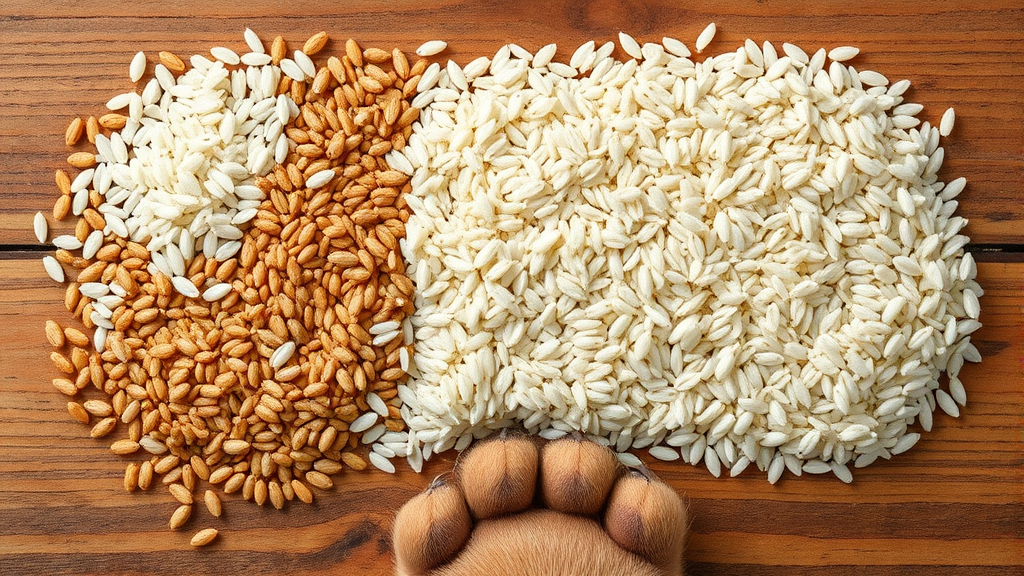
Different types of rice offer varying nutritional benefits for dogs. White rice is the most commonly recommended type for dogs, especially those with sensitive stomachs or digestive issues. It’s easily digestible and provides quick energy through readily available carbohydrates. White rice is often the go-to choice for veterinary-prescribed bland diets.
Brown rice contains more fiber, vitamins, and minerals than white rice due to its intact bran and germ layers. While nutritionally superior, brown rice takes longer to digest and may not be suitable for dogs with sensitive stomachs or during digestive recovery periods. However, for healthy dogs, brown rice can provide additional nutrients including B vitamins, magnesium, and selenium.
Wild rice, despite its name, is actually a grass seed rather than true rice. It’s higher in protein and fiber than traditional rice varieties and can be a nutritious option for dogs. However, it should be thoroughly cooked and introduced gradually. Jasmine and basmati rice are also safe for dogs but offer similar nutritional profiles to white rice.
Avoid flavored rice varieties, instant rice with added seasonings, or rice pilaf mixes that contain ingredients potentially harmful to dogs. Stick to plain, single-ingredient rice products for the safest option.
Nutritional Benefits of Rice for Dogs
Rice provides several nutritional benefits for dogs when included as part of a balanced diet. As a carbohydrate source, rice supplies energy that dogs need for daily activities and metabolic functions. The easily digestible nature of rice makes it an excellent choice for dogs recovering from illness or experiencing digestive sensitivities.
Rice contains essential B vitamins, including thiamine, niacin, and riboflavin, which support nervous system function and energy metabolism. These vitamins are particularly important for active dogs and those with high energy requirements. Additionally, rice provides small amounts of protein, though it shouldn’t be considered a primary protein source for dogs.
The fiber content in rice, particularly brown rice, can support healthy digestion and regular bowel movements. This can be beneficial for dogs prone to constipation or those needing additional dietary fiber. Rice also contains trace amounts of minerals like iron and magnesium, contributing to overall nutritional balance.
For dogs with food allergies or sensitivities, rice can serve as a hypoallergenic carbohydrate source. Many elimination diets include rice as a safe base ingredient while identifying problematic foods. Just as can dogs eat broccoli safely when prepared properly, rice can be a valuable component of a varied, healthy diet.
Proper Preparation Methods
Proper preparation is crucial when feeding rice to dogs. Always cook rice thoroughly using plain water without any salt, butter, oil, or seasonings. The rice should be soft and fully cooked to ensure easy digestion. Undercooked rice can be difficult for dogs to digest and may cause stomach upset.
To prepare rice for dogs, rinse the rice under cold water until the water runs clear to remove excess starch. Use a ratio of approximately 2:1 water to rice and bring to a boil. Reduce heat to low, cover, and simmer until the rice is tender and has absorbed all the water. Allow the rice to cool completely before serving to your dog.
For dogs with sensitive stomachs, consider cooking rice with extra water to create a softer, more easily digestible consistency. Some pet owners prefer to slightly overcook the rice to make it even gentler on the digestive system. Store cooked rice in the refrigerator for up to three days, and always reheat thoroughly before serving if not using immediately.
Never add ingredients like garlic, onions, salt, butter, or spices that can be harmful to dogs. Keep the preparation simple and plain. If you’re preparing rice as part of a bland diet recommended by your veterinarian, follow their specific instructions regarding preparation and serving.
Serving Size Guidelines and Frequency
Determining the appropriate serving size of rice for your dog depends on several factors, including your dog’s size, weight, activity level, and overall health status. As a general guideline, rice should not make up more than 10% of your dog’s daily caloric intake when used as a treat or supplement to their regular diet.
For small dogs weighing under 20 pounds, start with 1-2 tablespoons of cooked rice. Medium dogs (20-50 pounds) can typically handle 1/4 to 1/2 cup of cooked rice, while large dogs over 50 pounds may consume up to 1 cup of cooked rice as an occasional treat or dietary supplement. These are general guidelines, and individual dogs may have different tolerance levels.
When using rice as part of a therapeutic bland diet, your veterinarian will provide specific serving recommendations based on your dog’s condition and needs. In these cases, rice may constitute a larger portion of the daily diet temporarily while the dog recovers from digestive issues.
Rice should not be offered daily as a regular part of your dog’s diet unless specifically recommended by a veterinarian. Instead, use it occasionally as a treat, during digestive upset, or as directed for specific health conditions. Always ensure your dog’s primary nutrition comes from a balanced, complete commercial dog food appropriate for their life stage.

Rice for Dogs with Specific Health Conditions
Rice plays a valuable role in managing certain canine health conditions, particularly digestive disorders. Veterinarians frequently recommend a bland diet consisting of cooked rice and lean protein (such as boiled chicken) for dogs experiencing diarrhea, vomiting, or general stomach upset. The easily digestible nature of rice helps provide nutrition while allowing the digestive system to recover.
For dogs with inflammatory bowel disease (IBD) or chronic digestive sensitivities, rice can serve as a safe carbohydrate source that’s less likely to trigger symptoms. However, this should always be done under veterinary supervision as part of a comprehensive treatment plan. The American Veterinary Medical Association emphasizes the importance of professional guidance when managing dietary interventions for health conditions.
Dogs with diabetes may benefit from the steady energy release provided by rice, particularly brown rice with its lower glycemic index. However, diabetic dogs require careful dietary management, and any changes should be discussed with a veterinarian to ensure proper blood sugar control.
For overweight dogs, rice can be used strategically to help with weight management when substituted for higher-calorie ingredients. The fiber in brown rice can promote satiety while providing fewer calories than some other carbohydrate sources. Similar to how can dogs eat corn considerations vary by individual needs, rice requirements depend on each dog’s specific health profile.
Potential Risks and Precautions
While rice is generally safe for dogs, there are some potential risks and precautions to consider. One concern is the arsenic content in rice, particularly in brown rice and rice products. According to the FDA, rice naturally absorbs arsenic from soil and water during growth. While the levels in rice are generally not harmful for occasional consumption, regular large amounts could potentially pose health risks.
Dogs with grain allergies or sensitivities may react negatively to rice, although true rice allergies are relatively uncommon. Signs of food sensitivity include digestive upset, skin irritation, excessive scratching, or changes in bowel movements. If you notice any of these symptoms after introducing rice, discontinue feeding and consult your veterinarian.
Feeding too much rice can lead to nutritional imbalances, as rice lacks many essential nutrients dogs need for optimal health. Over-reliance on rice as a food source can result in deficiencies in protein, essential fatty acids, and various vitamins and minerals. Always maintain rice as a small portion of your dog’s overall diet.
Uncooked rice poses risks including difficulty digesting and potential choking hazards. Raw rice can also expand in the stomach, potentially causing discomfort or blockages. Additionally, rice that has been seasoned, cooked with harmful ingredients, or has gone bad can cause serious health problems. Store cooked rice properly and never feed spoiled rice to your dog.
Rice Alternatives and Other Safe Grains
While rice is an excellent option for dogs, several other grains can provide similar benefits and variety in your pet’s diet. Oatmeal is another easily digestible grain that’s safe for dogs and provides fiber and nutrients. Plain, cooked oatmeal without added sugars or flavoring can be beneficial for dogs with digestive sensitivities.
Quinoa, technically a seed rather than a grain, is safe for dogs and provides complete protein along with various vitamins and minerals. It should be thoroughly cooked and rinsed before serving. Barley is another dog-safe grain that provides fiber and nutrients, though it should be well-cooked and offered in moderation.
For dogs following grain-free diets due to allergies or sensitivities, sweet potatoes can serve as an excellent carbohydrate alternative. They’re highly digestible and provide vitamins, fiber, and antioxidants. Just as pet owners research whether can dogs eat blackberries or can dogs have cantaloupe, it’s important to understand safe alternatives to common foods.
Avoid grains and grain products that contain harmful additives, excessive sodium, or toxic ingredients. Never feed dogs wheat products containing garlic or onion powder, flavored rice mixes, or any grain products with artificial sweeteners like xylitol. When in doubt about any food item, including concerns like can dogs eat mushrooms or can dogs eat cheese, consult with your veterinarian for personalized advice.
Frequently Asked Questions
Can puppies eat rice?
Yes, puppies can eat rice, but it should be introduced gradually after they’re weaned and eating solid food. Rice can be particularly helpful for puppies experiencing digestive upset. However, puppies have specific nutritional needs for growth and development, so rice should only be a small supplement to a complete puppy food. Always consult with your veterinarian before adding rice to a puppy’s diet, especially if they’re under 12 weeks old.
How much rice can I give my dog daily?
Rice should not exceed 10% of your dog’s daily caloric intake when used as a treat or supplement. For most dogs, this means 1-2 tablespoons for small dogs, 1/4 to 1/2 cup for medium dogs, and up to 1 cup for large dogs, offered occasionally rather than daily. During therapeutic bland diets prescribed by veterinarians, these amounts may be different and should follow professional guidance.
Is brown rice or white rice better for dogs?
Both brown and white rice are safe for dogs, but they serve different purposes. White rice is more easily digestible and better for dogs with sensitive stomachs or during illness recovery. Brown rice provides more nutrients and fiber but may be harder to digest. For healthy dogs without digestive issues, brown rice can offer additional nutritional benefits, while white rice is preferable for dogs with digestive sensitivities.
Can rice help with my dog’s diarrhea?
Yes, plain cooked white rice is commonly recommended by veterinarians as part of a bland diet to help manage diarrhea in dogs. Rice is easily digestible and can help firm up loose stools. However, if diarrhea persists for more than 24-48 hours, is accompanied by other symptoms like vomiting or lethargy, or contains blood, contact your veterinarian immediately as these may indicate serious health issues requiring professional treatment.
Should I rinse rice before cooking it for my dog?
Yes, you should rinse rice thoroughly before cooking it for your dog. Rinsing removes excess starch and any potential contaminants, making the rice easier to digest and safer for consumption. Rinse the rice under cold running water until the water runs clear, which typically takes 2-3 rinses. This step is particularly important when preparing rice for dogs with sensitive stomachs.
Can dogs be allergic to rice?
While rice allergies in dogs are relatively uncommon, they can occur. Signs of rice allergy or sensitivity include digestive upset, vomiting, diarrhea, skin irritation, excessive scratching, or ear infections. If you suspect your dog may be allergic to rice, discontinue feeding it immediately and consult with your veterinarian. They may recommend elimination diet testing to confirm the allergy and suggest appropriate alternatives.
Is instant rice safe for dogs?
Plain instant rice without added seasonings or flavoring is generally safe for dogs, but regular rice is preferable. Instant rice is more processed and may contain additives that aren’t ideal for dogs. It also has a higher glycemic index than regular rice, causing faster blood sugar spikes. If using instant rice, choose plain varieties and avoid any with salt, seasonings, or artificial additives. When possible, opt for regular white or brown rice for better nutritional value and fewer processing concerns.





