
Is Roast Beef Safe for Dogs? Vet Insights
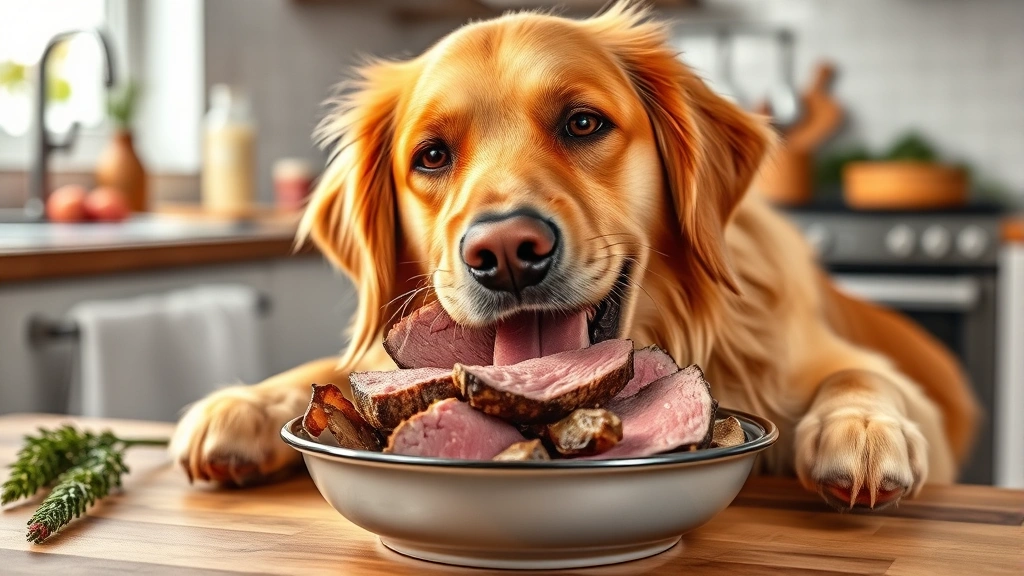
Roast beef is one of those foods that makes your dog’s nose twitch with anticipation, especially when you’re preparing Sunday dinner. As a pet owner, you’ve probably wondered whether it’s safe to share a bite of that delicious meat with your furry companion. The good news is that plain roast beef can be a nutritious addition to your dog’s diet when prepared and served correctly.
In this comprehensive guide, we’ll explore everything you need to know about feeding roast beef to dogs, including the nutritional benefits, potential risks, and best practices for safe preparation. Whether you’re considering roast beef as an occasional treat or a regular protein source, understanding the facts will help you make informed decisions about your dog’s diet.
Can Dogs Eat Roast Beef?
Yes, dogs can safely eat plain roast beef in moderation. This lean protein source is generally well-tolerated by most dogs and provides several nutritional benefits. However, the key word here is plain—any seasonings, garlic, onions, or excessive salt can transform a healthy treat into a potentially dangerous one.
Plain roast beef without any additives is a natural protein that aligns well with a dog’s carnivorous dietary needs. According to the Association of American Feed Control Officials, beef is an excellent source of high-quality protein for canine nutrition. The meat contains essential amino acids that support muscle development, immune function, and overall health.
Your veterinarian can provide personalized guidance on whether roast beef is appropriate for your specific dog, especially if your pet has existing health conditions or dietary sensitivities. Always consult with your vet before introducing new foods to your dog’s diet.
Nutritional Benefits of Roast Beef
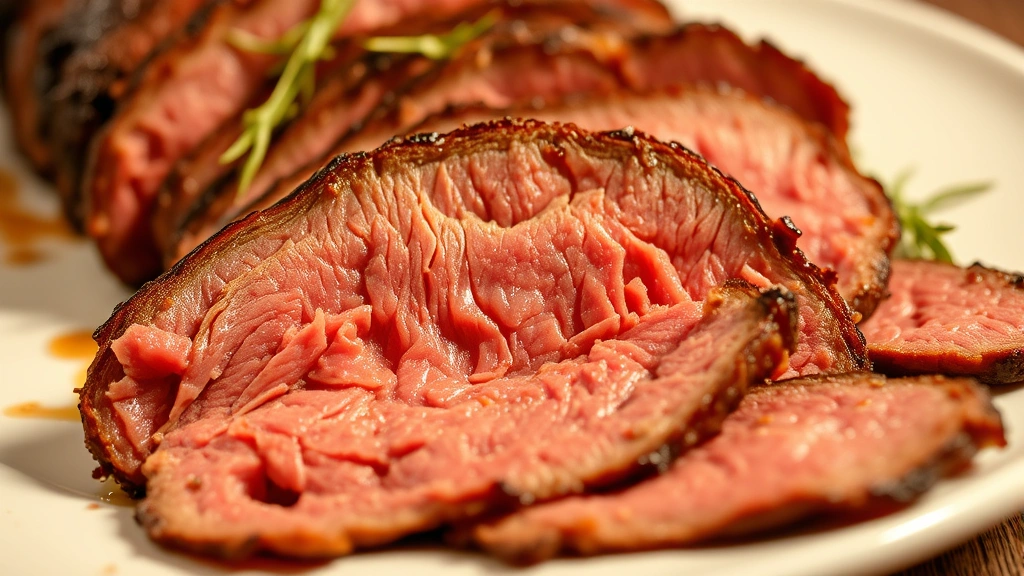
Roast beef offers substantial nutritional advantages for your canine companion. This protein-rich meat contains vitamins and minerals that support various bodily functions and promote long-term health.
Key nutritional components include:
- High-quality protein: Essential for building and maintaining muscle tissue, supporting immune response, and producing enzymes and hormones
- B vitamins: Particularly B12, niacin, and riboflavin, which aid in energy metabolism and nervous system function
- Iron: Crucial for oxygen transport in the blood and preventing anemia
- Zinc: Supports immune function, wound healing, and skin health
- Selenium: Acts as an antioxidant and supports thyroid function
- Phosphorus: Works with calcium to maintain strong bones and teeth
The protein quality in roast beef is superior to many plant-based protein sources, making it especially valuable for dogs with high protein requirements or those recovering from illness. Senior dogs often benefit from high-quality protein sources to maintain muscle mass as they age.
When compared to processed dog treats, plain roast beef offers a whole-food alternative without artificial additives, preservatives, or fillers that some commercial treats contain.
Preparation Guidelines
Proper preparation is essential for safely feeding roast beef to your dog. The method you use to cook the meat significantly impacts its safety and nutritional value.
Safe cooking methods:
- Boiling: Cook unseasoned roast beef in plain water until fully cooked. This method eliminates any surface bacteria and produces tender meat. Save the plain cooking water as a nutritious broth if desired
- Baking: Roast beef in a plain oven without seasonings, garlic, or onions. Bake at 350°F until the internal temperature reaches 160°F for medium doneness
- Slow cooking: A slow cooker with water or plain broth (no onions or garlic) produces tender, easily digestible meat perfect for dogs
Always ensure the roast beef is fully cooked to eliminate harmful bacteria like E. coli and Salmonella. Undercooked or raw meat poses serious health risks, including foodborne illness.
After cooking, allow the meat to cool completely before serving. Remove any visible fat, as excessive fat can cause digestive upset or pancreatitis in some dogs. Cut the meat into appropriately sized pieces based on your dog’s size to prevent choking hazards.
Portion Sizes and Frequency
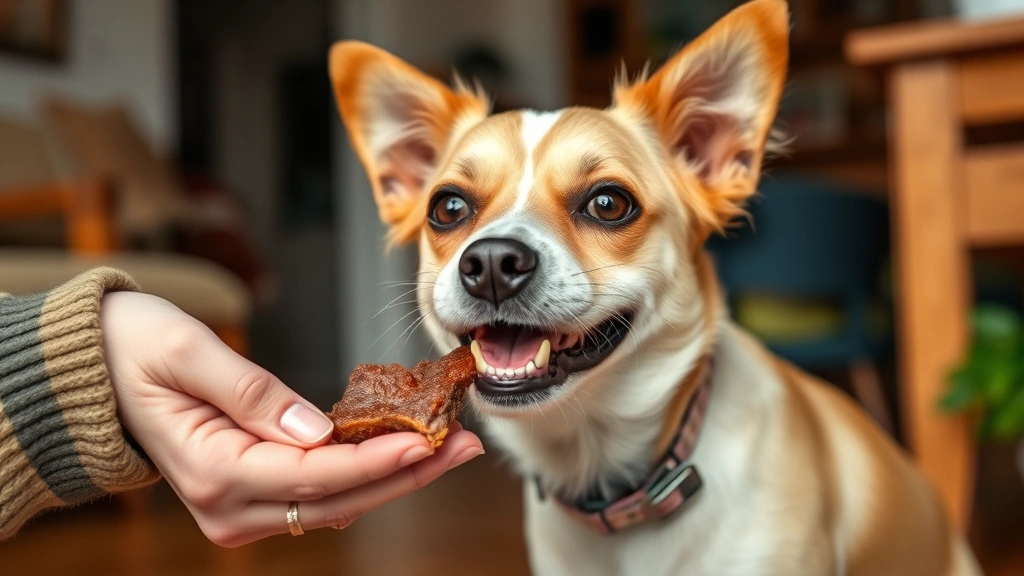
Determining the right amount of roast beef for your dog depends on several factors, including your pet’s size, age, activity level, and overall diet composition.
General guidelines for roast beef portions:
- Small dogs (under 20 lbs): 1-2 ounces per serving, 2-3 times per week maximum
- Medium dogs (20-50 lbs): 2-4 ounces per serving, 2-3 times per week maximum
- Large dogs (50+ lbs): 4-8 ounces per serving, 2-3 times per week maximum
Roast beef should never comprise more than 10% of your dog’s daily caloric intake. If you’re using roast beef as a training treat or meal topper, adjust your dog’s regular food portions accordingly to prevent weight gain.
Dogs with weight management concerns should receive smaller portions or have roast beef removed from their treat rotation entirely. Consult your veterinarian about appropriate serving sizes for overweight or obese dogs.
Puppies and senior dogs may have different tolerance levels. Puppies require carefully controlled portions to support growth without overwhelming their developing digestive systems, while senior dogs may benefit from smaller, more frequent servings of easily digestible protein.
Risks and Precautions
While plain roast beef is generally safe, certain situations and preparations create potential health risks for your dog.
Primary concerns include:
- High fat content: Fatty roast beef can trigger pancreatitis, a serious inflammatory condition of the pancreas. This risk increases in breeds predisposed to pancreatitis, such as Miniature Schnauzers and Cocker Spaniels
- Seasonings and additives: Garlic and onions contain compounds toxic to dogs, damaging red blood cells and causing hemolytic anemia. Even small amounts can be dangerous
- Salt content: Excessive sodium can lead to dehydration and electrolyte imbalances, particularly concerning for dogs with heart disease or kidney problems
- Bones: Cooked bones can splinter and cause intestinal blockages or perforation. Always remove all bones before serving
- Digestive upset: Dogs unaccustomed to roast beef may experience diarrhea, vomiting, or gas. Introduce it gradually in small amounts
Dogs with certain health conditions require special consideration. Those with pancreatitis history, kidney disease, heart conditions, or obesity should avoid roast beef or consume only very lean portions under veterinary supervision.
If your dog has a sensitive stomach or history of food allergies, introduce roast beef cautiously and monitor for adverse reactions over 24-48 hours.
Seasoning and Cooking Methods to Avoid
Many popular roast beef preparations contain ingredients that are harmful or toxic to dogs. Understanding what to avoid is just as important as knowing what’s safe.
Never feed your dog roast beef that contains:
- Garlic: Toxic to dogs in all forms (raw, cooked, powdered, or seasoning blends)
- Onions: Highly toxic to dogs and can cause serious anemia
- Excessive salt: Particularly problematic for dogs with existing health conditions
- Spices: Black pepper, cayenne, and other hot spices can irritate the digestive system
- Worcestershire sauce: Often contains garlic and excessive sodium
- Barbecue sauce: Usually high in sugar, salt, and sometimes toxic ingredients
- Gravy: Often contains onions, garlic, excessive fat, and sodium
Restaurant roast beef or deli meat is typically heavily seasoned and salted, making it inappropriate for dogs. Even “low-sodium” versions often exceed safe levels for canine consumption.
When preparing roast beef specifically for your dog, cook a separate portion without any seasonings, even if it seems bland to you. Your dog won’t mind the lack of flavoring and will benefit from the pure protein.
Roast Beef Alternatives and Complementary Foods
If roast beef doesn’t fit your dog’s dietary needs or preferences, several other protein sources offer similar nutritional benefits. Additionally, pairing roast beef with complementary foods can create balanced, nutritious meals.
Alternative protein sources:
- Lean chicken breast
- Turkey
- Fish (salmon and sardines are excellent omega-3 sources)
- Lean ground turkey or chicken
- Eggs
- Plain Greek yogurt
When serving roast beef, consider pairing it with nutrient-dense vegetables. Carrots provide fiber and dental benefits, while broccoli offers vitamins and antioxidants. Corn is safe in moderation, though it’s primarily carbohydrate-based.
Always avoid certain mushrooms and other toxic vegetables when planning your dog’s meals.
Sweet potato, pumpkin, and green beans are excellent vegetable complements to roast beef, providing fiber and essential nutrients without excessive calories. These additions create a more balanced meal that supports digestive health and satiety.
FAQ
Can puppies eat roast beef?
Puppies can eat small amounts of plain roast beef, but it should be introduced gradually and in tiny portions. Their digestive systems are still developing, and they require balanced nutrition to support growth. Always consult your veterinarian before adding roast beef to a puppy’s diet, as it should not replace their specialized puppy food formulation.
Is roast beef good for dogs with allergies?
Roast beef can be appropriate for dogs with certain allergies, particularly those sensitive to chicken or other poultry. However, some dogs may have beef allergies or sensitivities. If your dog has known food allergies, discuss roast beef with your vet before introducing it. Introduce new proteins gradually while monitoring for allergic reactions like itching, vomiting, or diarrhea.
How should I store cooked roast beef for my dog?
Store plain cooked roast beef in an airtight container in the refrigerator for up to 3-4 days. For longer storage, freeze portions in ice cube trays or small containers for up to 3 months. Thaw frozen roast beef in the refrigerator before serving, and never refreeze thawed meat.
Can dogs eat roast beef bones?
No, dogs should never eat cooked roast beef bones. Cooking makes bones brittle and prone to splintering, which can cause serious injuries to the mouth, throat, esophagus, or intestines. Even raw bones carry some risk. Always remove all bones before serving meat to your dog.
What should I do if my dog eats seasoned roast beef?
If your dog consumes a small amount of seasoned roast beef without toxic ingredients like garlic or onions, monitor closely for signs of digestive upset. However, if the roast beef contained garlic, onions, or excessive salt, contact your veterinarian or ASPCA Animal Poison Control Center immediately. Have information about the quantity consumed and ingredients available when you call.
Can roast beef replace my dog’s regular food?
No, roast beef should never replace your dog’s complete and balanced commercial diet or veterinary-prescribed food. Dogs require specific ratios of proteins, fats, carbohydrates, vitamins, and minerals that roast beef alone cannot provide. Roast beef is best used as an occasional treat or meal topper, comprising no more than 10% of daily caloric intake.
Is it better to give dogs roast beef raw or cooked?
Cooked roast beef is significantly safer than raw meat for dogs. Cooking eliminates harmful bacteria like Salmonella and E. coli that can cause serious foodborne illness. Raw diets for dogs remain controversial and carry documented health risks. Unless your veterinarian specifically recommends a raw feeding protocol, stick with properly cooked roast beef.





