

Can Dogs Eat Rocket? A Vet-Approved Guide to Arugula Safety
Rocket, commonly known as arugula, is a leafy green vegetable that’s become increasingly popular in human diets. If you’re a dog owner who enjoys this peppery green, you’ve probably wondered whether it’s safe to share with your furry companion. The good news is that yes, dogs can eat rocket in moderation, and it can even provide some nutritional benefits when prepared correctly.
Before adding any new food to your dog’s diet, it’s essential to understand proper portion sizes, preparation methods, and potential risks. This comprehensive guide will walk you through everything you need to know about feeding rocket to your dog, including nutritional information, safety considerations, and practical feeding tips.
Nutritional Benefits of Rocket for Dogs
Rocket is packed with essential nutrients that can support your dog’s overall health. This leafy green contains vitamins K, A, and C, which play crucial roles in immune function, vision, and bone health. The vegetable also provides minerals like calcium and potassium, which are vital for maintaining proper heart rhythm and muscle function.
One of the standout nutritional advantages of rocket is its high water content, which helps keep dogs hydrated. Additionally, the fiber in arugula can support digestive health, though this benefit is most pronounced when served in appropriate quantities. The vegetable is also extremely low in calories, making it an excellent choice for dogs that need to maintain a healthy weight or for owners looking to add low-calorie treats to their dog’s diet.
Rocket contains glucosinolates, compounds that have been studied for their potential anti-inflammatory and antioxidant properties. While research on dogs specifically is limited, these compounds may offer protective benefits similar to what’s observed in human nutrition. However, these benefits should be viewed as supplementary rather than therapeutic.
The peppery flavor of rocket comes from its natural compounds, which are generally safe for dogs. Unlike some human foods that lose nutritional value when cooked, rocket can be served either raw or lightly cooked, though raw rocket retains more of its nutritional profile.
Safety Guidelines and Preparation
Preparing rocket safely for your dog requires attention to detail. Always wash the leaves thoroughly under running water to remove any pesticides, dirt, or contaminants. If possible, choose organic rocket to minimize pesticide exposure. Rinse multiple times and pat dry with a clean paper towel before serving.
When serving rocket raw, chop the leaves into small, manageable pieces to prevent choking hazards, especially for smaller dog breeds. Some dogs may find the peppery taste unusual, so introduce rocket gradually and observe your dog’s reaction. If your dog shows signs of digestive upset after eating rocket, discontinue feeding it and consult your veterinarian.
For dogs with sensitive stomachs or those prone to digestive issues, lightly steaming rocket for one to two minutes can make it easier to digest while preserving most nutrients. Never season rocket with salt, garlic, onions, or other spices, as these can be harmful to dogs. Plain, unseasoned rocket is always the safest choice.
Store rocket properly in your refrigerator to maintain freshness and prevent bacterial growth. Use rocket within a few days of purchase for optimal safety and nutritional value. If you notice any wilting, discoloration, or unusual odor, discard it immediately.
When introducing any new food, including rocket, follow the 10% rule: new foods should comprise no more than 10% of your dog’s daily caloric intake. This helps prevent digestive upset and ensures your dog continues receiving balanced nutrition from their primary diet.
Recommended Portion Sizes
The appropriate portion size of rocket depends on your dog’s size, age, and overall health status. For small dogs (under 20 pounds), a small handful or approximately one to two tablespoons of chopped rocket is sufficient. Medium-sized dogs (20-60 pounds) can safely consume two to four tablespoons, while large dogs (over 60 pounds) can have up to one-quarter cup of rocket as an occasional treat.
Puppies should be introduced to rocket even more cautiously than adult dogs, as their digestive systems are still developing. Start with just a few small pieces and monitor for any adverse reactions. Senior dogs may also benefit from rocket, as the low-calorie content and nutrient density can support aging joints and overall wellness.
Frequency matters just as much as portion size. Rocket should be considered an occasional treat rather than a dietary staple. Offering rocket once or twice per week is ideal, allowing your dog to enjoy the benefits without over-relying on a single food source. If your dog is already receiving vegetables through commercial dog food or other sources, reduce rocket portions accordingly.
Always account for rocket calories when calculating your dog’s daily intake. While rocket is extremely low in calories (roughly 3-4 calories per tablespoon), consistency in portion control helps maintain a balanced diet and prevent unintended weight gain from accumulated treats.

Potential Risks and Concerns
While rocket is generally safe for most dogs, certain situations warrant caution. Dogs with thyroid issues should consume rocket in limited quantities, as cruciferous vegetables contain compounds called goitrogens that may interfere with thyroid function when consumed in large amounts. If your dog has a thyroid condition, consult your veterinarian before adding rocket to their diet.
Some dogs may experience mild digestive upset when first introduced to rocket, including loose stools or mild gas. This typically resolves within 24-48 hours as their digestive system adjusts. If symptoms persist or worsen, discontinue rocket and contact your veterinarian.
Dogs with kidney disease should avoid excessive vegetable consumption, as certain vegetables can affect mineral balance. Similarly, dogs on specific therapeutic diets prescribed by veterinarians should only receive new foods with veterinary approval, as dietary changes can interfere with medical management.
Choking is a potential concern with any leafy green, particularly for dogs that gulp food without chewing. Always supervise your dog while eating rocket and chop leaves into appropriately sized pieces. Dogs with a history of gastrointestinal obstruction should avoid rocket and other fibrous vegetables.
Pesticide residue on non-organic rocket could potentially accumulate in your dog’s system with repeated exposure. While the risk is generally low with occasional feeding, choosing organic rocket when possible adds an extra safety layer, particularly if you plan to offer it regularly.
How Rocket Compares to Other Vegetables
When deciding which vegetables to offer your dog, it helps to understand how rocket stacks up against alternatives. Can dogs eat broccoli is a common question, and while broccoli is safe in small quantities, it contains more compounds that may affect thyroid function compared to rocket. Broccoli is also slightly higher in calories and fiber.
Can dogs eat cauliflower is another popular inquiry. Cauliflower is similarly safe but may cause more digestive gas in sensitive dogs. Rocket tends to be gentler on most canine digestive systems.
Can dogs eat corn represents a different category entirely. While corn kernels are safe in moderation, corn lacks the nutrient density of leafy greens like rocket. Corn is also higher in carbohydrates and calories.
Are carrots good for dogs is frequently asked by owners seeking healthy treats. Carrots offer excellent dental benefits and are higher in natural sugars, making them a different choice than rocket. Both can be part of a healthy diet but serve different purposes.
Can dogs eat mushrooms requires more caution than rocket, as certain wild mushroom varieties are toxic to dogs. Store-bought mushrooms are generally safe but require more careful preparation than rocket.
Rocket stands out as one of the safest vegetable options for most dogs, with minimal risk factors and broad nutritional benefits. Its low calorie content, high water content, and gentle nature make it an excellent choice for dogs of various sizes and ages.
Creative Ways to Serve Rocket
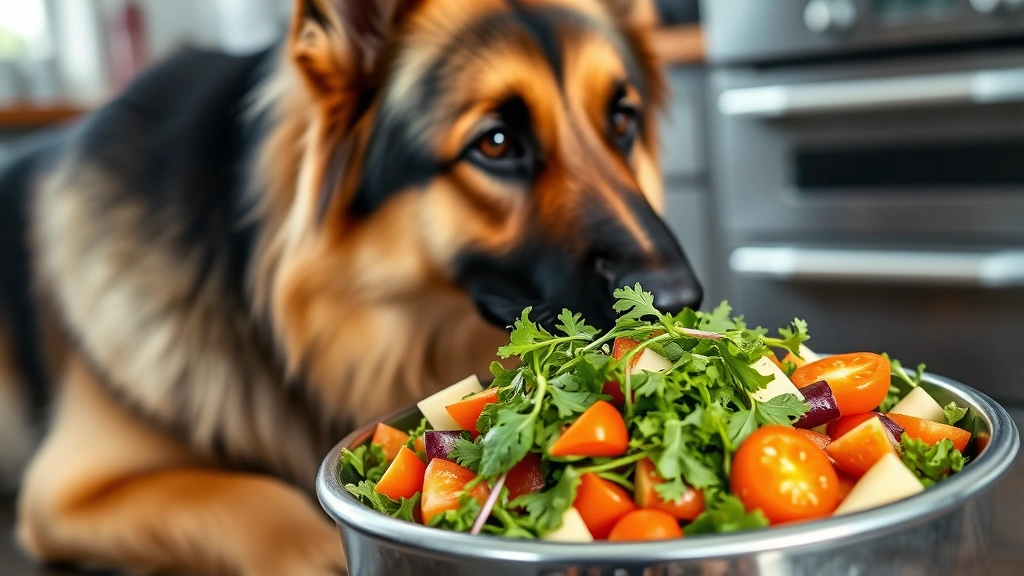
Beyond simply offering plain rocket, there are numerous creative ways to incorporate this vegetable into your dog’s diet. One popular method is mixing finely chopped rocket into your dog’s regular kibble or wet food. This adds nutritional value and variety without dramatically changing the meal’s taste.
Frozen rocket cubes make excellent summer treats for dogs. Simply blend fresh rocket with a small amount of water, pour into ice cube trays, and freeze. These refreshing treats provide hydration and nutrition on hot days. You can also freeze rocket in low-sodium broth for added flavor appeal.
For dogs that enjoy interactive feeding, stuff fresh rocket into a Kong toy or puzzle feeder. The challenge of extracting the leaves provides mental stimulation while offering nutritional benefits. This method also slows down eating for dogs that tend to gulp their food.
Mix finely chopped rocket with plain, unsweetened yogurt to create a nutritious topper for your dog’s regular meals. The probiotics in yogurt complement the vitamins and minerals in rocket, creating a particularly beneficial combination.
Create homemade dog treats by blending rocket with dog-safe ingredients like pumpkin puree or sweet potato. These can be baked into simple biscuits or frozen into treat-sized portions. Always ensure any homemade treats are free from toxic ingredients like xylitol, chocolate, or excessive salt.
Lightly steamed rocket can be mixed with cooked chicken or turkey for a protein-rich meal topper. This combination provides complete amino acids alongside the vitamins and minerals from the vegetable, creating a well-rounded nutritional boost.
For dogs participating in raw or BARF diets, fresh rocket can be incorporated as part of the vegetable component. Always ensure proper food safety practices when preparing raw diets for dogs.
FAQ
Is rocket toxic to dogs?
No, rocket is not toxic to dogs. It is safe for most dogs to consume in appropriate portions. However, dogs with thyroid conditions should consume it in limited quantities due to naturally occurring goitrogens. When in doubt, consult your veterinarian before introducing new foods.
Can dogs eat rocket every day?
While rocket is safe, it should not be fed daily. Offering rocket once or twice per week as an occasional treat is ideal. Daily feeding could lead to nutritional imbalances or digestive issues. Always maintain variety in your dog’s diet.
How much rocket can I give my dog?
Portion sizes vary by dog size: small dogs should receive one to two tablespoons, medium dogs two to four tablespoons, and large dogs up to one-quarter cup. Remember that rocket should comprise no more than 10% of your dog’s daily caloric intake.
Should rocket be cooked or raw for dogs?
Both raw and lightly cooked rocket are safe for dogs. Raw rocket retains more nutrients, while lightly steamed rocket may be easier to digest for sensitive dogs. Never add seasonings, salt, or garlic. Plain preparation is essential.
Can puppies eat rocket?
Yes, puppies can eat rocket, but introduce it gradually and in very small amounts. Start with just a few pieces and monitor for digestive upset. Puppies’ digestive systems are still developing, so caution is warranted with any new food.
My dog has a sensitive stomach. Is rocket safe?
Rocket is generally gentle on canine digestive systems. However, if your dog has a particularly sensitive stomach, introduce it very gradually in small portions. Lightly steaming the rocket may also make it easier to digest. Discontinue if digestive upset occurs.
Can I give my dog rocket from a salad?
Only if the salad contains plain rocket without dressing, seasonings, or other ingredients. Most human salad dressings contain garlic, onions, salt, or other ingredients that can harm dogs. Always offer plain, unseasoned rocket instead.
Does rocket have any health benefits for dogs?
Yes, rocket provides vitamins K, A, and C, minerals like calcium and potassium, and antioxidants. The high water content supports hydration, and fiber aids digestion. These nutrients support immune function, bone health, and overall wellness when offered as part of a balanced diet.
What should I do if my dog eats a large amount of rocket?
If your dog consumes significantly more rocket than recommended, monitor for signs of digestive upset like vomiting, diarrhea, or abdominal discomfort. Contact your veterinarian if symptoms develop or if your dog shows signs of distress. In most cases, mild digestive upset resolves within 24 hours.
Are there any dog breeds that shouldn’t eat rocket?
Most dog breeds can safely eat rocket, but breeds with predispositions to thyroid issues should consume it in limited quantities. Dogs with existing gastrointestinal conditions, kidney disease, or those on therapeutic diets should receive veterinary approval before consuming rocket.





