
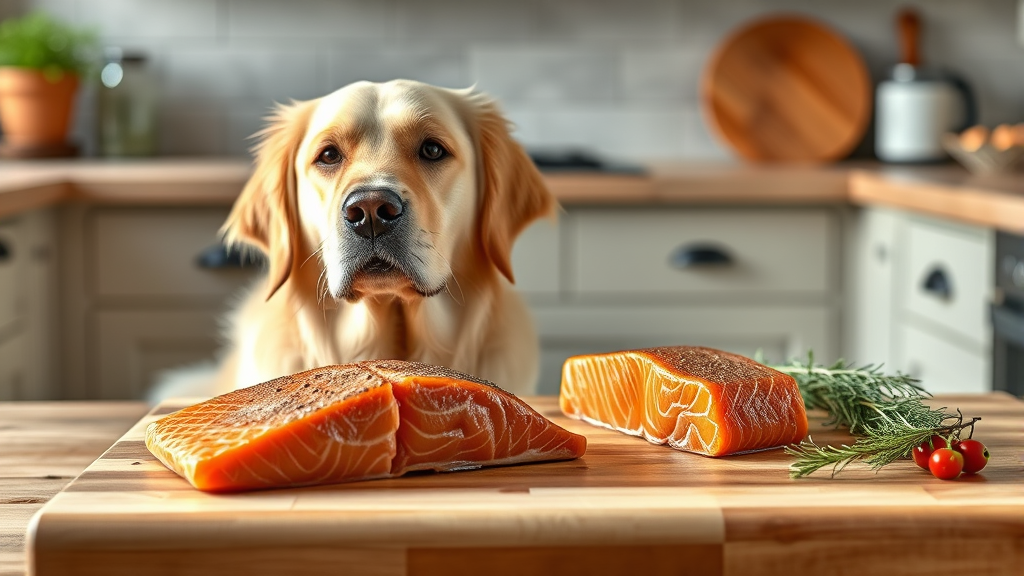
As pet owners increasingly seek to provide their dogs with nutritious, natural foods, questions about seafood safety have become more common. Salmon skin, in particular, has gained attention as a potential treat or dietary addition for our canine companions. While salmon itself is widely recognized as a healthy protein source for dogs, the safety of salmon skin requires more careful consideration.
The question of whether dogs can safely consume salmon skin isn’t straightforward, as it depends on several factors including preparation method, source, and your dog’s individual health needs. Understanding these nuances is crucial for making informed decisions about your pet’s diet and ensuring their safety while potentially providing beneficial nutrients.
Nutritional Benefits of Salmon Skin for Dogs
Salmon skin contains several nutrients that can benefit your dog’s health when prepared and served correctly. The skin is rich in omega-3 fatty acids, particularly EPA and DHA, which support cognitive function, joint health, and maintain a shiny coat. These essential fatty acids also contribute to reducing inflammation throughout the body, potentially benefiting dogs with arthritis or skin conditions.
The protein content in salmon skin provides essential amino acids necessary for muscle development and maintenance. Additionally, salmon skin contains vitamins D and B12, along with selenium, which acts as an antioxidant supporting immune system function. The American Kennel Club emphasizes the importance of these nutrients in a balanced canine diet.
However, it’s important to understand that while can dogs eat salmon skin is a valid question, the benefits must be weighed against potential risks. The concentration of nutrients in salmon skin means that small amounts can provide significant nutritional value without overfeeding.
Safety Concerns and Risks
Despite its nutritional benefits, salmon skin presents several safety concerns that dog owners must consider. Raw salmon skin can contain harmful bacteria such as Salmonella and parasites like Anisakis, which can cause serious illness in dogs. The American Veterinary Medical Association warns against feeding raw fish products due to these contamination risks.
Another significant concern is salmon poisoning disease, a condition specific to dogs that occurs when they consume salmon infected with Neorickettsia helminthoeca. This disease can be fatal if left untreated and is more common in Pacific Northwest regions. Symptoms include vomiting, diarrhea, fever, and lethargy, typically appearing within 6-10 days of consumption.
The high fat content in salmon skin can also pose risks for dogs with sensitive digestive systems or those prone to pancreatitis. Additionally, if you’re wondering can dogs have salmon skin, it’s crucial to consider that farm-raised salmon may contain higher levels of contaminants compared to wild-caught varieties.
Proper Preparation Methods
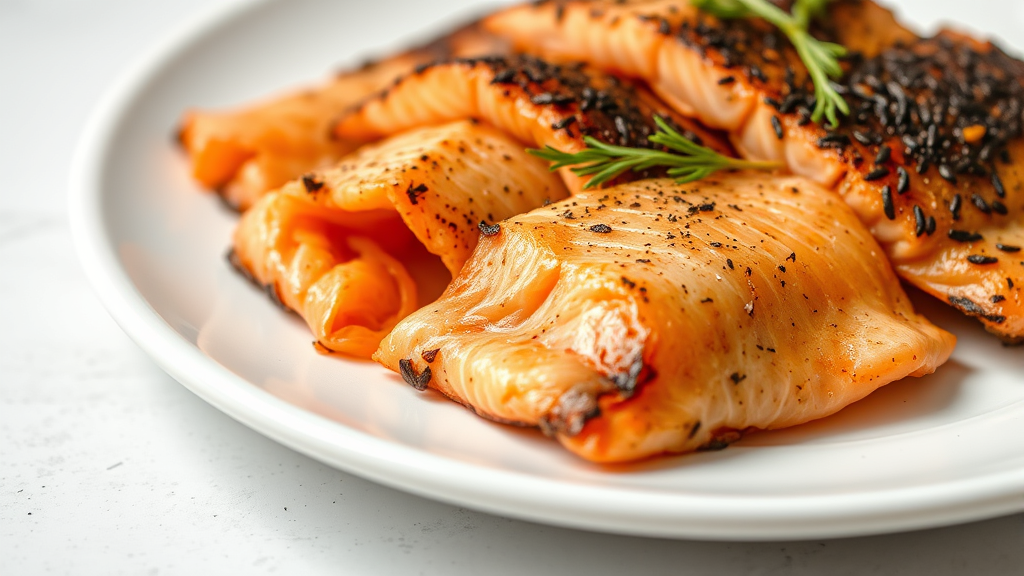
If you decide to offer salmon skin to your dog, proper preparation is essential for safety. Cooking thoroughly eliminates most harmful bacteria and parasites, making it safer for consumption. Baking or grilling salmon skin at 145°F (63°C) for at least 15 minutes ensures proper cooking while preserving nutritional value.
Remove all bones before serving, as salmon bones can splinter and cause choking or internal injuries. Season-free preparation is crucial – avoid salt, garlic, onion, and other seasonings that can be toxic to dogs. The FDA provides guidelines for safe food handling when preparing fish for pets.
Dehydrating salmon skin creates a chewy treat that many dogs enjoy, but ensure the dehydration process reaches adequate temperatures to eliminate pathogens. Commercial salmon skin treats are available and may be safer options, as they undergo quality control processes to ensure safety standards.
When to Avoid Salmon Skin
Certain dogs should never consume salmon skin regardless of preparation method. Dogs with fish allergies will experience adverse reactions including itching, digestive upset, and potentially severe allergic responses. Pets with pancreatitis or a history of digestive issues should avoid high-fat foods like salmon skin entirely.
Puppies under 12 weeks old have immature digestive systems and should not consume salmon skin. Senior dogs with compromised immune systems may be more susceptible to foodborne illnesses and should avoid potentially risky foods. If you’re considering whether can dogs eat smoked salmon, the answer is generally no due to high sodium content and potential preservatives.
Dogs taking certain medications, particularly those affecting blood clotting, should avoid salmon skin due to its omega-3 content, which can enhance anticoagulant effects. Always consult your veterinarian before introducing new foods if your dog has health conditions or takes medications.

Serving Guidelines and Portions
When serving salmon skin to dogs, moderation is key. For small dogs (under 20 pounds), a piece no larger than a quarter should be the maximum serving. Medium dogs (20-50 pounds) can handle pieces roughly the size of a half-dollar, while large dogs (over 50 pounds) can consume slightly larger portions, but never more than what would fit in a tablespoon.
Frequency is equally important – salmon skin should be considered an occasional treat, not a regular dietary component. Offering it once or twice per week maximum prevents digestive upset and maintains nutritional balance. The general rule from veterinary nutritionists suggests treats should comprise no more than 10% of a dog’s daily caloric intake.
Monitor your dog closely after first introduction, watching for signs of digestive upset, allergic reactions, or unusual behavior. Start with very small amounts to assess tolerance before offering larger portions.
Healthy Fish Alternatives
If salmon skin seems too risky or your dog doesn’t tolerate it well, several safer fish alternatives provide similar nutritional benefits. When considering can dogs eat sardines, the answer is generally yes when prepared properly, and they’re often safer due to lower mercury content and smaller size.
Mackerel, anchovies, and herring are excellent omega-3 sources that are typically safer than salmon. These smaller fish have shorter lifespans, resulting in lower accumulation of environmental toxins. Are sardines good for dogs is a common question, and the answer is typically yes when served boneless and unsalted.
For dogs who enjoy fish but need safer options, consider freeze-dried fish treats or fish oil supplements specifically formulated for dogs. These products undergo safety testing and provide controlled omega-3 levels without the risks associated with whole fish preparation. The ASPCA recommends consulting with veterinarians about appropriate fish-based supplements.
Veterinary Guidance and Consultation
Before introducing salmon skin or any new food to your dog’s diet, veterinary consultation is advisable, especially for dogs with existing health conditions. Your veterinarian can assess your dog’s individual needs, health status, and potential risks based on breed, age, and medical history.
Veterinarians can also recommend appropriate portion sizes based on your dog’s weight, activity level, and overall dietary needs. They may suggest blood work to check for any underlying conditions that could be affected by dietary changes, particularly for older dogs or those with chronic health issues.
If you’re exploring various fish options and wondering can dogs have fish in general, your veterinarian can provide species-specific guidance and recommend the safest preparation methods for your pet’s individual needs. Professional guidance ensures you’re making informed decisions about your dog’s nutrition while minimizing health risks.
Frequently Asked Questions
Can I give my dog raw salmon skin?
No, raw salmon skin should never be given to dogs due to the risk of bacterial contamination, parasites, and salmon poisoning disease. Always cook salmon skin thoroughly at 145°F for at least 15 minutes before offering it to your dog. Raw fish products pose significant health risks that can be life-threatening.
How often can I give my dog salmon skin?
Salmon skin should only be given as an occasional treat, no more than once or twice per week. It should never comprise more than 10% of your dog’s daily caloric intake. Frequent feeding of high-fat foods like salmon skin can lead to digestive upset and pancreatitis in susceptible dogs.
What are the signs of salmon poisoning in dogs?
Symptoms of salmon poisoning include vomiting, diarrhea, fever, lethargy, loss of appetite, and dehydration. These symptoms typically appear 6-10 days after consumption and require immediate veterinary attention. Salmon poisoning can be fatal if left untreated, so seek emergency care if you suspect your dog has consumed contaminated salmon.
Is store-bought salmon skin safe for dogs?
Store-bought salmon skin can be safe if it’s specifically labeled for pet consumption and comes from reputable manufacturers. However, salmon skin intended for human consumption may contain seasonings, preservatives, or preparation methods that are harmful to dogs. Always check ingredients and choose products specifically designed for pets.
Can puppies eat salmon skin?
Puppies under 12 weeks old should not eat salmon skin due to their immature digestive systems and higher susceptibility to foodborne illnesses. Older puppies may be able to tolerate very small amounts of properly cooked salmon skin, but it’s best to wait until they’re fully grown and consult with a veterinarian first.
What should I do if my dog ate salmon skin and seems sick?
If your dog shows signs of illness after eating salmon skin, contact your veterinarian immediately. Symptoms to watch for include vomiting, diarrhea, excessive drooling, lethargy, or loss of appetite. Keep a sample of what your dog ate and note the time of consumption to help your veterinarian assess the situation.
Are there any dogs that should never eat salmon skin?
Dogs with fish allergies, pancreatitis, sensitive digestive systems, or immune system disorders should never eat salmon skin. Additionally, dogs taking blood-thinning medications should avoid salmon skin due to its high omega-3 content, which can enhance anticoagulant effects. Always consult your veterinarian if your dog has health conditions or takes medications.





